Weighing a shower redo against a full bathroom renovation? Understand the cost differences, timeline realities, and which option delivers better ROI for Nassau County homeowners.
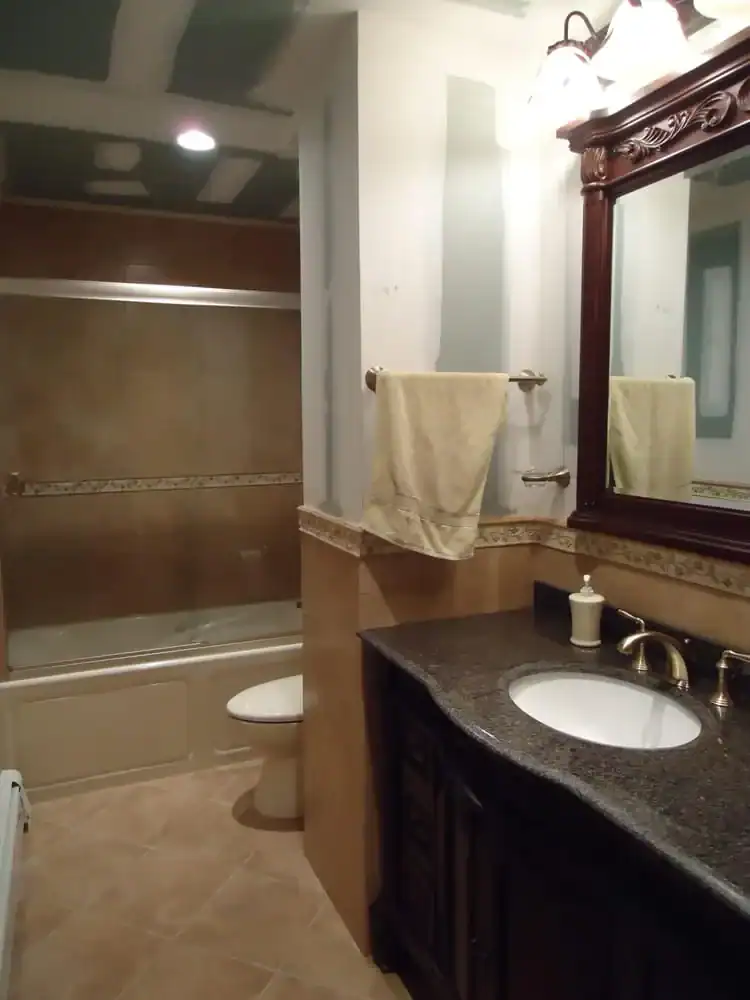
You’re standing in your bathroom wondering if you should just update the shower or tear the whole thing apart and start over. The shower’s outdated. The tile’s cracked. But the vanity still works, and you’re not sure if spending another $20,000 makes sense when a shower redo might solve 90% of the problem.
Here’s the thing—there’s no universal answer. Some bathrooms need a full remodel. Others just need a focused update. What matters is understanding what you’re actually getting for your money, how long each option takes, and which one makes sense for how you use the space.
Let’s walk through the real differences so you can make a decision based on your situation, not someone else’s sales pitch.
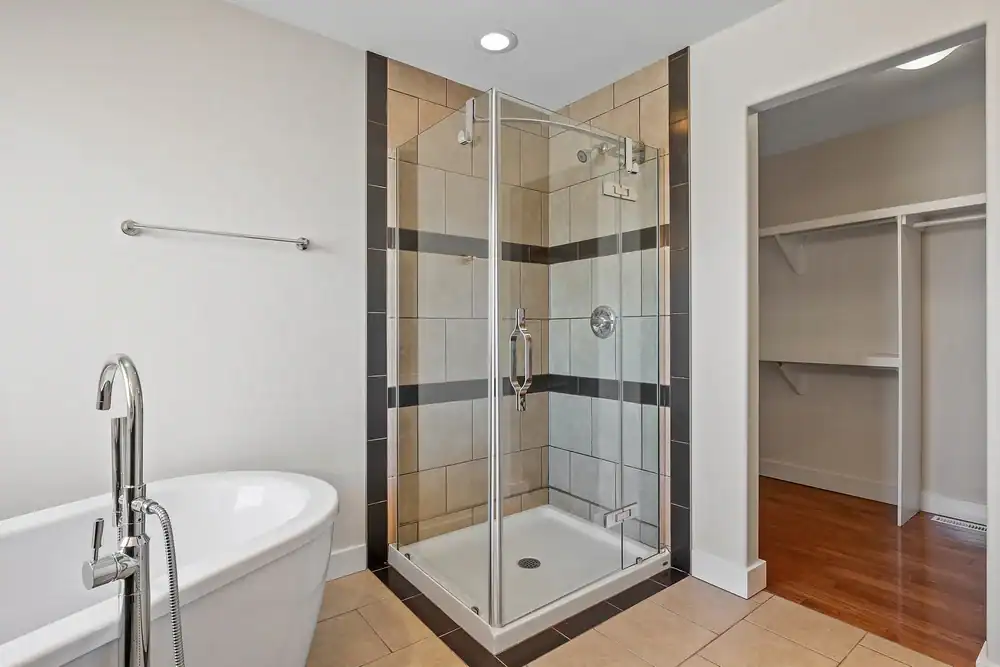
A shower redo focuses on the wet area—your shower or tub. You’re replacing the shower base, wall surrounds, fixtures, and glass enclosure. Everything else in the bathroom stays put. The vanity, toilet, flooring outside the shower, and lighting remain untouched.
A full bathroom remodel tears everything out. You’re replacing the shower, vanity, toilet, flooring, lighting, and often moving plumbing or electrical to improve the layout. It’s a complete transformation of the entire space.
The decision comes down to what’s actually broken. If your shower is the problem but the rest of the bathroom functions fine, a shower redo makes sense. If the whole bathroom feels cramped, outdated, or dysfunctional, a full remodel addresses everything at once instead of piecemealing updates over the next few years.
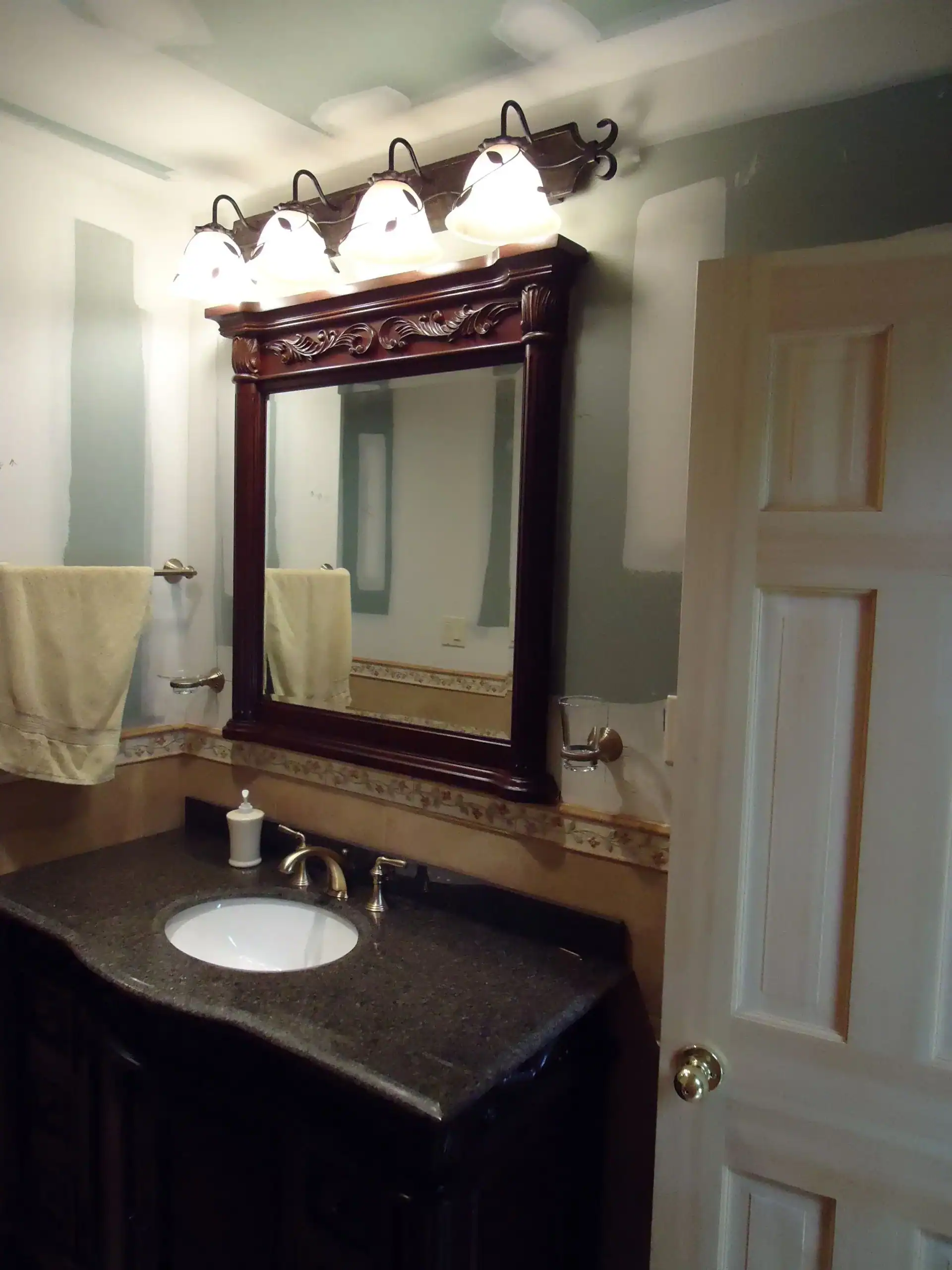
A shower redo in Nassau County typically runs between $8,000 and $15,000 depending on materials and features. That includes demo of the old shower, new waterproofing, tile or acrylic wall systems, a modern shower base, updated fixtures, and glass doors if you want them. You’re looking at one to two weeks of work in most cases.
A full bathroom remodel costs significantly more. In Nassau County, you’re looking at $18,500 on average for a complete renovation, with costs ranging from $15,000 to $40,000 depending on size and finishes. That includes new everything—shower or tub, vanity, toilet, flooring, tile, lighting, and plumbing or electrical updates. Timeline stretches to three to six weeks depending on scope and whether you’re moving fixtures.
The cost difference is substantial. If your budget is $15,000, a shower redo gives you a high-end update with premium materials and features. That same budget gets you a basic full bathroom remodel with builder-grade finishes and no layout changes.
Here’s what most contractors won’t tell you upfront: older Nassau County homes often hide surprises once you open walls. Outdated plumbing, electrical that doesn’t meet current code, water damage behind tile. A shower redo limits your exposure to those surprises because you’re only opening one section of the bathroom. A full remodel exposes the entire space, which means more potential for unexpected costs.
Budget an extra 10-15% contingency for either project. It’s not pessimism—it’s reality when you’re working with homes built in the 1950s through 1980s. The difference is that a 15% overrun on a $12,000 shower redo is $1,800. A 15% overrun on a $30,000 full remodel is $4,500.
A shower redo typically takes one to two weeks from start to finish. Day one is demo—your old shower comes out. Days two through four involve plumbing adjustments, waterproofing, and substrate prep. Days five through eight cover tile installation or wall panel installation. Days nine and ten are grouting, fixture installation, and final touches. You’re without a shower for about a week, maybe ten days.
A full bathroom remodel takes three to six weeks minimum. You’re without the entire bathroom for that stretch, which means using another bathroom in your house or dealing with a temporary setup. The timeline breaks down like this: demo and rough-in work take three to five days, plumbing and electrical updates take another three to five days, tile and flooring installation takes a week, and fixture installation and finishing work takes another week.
Living through a full bathroom remodel is more disruptive than most homeowners expect. You’re not just missing a shower—you’re missing the toilet, sink, and storage. If it’s your only bathroom or your primary bathroom, that affects your entire household routine for over a month.
A shower redo limits the disruption. You still have access to your toilet, sink, and vanity throughout the project. You’re showering elsewhere for a week, but everything else functions normally. That’s a big deal if you’re working from home, have kids getting ready for school, or just don’t want construction chaos taking over your life for six weeks.
The other factor most people underestimate is decision fatigue. A shower redo requires fewer decisions—you’re picking tile or wall panels, a shower base, fixtures, and glass. A full remodel requires decisions on every single element in the bathroom. Vanity style, countertop material, sink type, faucet finish, toilet model, flooring, lighting, mirror, hardware. It’s exhausting, and it slows the project down when you can’t decide between three tile options and the installer is waiting.
Contractors who tell you a full bathroom remodel takes two weeks are either lying or planning to rush the job. Quality work takes time. Proper waterproofing needs time to cure. Tile needs time to set. Grout needs time to dry. You can’t shortcut those steps without compromising the finished product.
Want live answers?
Connect with a Ray Coleman expert for fast, friendly support.
A shower upgrade makes sense when the rest of your bathroom works fine. Your vanity is in good shape. The toilet functions properly. The flooring is solid. The lighting is adequate. The only problem is the shower—it’s outdated, leaking, difficult to clean, or just ugly.
In that scenario, spending $30,000 on a full remodel doesn’t make financial sense. You’re replacing things that don’t need replacing just to make the bathroom look cohesive. A focused shower redo solves the actual problem for a fraction of the cost and gets you back to normal life in a week instead of six.
The other situation where a shower upgrade makes sense is when you’re preparing to sell. Real estate agents will tell you that bathrooms sell homes, but they don’t always specify that it’s the shower that buyers notice first. A dated, grimy shower with mildewed grout and cloudy glass doors makes buyers think the whole house is poorly maintained. A modern walk-in shower with clean lines and updated fixtures makes them think the opposite.
Most Long Island homes have a 60-inch alcove tub that eats up space and collects grime. If you’re not using the tub—and let’s be honest, most people shower daily and use the tub maybe twice a year—converting it to a walk-in shower makes the bathroom more functional immediately.
A tub-to-shower conversion removes the high tub wall, which reduces fall risk. You can add grab bars, built-in seating, and non-slip flooring—ideal for aging in place. Nassau County homeowners are increasingly making this update as they think about staying in their homes long-term rather than downsizing or moving to assisted living.
The space optimization is real. A standard tub takes up about 13 to 15 square feet. A walk-in shower uses only 7 to 9 square feet. With open sightlines and better layouts, that can feel like reclaiming 40% of your bathroom. You gain room for a larger vanity, better storage, or just more breathing room in a cramped space.
The conversion process is straightforward. The existing tub comes out. The plumbing stays in the same location, so you’re not moving supply lines or drain pipes. A new shower base goes in—either tile or a prefabricated acrylic base. Walls get waterproofed and finished with tile or wall panels. New fixtures, a glass door or curtain, and you’re done.
Cost-wise, a tub-to-shower conversion falls in the same range as a shower redo—$8,000 to $15,000 depending on materials. Timeline is similar too—one to two weeks. The difference is that you’re gaining functionality and accessibility, not just updating what’s already there.
One thing to consider: if you’re in a home with only one bathroom, removing the only tub can affect resale value slightly. Buyers with young children often want at least one tub in the house. That doesn’t mean you shouldn’t do the conversion—it just means you should be aware of it if you’re planning to sell within the next few years. If you’re staying long-term or you have another bathroom with a tub, it’s a non-issue.
A full bathroom remodel makes sense when multiple things are broken or outdated. The shower needs replacing, but so does the vanity. The toilet is old and inefficient. The flooring is cracked or water-damaged. The lighting is dim and outdated. The layout is cramped and dysfunctional.
In that scenario, updating just the shower doesn’t solve the bigger problem. You’ll have a beautiful new shower in a bathroom that still feels dated and cramped. You’ll end up replacing the vanity in two years, then the flooring the year after that, then the lighting. You’re spending the same money over time, but you’re living through multiple construction projects instead of handling it all at once.
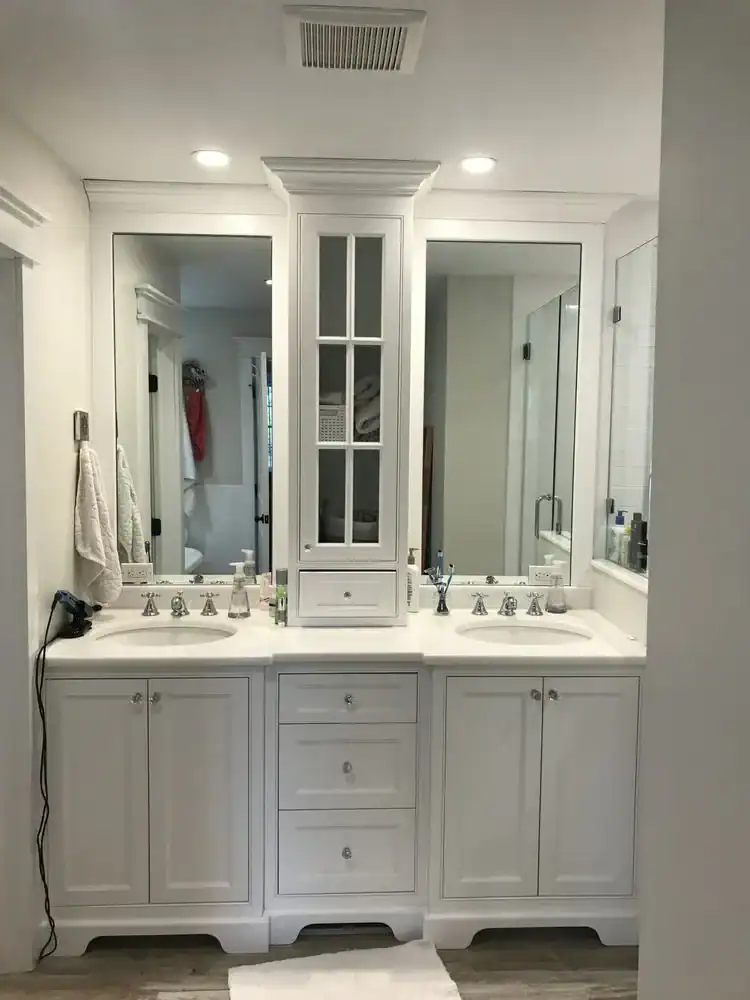
The other situation where a full remodel makes sense is when you want to change the layout. Maybe you want to move the toilet to create more space. Maybe you want to expand the shower and eliminate the tub. Maybe you want to add a double vanity or reconfigure the door location. Those changes require moving plumbing and electrical, which means you’re already tearing into walls and floors. At that point, it makes sense to update everything instead of leaving half the bathroom untouched.
Full bathroom remodels also make sense when you’re dealing with structural issues. Water damage behind walls. Mold growth. Outdated plumbing that’s corroded and leaking. Electrical that doesn’t meet current code. These aren’t cosmetic issues—they’re safety and functionality issues that need to be addressed. If you’re already opening walls to fix those problems, updating the entire bathroom makes sense.
The ROI on a full bathroom remodel is solid when done right. Mid-range bathroom remodels typically recoup 60-70% of their cost at resale in Nassau County. That’s not as high as a shower-only update, which can recoup 70-80%, but it’s still respectable. The key is not over-improving for your neighborhood. If you’re in a $600,000 home, a $40,000 luxury bathroom remodel doesn’t make financial sense. But a $20,000 to $25,000 remodel that brings the bathroom up to modern standards and improves functionality? That’s a smart investment.
One more factor: if you’re planning to stay in your home for the next 10-20 years, a full remodel gives you a bathroom that works for your lifestyle now and adapts as your needs change. You can build in accessibility features, improve storage, optimize the layout, and create a space that makes your daily routine easier. That’s worth more than resale value—it’s quality of life.
The decision between a shower redo and a full bathroom remodel comes down to what’s actually broken, how much you want to spend, and how long you’re willing to live through construction. A shower redo solves specific problems fast and for less money. A full remodel addresses everything at once but costs more and takes longer.
Neither option is inherently better. They serve different purposes. The mistake is choosing based on what sounds impressive rather than what actually makes sense for your situation.
If you’re ready to move forward with a bathroom project in Nassau County and you want straight answers from a contractor who answers calls, keeps job sites clean, and has been doing this work for over 50 years, we handle both shower redos and full bathroom remodels with the same professional approach. We’ll walk through your space, talk through what’s realistic for your budget and timeline, and give you an honest assessment of which option makes sense for how you actually use your bathroom.
Summary:
Share: