Thinking about a major home renovation? Learn why hiring a general contractor in Nassau County could be the difference between a dream project and a costly nightmare.
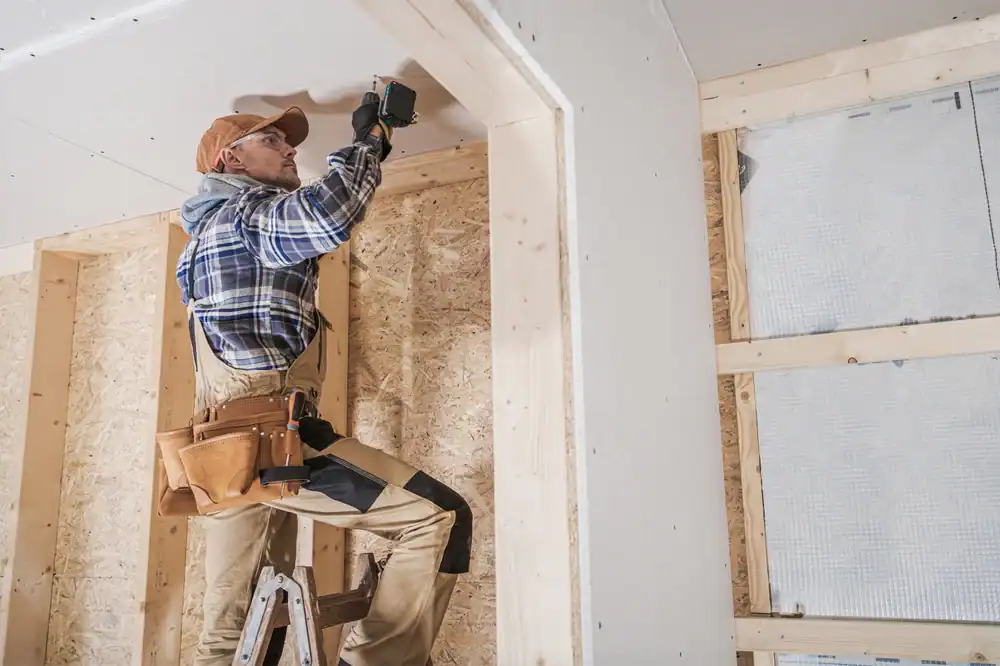
A general contractor isn’t just someone who swings a hammer. We’re the quarterback of your entire renovation. From the moment you sign a contract to the day you walk through your finished space, we’re managing every detail you’d otherwise be juggling yourself.
We pull permits. We hire and coordinate subcontractors. We order materials, schedule inspections, and make sure the electrician doesn’t show up the same day as the tile guy. We’re your single point of contact when something goes sideways—and in construction, something always does.
Think of it this way. You wouldn’t try to conduct an orchestra if you’ve never held a baton. A general contractor is that conductor, making sure every trade shows up on time, does their job right, and doesn’t leave your home looking like a construction zone when they’re done.
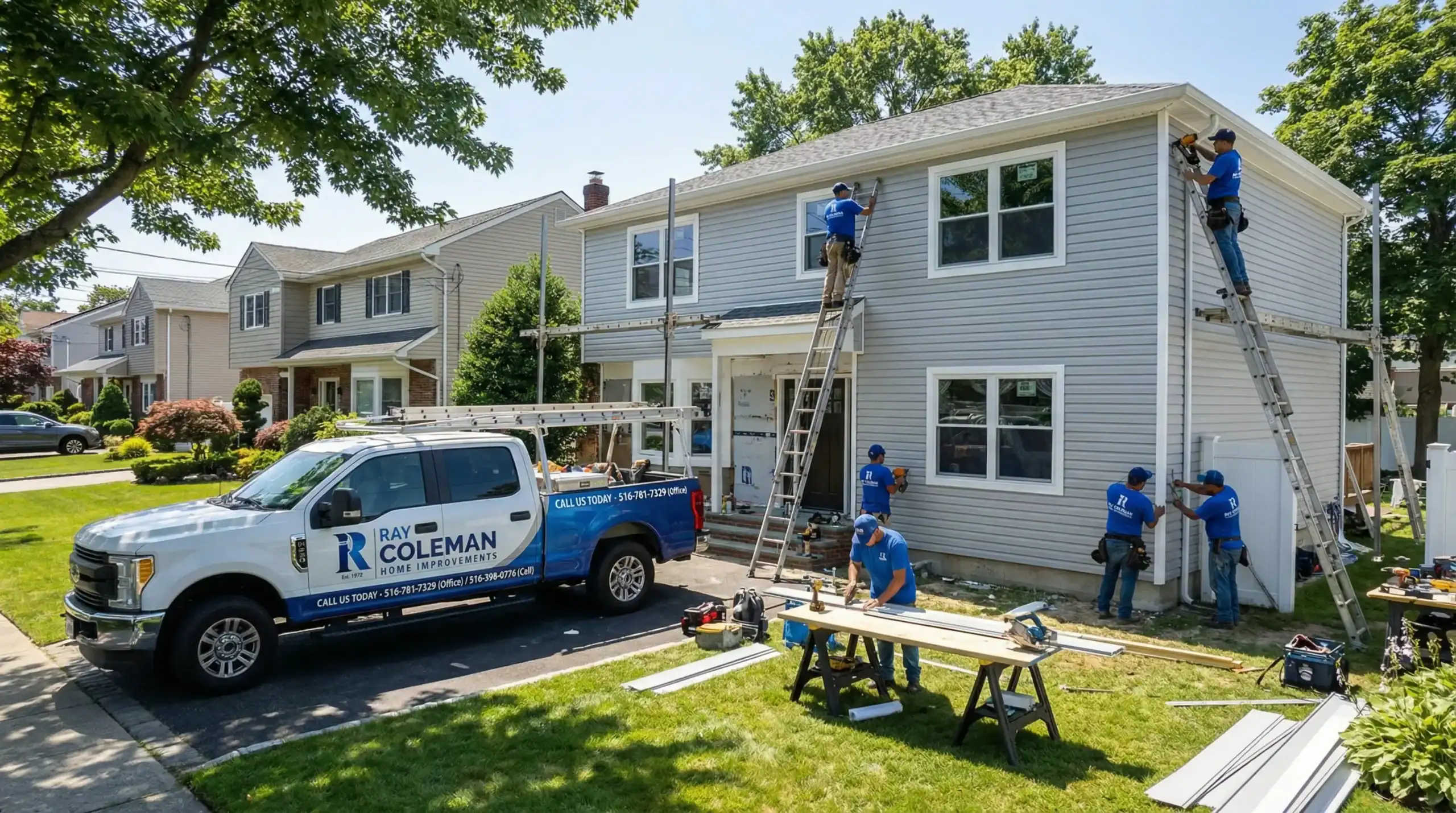
Let’s get specific. Say you’re remodeling your kitchen. You need a plumber to move the sink. An electrician to rewire for new appliances. A carpenter to install cabinets. A tile setter for the backsplash. Someone to handle the countertops. And a painter to finish it all off.
Now imagine coordinating all of those people yourself. The plumber can’t start until the demolition is done. The electrician needs access before the drywall goes up. The tile guy is booked three weeks out. The countertop fabricator needs exact measurements, but the cabinets aren’t installed yet.
Miss one step in that sequence and your two-week project turns into two months. As general contractors, we’ve done this hundreds of times. We know the order. We know which trades need to happen when. And when the tile guy calls in sick or the countertops arrive damaged, we handle it. You don’t.
That’s project management. It’s not glamorous, but it’s the difference between a smooth renovation and one that drags on so long you forget what your kitchen used to look like. We also keep your home livable during the work. We set up dust barriers, protect your floors, and make sure you’re not eating takeout on the couch for three months because the job site is chaos.
Communication is another big piece. We update you regularly, walk you through decisions before they’re made, and don’t disappear for days without explanation. If something’s going to cost more or take longer, you hear about it early—not after the fact.
DIY sounds appealing. You save on labor. You control the timeline. You get to say you did it yourself. And for small projects—painting a room, replacing cabinet hardware—it makes sense. But for anything involving plumbing, electrical, structural changes, or permits, DIY can cost you more than you’d ever save.
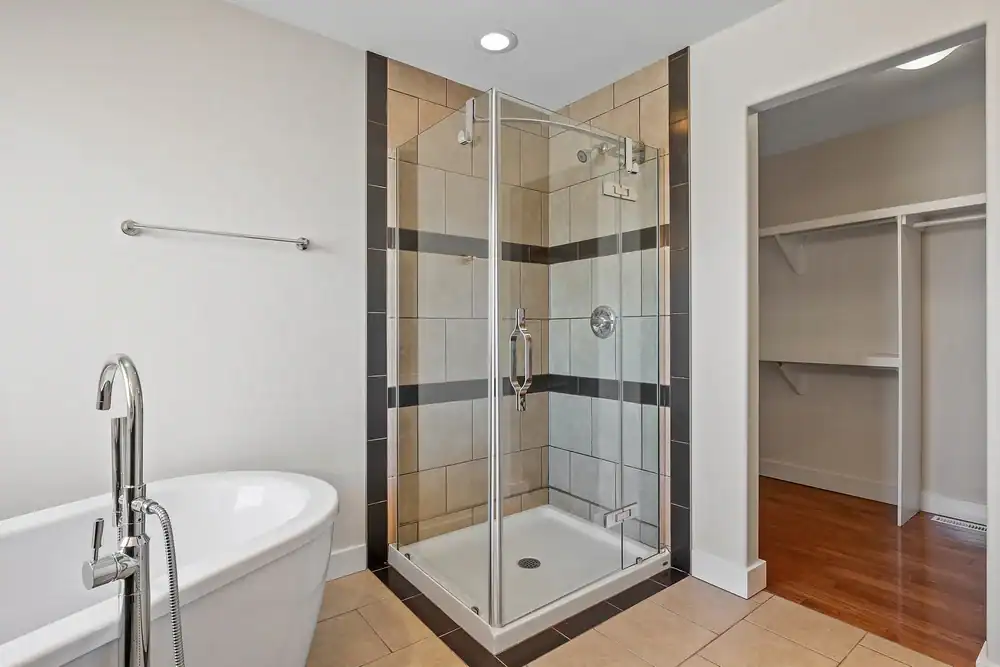
Here’s why. Mistakes are expensive. Really expensive. If you install a shower pan wrong and it leaks, you’re not just fixing a shower. You’re dealing with water damage, mold remediation, and possibly replacing subfloors and drywall. What started as a $3,000 bathroom refresh is now a $15,000 disaster. And your homeowner’s insurance might not cover it because the work wasn’t done by a licensed professional.
Then there’s the time factor. A professional can finish in two weeks what might take you two months of weekends. That’s two months of living in a construction zone, two months of your life spent watching YouTube tutorials and making trips to the hardware store, and two months of frustration when things don’t go as planned.
Let’s talk about permits. In Nassau County, most significant home improvements require permits. That’s not bureaucracy for the sake of it—it’s to make sure the work is safe and up to code. As licensed contractors, we know what permits you need, how to get them, and what inspections have to happen along the way. Try to skip that process and you could face fines, or worse, have to rip out finished work and start over.
Safety is the other big one. Electrical work done wrong can cause fires. Plumbing mistakes can flood your home. Structural changes made without understanding load-bearing walls can literally make your house unsafe. We carry insurance for a reason. If something goes wrong, you’re protected. If you do it yourself and something goes wrong, you’re on your own.
The bottom line? DIY has its place. But for large-scale renovations—kitchens, bathrooms, additions, anything involving major systems—the cost of getting it wrong far outweighs what you’d save by doing it yourself.
Want live answers?
Connect with a Ray Coleman expert for fast, friendly support.
Let’s move past what we do and talk about what you actually get when you hire us. Because the value isn’t just in the labor—it’s in everything that comes with it.
First, you get access to better pricing on materials. We have relationships with suppliers. We buy in volume. We get trade discounts that aren’t available to retail customers. That 20 to 30 percent savings on materials adds up fast, often covering a significant chunk of our fee.
Second, you get accountability. We stand behind our work. If something isn’t right, we fix it. If a subcontractor does shoddy work, we deal with it. You’re not chasing down three different people trying to figure out who’s responsible for the leaking faucet. You call us, and we handle it.
Third, you get speed. We work faster because we do this every day. We know the shortcuts that don’t compromise quality. We have the right tools. Our crews are experienced. What might take you a month of weekends gets done in a week.
Finding a good contractor isn’t about picking the cheapest bid or the first person who returns your call. It’s about doing your homework and paying attention to the details that separate professionals from problems waiting to happen.
Start with referrals. Ask friends, family, neighbors who’ve had work done recently. Personal recommendations from people you trust are worth more than any online ad. If someone you know had a great experience, that contractor just moved to the top of your list.
Check credentials. In Nassau County, contractors need to be licensed through the Office of Consumer Affairs. Don’t just take their word for it—verify it. Ask for their license number and look it up. Make sure their insurance is current. General liability and workers’ comp aren’t optional. If someone gets hurt on your property and the contractor isn’t insured, you could be liable.
Read reviews, but read them smart. Look for patterns. One bad review isn’t a dealbreaker—everyone has an off day. But if multiple people are complaining about the same issues—missed deadlines, poor communication, shoddy work—that’s a red flag. Pay attention to how contractors respond to negative reviews, too. Do they take responsibility and try to make it right, or do they get defensive and blame the customer?
Interview at least three contractors. Get detailed bids. Not just a total price, but a breakdown of labor, materials, timeline, and payment schedule. If someone gives you a number on a napkin and says “trust me,” walk away. A professional bid should be thorough, clear, and in writing.
Ask questions. How long have you been in business? Can I see examples of similar projects? Who will be on site every day? What’s your process if something unexpected comes up? How do you handle changes or delays? We welcome questions because we know transparency builds trust.
Watch for red flags. If someone pressures you to sign immediately or offers a steep discount if you decide today, that’s a sales tactic, not a professional approach. If they ask for a huge deposit upfront—more than 15 to 30 percent—be cautious. If they can start tomorrow when everyone else is booked out for weeks, ask yourself why they’re not busy. If they won’t provide references or seem evasive about past projects, move on.
Trust your gut. If something feels off, it probably is. You’re going to be working with this person for weeks or months. If you don’t feel comfortable with them from the start, it’s not going to get better once the walls are open and money is changing hands.
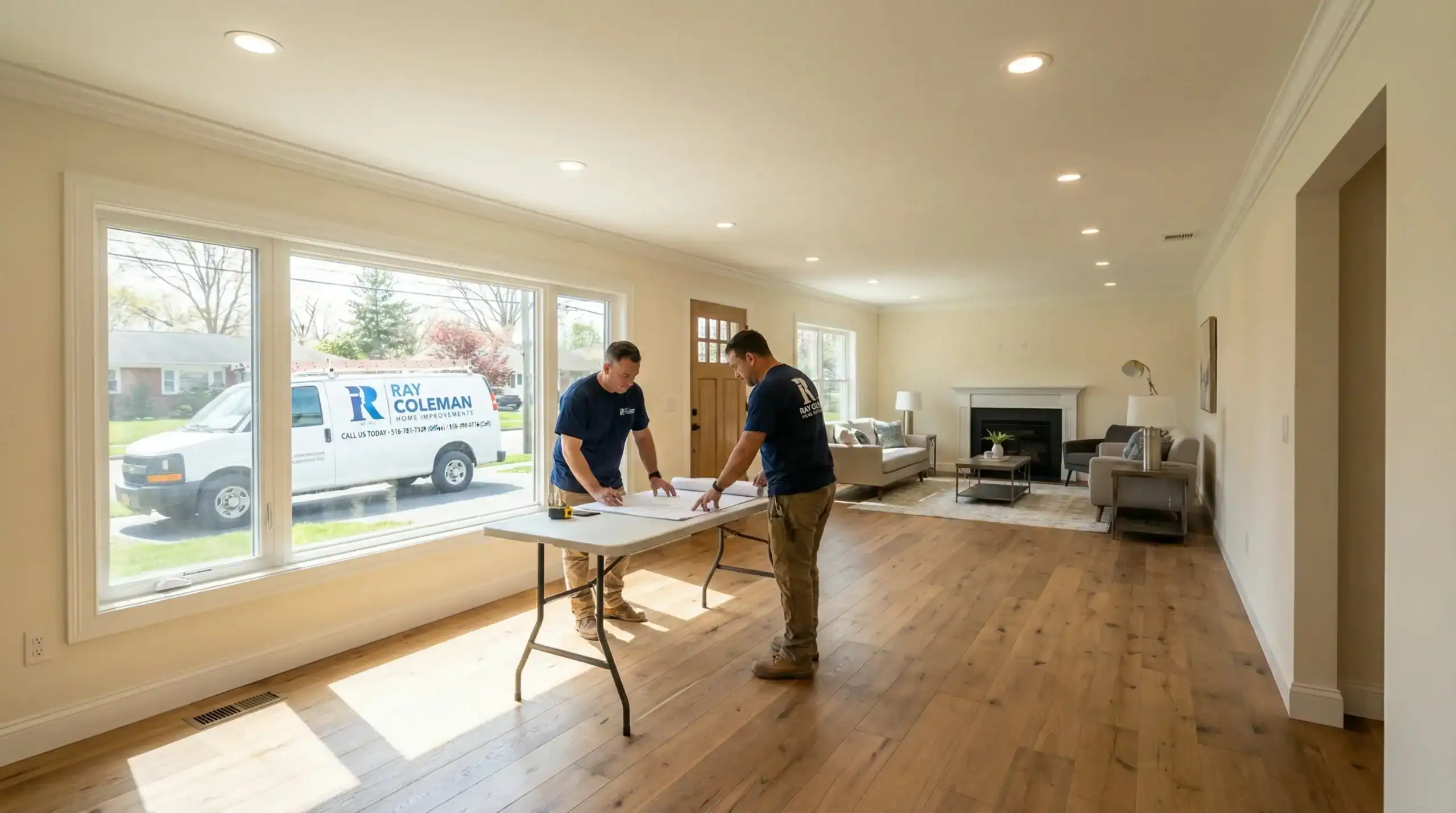
Once you’ve hired a contractor, here’s what a well-run project looks like. It starts with a detailed contract. Everything should be in writing—scope of work, materials, timeline, payment schedule, warranty information. If it’s not in the contract, it doesn’t exist. Read it carefully. Ask questions about anything that’s unclear. Don’t sign until you’re comfortable with every detail.
Next comes the pre-construction meeting. We walk through the project with you before work begins, confirming details, answering last-minute questions, and setting expectations. This is when we discuss things like work hours, where materials will be stored, how the crew will access your home, and what areas will be off-limits during construction.
During the project, expect regular updates. Not daily blow-by-blow accounts, but consistent communication about progress, any issues that come up, and decisions that need to be made. You shouldn’t have to chase us down for basic updates.
You should also expect a clean, organized job site. We clean up at the end of each day. We don’t leave tools scattered across your yard or sawdust covering every surface in your house. We respect your home because we understand you’re living there.
Changes happen. Maybe you decide you want a different tile. Maybe we open a wall and find outdated wiring that needs to be replaced. That’s normal. What matters is how those changes are handled. We explain the situation, give you options, tell you how it affects the timeline and budget, and document everything in writing before moving forward.
Inspections are part of the process. Depending on the scope of work, you’ll likely need inspections from the local building department at various stages. We handle scheduling those and making sure everything passes. If something doesn’t pass, we fix it and schedule a re-inspection. You shouldn’t have to manage any of that.
When the project wraps up, there should be a final walkthrough. We go through everything together. You point out anything that’s not right, and we create a punch list of items to address. Nothing gets marked complete until you’re satisfied. We don’t rush this step—we want you to be happy because your satisfaction is our reputation.
Finally, you should receive all documentation. Warranties on materials and labor. Receipts for major purchases. Copies of permits and inspection reports. If you ever sell your home, having that documentation shows future buyers the work was done properly and legally.
Here’s the bottom line. Hiring a general contractor isn’t about handing over control of your project. It’s about partnering with someone who has the expertise, the resources, and the experience to turn your vision into reality without the stress, the mistakes, and the costly delays that come with trying to manage everything yourself.
We bring more than labor to the table. We bring project management, quality control, access to skilled tradespeople, better pricing on materials, and accountability when things don’t go as planned. We handle the permits, the inspections, the coordination, and the problem-solving so you can focus on the decisions that actually matter—like choosing the right countertop or deciding on paint colors.
If you’re planning a kitchen remodel, a bathroom renovation, a home extension, or any significant improvement to your Nassau County home, take the time to find a contractor you trust. Do your research. Ask the right questions. Pay attention to the red flags. And when you find someone who checks all the boxes, you’ll understand why most homeowners choose to work with professionals instead of going it alone.
At Ray Coleman Home Improvement, we specialize in large-scale projects throughout Nassau County, bringing professional project management, clean job sites, and responsive customer service to every renovation. When you’re ready to move forward with your project, reach out and let’s talk about how to make it happen right.
Summary:
Share: