Whole house renovations in Nassau County range from $150,000 to $250,000+. Learn what drives costs, realistic timelines, and whether renovating beats moving in today's market.

Your Nassau County home needs more than cosmetic updates. You’re looking at a complete transformation—gutting the kitchen, overhauling bathrooms, maybe renovating the entire first floor. Or you’re wondering if starting fresh makes more sense than buying someone else’s house in this market.
The question: what does a whole house renovation actually cost here? Not national averages that ignore Long Island’s higher labor costs, strict building codes, or the reality that most homes were built decades ago with systems that barely meet today’s standards. You need real numbers for Nassau County, realistic timelines, and straight answers about whether this investment makes sense.
A complete home renovation in Nassau County typically runs $150,000 to $250,000 for most projects. The cost per square foot ranges from $185 to $300 depending on scope and finishes. If you’re renovating 2,000 square feet with mid-range materials, you’re looking at $370,000 to $600,000. Most homeowners land in the middle—updating multiple rooms, addressing outdated systems, and choosing finishes that balance quality with budget.
Long Island costs run 30% to 50% higher than national averages. Labor, materials, and permits all cost more here. That’s the market reality in Nassau County.
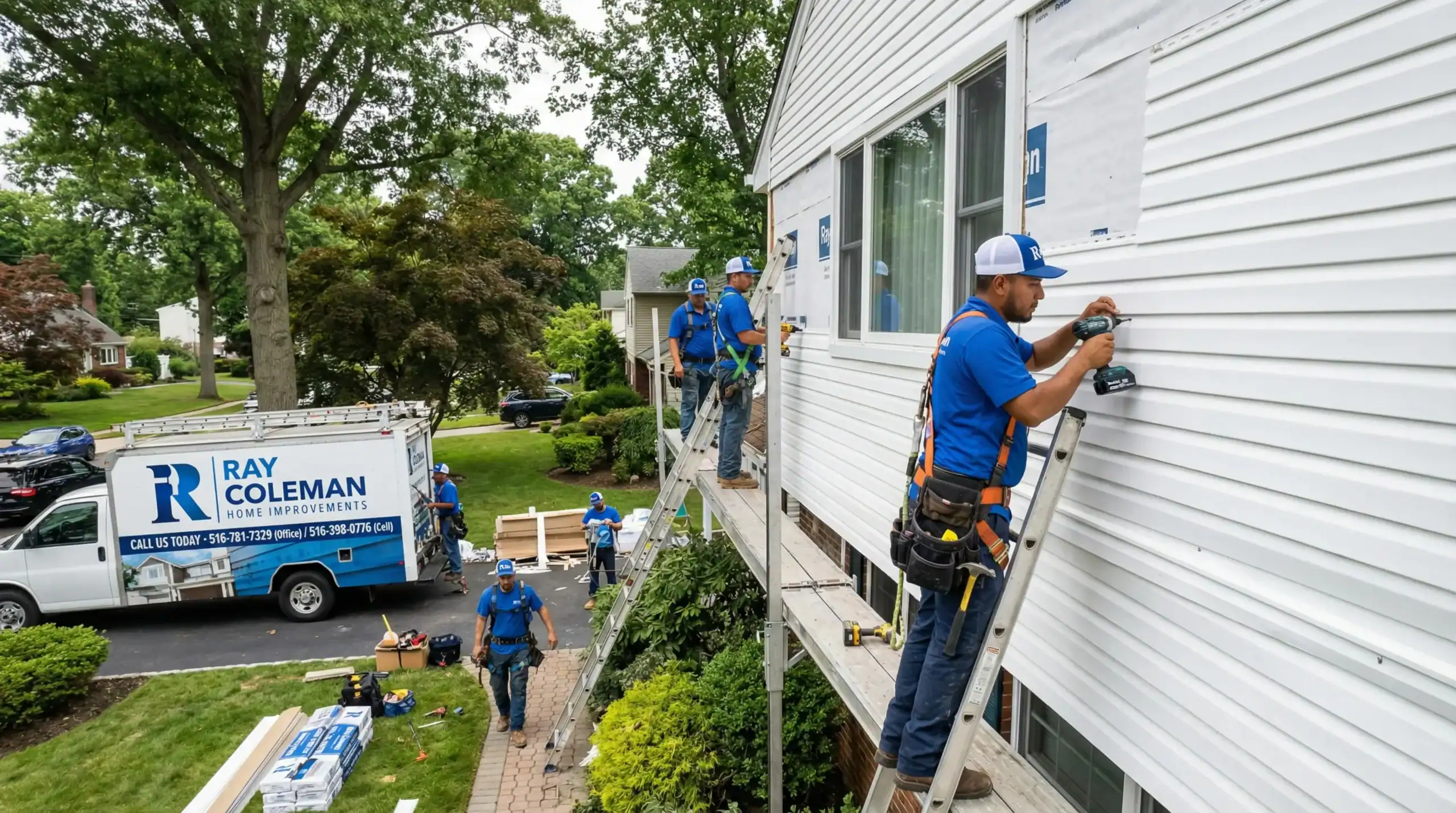
When we discuss whole house renovation costs, we’re talking about comprehensive work that goes beyond paint and new appliances. You’re gutting spaces down to the studs in many cases, especially kitchens and bathrooms where plumbing and electrical need complete overhauls.
A full home remodel budget includes demolition of existing finishes, walls, and fixtures. In Nassau County homes built during the 1940s through 1960s, this phase often reveals surprises—outdated wiring that can’t handle modern appliances, corroded plumbing that’s been leaking for years, insulation that barely exists. These aren’t optional fixes. They have to be addressed before anything else moves forward.
Major system upgrades come next. Electrical work to bring your home up to current code, often including a new panel. Plumbing rerouted for better layouts. HVAC updates if you’re changing the footprint. These aren’t the exciting parts of renovation, but they’re the foundation everything else builds on.
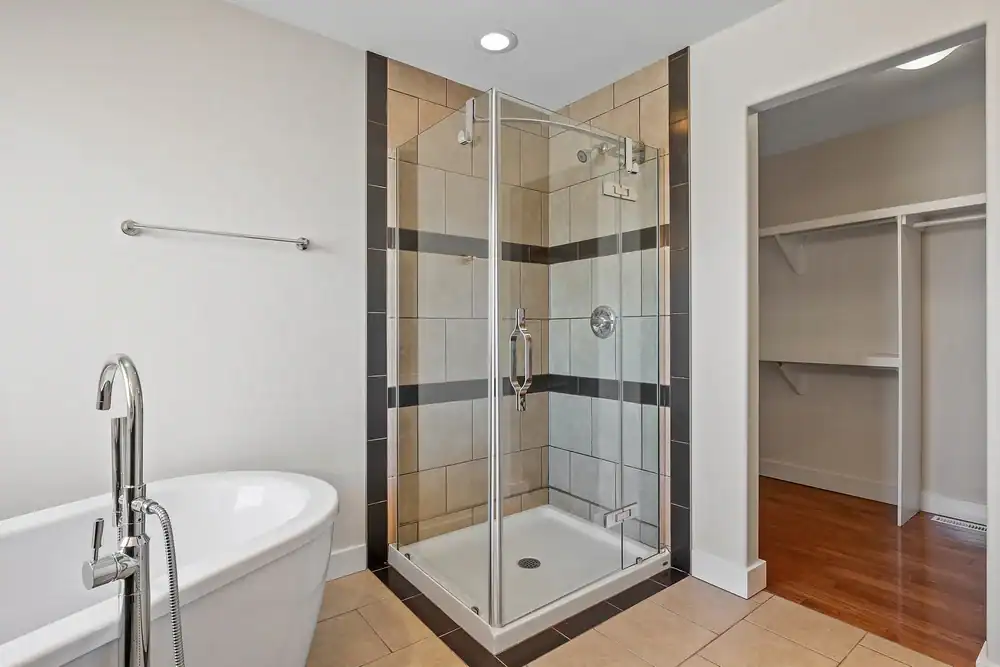
Then there’s finish work—the part you’ll actually see every day. New cabinets, countertops, flooring, tile, fixtures, lighting, paint. This is where your choices have the biggest impact on total cost. Stock cabinets and laminate counters keep you on the lower end. Custom cabinetry and marble countertops push you toward the upper range. Most Nassau County homeowners choose semi-custom options that deliver quality without luxury pricing.
What’s typically not included: appliances, furniture, window treatments, and sometimes paint. Permit costs are another separate expense, running $2,000 to $6,000 for whole house renovations in Nassau County.
The range between $150,000 and $250,000+ exists because every renovation is different. Square footage is the most obvious driver, but it’s not just about size—it’s about what you’re changing. A 2,000-square-foot renovation that keeps the existing layout costs significantly less than the same square footage where you’re moving walls and relocating plumbing.
Material selection makes a massive difference. The gap between builder-grade and premium finishes can add $50,000 to $100,000 to your total. Engineered hardwood versus solid wood flooring. Quartz versus marble countertops. Semi-custom versus fully custom cabinetry. These choices compound across every room.
The age and condition of your home affects cost more than most homeowners expect. Once you open walls in older Nassau County homes, you’re dealing with knob-and-tube wiring, galvanized pipes, asbestos, or structural settling. These have to be fixed, and they add to both cost and timeline.
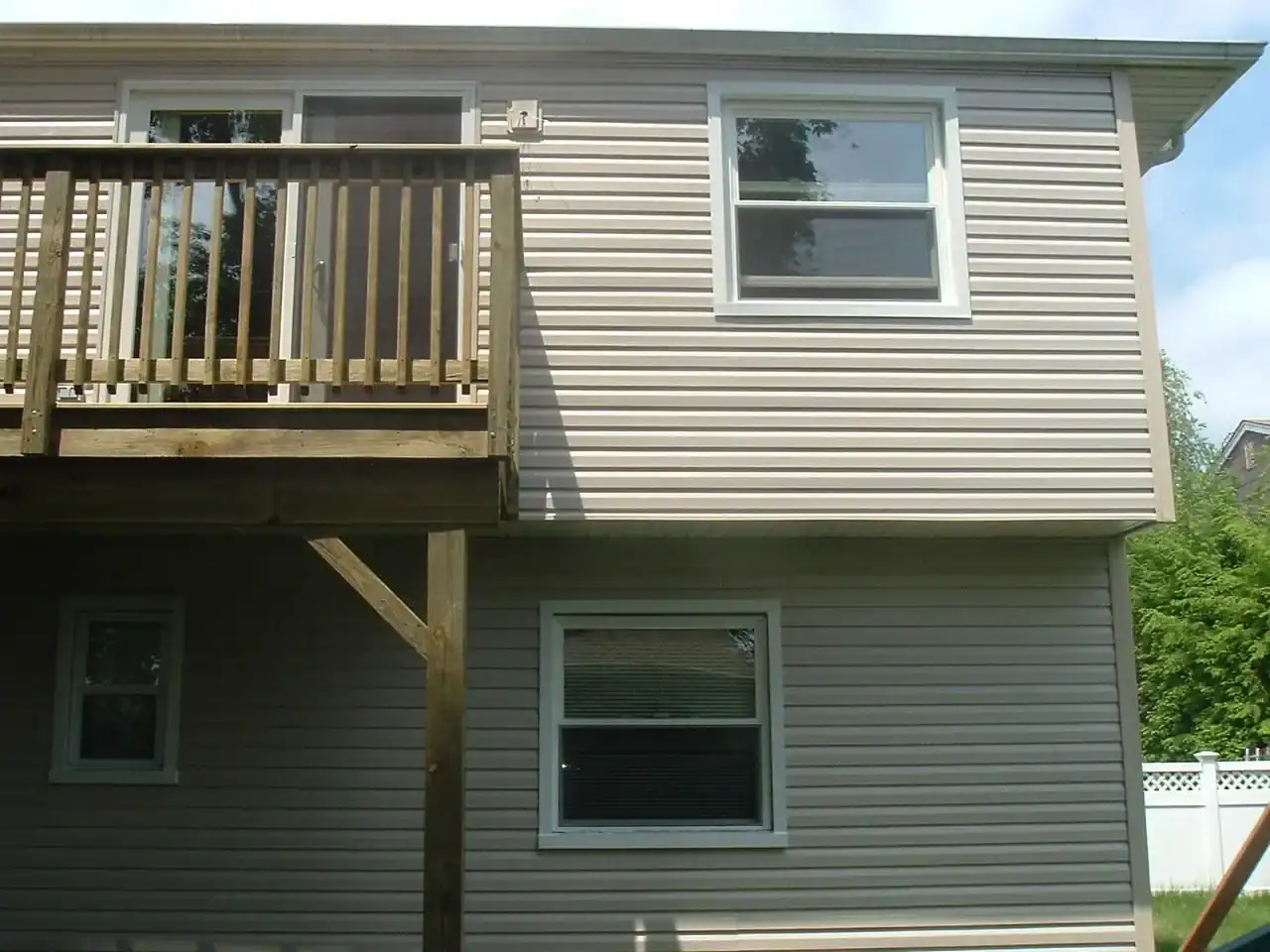
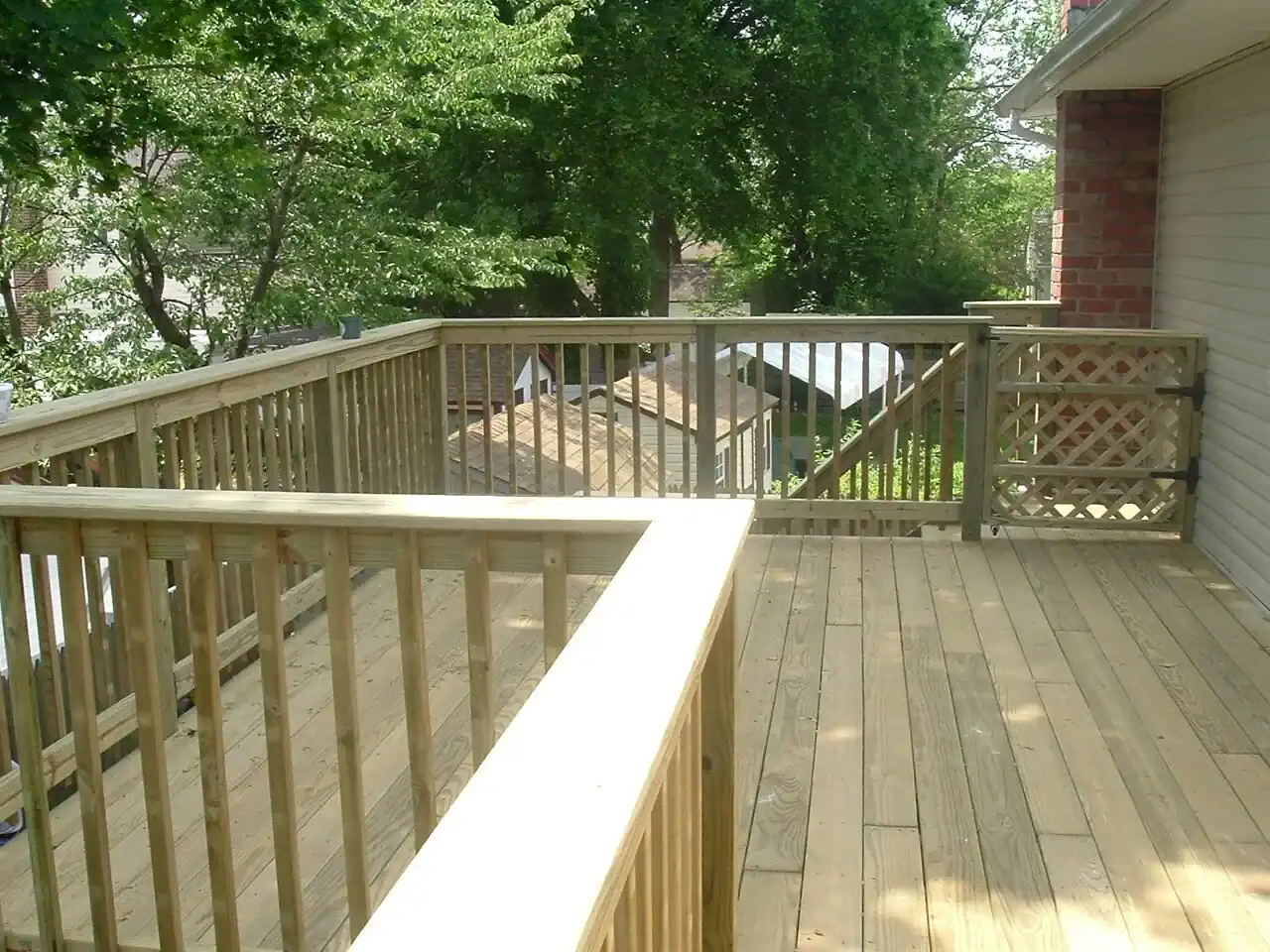
Structural changes push costs higher. Removing load-bearing walls requires engineered beams. Adding square footage means foundation work, framing, roofing. Reconfiguring layouts involves moving plumbing and electrical, which costs more than working within existing locations.
Labor rates in Nassau County reflect the high cost of living here. Skilled tradespeople charge more on Long Island than in most other parts of the country. This isn’t negotiable, and trying to lowball estimates usually means subpar work or contractors who disappear mid-project.
Permits and inspections add both cost and time. Nassau County requires permits for most structural, electrical, and plumbing work. The Town of Hempstead handles most applications, with fees based on total construction value. For whole house renovations, expect $2,000 to $6,000 in permit costs. Electrical and plumbing permits run another $500 to $3,000 each. Unpermitted work can result in stop-work orders, fines, and major issues when you sell.
Want live answers?
Connect with a Ray Coleman expert for fast, friendly support.
Planning your budget means more than knowing the total cost. You need to understand how money flows through the project, what gets paid when, and where to build in cushion for the unexpected.
Most contractors structure payment schedules in draws tied to milestones. You’ll typically pay 10% to 20% upfront to secure your spot and cover initial materials. Additional payments come as work progresses: after demolition, after rough-in work, after drywall, and final payment upon completion.
Budget for contingencies. Even the best contractors can’t predict what’s behind your walls until they open them up. Industry standard is 10% to 15% of your total budget for unexpected issues. In Nassau County’s older homes, this isn’t optional—it’s realistic planning.

Whole house renovations in Nassau County typically take three to six months from demolition to completion. That’s active construction time—it doesn’t include planning, which can add several weeks or months depending on how quickly you make decisions about layouts, materials, and finishes.
The planning phase is where most homeowners underestimate time requirements. You’re selecting everything: cabinets, countertops, tile, flooring, fixtures, lighting, paint. Each decision affects others, and changing your mind midstream causes delays and additional costs. Homeowners who rush planning end up with longer, more expensive construction phases.
Permit approval adds two to four weeks minimum in Nassau County. The Town of Hempstead reviews applications to ensure compliance with building codes, zoning requirements, and setback rules. Complex projects requiring architectural drawings take longer.
Construction timelines vary based on scope. Kitchen and bathroom renovations take the longest because of plumbing, electrical, and inspection requirements. If you’re reconfiguring layouts or adding square footage, expect closer to six months. Straightforward updates with minimal structural changes can be done in three to four months.
Material lead times can extend timelines. Custom cabinets might take 12 to 16 weeks from order to delivery. Specialty tile, imported stone, or custom millwork all have lead times. We order materials early to avoid delays, but supply chain issues can still cause problems.
What keeps projects on track: communication and showing up every day. Contractors who disappear for days to work other jobs drag your timeline out indefinitely. Professional crews who arrive on time, work full days, and clean up before leaving keep momentum going.
Most homeowners don’t have $150,000 to $250,000 in savings. Financing a whole house renovation means choosing between several options, each with different requirements, interest rates, and repayment terms.
Home equity loans are one of the most common choices. You’re borrowing against the equity you’ve built—the difference between what your home is worth and what you owe. These provide a lump sum upfront with fixed interest rates and predictable monthly payments. Because your home serves as collateral, interest rates are typically lower than personal loans. You’ll make your regular mortgage payment plus a separate payment on the home equity loan.
Home equity lines of credit (HELOCs) work differently. Instead of a lump sum, you get a revolving credit line you can draw from as needed. This makes sense for renovations that unfold in stages. Interest rates are usually variable, meaning payments can change. You only pay interest on what you’ve actually borrowed.
Cash-out refinancing replaces your existing mortgage with a new, larger loan. You receive the difference in cash to fund your renovation. This makes sense if current mortgage rates are lower than what you’re paying, or if you can consolidate your mortgage and renovation costs into a single monthly payment. If rates have increased since you bought, this might not be your best option.
FHA 203(k) loans and Fannie Mae HomeStyle Renovation loans are designed specifically for home improvements. These let you finance both home purchase and renovation costs in a single loan. They’re useful if you’re buying a fixer-upper in Nassau County, but existing homeowners can use them for refinancing and renovating. Requirements include licensed contractors, detailed renovation plans, and inspections throughout the project.
Personal loans are unsecured, meaning you’re not putting your home up as collateral. Approval depends on credit score and income. Interest rates are higher than home equity options, but funds are typically available faster—sometimes within days. For smaller portions of your budget or if you don’t have significant equity, personal loans can fill gaps.
What matters most: understanding total cost, not just monthly payments. A loan with a lower monthly payment might cost significantly more in interest over time. Factor in closing costs, fees, and how long you plan to stay in your home.
Whole house renovations in Nassau County aren’t small investments. You’re looking at $150,000 to $250,000 or more, months of construction, and significant disruption to daily life. But for many homeowners, it makes more sense than moving.
The Nassau County housing market is competitive. Homes sell quickly, often above asking, and inventory is limited. You’d be selling in a strong market, but also buying in that same market—competing with other buyers and likely paying more than planned. Renovating lets you stay in a neighborhood you know, avoid moving costs, and design a home that fits your needs instead of compromising on someone else’s layout.
What matters: choosing a contractor who’s been doing this long enough to handle complications. Older homes have surprises. Permits take longer than expected. Materials get backordered. The difference between a renovation that stays on track and one that drags on for months is working with someone who answers when you reach out, shows up every day, and solves problems.
If you’re ready to talk through what a whole house renovation would look like for your Nassau County home, we’ve been handling these projects since 1972. Large-scale renovations are our specialty—kitchens, bathrooms, first-floor transformations, and comprehensive remodels where everything gets updated at once.
Summary:
Share: