Hiring a contractor in Nassau County is a big decision. These are the questions that separate the professionals from the ones who'll leave you hanging.

Nassau County has no shortage of people calling themselves contractors. Finding one who actually picks up the phone, shows up every day, and finishes the job they quoted shouldn’t feel like a gamble — but for a lot of homeowners, it does. Whether you’re planning a kitchen remodel in Merrick, a dormer addition in Massapequa, or a first-floor renovation in Wantagh, the questions you ask before signing anything matter more than most people think. This guide covers what to ask, why it matters, and what the answers should actually sound like.
Before you get into timelines or tile samples, there are a few foundational questions that every homeowner hiring a contractor for home renovation should ask — no exceptions. These aren’t meant to be confrontational. A contractor who gets defensive about basic credentials is already giving you useful information.
Start with licensing. In Nassau County, it’s illegal to operate a home improvement business without a valid Nassau County Home Improvement License. New York State does not license home improvement contractors statewide, which surprises a lot of people. That means a contractor can look completely legitimate — website, business cards, the whole thing — and still be operating without the county license required by law. You can verify any contractor’s license and check their complaint history with one phone call to the Nassau County Office of Consumer Affairs at 516-571-2600. That call takes two minutes and can save you a serious headache.

This is the first question, and it should be non-negotiable. Ask for the Nassau County Home Improvement License number directly — a legitimate contractor will have it ready. Then verify it. Don’t skip this step because someone seemed professional or came with a recommendation. Even well-intentioned referrals can lead you to a contractor whose license has lapsed or whose insurance isn’t current.
On the insurance side, ask for a certificate of liability insurance — not just a verbal assurance that they’re covered. The certificate should show at least $1,000,000 in liability coverage. You also want to confirm they carry workers’ compensation for their crew. This one matters more than people realize: if a worker is injured on your property and the contractor doesn’t have workers’ comp, you could be on the hook for the medical bills. That’s not a hypothetical — it happens.
Bonding is the third piece. Nassau County contractors may be required to carry a bond under certain circumstances, which protects you if a contractor fails to complete the job or doesn’t comply with the terms of the contract. If a contractor can’t produce documentation for all three — license, insurance, and bonding — that’s your answer before you’ve asked anything else.
Nassau County law also requires that the license number appear in the written contract, along with a start date, a completion date, and a detailed description of the work. The county requires contractors to finish jobs within 30 days of the promised completion date. Most homeowners don’t know that. It’s worth knowing before you sign.
One more thing worth asking: how long have they been working specifically in Nassau County? The housing stock here is old — the average single-family home in the county is about 73 years old. That means Cape Cods, split-levels, and ranch homes built mostly in the postwar boom, with all the quirks that come with them: outdated electrical panels, cast-iron plumbing, materials that aren’t made anymore. A contractor who’s been working in these homes for decades handles those surprises differently than someone who learned their trade in newer construction elsewhere.
You’ll occasionally come across contractors who mention industry certifications — designations from national trade organizations that signal a certain level of professional training or commitment to continuing education. These can be a positive signal, but they’re not a substitute for the basics. A contractor with an impressive credential and no valid Nassau County license is still operating illegally in this county.
That said, certifications do reflect something real: a contractor who invests in professional development tends to take their work more seriously than one who doesn’t. If a contractor mentions credentials, it’s fair to ask what they mean in practice — what training was involved, how recently it was completed, and whether it applies to the type of work you’re hiring them for.
What matters more, practically speaking, is verifiable local experience. Ask to see examples of similar projects — not just photos, but actual references from homeowners in Nassau County who had comparable work done. A kitchen remodel in a 1960s split-level in Levittown is a different animal than a new addition on a newer home. You want to know the contractor has done that specific kind of work, in homes like yours, and that the people who hired them would hire them again.
When you call those references, ask specific questions. Did the contractor show up when they said they would? Did the price change after work started? Was the owner present on the job site? That last one matters more than most homeowners expect. There’s a real difference between a contractor who manages from a distance and one who is physically on your job site every day, working alongside the crew. The latter is rare, and reviews consistently show it’s what homeowners remember most.
Want live answers?
Connect with a Ray Coleman expert for fast, friendly support.
Credentials get most of the attention in contractor vetting guides, but the questions that actually predict your day-to-day experience tend to fall into a different category: communication and accountability. These are the questions that reveal what it’s actually like to work with someone — not just whether they’re qualified on paper.
The estimate phase is a behavioral preview. How quickly did they return your call? Did they show up on time for the walkthrough? Did they follow up when they said they would? These aren’t small things. A contractor who takes three days to respond to a message before you’ve hired them will take three days to respond when a problem comes up mid-project.
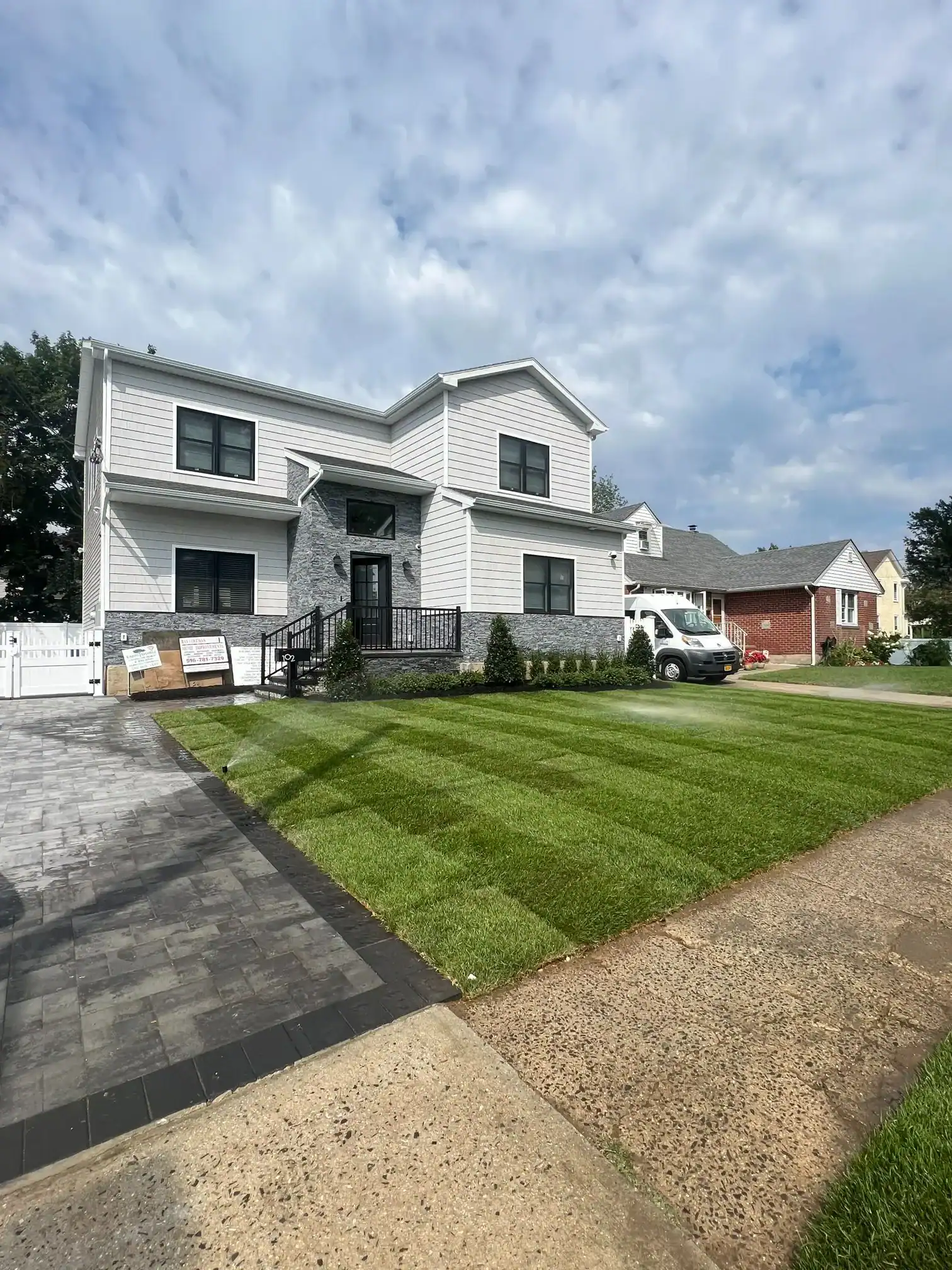
This question cuts through a lot of noise. Ask specifically: will you answer calls and texts during the project? What’s the best way to reach you if something comes up? What happens if there’s an issue after hours?
That last part is worth taking seriously on Long Island. Winters here are cold enough that frozen pipes aren’t a rare emergency — they’re something homeowners in Nassau County deal with. A contractor who works on your home and can’t be reached when something goes wrong at 11 PM is a contractor who’s leaving you exposed. That’s not an unreasonable standard to set. It’s just one that most contractors don’t meet.
Ask about daily communication too. Will you get updates on progress? If the crew runs into something unexpected inside the walls — and in a 70-year-old home, they often do — how will that be communicated to you, and how quickly? Homeowners who commute into the city often aren’t home during work hours. A contractor who sends a photo update or a quick text when something changes isn’t just being courteous — they’re managing the project in a way that keeps you informed and in control.
Ask who will be on the job site each day. Will it be the same crew throughout the project, or does that change? Is the owner present on site, or are they managing from somewhere else? These questions matter for accountability. If something is done incorrectly and the owner was never there to see it, you’re starting a conversation about rework with someone who’s working off secondhand information.
The cleanliness of the job site is another question worth raising directly. For most Nassau County homeowners, a renovation isn’t happening in a vacant house — you’re living there. Ask whether the crew cleans up before leaving each day. Ask what happens to debris. It sounds like a minor thing until you’ve spent three weeks navigating through someone else’s mess in your own kitchen.
Cost transparency is where a lot of contractor relationships go sideways, and it’s almost always because this conversation didn’t happen clearly upfront. Ask directly: what’s included in this estimate, and what would cause the price to change?
Change orders — written amendments to the original contract when the scope changes — are standard in renovation work. The problem isn’t that they exist; it’s when they show up as surprises. Some contractors deliberately bid low to win the job, knowing the price will climb once work is underway. By the time you realize what’s happening, the walls are open and you don’t have great options.
A contractor worth hiring will be able to explain what’s in the estimate and what’s not. They’ll tell you what conditions might lead to additional costs — say, discovering outdated wiring in a Nassau County home that hasn’t been touched since the 1960s — and they’ll communicate those findings before proceeding, not after. Ask specifically: if you find something unexpected once work starts, what’s your process for letting me know and getting approval before the cost changes?
Also ask about the payment schedule. A legitimate contractor doesn’t ask for full payment upfront. A reasonable structure ties disbursements to project milestones — a portion at signing, a portion when certain phases are complete, and the remainder at final walkthrough. If someone is asking for a large lump sum before a single nail is driven, that’s a red flag the Nassau County Office of Consumer Affairs has specifically warned homeowners about.
With Nassau County home values sitting in the $710,000 range and large-scale renovations running into the tens or hundreds of thousands of dollars, the financial stakes of a bad contractor relationship are real. The questions that feel awkward to ask upfront are almost always the ones that would have saved the most grief later.
The goal of all of this isn’t to make hiring a contractor feel like a legal deposition. It’s to give you enough information to make a confident decision — and to filter out the contractors who can’t hold up under reasonable scrutiny.
The right contractor will answer these questions without hesitation. They’ll have their license number ready, hand you an insurance certificate, give you references from recent Nassau County projects, and tell you clearly how they communicate and how they handle the unexpected. If the answers feel evasive or the contractor seems put off by being asked, you already have your answer.
If you’re planning a kitchen remodel, bathroom renovation, dormer addition, extension, or any large-scale project in Nassau County, we’re happy to walk through every one of these questions with you — and answer them directly. Reach out to schedule an estimate with Ray Coleman Home Improvement.
Summary:
Share: