Multi-generational living is reshaping Nassau County homes. Explore the top design trends—from private entrance suites to universal design—that make whole house renovations work for every generation under one roof.

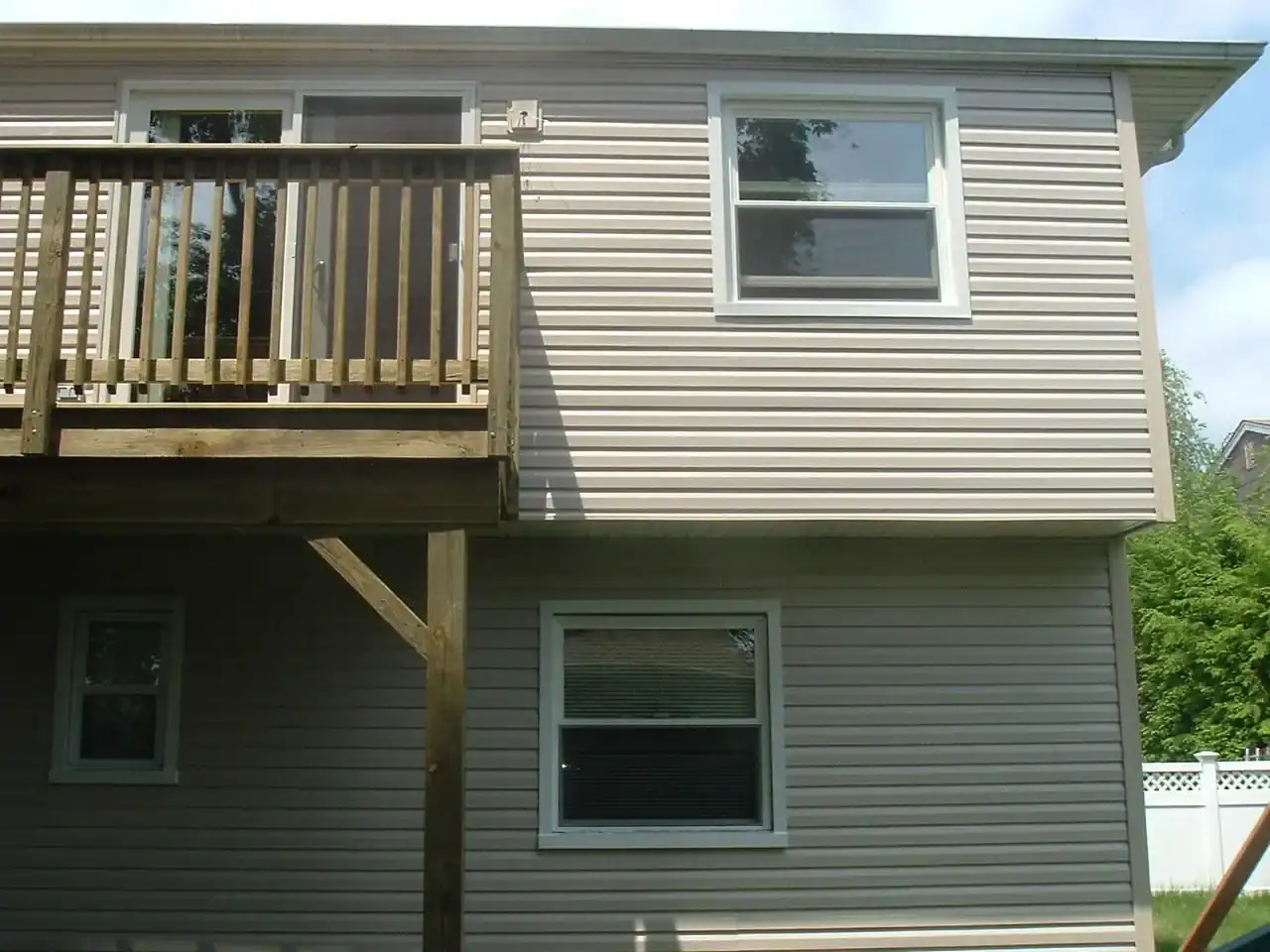
ADUs aren’t just backyard cottages anymore. They’re showing up in basements, over garages, and as thoughtfully designed additions that give families real options. Whether it’s a private suite for aging parents or a rental opportunity when your kids move out, an ADU adds flexibility without adding square footage to your main living area.
The beauty of an ADU is independence. Separate entrance. Small kitchenette. Private bathroom. Your parents can come and go without feeling like they’re disrupting your routine, and you’re not tiptoeing around their schedule either. It’s the balance everyone talks about but few homes actually deliver.
Nassau County zoning can be tricky, and regulations vary by town. Some areas welcome ADUs with open arms. Others have size restrictions, setback requirements, or owner-occupancy rules you need to navigate. That’s where working with someone who knows the local landscape matters.

Start by asking what you actually need. Is this space for an elderly parent who needs accessibility features? A boomerang kid who’ll eventually move out? Or are you thinking ahead to rental income down the line?
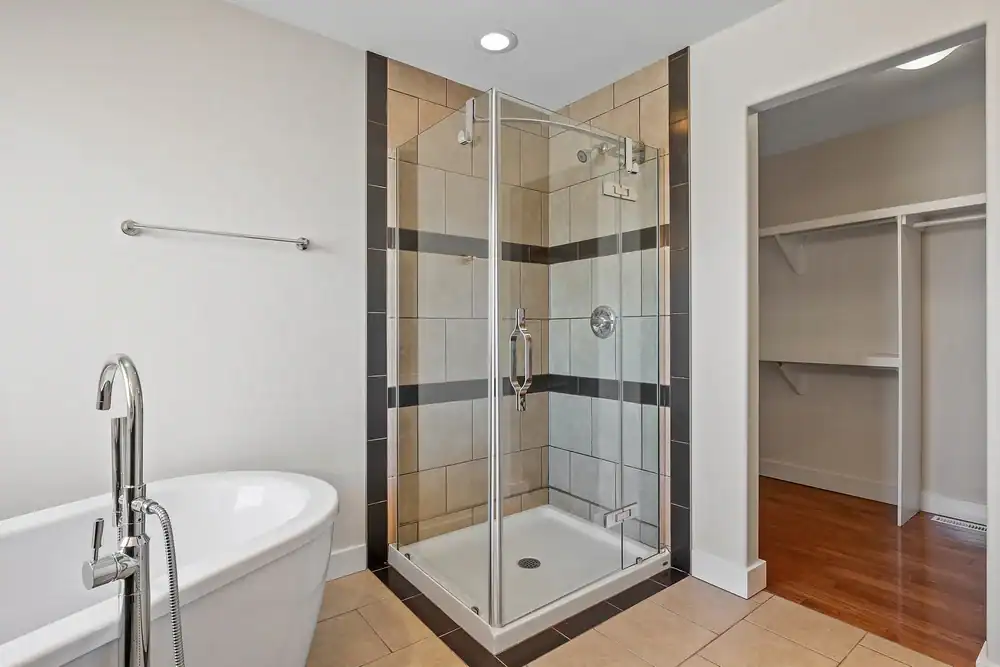
If aging in place is the goal, think universal design from day one. Wider doorways. Zero-threshold showers. Lever-style door handles. These aren’t medical modifications—they’re smart choices that make life easier for anyone, at any age. You won’t regret building them in now rather than retrofitting later.
Location matters too. A basement ADU might offer privacy but could pose challenges for someone with mobility issues. A first-floor addition with a separate entrance gives independence without stairs. An above-garage unit works well for younger family members but might not suit someone who struggles with steps.
Don’t forget the practical stuff. Parking. Laundry access. Natural light. Storage. These details sound small until they’re missing. And if you’re thinking this might become a rental someday, consider what a tenant would want—not just what works for family right now.
Size limitations vary across Nassau County, but most ADUs fall between 400 and 800 square feet. That’s enough for a bedroom, bathroom, small living area, and kitchenette. It’s cozy, but if it’s designed well, it doesn’t feel cramped. Built-in storage, high ceilings, and good light go a long way.
One more thing: think about how the ADU connects to your main house. Do you want an interior door for easy access? Or do you want it completely separate? There’s no right answer, but it’s worth deciding before construction starts. Some families want the option of both—a lockable interior door that can stay closed or open depending on who’s living there.
Here’s the frustrating part: New York doesn’t have one set of ADU rules. Every town makes its own decisions. What’s allowed in one part of Nassau County might not fly three miles down the road.
Some municipalities require owner occupancy—meaning you have to live in either the main house or the ADU. Others have minimum lot sizes. Some cap the square footage or require special use permits. A few areas don’t allow detached ADUs at all but will approve basement or attached units.
Before you get too far into planning, check with your local building department. Not the county—your specific town or village. And don’t just look at what’s written in the code. Ask what’s actually being approved. Sometimes there’s a gap between what the rules say and what’s happening in practice.
Permits are another piece of the puzzle. Even if ADUs are allowed, you’ll likely need building permits, possibly electrical and plumbing permits, and in some cases, a certificate of occupancy before anyone can move in. If you’re converting existing space—like a garage or basement—you might face additional requirements around egress windows, ceiling height, or ventilation.
Setback requirements can also limit where you can build. If your lot is small or oddly shaped, a detached ADU might not be feasible even if the town allows them. That’s when attached units or interior conversions become the better option.
And here’s something people don’t always think about: septic and utilities. If your home is on a septic system, adding an ADU means adding capacity. That can get expensive fast, and in some cases, your existing system might not support it without a full upgrade. Same goes for electrical service—older homes might need a panel upgrade to handle the additional load.
Working with a contractor who’s done this before in your area saves time and headaches. We know which towns are ADU-friendly, what the inspectors are looking for, and how to design around the limitations without compromising what you actually need.
Want live answers?
Connect with a Ray Coleman expert for fast, friendly support.
Let’s be honest: noise is one of the biggest complaints in multi-generational homes. Your teenager’s music. Your dad’s early morning routine. The TV in the basement. Footsteps overhead. It all adds up, and it wears people down.
Soundproofing isn’t about making your home silent. It’s about giving everyone enough acoustic privacy that they’re not constantly aware of each other. That makes a bigger difference in day-to-day life than almost any other design choice.
The good news? If you’re doing a whole house renovation, soundproofing is easier and more affordable to build in from the start. The bad news? It’s expensive and disruptive to add later. So if you’re opening up walls and ceilings anyway, now’s the time.
There are two types of noise to worry about: airborne sound (voices, TV, music) and impact sound (footsteps, dropped objects, furniture moving). Most people focus on airborne noise and forget about impact noise until it’s too late.
For airborne sound, you need mass and separation. That means thicker drywall, insulation in the floor-ceiling cavity, and resilient channels that decouple the drywall from the studs or joists. Resilient channels are metal strips that absorb vibration instead of transmitting it directly through the structure. They’re not expensive, but they make a noticeable difference.
Insulation helps too, but not all insulation is created equal. Fiberglass batts are okay. Rockwool or recycled denim is better. The denser the material, the more sound it absorbs. If you’re renovating and the ceiling or floor is open, fill those cavities with something that actually does the job.
Impact noise is trickier because it travels through the structure itself. Footsteps on a hardwood floor upstairs turn into drumbeats in the room below. The solution? Underlayment. Acoustic underlayment goes between the subfloor and your finished flooring—whether that’s hardwood, tile, or luxury vinyl. It dampens vibration before it reaches the joists.
Floating floors help too. Instead of nailing the flooring directly to the subfloor, you install it over a cushioned layer that breaks the direct connection. It’s a small change in the installation process but a big change in how much noise transfers between levels.
Doors matter more than you’d think. Hollow-core doors do almost nothing to block sound. Solid-core doors are heavier, denser, and far more effective. Add weatherstripping around the frame and a door sweep at the bottom, and you’ve got a real barrier instead of a decorative placeholder.
Don’t forget about the little stuff. Electrical outlets, HVAC vents, and recessed lighting create holes in your sound barrier. Seal around them with acoustic caulk. Use insulated covers on outlets in shared walls. If you’re installing recessed lights, avoid placing them back-to-back on either side of a floor or ceiling.
One last thing: plumbing noise. If your multi-generational renovation includes a new bathroom above a bedroom or living area, insulate the plumbing. Wrap drain pipes with acoustic insulation or enclose them in a sound-dampened chase. Otherwise, every flush and every shower becomes an announcement to the room below.
You don’t need to soundproof every wall and ceiling in your house. That’s overkill, and it’s expensive. Focus on the spaces where noise causes the most friction.
Bedrooms are the top priority. If your parents’ bedroom is directly above your kids’ playroom, someone’s going to lose sleep. If your bedroom shares a wall with your adult son’s home office, every Zoom call becomes your business. Soundproofing between bedrooms and between bedrooms and high-activity spaces makes the biggest quality-of-life difference.
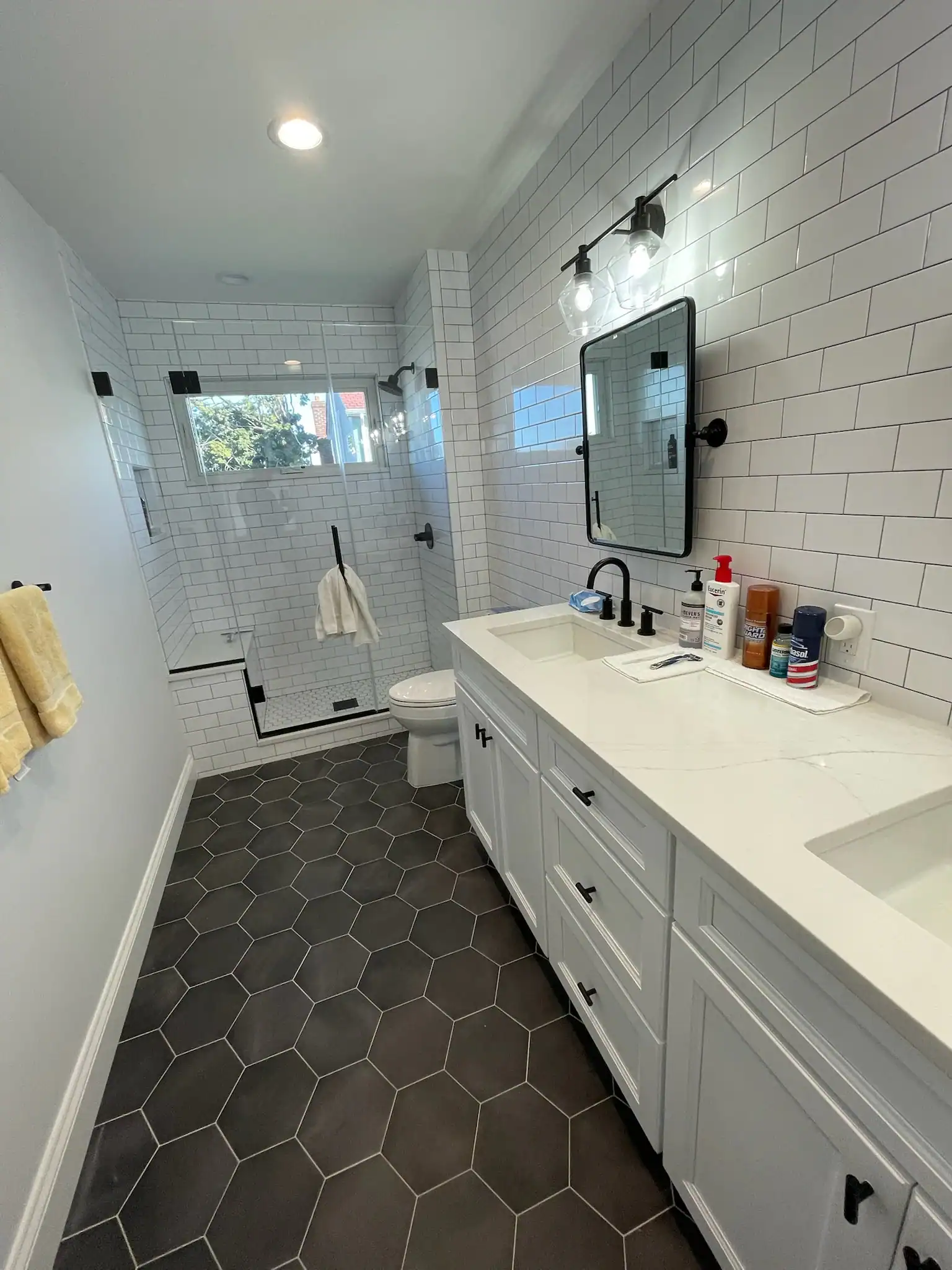
Bathrooms are next. Plumbing noise travels, and nobody wants to hear every detail of someone else’s morning routine. If you’re adding a bathroom as part of your renovation—especially in a basement suite or above a main living area—build in soundproofing from the start.
Home offices and study spaces need quiet. If someone’s working from home or kids are doing virtual school, background noise isn’t just annoying—it’s disruptive. A little extra insulation in the walls and a solid-core door can turn a so-so office into a functional workspace.
Shared living areas like kitchens and family rooms are naturally loud, and that’s okay. But if your kitchen is directly below a bedroom, consider soundproofing the floor-ceiling assembly. Same goes for media rooms or basements that double as rec spaces. You want people to be able to relax and make noise without feeling guilty about it.
Stairwells are often overlooked, but they act like echo chambers. Sound bounces up and down, amplifying noise between floors. Adding carpet or a runner helps. So does drywall on the underside of the stairs if they’re open to a room below.
Here’s a practical test: walk through your home and think about who’s doing what, where, and when. If your dad’s an early riser and his bedroom is above your teenager’s room, that’s a conflict waiting to happen. If your toddler’s playroom is next to your mother-in-law’s quiet reading nook, someone’s going to be frustrated. Soundproofing won’t fix bad layout decisions, but it can make good layouts work even better.
Multi-generational living isn’t a compromise. It’s a choice more families are making because it offers financial relief, built-in support, and the chance to keep the people you care about close. But it only works if your home is designed for it.
ADUs, soundproofing, private entrance suites, universal design, and smart shared living layouts—these aren’t luxuries. They’re the features that make the difference between a house that feels crowded and a home that actually functions for everyone under the roof.
If you’re thinking about a whole house renovation in Nassau County, start with what your family needs now and where you’ll be in ten years. The right design doesn’t just solve today’s problems—it grows with you. We’ve been helping Nassau County families transform their homes for decades, bringing the experience and local knowledge that makes complex renovations feel manageable.
Summary:
Share: