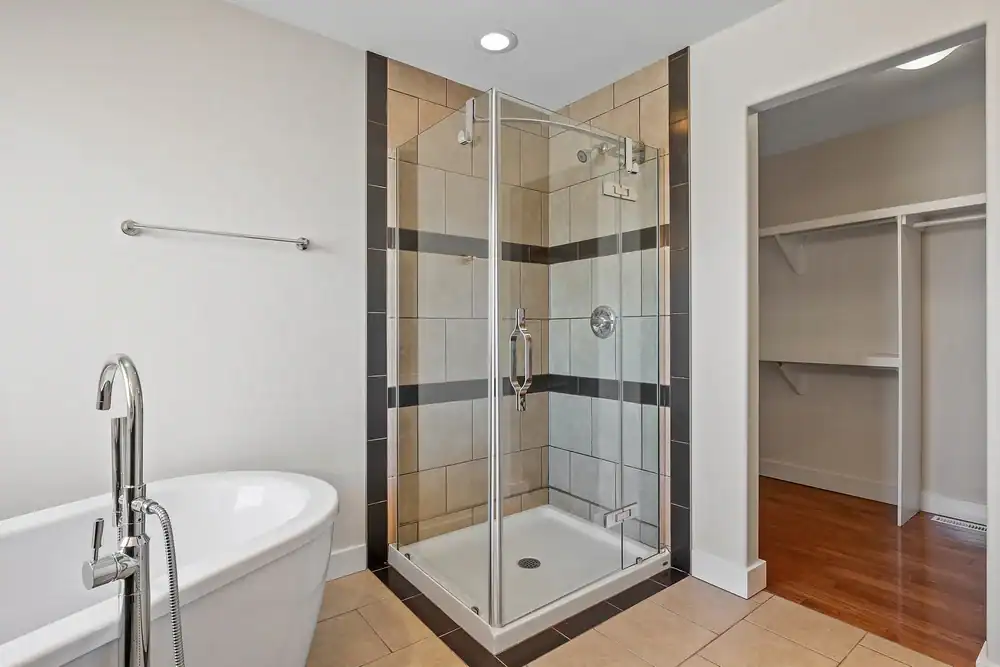
Everything Nassau County homeowners need to know before starting a bathroom remodel—from permit requirements to choosing the right contractor for your project.
You’ve probably already called a few bathroom remodeling contractors. Maybe one called back. Another gave you a vague timeline and hasn’t returned your texts. The third one showed up late, glanced around your bathroom for five minutes, and promised to send an estimate you’re still waiting for two weeks later.
This is the reality of hiring contractors on Long Island, and it’s exactly why so many bathroom renovations get delayed, go over budget, or never start at all. But here’s what most homeowners don’t realize until they’re already frustrated: the planning phase determines whether your bathroom remodel becomes a success story or a cautionary tale. Let’s start with what actually matters when you’re planning a bathroom renovation in Nassau County.
The first question most homeowners ask is “how much will this cost?” The answer depends on what you’re actually changing. A full bathroom renovation in Nassau County typically runs around $18,500 on average, but that number doesn’t tell the whole story.
If you’re keeping the existing layout and just updating fixtures, tile, and finishes, you might spend $15,000 to $25,000. Move plumbing lines, relocate the shower, or expand the space, and you’re looking at $30,000 to $50,000 or more. The difference comes down to how much structural work and how many systems you’re touching.
Here’s what drives bathroom remodel costs in Nassau County. Labor makes up 40 to 60 percent of your total budget—skilled plumbers, electricians, and tile installers who understand local codes and do quality work cost more than handymen, but they’re worth it. Materials vary widely depending on what you select, from basic porcelain tile at $8 per square foot to custom marble that can run significantly higher. Permits typically cost $300 to $800 for bathroom renovations and take two to four weeks to get approved. And if you’re working on an older Nassau County home, budget an extra 10 to 15 percent for surprises once walls are opened—outdated wiring, corroded plumbing, or structural issues that weren’t visible before demolition.
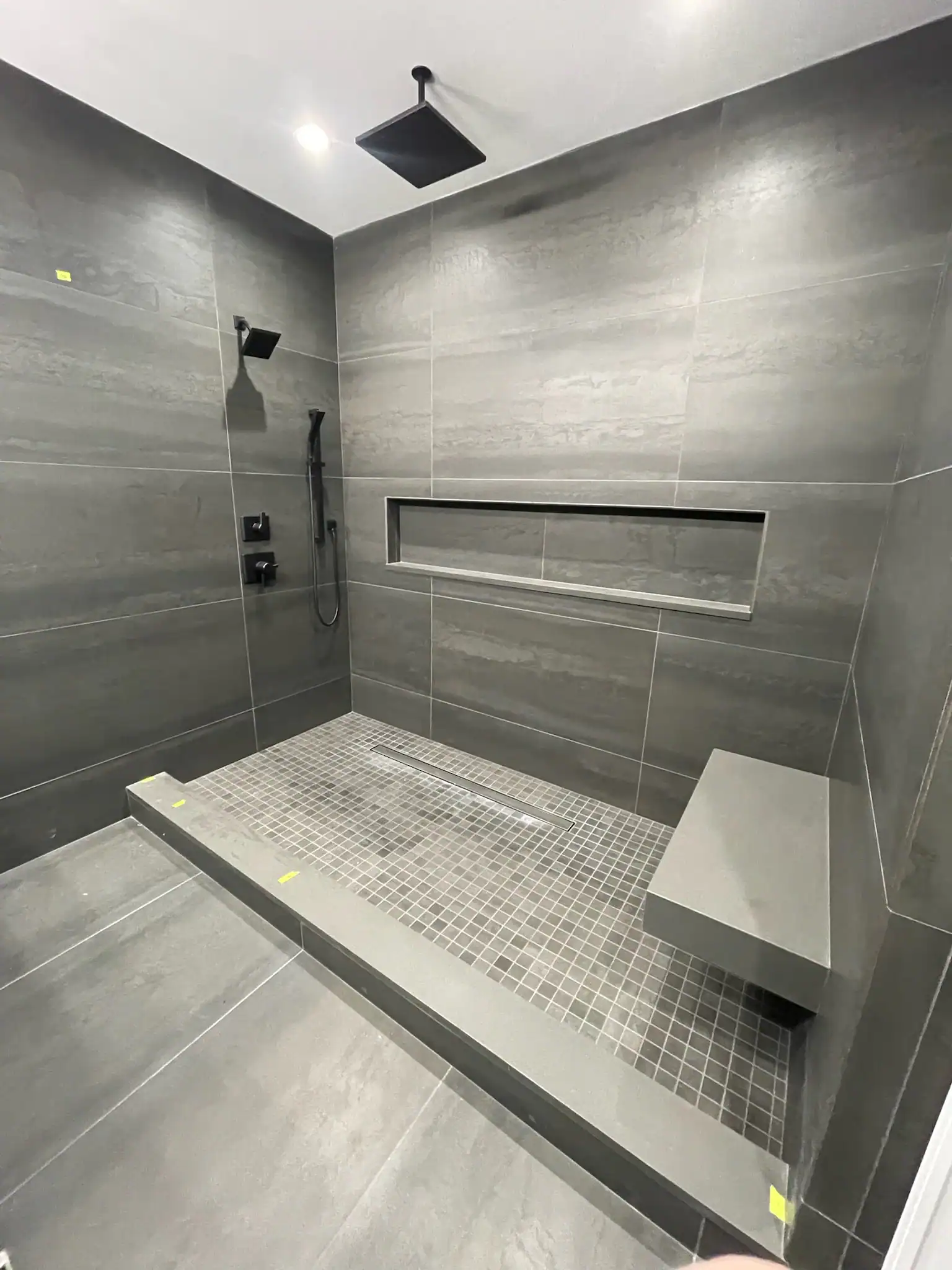
Small bathrooms—powder rooms or half baths around 20 to 40 square feet—typically cost $8,000 to $18,000 for a full renovation. You’re working with less square footage, fewer fixtures, and simpler layouts. A standard 5×7 bathroom falls into this range. Even though the space is smaller, you’re still paying for skilled labor, quality materials, and proper installation. Cutting corners here usually means problems later.
Full bathrooms with a tub or shower, toilet, and vanity generally run $15,000 to $30,000 depending on finishes and whether you’re moving plumbing. The average full bathroom in Nassau County is about 40 square feet, and at roughly $370 per square foot, you’re looking at $14,800 as a baseline. That assumes you’re keeping the existing layout and not doing major structural work.
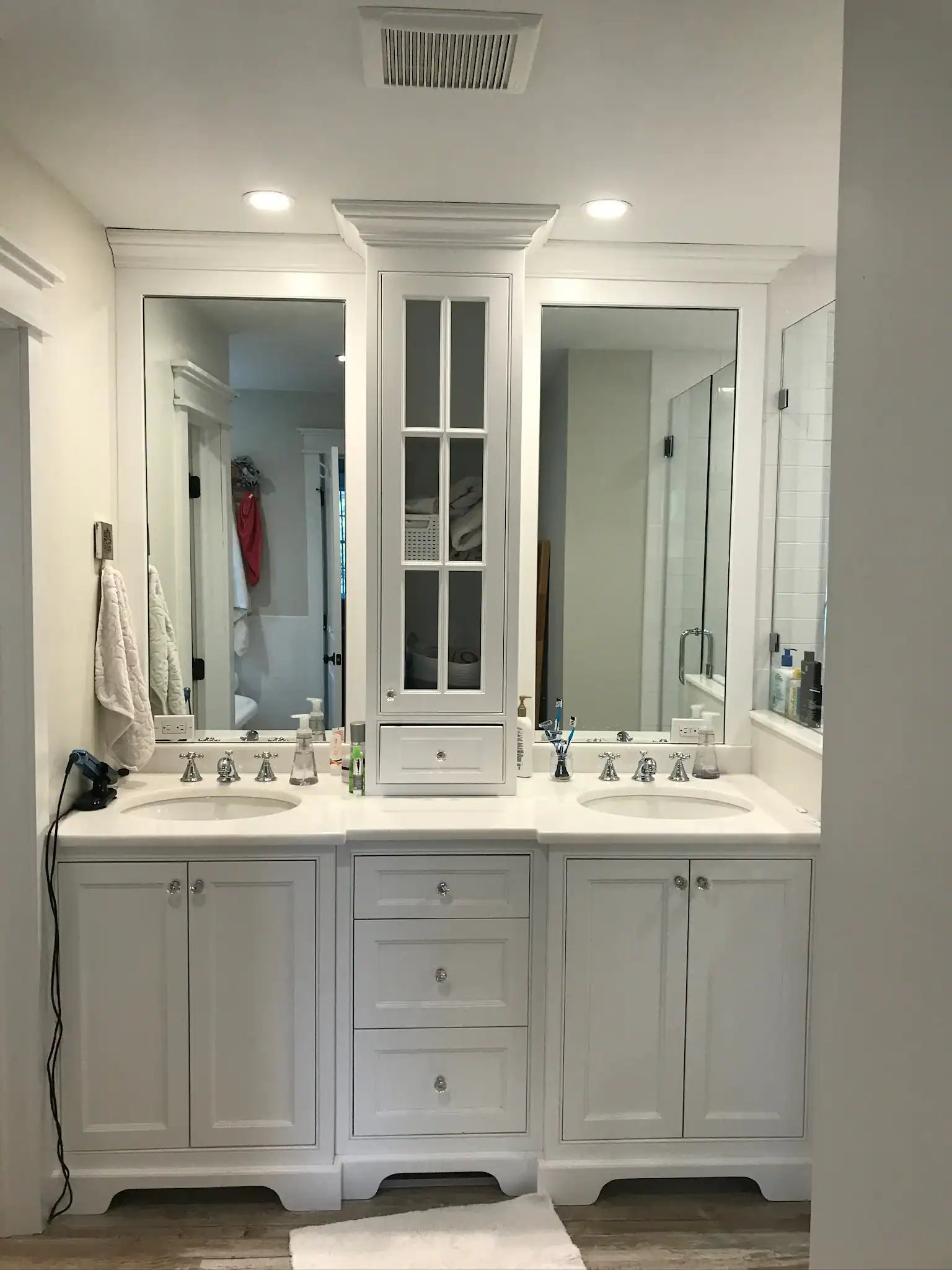
Primary bathrooms cost more because they’re larger and homeowners typically want higher-end finishes. Double vanities, separate shower and tub, better tile work, upgraded lighting—these add up. Expect $25,000 to $50,000 for a comprehensive primary bathroom renovation. If you’re adding square footage, moving walls, or installing luxury features like heated floors or a steam shower, costs climb from there.
The price to redo a bathroom also depends on what you’re starting with. Homes built in the 1940s through 1960s—common in Nassau County—often need electrical upgrades to handle modern lighting and outlets, plumbing that meets current code, and better insulation. These aren’t optional if you want the work done right. They’re part of bringing an old bathroom up to current standards so it functions properly and passes inspection.
Here’s what homeowners often forget to budget for: demolition and disposal, which can run $1,000 to $2,500 depending on what’s being removed. Drywall repair and painting after everything’s installed. New ventilation if your current fan doesn’t meet code. Waterproofing membranes behind tile in shower areas—critical in Nassau County’s humid climate to prevent mold and water damage. And the time you’ll spend without a functioning bathroom, which might mean eating out more or making other arrangements if it’s your only bathroom.
The bathroom makeover cost increases when you start customizing. Custom vanities, specialty tile patterns, high-end fixtures, and built-in storage all add to the bottom line. There’s nothing wrong with upgrading if it fits your budget and you’ll use those features. Just know upfront what you’re paying for and why.
A budget bathroom renovation in Nassau County is possible if you make smart choices about where to spend and where to save. The key is understanding which elements affect long-term function and which are purely aesthetic.
You can save money by keeping the existing layout. Moving plumbing and electrical adds thousands to your budget because you’re paying for labor to reroute lines, additional materials, and potentially more complex permit requirements. If your current layout works reasonably well, work within it. You can still update every surface and fixture without relocating anything.
Choose mid-range materials instead of luxury finishes. Porcelain tile looks great, performs well, and costs significantly less than natural stone. A quality prefabricated vanity from a reputable manufacturer will serve you just as well as a custom piece for a fraction of the cost. Standard chrome or brushed nickel fixtures are durable and widely available at reasonable prices. You’re not sacrificing quality—you’re just not paying for premium branding or exotic materials.
Do some of the demo work yourself if you’re capable and your contractor allows it. Removing old fixtures, tearing out tile, and clearing the space can save on labor costs. Just understand your limits. Don’t touch plumbing, electrical, or anything structural. Those require licensed professionals, and mistakes cost more to fix than you’d save doing it yourself.
Here’s where you can’t save money without creating problems. Don’t skimp on waterproofing. Proper membranes and moisture barriers behind tile prevent water damage, mold, and rot. Cutting corners here leads to expensive repairs down the road. Don’t cheap out on the contractor. Licensed, insured professionals with good reputations cost more than unlicensed handymen, but they do the work correctly, pull proper permits, and stand behind their work. And don’t skip permits to save a few hundred dollars. If something goes wrong or you sell your home, unpermitted work creates legal and financial headaches that dwarf what you’d have spent doing it right.
An affordable bathroom remodel means being strategic, not reckless. Set a realistic budget based on what you actually need to accomplish. Get multiple quotes from licensed contractors so you understand what the work should cost. Prioritize function and durability over trendy finishes that might not age well. And keep a contingency fund for unexpected issues—10 to 15 percent of your total budget gives you breathing room when surprises come up.
The cheapest bathroom remodel isn’t always the best value. A low-cost bathroom remodel that uses inferior materials, unlicensed labor, or skips necessary steps will cost you more in the long run through repairs, replacements, and potential code violations. Invest in quality work the first time, and your bathroom will function properly for years without constant maintenance and fixes.
Want live answers?
Connect with a Ray Coleman expert for fast, friendly support.
Every bathroom remodeling project in Nassau County requires permits. Not just major renovations—all of them. This isn’t bureaucratic red tape. It’s how Nassau County ensures your renovation meets safety standards, follows building codes, and doesn’t create hazards or code violations that affect your home’s value and your family’s safety.
The permit process covers plumbing work, electrical changes, structural modifications, and ventilation requirements. Even if you’re just replacing a vanity and toilet, if you’re touching plumbing or electrical, you need permits. Failure to obtain proper permits results in fines, legal action, and serious complications when you try to sell your home. In 2018, a Nassau County homeowner completed bathroom renovations without permits, got reported by a neighbor, and faced $5,000 in fines plus the requirement to undo all the work.
Working with a contractor who understands Nassau County’s specific permit requirements saves you from these problems. We know what documentation is needed, how long approvals take, and what inspections are required at each phase. We handle the paperwork, coordinate with building departments, and make sure everything is done to code so you pass inspection without delays or corrections.
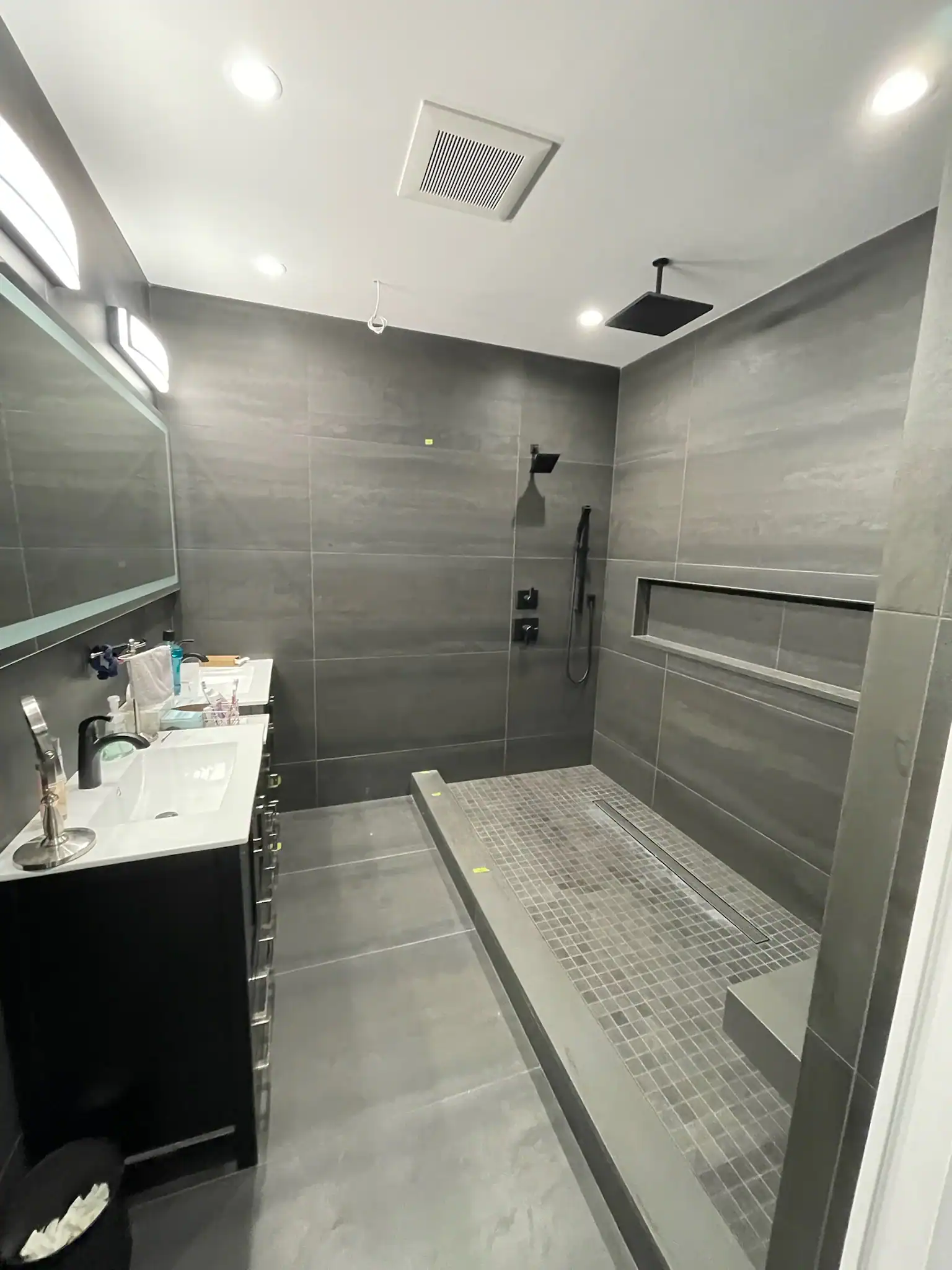
A general contractor bathroom remodel involves coordinating multiple trades—plumbers, electricians, tile installers, carpenters—and ensuring each phase of work meets code before moving to the next step. Permits ensure this happens in the right order with proper inspections along the way.
Here’s how the permit process actually works in Nassau County. Your contractor submits plans and applications to the local building department, including details about what’s being changed, materials being used, and how the work will meet current codes. The building department reviews the plans, which typically takes two to four weeks for standard bathroom renovations. More complex projects involving structural changes or major system upgrades take longer.
Once permits are approved, work can begin. But here’s what many homeowners don’t realize: inspections happen at specific milestones, and you can’t proceed to the next phase until the previous work is signed off. If you’re moving plumbing lines, the plumbing inspector must approve that work before walls can be closed up. Electrical work gets inspected before insulation and drywall go in. Final inspection happens after everything is complete to verify the finished bathroom meets all code requirements.
Bathroom general contractor services include managing this entire process. We schedule inspections at the right times, make sure work is ready for inspector review, and handle any corrections or adjustments needed to pass. You’re not dealing with building departments, tracking inspection schedules, or figuring out what needs to happen when. We handle it as part of the project.
Permit costs for bathroom renovations in Nassau County typically run $300 to $800 depending on the scope of work. That covers plan review, inspections, and administrative costs. It’s a small percentage of your total budget, and it’s not optional. Permits protect you legally, ensure your renovation is done safely, and prevent problems when you sell your home or file insurance claims.
Some contractors suggest skipping permits to save money or speed up the project. This is a red flag. Licensed, reputable contractors pull permits because we understand the consequences of not doing so. Unpermitted work can result in fines, forced removal of improvements, insurance claim denials, and complications during home sales. Buyers’ attorneys and home inspectors look for permits on renovations, and unpermitted work either kills deals or forces price reductions to account for the risk.
Finding bathroom remodeling contractors in Nassau County isn’t hard—they’re everywhere. Finding good ones who are actually licensed, insured, and competent is significantly harder. The Long Island market is extremely competitive, which means you’ve got plenty of options but also plenty of unlicensed operators, fly-by-night companies, and contractors who overpromise and underdeliver.
Home improvement contractors must be licensed in Nassau County. This isn’t a suggestion—it’s a legal requirement. Licensed contractors have met specific standards, carry proper insurance, and can be held accountable if something goes wrong. Unlicensed contractors operate illegally, don’t carry insurance, and often disappear when problems arise or projects aren’t finished.
Here’s how you verify a contractor’s license in Nassau County. The Nassau County Department of Consumer Affairs maintains a searchable database of licensed contractors. You can look up contractors by name or business name to confirm their license is current and see if there are any complaint filings against them. This takes five minutes and tells you immediately whether the contractor you’re considering is legitimate.
Don’t just ask to see a license. Anyone can show you a piece of paper or a photo. Verify it yourself through the county database. Check that the license matches the business name being operated under, confirm the license is current and not expired, and see if there’s a history of complaints or violations. This is basic due diligence that protects you from hiring scammers or incompetent contractors.
What separates the best bathroom remodel companies from mediocre ones? It’s not fancy showrooms or slick marketing. It’s how we communicate, whether we show up when we say we will, and if we stand behind our work. The best contractors answer their phones, respond to texts promptly, provide clear timelines and budgets, keep job sites clean, and handle problems immediately instead of three days later after you’ve called five times.
Ask how long a contractor has been in business. Longevity matters. Contractors who’ve been around for decades are doing something right—delivering quality work, treating customers fairly, and building reputations that generate referrals. Ask what percentage of their business comes from referrals. If it’s more than half, that tells you previous customers were satisfied enough to recommend them to friends and neighbors.
Check references, but don’t just call the three names they give you. Search online for reviews, check the Better Business Bureau for complaints, and ask around in your neighborhood. If they’ve worked in your area before, someone knows them. Long Island is a tight-knit community, and word travels fast about contractors who do good work and ones who don’t.
Labor cost to remodel a bathroom includes not just the hours spent on your project but the skill level and experience of the people doing the work. Licensed professionals cost more than unlicensed handymen, but they know what they’re doing, follow codes, and deliver results that last. Cheap labor often means inexperienced workers, shortcuts, and problems that emerge after they’re gone.
Insurance matters as much as licensing. Contractors should carry general liability insurance and workers’ compensation coverage. Liability insurance protects you if they damage your property. Workers’ comp protects you if someone gets injured on your property during the project. Ask for proof of insurance and verify it’s current—don’t just take their word for it.
A one day bath remodel sounds appealing—minimal disruption, quick turnaround, and your bathroom is functional again by tomorrow. These services typically involve installing prefabricated tub or shower liners, new wall surrounds, and updated fixtures without changing the underlying structure or layout. They work well for cosmetic updates when your plumbing, electrical, and structure are in good shape.
But here’s what a quick bathroom remodel doesn’t address: outdated plumbing that’s corroding, electrical that doesn’t meet current code, poor layout that wastes space, inadequate ventilation that’s causing mold, or structural issues hiding behind walls. If your bathroom needs more than a facelift, a full renovation is the right approach.
A full bathroom renovation means gutting the space down to studs, updating all systems to current code, addressing any structural issues, and rebuilding everything properly. It takes longer—typically two to four weeks for a standard bathroom—but you end up with a bathroom that functions correctly, meets code, and won’t need major work again for decades.
Summary:
Share: