Discover Nassau County's top home improvement stores, from big box retailers to professional building supply stores where contractors source quality materials.
You’re standing in the aisle of a big box store, staring at two faucets that look identical. One costs $89, the other $240. Same brand. Similar finish. So what’s the difference?
That question matters more than you think. Where you buy materials for your Nassau County renovation affects everything from how long your fixtures last to whether your contractor can get warranty support when something goes wrong. The home improvement stores you choose shape your project’s outcome, timeline, and long-term value.
This guide breaks down Nassau County’s best home improvement stores—big box retailers, professional building supply stores, and specialty suppliers—so you can source materials that actually match your project’s needs.
Nassau County offers dozens of places to buy building materials, but they’re not all serving the same purpose. The landscape divides into three main categories: big box chains like Home Depot and Lowe’s that prioritize convenience and selection, professional building supply stores that cater to contractors, and specialty retailers focused on specific materials like masonry or lumber.
Home Depot operates multiple locations across Nassau County, including stores in East Meadow, Elmont, Farmingdale, Freeport, Hempstead, and Jericho. You’ll find wide aisles, extended hours, and thousands of SKUs covering everything from light bulbs to lumber. Lowe’s maintains a similar presence with locations in Farmingdale, Garden City, Hicksville, and Woodmere.
These big box stores excel at accessibility. Need a replacement part at 8 PM on a Saturday? They’re open. Looking to browse dozens of paint colors in person? They’ve got full displays. For homeowners tackling weekend projects or picking up last-minute supplies, that convenience matters. But convenience comes with tradeoffs that become apparent once you start comparing product quality and professional-grade alternatives.
Walk into a professional building supply store and you’ll notice the difference immediately. Fewer decorative displays. More pallets of materials. Staff who speak in specifications rather than sales pitches. These aren’t retail showrooms designed for browsing—they’re working supply yards built for contractors who need specific products delivered to job sites on schedule.
Sorenson Lumber in Glen Cove has been supplying Nassau County contractors since 1972, the same year we started our business. They stock professional-grade lumber, millwork, hardware, and building materials that meet commercial specifications. Contractors don’t shop here for convenience—we shop here for consistency. When you’re framing a house or installing custom millwork, material quality and precision matter more than parking lot size.
Other professional suppliers like Riverhead Building Supply, U.S. Lumber & Supply, and Whitbread’s Sons Lumber in Oceanside serve similar roles. They maintain deep inventory of trade-specific products, offer contractor pricing programs, and provide services like job site delivery, material takeoffs, and technical support that big box stores simply can’t match at scale.
The quality difference isn’t just marketing. Many products sold at big box stores are manufactured specifically for those retailers at different specifications than professional-grade equivalents. Manufacturers create distinct SKUs for each channel. A faucet at Home Depot might share the same brand and similar appearance as one from a professional supply house, but internal components often differ. Box store versions frequently use plastic parts where professional versions use brass or ceramic. Warranty terms vary. Even the thickness of materials like stainless steel sinks can differ between channels.
This matters when you’re investing tens of thousands in a renovation. A shower valve with plastic internal components might save you $50 upfront, but if it fails in three years, you’re paying a plumber to open your wall and replace it. Professional-grade products cost more initially because they’re built for longevity and backed by full manufacturer warranties rather than store-specific coverage.
We know this from five decades of experience, which is why we maintain relationships with professional suppliers. When we tell you we’re sourcing materials from our supplier rather than letting you buy from Home Depot, we’re not trying to inflate costs—we’re protecting the project’s long-term performance and our own warranty obligations.
Beyond general suppliers, Nassau County hosts specialty stores focused on specific material categories. These retailers serve both homeowners and contractors who need deeper selection or expertise in particular areas.
Valley Supply in Valley Stream has operated as a masonry supply store for more than 60 years, stocking bricks, stones, pavers, concrete, cement, sand, and mason’s tools. Their 20,000 square foot facility carries brands like Cambridge Pavers, Belden Brick, Dutch Quality Stone, and Eldorado Stone. If you’re planning hardscaping, patios, walkways, or any project involving masonry, specialty suppliers like Valley offer selection and expertise that general retailers can’t provide. Staff can calculate quantities, recommend appropriate materials for specific applications, and arrange delivery of heavy, bulky products.
Allied Builders Supply, founded in 1948, serves contractors and homeowners with masonry, concrete, and building accessories. Lake Landscape and Mason Supplies specializes in landscaping materials and masonry supplies with same-day delivery options. These focused suppliers maintain relationships with specific manufacturers, carry complete product lines rather than just popular items, and employ staff with deep technical knowledge.
For lumber and millwork, stores like Contractor Express (operating since 1981) and Century Building Materials (50+ years in the Long Island region) provide everything from structural lumber to custom millwork, windows, doors, siding, and roofing. Their showrooms display working examples rather than just catalogs, helping you see and touch materials before committing.
The advantage of specialty suppliers becomes clear when you’re making decisions that affect your project’s appearance and performance. Choosing pavers for a driveway isn’t just about color—it’s about understanding freeze-thaw resistance, slip ratings, and installation methods for Long Island’s climate. A specialty supplier can guide those decisions based on decades of local experience. A big box employee might point you to the paver aisle and wish you luck.
Whether you need professional-grade materials, specialty products, or just want to understand your options before hiring a contractor, knowing Nassau County’s building supply landscape helps you make informed decisions. The best home improvement stores for your project depend on what you’re building, who’s doing the work, and how long you need it to last.
Want live answers?
Connect with a Ray Coleman expert for fast, friendly support.
Building supply stores operate differently than retail home improvement centers. They’re structured around contractor needs—bulk ordering, job site delivery, account management, and consistent access to professional-grade materials. Understanding how these suppliers work helps you evaluate whether your contractor is sourcing appropriate materials and why professional-grade products cost more than consumer alternatives.
Professional building supply stores maintain contractor account programs that streamline ordering and provide volume pricing. We establish credit accounts, place orders by phone or online, and schedule deliveries timed to project phases. This system keeps job sites moving without requiring us to make multiple retail runs for materials. When we say we’re “ordering from our supplier,” this is the infrastructure we’re using.
The service model extends beyond just selling products. Many professional suppliers offer material takeoffs, where experienced staff review project plans and calculate exact quantities needed. This reduces waste and prevents the costly delays that happen when you run short of critical materials mid-project. They provide job site delivery with boom trucks and forklifts, placing heavy materials exactly where we need them rather than dumping everything curbside.
The fundamental difference between professional building supply stores and big box retailers comes down to who they’re serving and how they define success. Big box stores optimize for retail traffic and broad appeal. Professional suppliers optimize for contractor relationships and project outcomes.
Product selection reflects this difference. A big box store might stock five types of framing lumber in standard lengths. A professional supplier carries dozens of lumber grades, specialty cuts, engineered wood products, and custom millwork options. They maintain inventory of items we need regularly but homeowners rarely buy—specific fastener types, commercial-grade adhesives, professional paint lines, and trade-specific hardware.
Quality control matters more in professional channels because we stake our reputation on material performance. When we install a shower valve, we’re responsible if it fails. We can’t afford to use products with high failure rates or inconsistent quality. Professional suppliers curate inventory based on performance track records, not just price points and shelf appeal.
Staff expertise creates another distinction. Big box employees typically receive general training across many departments. Professional supply house staff often have construction backgrounds themselves. They understand building codes, can troubleshoot installation challenges, and know which products work best for specific applications in local conditions. When you ask about the best approach for a particular detail, they’re drawing from years of seeing what works and what fails.
The warranty and support structure differs significantly. Products sold through professional suppliers typically carry full manufacturer warranties with direct manufacturer support for claims and replacements. Big box stores often handle warranty issues themselves, which can mean different terms, shorter coverage periods, or more complicated claim processes. For contractors installing materials, knowing we can get quick warranty support from the manufacturer matters when problems arise.
Delivery capabilities separate professional suppliers from retail chains. Job site delivery isn’t just dropping materials at the curb—it’s coordinating with project schedules, using specialized equipment to place heavy loads precisely, and working around site constraints. Professional suppliers employ delivery drivers who understand construction sites and can navigate the logistics of getting materials where they need to be without damaging property or disrupting work.
These operational differences explain why we maintain relationships with professional suppliers even when big box stores might offer lower retail prices on some items. The total cost of materials includes more than just the purchase price—it includes reliability, consistency, warranty support, technical expertise, and the time saved through efficient ordering and delivery. For professional projects, those factors often outweigh retail pricing advantages.
Home Depot and Lowe’s dominate the big box home improvement landscape in Nassau County, and homeowners often ask which one is better. The honest answer is they’re more similar than different, but understanding their strengths helps you shop more effectively.
Both chains operate on the same basic model—massive retail stores with extensive product selection, competitive pricing, and convenient hours. Both offer installation services, tool rental, delivery, and online ordering with in-store pickup. Product selection overlaps significantly, with both carrying major brands in lumber, tools, plumbing, electrical, paint, and building materials. For most common items, you’ll find equivalent options at either store.
Home Depot historically focused more heavily on professional contractors, though both chains now actively court pro customers. You’ll notice this in product mix—Home Depot often carries slightly deeper inventory of contractor-focused items like commercial-grade tools and bulk materials. Lowe’s traditionally emphasized the retail homeowner experience with more polished store layouts and customer service focus, though this distinction has blurred as both chains evolved.
Pricing between the two is generally competitive, with both running frequent promotions and matching competitor prices. Neither consistently beats the other across all categories. Your best strategy is checking both stores’ websites or apps when planning major purchases, comparing specific SKUs rather than assuming one chain is always cheaper.
Location matters more than brand loyalty for most homeowners. If you’re in Farmingdale, both Home Depot and Lowe’s have locations nearby. Choose based on which is more convenient for your specific trip. If you’re comparing products in person, visit the closer store first, then check the other if you don’t find what you need.
The real limitation of both chains isn’t which brand you choose—it’s the inherent constraints of the big box model. Both prioritize retail convenience over professional-grade quality in many product lines. Both employ staff with general training rather than specialized expertise. Both focus on high-volume SKUs rather than specialty items. Neither can match the technical support, contractor services, or professional-grade product selection you’ll find at dedicated building supply stores.
For homeowners, both Home Depot and Lowe’s serve important roles. They’re excellent for comparing products in person, buying common supplies, renting tools, and getting basic project advice. Use them for what they do well—accessible retail shopping for standard items. But understand their limitations when it comes to professional-grade materials, technical expertise, and specialized products.
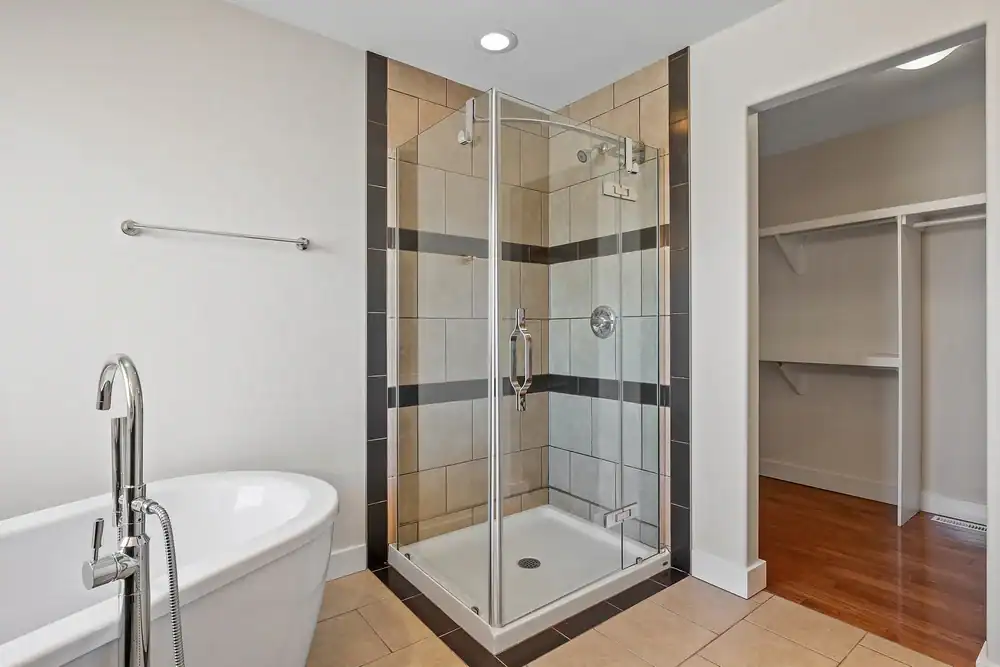
When you’re working with a contractor on a significant renovation, let us source materials through professional suppliers. The quality differences matter more than retail price comparisons suggest. A bathroom renovation using professional-grade fixtures from a supply house will outlast one using box store equivalents, even if the upfront cost is higher. That longevity affects your home’s value and your satisfaction for years after the project completes.
The best approach combines both resources strategically. Browse Home Depot or Lowe’s to see product options, understand general pricing, and get ideas. Then discuss material selection with us, and we can source professional-grade equivalents through our supply relationships. You get the benefit of retail accessibility for research while ensuring your actual project uses materials built for longevity and professional installation.
Understanding Nassau County’s home improvement stores helps you make better decisions whether you’re DIYing small projects or hiring contractors for major renovations. Big box stores like Home Depot and Lowe’s offer convenience and accessibility for homeowner projects. Professional building supply stores provide trade-quality materials and expertise for serious renovations. Specialty suppliers deliver deep selection in specific categories like masonry, lumber, or millwork.
The right choice depends on your project scope and who’s doing the work. For weekend repairs and small updates, big box stores work fine. For substantial renovations involving contractors, professional-grade materials from building supply stores deliver better long-term value. The upfront cost difference is real, but so is the performance gap.
When you’re ready to start a major renovation in Nassau County, NY, working with an experienced contractor who understands material quality and sources from professional suppliers makes a significant difference. We’ve been serving Nassau County since 1972, bringing five decades of expertise to kitchen remodels, bathroom renovations, and large-scale projects. We know which materials perform in Long Island’s climate, where to source professional-grade products, and how to deliver results that last.
Summary:
Share: