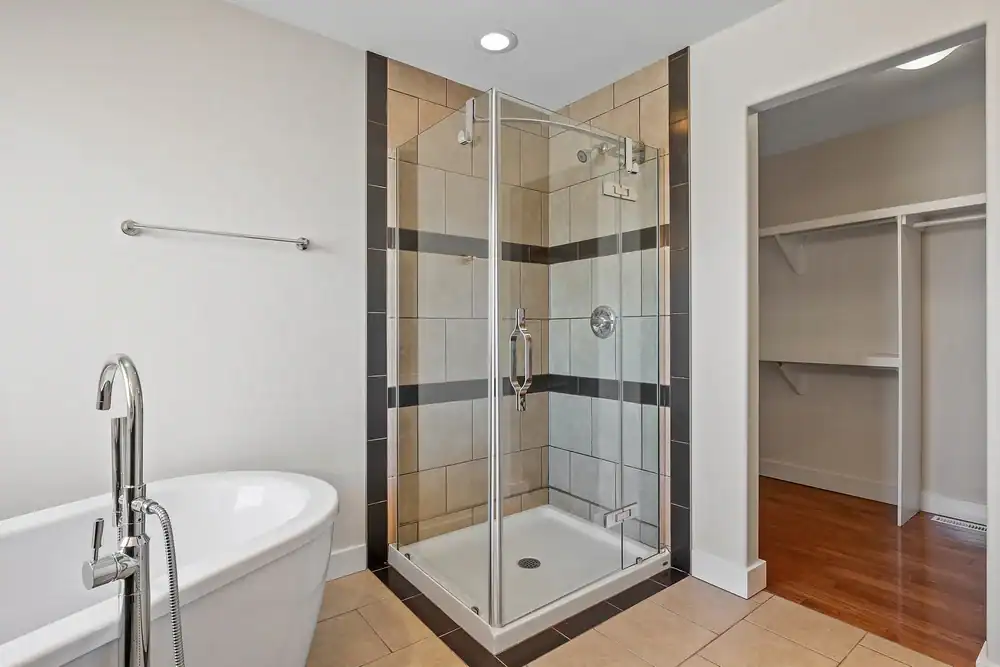
Most bathroom renovations in Nassau County fail before demolition even starts. Learn the seven costly mistakes that derail projects and how to avoid them.
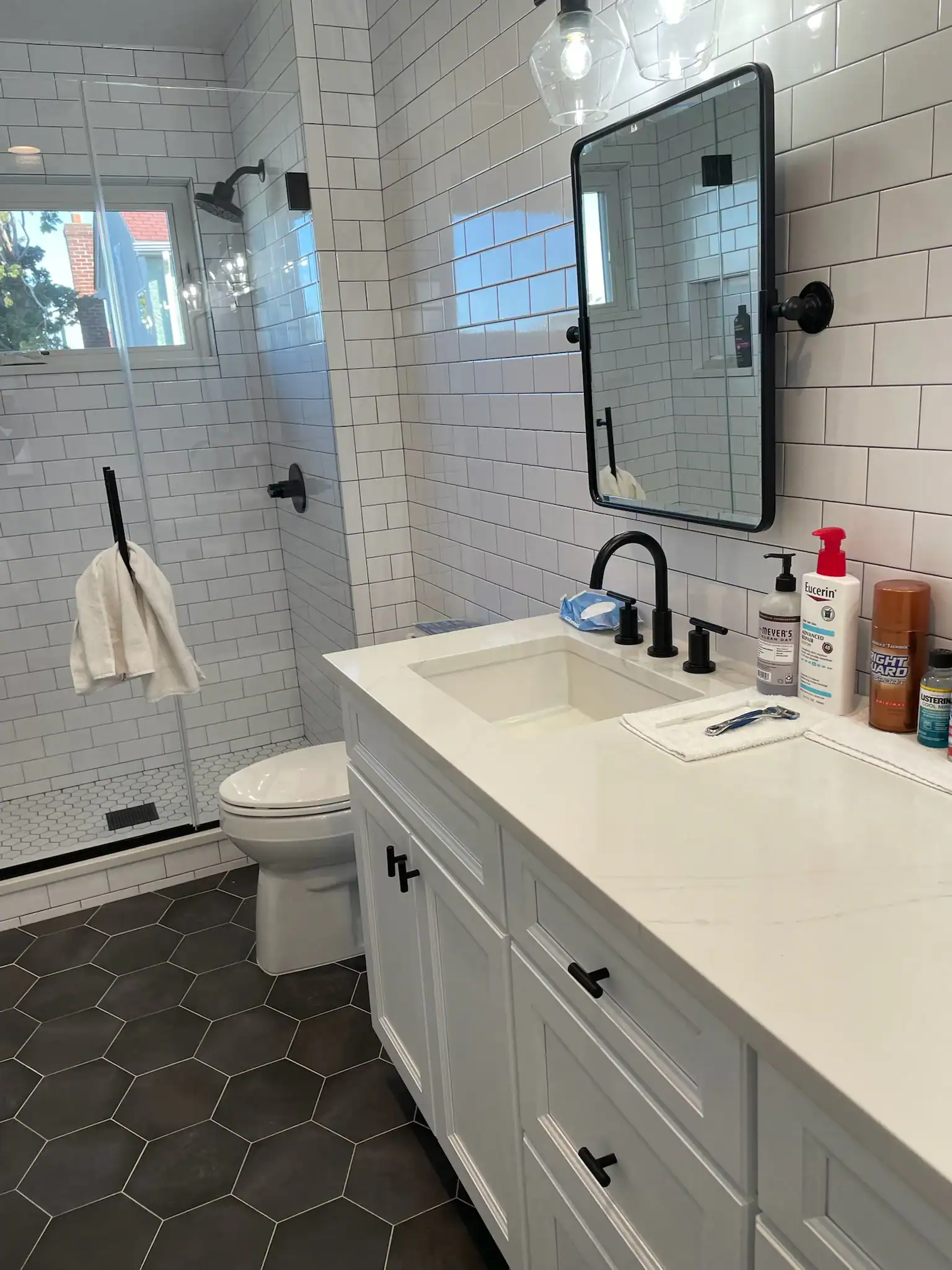
You’ve been living with that outdated bathroom for years. The tile’s cracked. The layout doesn’t work. Your morning routine feels like navigating an obstacle course. So you finally decide to pull the trigger on bathroom renovations—and that’s when things get complicated. Between permit requirements, contractor estimates that don’t match reality, and decisions that seem small until they cost you thousands, the path from “let’s remodel” to “this is exactly what we wanted” is full of expensive detours. Here’s what actually goes wrong in Nassau County, NY bathroom projects—and how to avoid becoming another cautionary tale.
This is the mistake that costs homeowners the most—not just in money, but in time, stress, and legal headaches. You think permits are optional or that your contractor will handle them. Then you find out the hard way that Nassau County takes building codes seriously.
Here’s what actually happens. All bathroom remodeling projects in Nassau County require permits if you’re doing anything beyond purely cosmetic changes. Swapping out a light fixture? Probably fine. Moving plumbing, upgrading electrical, or changing your bathroom’s layout? You need permits, inspections, and documentation.
The consequences aren’t theoretical. In 2018, a Nassau County homeowner completed bathroom renovations without permits. A neighbor reported the work. The result? $5,000 in fines and a requirement to undo all the changes. That’s not counting the original renovation cost—just the penalty for skipping the permit process.
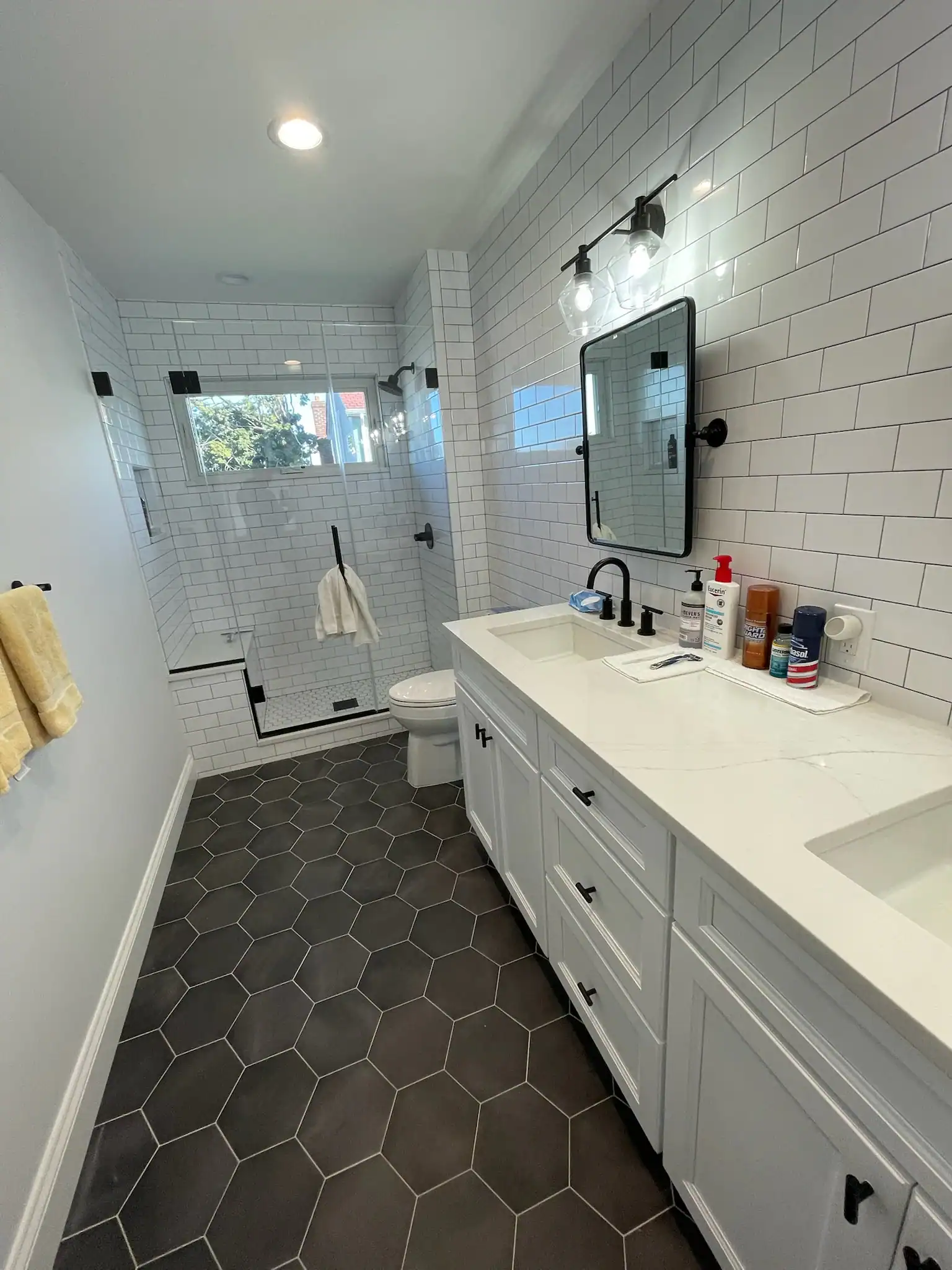
The confusion around permits comes from not understanding what triggers the requirement. It’s not about how much you’re spending or how big the project looks. It’s about what systems you’re touching and whether the work affects safety, structure, or code compliance.
Any plumbing work beyond simple fixture replacement requires a permit. That includes relocating your toilet, moving your shower, adding a second sink, or rerouting water lines. Even if you’re keeping everything in the same spot but replacing old galvanized pipes with modern materials, you’re looking at permit requirements because you’re modifying the plumbing system.
Electrical work follows the same logic. Installing new lighting, adding outlets, upgrading your electrical panel to handle increased load, or moving switches—all of these trigger permit requirements. The reason is straightforward: faulty electrical work creates fire hazards, and Nassau County codes exist to prevent those risks.
Structural changes definitely need permits. Removing a wall to open up space, reinforcing floors for a heavier tub, or modifying framing for a larger doorway all fall under this category. Even non-load-bearing walls require permits if you’re altering the structure.
Ventilation upgrades matter too. Bathrooms in Nassau County must meet specific ventilation requirements to prevent moisture damage and mold. If you’re upgrading your exhaust fan or modifying ductwork, expect the building department to want documentation.
The permit process isn’t designed to slow you down—it’s there to make sure your bathroom renovations meet safety standards and won’t cause problems later. Inspections at various stages ensure plumbing doesn’t leak, electrical work won’t start fires, and structural changes won’t compromise your home’s integrity. Skipping this process might save you a few weeks upfront, but it creates liability you’ll carry until you sell the house—and sometimes longer.
The real cost of permit problems isn’t just the fine if you get caught. It’s everything that happens after. When you proceed without permits and later need to legitimize the work—maybe because you’re selling your home or filing an insurance claim—you’re looking at a painful process.
First, you’ll need to hire an engineer or architect to create as-built drawings documenting what was done. That costs money. Then you submit for after-the-fact permits, which often come with penalty fees on top of standard permit costs. The building department may require you to open up walls so inspectors can verify the work was done to code. If it wasn’t, you’re paying to redo it correctly.
Some homeowners discover permit issues during home sales. The buyer’s attorney asks for permits and certificates of completion. You don’t have them. Now you’re either reducing your sale price to account for the unpermitted work, or you’re scrambling to get retroactive permits before closing falls through. Either way, you’re losing money and time.
Insurance complications add another layer. If you have water damage or another issue related to unpermitted bathroom renovations, your insurance company may deny the claim. They’ll argue you violated your policy by doing unpermitted work. Even if they cover some of the damage, they won’t cover anything related to the unpermitted modifications.
Working with a contractor who understands Nassau County permit requirements from the start eliminates these problems. We know which changes trigger permits, how to navigate the application process, and what inspections to schedule at each phase. The timeline might be slightly longer because of inspection scheduling, but you avoid the much longer delays that come from fixing permit problems after the fact.
The cost of doing permits correctly is built into professional estimates. When a contractor gives you a price that seems too good to be true compared to others, one reason might be that they’re planning to skip permits. That saves them time and paperwork, but it transfers all the risk to you. And when something goes wrong—or when you try to sell—you’re the one dealing with the consequences, not them.
Want live answers?
Connect with a Ray Coleman expert for fast, friendly support.
You get three estimates for your bath renovation. One comes in $8,000 lower than the others. It’s tempting to take the low bid and pocket the savings. But here’s what usually happens next.
The contractor who underbid either doesn’t understand the full scope of work, plans to cut corners, or intends to hit you with change orders once they’ve already torn your bathroom apart. By the time you realize what’s happening, you’re stuck. Your bathroom is demolished, you’ve already paid a deposit, and now you’re facing unexpected costs that push the final price higher than the original higher bids.
The lowest estimate isn’t always a scam—sometimes it’s just inexperience. A renovation contractor who hasn’t done many bathroom renovations in Nassau County might not account for the complexity of older homes, the cost of proper waterproofing, or the time required to coordinate multiple trades. They give you a number based on best-case scenarios, and then reality hits.
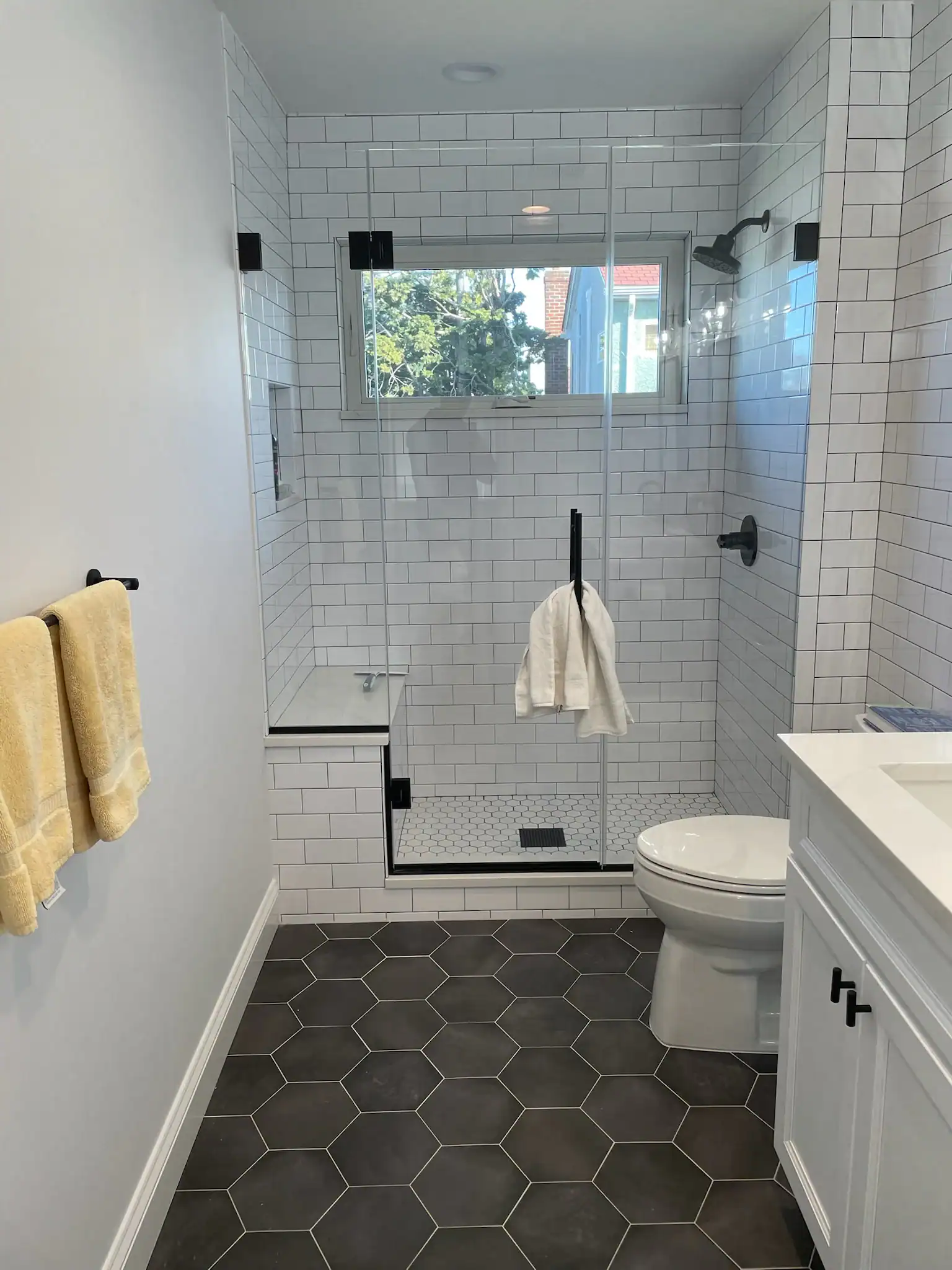
The difference isn’t always obvious from estimates alone. You need to look at how contractors communicate before you hire them, how long they’ve been in business, and whether they’re properly licensed and insured in Nassau County.
Communication patterns tell you a lot. Do they answer when you call, or do you leave three voicemails before getting a callback? Do they respond to texts promptly, or do days go by with no word? If a contractor is hard to reach before you hire them, they’ll be impossible to reach once your bathroom is torn apart and you need answers.
Longevity matters. A contractor who’s been serving Nassau County for decades has a reputation to protect. They’re not going to disappear mid-project or do shoddy work that comes back to haunt them. Newer contractors might be perfectly competent, but you’re taking on more risk without a proven track record.
Licensing and insurance aren’t negotiable. Nassau County requires contractors to be licensed for the work they’re doing. If they’re not, you have no recourse if something goes wrong. Insurance protects you if someone gets hurt on your property or if the work causes damage. A contractor who’s properly insured carries general liability and workers’ compensation. Ask to see certificates, and verify they’re current.
References from recent projects in Nassau County give you insight into how the contractor actually operates. Don’t just ask if past clients were happy—ask specific questions. Did the crew show up on time? Did they keep the site clean? How did the contractor handle unexpected issues? Were there surprise costs, and if so, how were they communicated?
The way a contractor handles your initial consultation also reveals a lot. Do they take time to understand what you’re trying to accomplish, or do they rush through and give you a generic estimate? Do they ask about your timeline, budget, and priorities, or do they just tell you what they think you should do? A good contractor treats the consultation as a conversation, not a sales pitch.
This is the mistake you don’t see until months or years after your bath renovation is complete. You saved money by using cheaper waterproofing materials or skipping proper ventilation upgrades. Everything looks fine. Then you notice mold on the ceiling. Or the tile starts to crack. Or you smell something musty behind the walls.
Bathrooms are high-moisture environments. Water gets everywhere—shower spray, steam, humidity from hot water, condensation on mirrors and windows. If your waterproofing isn’t done correctly, that moisture seeps into walls, subfloors, and framing. Once it’s in there, it creates mold, rots wood, and compromises structural integrity.
Proper waterproofing means more than just using water-resistant drywall. It requires waterproof membranes behind tile, sealed seams and corners, and careful detailing around fixtures and drains. Contractors who rush this step or use substandard materials create problems that won’t show up until the damage is already done.
Ventilation is just as critical. Nassau County building codes require adequate bathroom ventilation for a reason—moisture buildup leads to mold, mildew, and material degradation. An undersized exhaust fan or one that vents into the attic instead of outside doesn’t solve the problem. It just moves moisture to a different part of your home where it causes hidden damage.
The cost of fixing moisture damage after the fact is significantly higher than doing waterproofing and ventilation correctly the first time. You’re not just paying to redo the work—you’re also paying to remediate mold, replace damaged framing, and repair any secondary damage to adjacent rooms. And if the moisture problem persists long enough, you might be looking at structural repairs that go well beyond the bathroom.
Contractors who specialize in bathroom renovations understand these requirements and don’t cut corners. We use proper waterproofing systems, install correctly sized ventilation fans, and ensure everything is sealed and functioning before moving on to finish work. It costs more upfront, but it prevents the expensive failures that come from doing it wrong.
This is also where permits and inspections provide value. When a building inspector checks your waterproofing and ventilation during the rough-in phase, they’re verifying that the critical systems are done correctly. If something’s wrong, you find out before the walls are closed up and the tile is installed—when fixes are still relatively easy and inexpensive.
The bathroom renovations that go smoothly aren’t the ones where everything goes perfectly—they’re the ones where problems get caught early and handled by people who know what they’re doing. Permits get pulled before work starts. Contractors communicate clearly and show up when they say they will. Waterproofing and ventilation are done to code, not to the minimum standard someone can get away with.
You avoid the expensive mistakes by asking the right questions upfront. What’s the full scope of work? Which changes require permits? How long has the contractor been doing bath renovation projects in Nassau County? Are they licensed, insured, and bonded? What’s their process for handling unexpected issues when walls get opened up?
The goal isn’t to find the cheapest option—it’s to find the contractor who’ll deliver a bathroom that functions properly, meets code requirements, and doesn’t create problems down the road. That means working with people who’ve been doing this long enough to know where projects typically go wrong and how to prevent those issues before they become expensive fixes.
If you’re ready to move forward with bathroom renovations in Nassau County, NY, and you want to work with a contractor who answers when you call, keeps the job site clean, and has been doing this since 1972, reach out to Ray Coleman Home Improvement. We’ve handled hundreds of bathroom projects across Nassau County, and we know how to get them done right the first time.
Summary:
Share: