Half a century of working inside Nassau County homes teaches you things no certification ever could. Here's what we've learned — and what it means for your project.
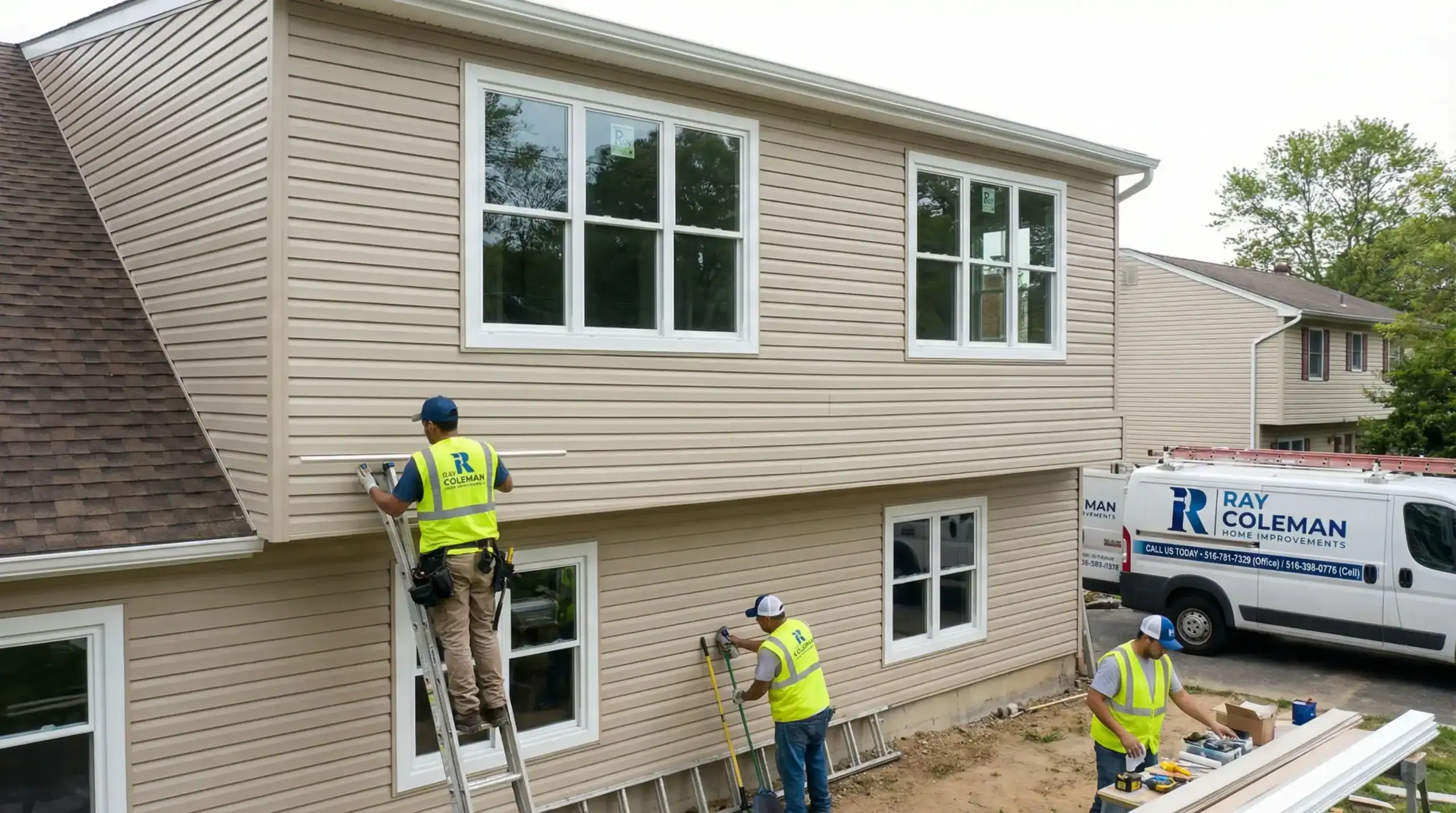
There’s a version of this story you’ve probably heard before. Homeowner finds a contractor, signs a contract, pays a deposit — and then watches the project drag on for months, or worse, watches the contractor stop showing up entirely. It’s not a rare story on Long Island. It’s practically a rite of passage.
We’ve been doing home improvement work in Nassau County since 1972. That’s long enough to have seen every version of what goes wrong — and what goes right. If you’re thinking about a renovation and trying to figure out who to trust and what to expect, this is the page for you.
When we started in 1972, most of the homes we worked on in Nassau County were already 20 to 30 years old — post-war construction built fast to house a generation that had just come home. Today, those same homes are pushing 75 to 80 years old. The bones are often solid, but the kitchens, bathrooms, electrical systems, and plumbing are decades past their useful life.
That’s the reality of Long Island home improvement that most contractors don’t talk about: this market isn’t just competitive, it’s structurally driven by an aging housing stock that needs real work, not cosmetic fixes. Homeowners in Levittown, Hicksville, and West Hempstead aren’t renovating because they saw something on a design show. They’re renovating because their home is telling them it’s time.

Nassau County sits in a uniquely demanding environment for residential construction. The south shore faces the Atlantic. The north shore faces Long Island Sound. Salt air, coastal storms, and the freeze-thaw cycles that come with Long Island winters accelerate wear on siding, roofing, windows, and plumbing in ways that homeowners in inland markets simply don’t deal with at the same rate.
We’ve gotten calls at 3 AM in January from homeowners in Wantagh and Plainview dealing with frozen or burst pipes. That’s not a hypothetical — it’s a regular part of working in Nassau County, and homes that haven’t had their plumbing updated or their insulation addressed are particularly vulnerable. We offer 24/7 emergency response for exactly this reason, because some problems don’t wait until Monday morning.
Beyond the weather, there’s the permit environment. Nassau County has its own Home Improvement Contractor License issued by the Department of Consumer Affairs — separate from what’s required in Suffolk County or anywhere else in New York. A contractor who is properly licensed in one county isn’t automatically qualified to work in another. We’re licensed, insured, and bonded in both Nassau and Suffolk Counties, and we hold a Home Improvement Contractors license plus three additional licenses on record with the Nassau County license board. That matters more than most homeowners realize until something goes wrong with an unlicensed crew.
One more thing that’s specific to Nassau County: moving is expensive here. With median home sale prices hovering around $640,000 to $649,000 — and average prices closer to $767,000 — most homeowners are better off renovating the home they have than trying to find something better in a market that doesn’t have much to offer. That calculation drives a lot of the large-scale renovation work we do. Families aren’t leaving. They’re making their current home work for the next chapter.
The term “general contractor” gets used loosely, and that causes real confusion for homeowners trying to figure out who they need to hire. A general contractor manages and executes the full scope of a project — not just one trade, but all of them. That means coordinating the timeline, overseeing the crew, making sure the work is done in the right sequence, and being accountable for the outcome from the first day to the last.
In Nassau County, that accountability has to be backed by proper licensing. New York State does not issue a statewide general contractor license — the licensing is done at the county level, which means a contractor working in Nassau needs to meet Nassau’s specific requirements, including proof of liability and property damage insurance, workers’ compensation coverage, and in some cases a surety bond. Many homeowners don’t know this, and some contractors count on that.
What we’ve seen over 50 years is that the general contractor homeowners in Nassau County remember — the ones they recommend to every neighbor, the ones they call back for the next project — are the ones who treat the job as personal. Ray Coleman and his son are on-site every day. Not managing from an office, not sending a crew and checking in by phone. On the job. That daily presence is how you catch problems before they become expensive, how you keep a project on schedule, and how you make sure the work that gets done is the work that was agreed to.
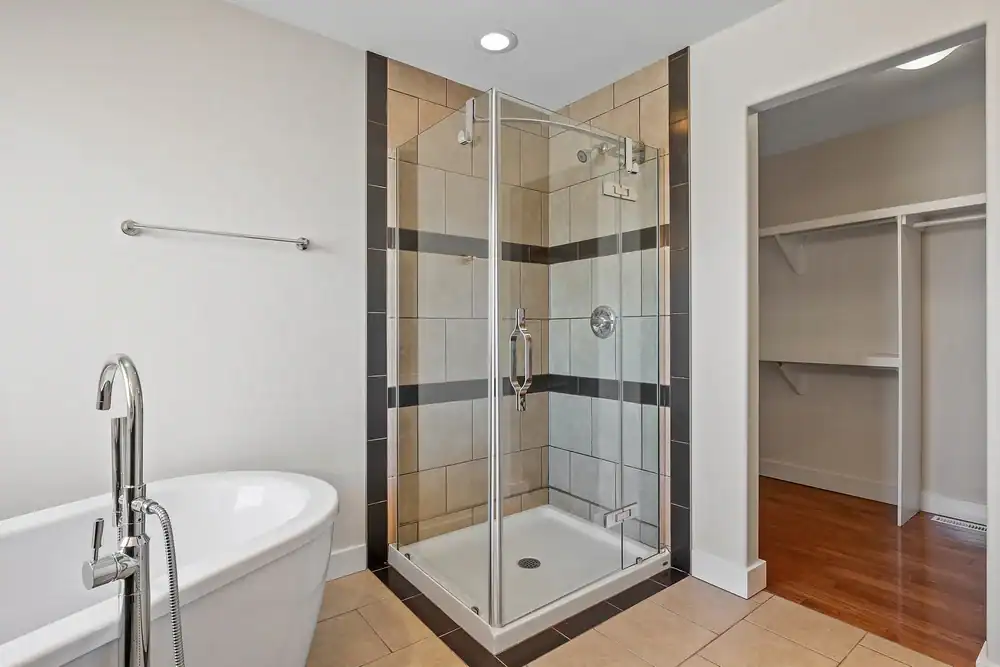
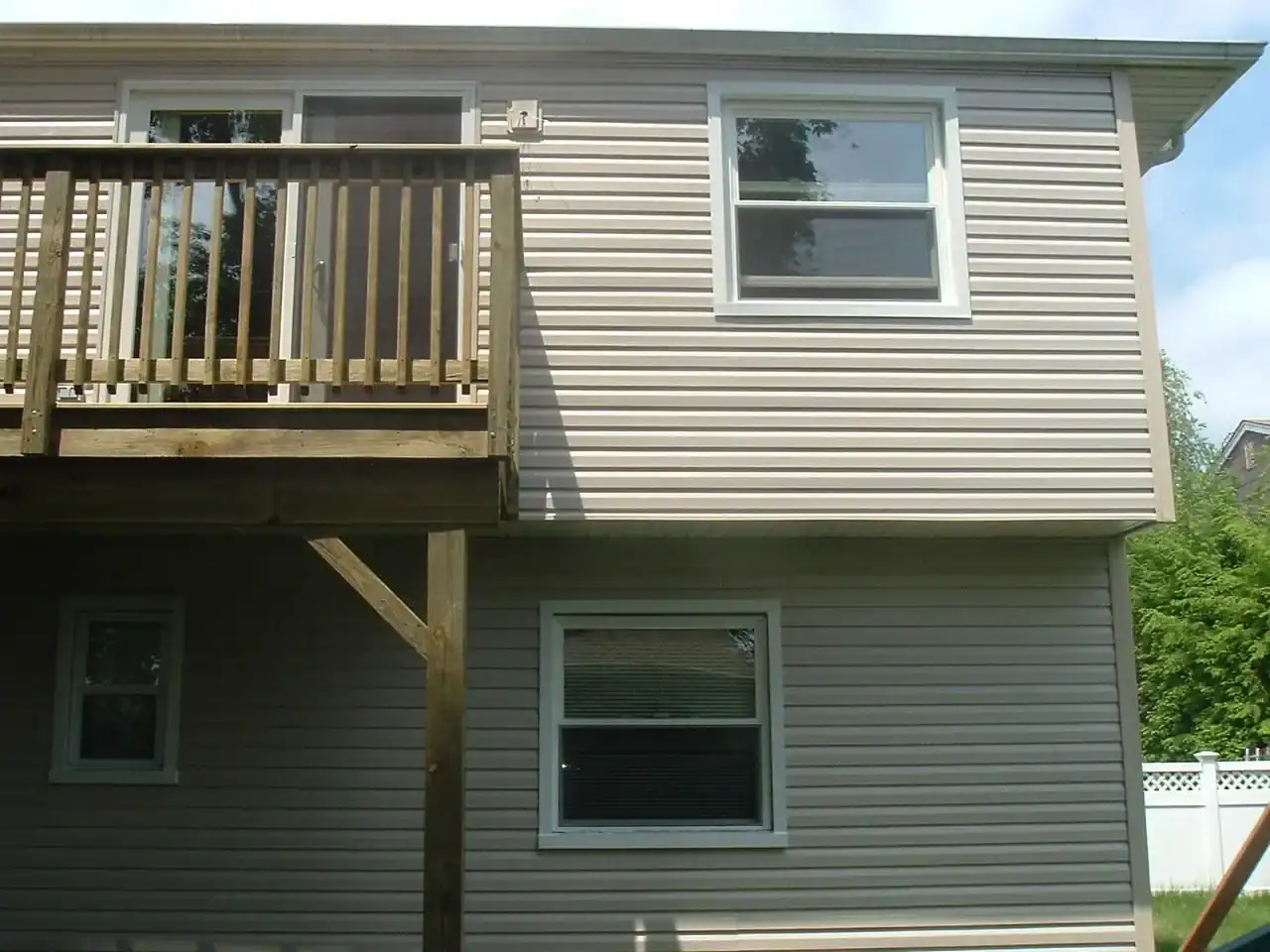
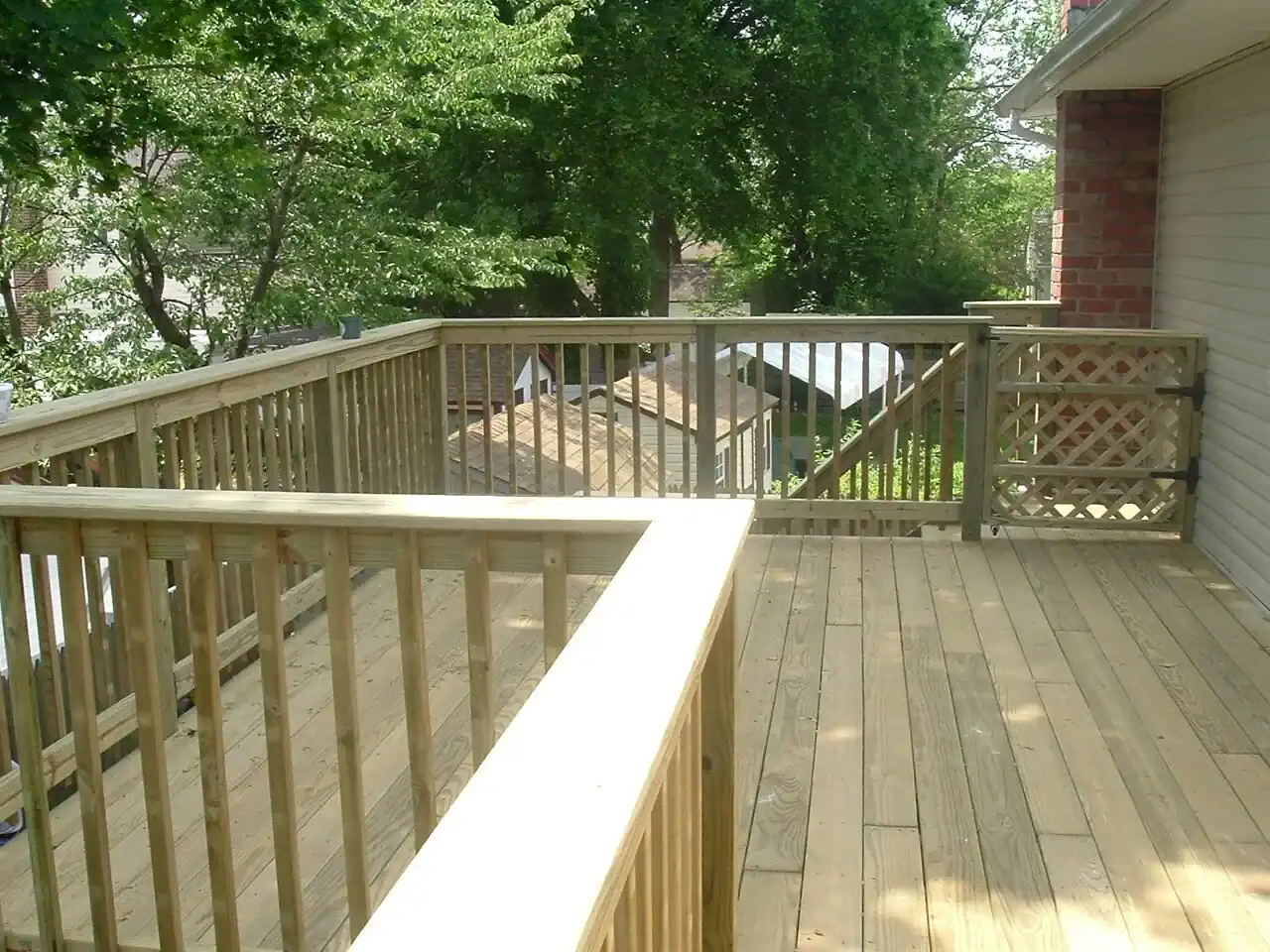
We specialize in large-scale projects: kitchen remodels, bathroom renovations, dormer additions, first-floor renovations, extensions, whole house renovations, and new home builds. These are the projects where having an experienced, present general contractor makes the biggest difference — because the stakes are high, the scope is complex, and the margin for error is low.
Want live answers?
Connect with a Ray Coleman expert for fast, friendly support.
The most common renovation mistakes we’ve seen over the past five decades have almost nothing to do with design choices or material selections. They’re process mistakes — things that go wrong before a single wall comes down.
The first is hiring based on price alone. A low bid feels like a win until the change orders start arriving. Research consistently shows that more than three in four homeowners go over budget on their last renovation project, with nearly half exceeding their original budget by at least $5,000. A transparent, accurate quote from an experienced contractor is worth more than the lowest number on the page.

The question we hear most often from homeowners who’ve had a bad experience isn’t “how do I find a good contractor?” It’s “how do I know they’re actually going to follow through?” That’s a different question, and it deserves a direct answer.
Start with licensing. In Nassau County, you can verify a contractor’s Home Improvement Contractor License through the Department of Consumer Affairs. If a contractor can’t provide a license number, that’s the end of the conversation. Beyond licensing, ask whether they carry liability insurance and workers’ compensation coverage — and ask to see the certificates, not just a verbal confirmation.
Then ask about communication. This is where most contractor relationships break down. Will they answer your calls during the project? Will they respond to texts the same day? Will you know who to contact if something comes up? We answer the phone every time. We respond to texts the same day. People refer contractors they trust, and trust is built on showing up and communicating, not just on the finished product.
Ask about who will be on your job site. With some contractors, the person who sells you the project is the last person you’ll see — after that, it’s a rotating crew of subcontractors you’ve never met. We work with a consistent team, and Ray and his son are there every day. You’ll know who’s in your home.
Finally, ask about cleanup. Living through a renovation is disruptive enough without coming home to a job site every evening. Our crews clean up before they leave each day. That’s a standard we hold ourselves to on every project, regardless of size.
Cost is the question homeowners are most reluctant to ask directly, and it’s also the one that causes the most problems when it goes unanswered. So here’s a straightforward answer based on what we actually see in Nassau County.
A mid-range kitchen remodel in Nassau County runs anywhere from $30,000 to $70,000. The range is that wide because scope varies enormously — a kitchen that needs new cabinets, countertops, and appliances is a different project than one that requires a full layout reconfiguration with plumbing and electrical work. What you’re getting done and what materials you’re using are the two biggest cost drivers.
For whole house renovations, the range is broader: most projects in Nassau County run between $50,000 and $250,000 depending on scope. A full gut renovation of an aging Levittown-era home is a fundamentally different undertaking than a targeted renovation of a few key rooms, and the cost reflects that.
Dormer additions — one of the most common projects we handle in Nassau County — typically take four to twelve weeks to complete, depending on size and complexity. That timeline is something we’re transparent about from the start, because homeowners planning around school schedules, family visits, or seasonal timing need to know what they’re working with.
The number we quote is the number you pay. No hidden fees added at the end, no inflated change orders that appear once the project is underway. That commitment to transparent pricing is something we’ve held to for 50 years, and it’s a significant part of why our clients come back and send their neighbors our way. If the scope changes because you want something different, we have that conversation openly — not at the final invoice.
Fifty years in this business has taught us one thing above everything else: the homeowners who end up happiest are the ones who hired for trust, not for the lowest number. They found a contractor who answered the phone, showed up every day, did what they said they’d do, and charged what they said they’d charge.
That’s what we’ve built since 1972, and it’s what we continue to build every time we take on a project in Wantagh, Syosset, Great Neck, Levittown, Plainview, or anywhere else across Nassau County. The work speaks for itself — but so does the fact that more than 60% of our business comes from people who were referred by someone we’ve already worked for.
If you’re thinking about a kitchen remodel, a bathroom renovation, a dormer addition, or a larger renovation project, reach out to Ray Coleman Home Improvement. We’re available Monday through Sunday, 8:00 AM to 5:00 PM, and we answer every call.
Summary:
Share: