Most Nassau County homeowners think DIY saves money. Then they hit the $10,000 mistake that turns a weekend project into a multi-month headache requiring professional rescue.

You’re standing in your outdated kitchen, calculator in hand, convinced you can save thousands by doing the renovation yourself. The YouTube tutorials make it look straightforward. The materials seem manageable. The labor costs from contractor quotes feel excessive.
Then reality hits. Permits you didn’t know you needed. Code violations that void your insurance. Electrical work that’s actually dangerous. Plumbing that floods your basement. And suddenly, that money-saving DIY project has cost you more than hiring a professional would have from day one.
Here’s what you actually need to know before you decide whether to DIY or hire a contractor for your Nassau County renovation.
The numbers look tempting at first glance. Professional renovations in Nassau County average around $6,352, while DIY projects come in closer to $2,502. That’s a significant difference that makes the DIY route seem like the obvious choice.
But here’s what those averages don’t tell you. Nearly 38% of homeowners underestimate how much their DIY project will actually cost. And 34% of those homeowners report that inaccurate cost estimates caused them to blow past their budget entirely.
The hidden costs add up fast. Specialized tools you’ll use once. Materials you ordered wrong and can’t return. Mistakes that require professional correction. Permit fees you didn’t budget for. And the big one: your time, which has real value even if you’re not writing yourself a check.
When you hire a professional contractor in Nassau County, you’re typically looking at $70 to $130 per hour for general work. Specialized trades like plumbing run $45 to $200 per hour. Those rates feel steep when you’re comparing them to “free” DIY labor.
But professional contractors bring more than just labor. We bring expertise that prevents costly mistakes. We bring relationships with suppliers that get you better material pricing. We bring insurance that protects you if something goes wrong. We bring knowledge of building codes that keeps your project legal.
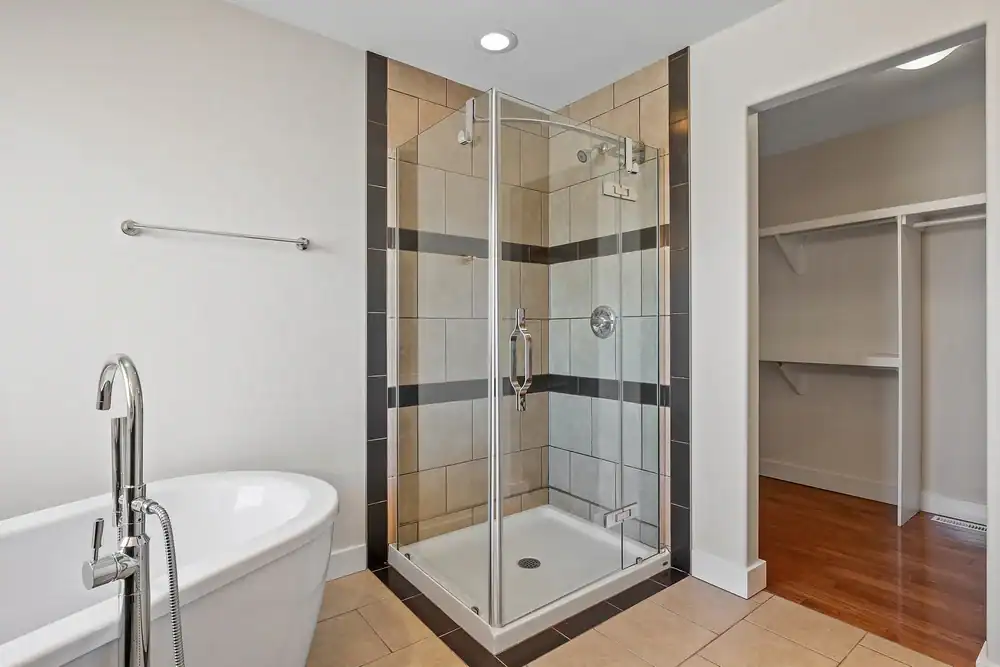
A complete kitchen renovation handled by professionals might run $40,000 to $80,000 in Nassau County, depending on the scope and finishes. A bathroom typically costs $15,000 to $30,000. Those numbers include materials, labor, permits, and the peace of mind that comes from working with licensed, insured contractors who’ve done this hundreds of times.
The DIY version looks cheaper on paper. You might spend $10,000 to $15,000 on a kitchen if you’re doing all the labor yourself. But that assumes everything goes right. No mistakes. No code violations. No injuries. No surprises once you open up the walls.
And in homes built decades ago—which describes most of Nassau County—surprises are the rule, not the exception. Outdated wiring that can’t handle modern appliances. Plumbing that’s corroded and needs replacement. Structural issues that weren’t visible until you started demo. These aren’t things you can YouTube your way through.
More than half of homeowners who attempted DIY renovations reported needing financial assistance to cover damages from projects gone wrong. That’s not a small percentage. That’s a coin flip on whether your cost-saving measure turns into a financial disaster.
The real cost comparison isn’t DIY materials versus professional labor. It’s the total cost of doing it right the first time versus the total cost of doing it wrong, then paying a professional to fix it, then dealing with the time lost and stress accumulated along the way.
Renovation budgets have a way of creeping upward, and DIY projects are especially vulnerable to cost overruns. What starts as a $25,000 renovation can quietly become $35,000 when hidden costs stack up. That extra $10,000 rarely shows up in your home’s final value.
Tool costs hit first. A quality tile cutter for a bathroom remodel can run $3,000. Specialty equipment for electrical or plumbing work adds hundreds more. You might use these tools once, which makes them expensive one-time purchases rather than investments.
Material waste comes next. Professional contractors know exactly how much material to order because we’ve done the calculations hundreds of times. DIY renovators typically over-order to avoid running short, then can’t return the excess. Or they under-order and face delays waiting for additional materials, plus delivery fees for small orders.
Permit and inspection fees catch people off guard. Depending on your project scope in Nassau County, permits can cost hundreds to thousands of dollars. If you skip permits to save money, you’re risking fines that dwarf the permit costs, plus the expense of bringing unpermitted work up to code when it’s discovered.
Time costs matter even when you’re not paying yourself. A professional crew might complete your kitchen in six to eight weeks. Your DIY version could stretch into six months as you work evenings and weekends around your regular job. That’s months of eating takeout, living in construction dust, and dealing with the stress of an unfinished project.
Insurance gaps create financial exposure you might not realize until it’s too late. Many homeowners insurance policies exclude coverage for damages caused by DIY work or unpermitted renovations. If your DIY electrical work causes a fire, or your plumbing mistake floods the basement, you could be looking at tens of thousands in damages that insurance won’t cover.
The mistake-correction cost is where DIY budgets really explode. Tile laid incorrectly needs to be ripped out and redone. Walls framed out of square need to be rebuilt. Electrical work that doesn’t meet code needs to be torn out and reinstalled by a licensed electrician. Each mistake doesn’t just cost the materials—it costs the labor to undo the wrong work, then the labor to do it correctly.
And here’s the part nobody talks about: by the time you realize you need professional help, you’re already in deep. The contractor you call to rescue your project now has to work around your mistakes, which takes longer and costs more than if we’d started from scratch. You end up paying professional rates plus a premium for the added complexity.
Want live answers?
Connect with a Ray Coleman expert for fast, friendly support.
Not every home improvement project requires professional help. Painting rooms, replacing cabinet hardware, installing shelves—these are straightforward DIY projects with low risk and minimal code requirements.
But there’s a clear line between simple cosmetic updates and complex renovations that require professional expertise. Crossing that line without the right skills, tools, and knowledge is where homeowners get into trouble.
The decision point comes down to three factors: technical complexity, safety risk, and code compliance. If your project involves any of these elements, you’re in professional territory whether you want to admit it or not.
Electrical work tops the list of projects that should never be DIY. A botched electrical installation creates fire hazards that put your family at risk. Code violations can void your homeowners insurance. And in Nassau County, electrical work requires permits and inspections by licensed professionals for good reason.
The same goes for complex plumbing modifications. Moving water lines, installing new fixtures, or working on drain systems requires knowledge of proper venting, slope requirements, and pressure considerations. Get it wrong and you’re looking at leaks, water damage, mold growth, and potential structural issues that cost tens of thousands to remediate.
Structural changes fall firmly in the professional category. Removing or altering load-bearing walls, adding support beams, or modifying your home’s foundation requires engineering knowledge and building permits. These aren’t projects where you can afford to learn as you go. Mistakes compromise your home’s structural integrity and create safety hazards.
HVAC work requires specialized knowledge of heating and cooling systems, ductwork design, and energy efficiency standards. Improper installation leads to systems that don’t work correctly, higher energy bills, and potential carbon monoxide risks with gas systems.
Gas line work is simply not a DIY project under any circumstances. The risk of gas leaks, explosions, and carbon monoxide poisoning makes this work strictly professional. Nassau County requires licensed plumbers for any gas line installation or modification.
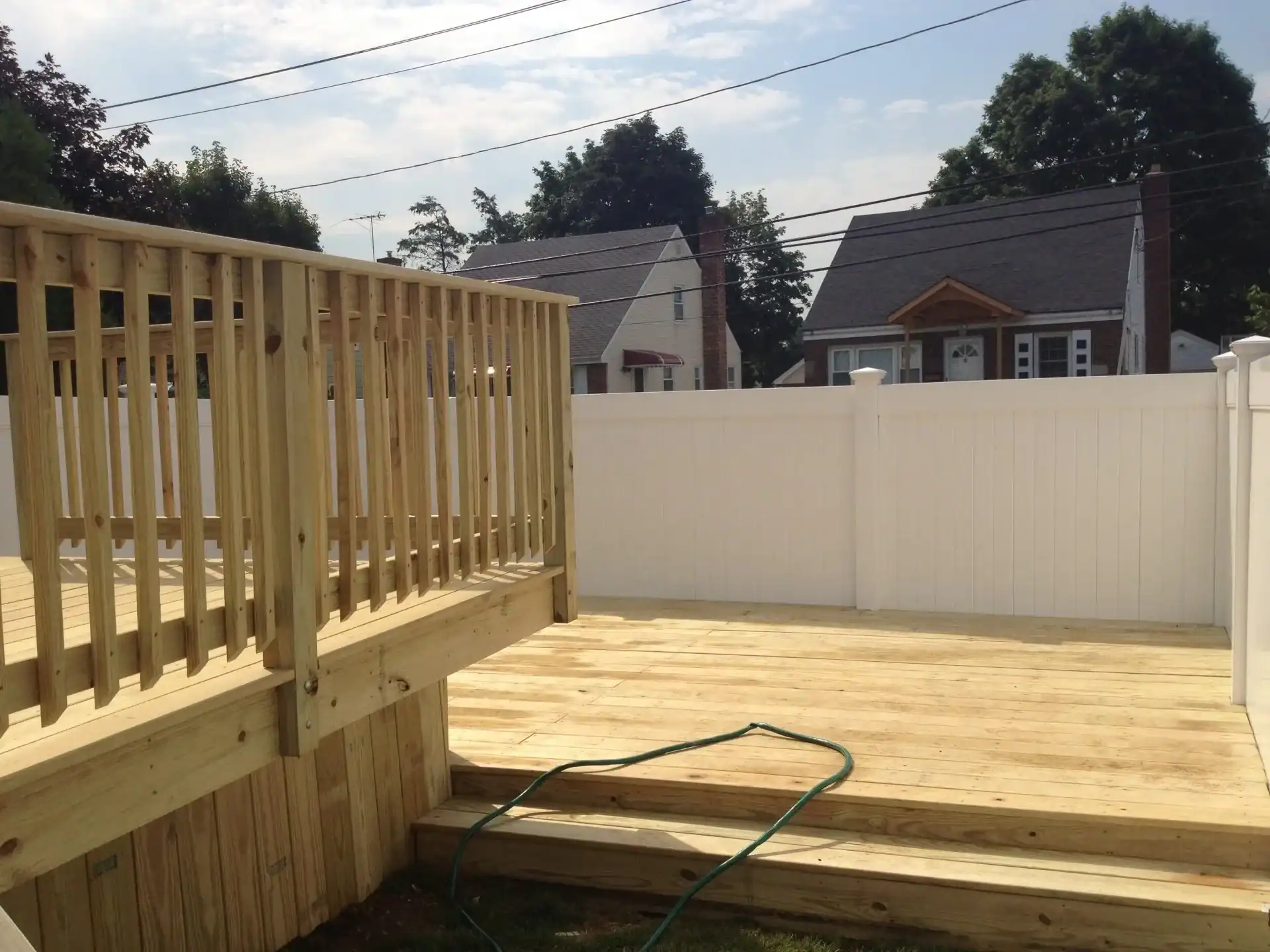
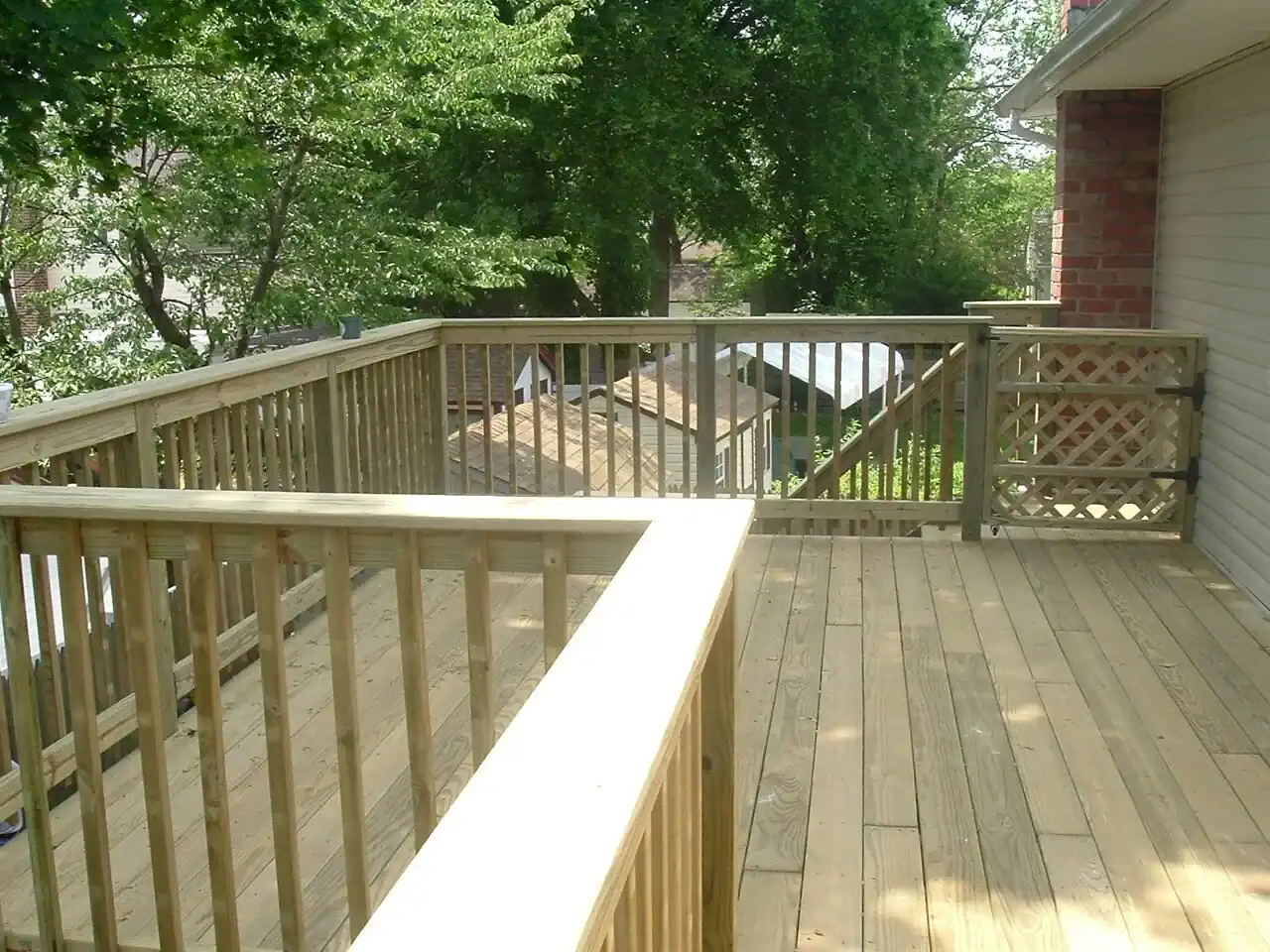
Even projects that seem simpler can cross into dangerous territory. Installing a ceiling fan requires electrical knowledge and proper support in the ceiling structure. Building a deck involves load calculations, proper footings, and code-compliant railings. Bathroom renovations require waterproofing knowledge to prevent moisture damage and mold.
The complexity threshold isn’t just about technical difficulty. It’s about consequences when things go wrong. A badly painted room is annoying. Faulty electrical work is deadly. That’s the difference between a good DIY project and one that requires professional expertise.
Professional contractors bring years of experience handling these complex projects. We’ve seen the problems that arise and know how to prevent them. We have the proper tools and equipment. We understand building codes and can navigate the permitting process. We carry insurance that protects you if something goes wrong.
Most importantly, we can spot issues before they become disasters. When we open up your walls during a kitchen remodel and find outdated wiring or plumbing problems, we know how to address it correctly. A DIY renovator might not even recognize the problem until it causes damage.
Permits aren’t bureaucratic red tape designed to slow you down. They’re legal requirements that ensure your renovation meets safety standards and building codes. Skipping permits might seem like a shortcut, but it creates problems that follow you for years.
In Nassau County, permits are required for structural remodeling, electrical work, plumbing modifications, mechanical systems, and most projects that alter your home’s footprint or systems. Cosmetic updates like painting, flooring replacement, or cabinet installation typically don’t require permits, but anything more substantial does.
The consequences of unpermitted work are severe. Building departments can fine you daily while construction is in progress. If they discover unpermitted work after completion, you’ll face fines and be required to obtain retroactive permits—which often means opening up finished work for inspection.
Unpermitted renovations create problems when you sell your home. You’re legally required to disclose renovations, and buyers will discover unpermitted work during inspection. This can kill deals, force you to lower your price, or require you to bring work up to code before closing. Some buyers simply won’t touch a house with unpermitted renovations.
Your homeowners insurance can deny claims related to unpermitted work. If your DIY electrical work causes a fire, or your unpermitted bathroom addition suffers water damage, insurance may refuse to cover it. You’re left paying out of pocket for damages that could have been covered if the work had been done correctly with proper permits.
Mortgage and refinancing become complicated with unpermitted work. Appraisers won’t include unpermitted square footage in your home’s value. Lenders may refuse to finance homes with code violations or unpermitted additions. You could be unable to refinance or take out a home equity loan until the issues are resolved.
Building codes exist for your safety. They specify proper electrical wire sizes to prevent fires. They require GFCI outlets near water to prevent electrocution. They mandate proper venting for plumbing to prevent sewer gas buildup. They set structural requirements to ensure your home can handle loads safely.
Professional contractors navigate the permitting process as part of our service. We know what permits are required, how to obtain them, and what inspections are needed at each stage. We ensure work meets code requirements so it passes inspection. We handle the paperwork and scheduling so you don’t have to figure out Nassau County’s building department procedures.
The permit cost is minimal compared to the protection it provides. You get official documentation that work was done correctly and inspected by qualified professionals. You have legal proof that your renovation meets safety standards. You avoid the financial and legal consequences of unpermitted work.
Code compliance isn’t optional. It’s the baseline for safe, legal renovation work. And it’s one of the clearest dividing lines between appropriate DIY projects and work that requires professional contractors who understand the regulations and can ensure compliance.
The DIY versus professional decision isn’t about whether you’re capable of learning new skills. It’s about honestly assessing the project complexity, understanding the risks, and recognizing when professional expertise protects your investment instead of just costing money.
Simple cosmetic updates make sense for DIY. Painting, hardware replacement, basic landscaping—these projects have low risk and don’t require specialized knowledge. You can save money without creating safety hazards or code violations.
Complex renovations require professional contractors. Kitchens, bathrooms, structural changes, electrical and plumbing work, additions—these projects involve too much technical complexity, safety risk, and code compliance to wing it. The money you “save” with DIY typically gets spent fixing mistakes, plus a premium for the added difficulty.
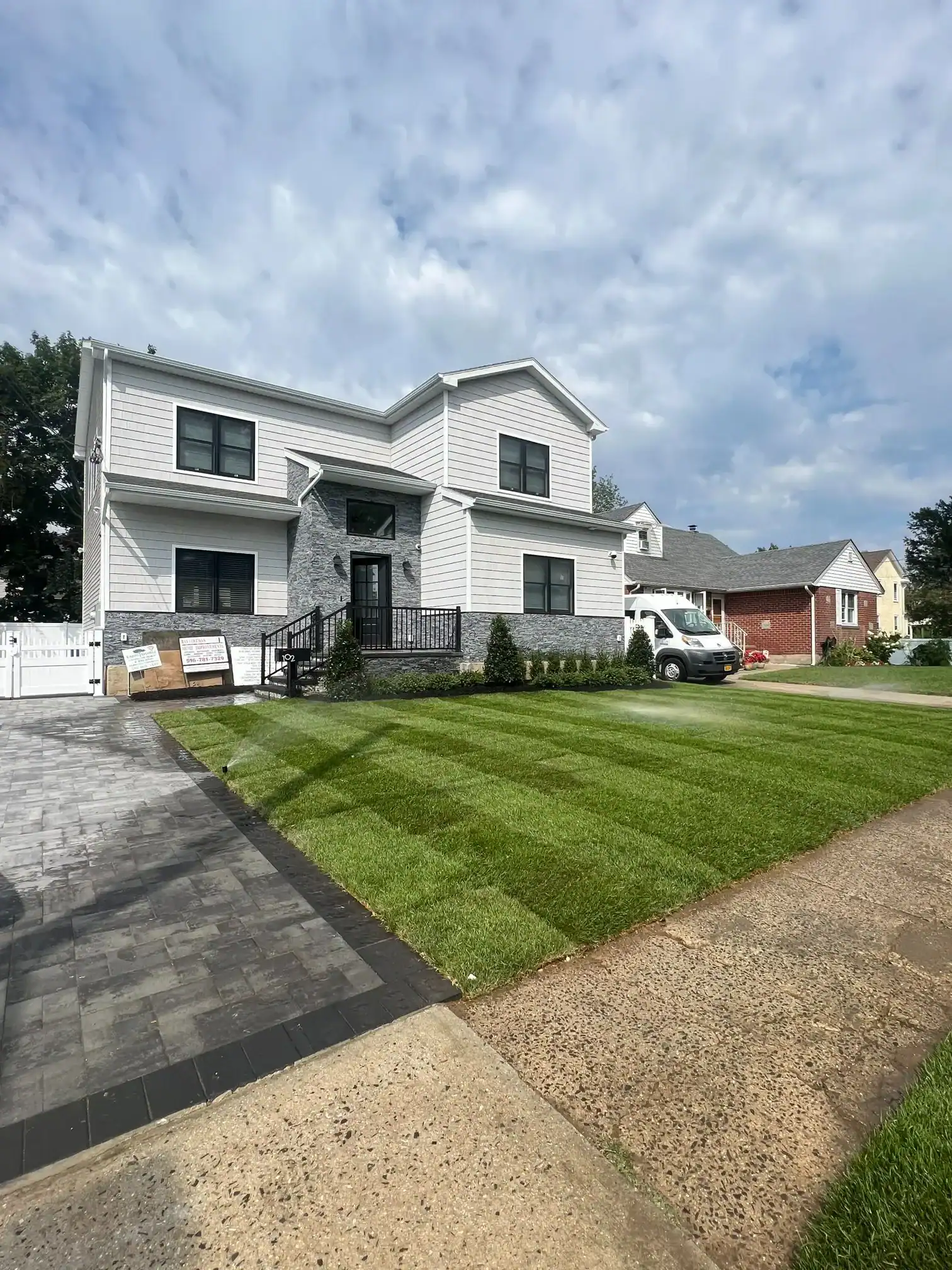
If you’re facing a major renovation in Nassau County and need a contractor who actually answers when you reach out, shows up on time, and treats your home with respect, we’ve been handling these projects since 1972. Licensed, insured, and backed by over 50 years of experience turning complicated renovations into finished projects that last.
Summary:
Share: