Nassau County's permit rules aren't simple — and most contractors won't explain them clearly. Here's what you actually need to know before your next renovation.
If you’ve ever searched “do I need a permit for this?” before starting a renovation, you’re not alone — and you’re not being overly cautious. Nassau County’s permit requirements are genuinely complex, and the rules aren’t always what people expect. Some projects that seem minor require permits. Others that feel significant don’t. Getting it wrong in either direction has real consequences. This guide gives you straight answers about what requires a building permit in Nassau County, what the process actually looks like, and why the right contractor makes most of this stop being your problem entirely.
New York State law is broad on this: a building permit is required for the construction, renovation, alteration, repair, relocation, or demolition of any building or structure — and that includes the installation or modification of electrical, heating, cooling, or plumbing systems. What that means in practice is that most substantive renovation work in Nassau County requires a permit before a single wall comes down or a pipe gets moved.
Here’s where it gets more complicated than most guides let on. Nassau County doesn’t have one central building department. Permits are administered at the town and village level — meaning a homeowner in Wantagh deals with the Town of Hempstead’s building department, while someone in Manhasset goes through the Town of North Hempstead, and a homeowner in a village like Rockville Centre handles it through their village building department directly. The county website will tell you this and then point you elsewhere. That’s not an oversight — that’s just how it works here.
The short answer: most projects that involve structural changes, plumbing, or electrical work require a permit. Kitchen remodels that involve moving plumbing lines, changing the electrical layout, or altering walls fall squarely into permit territory. So do bathroom renovations — and this one surprises a lot of people.
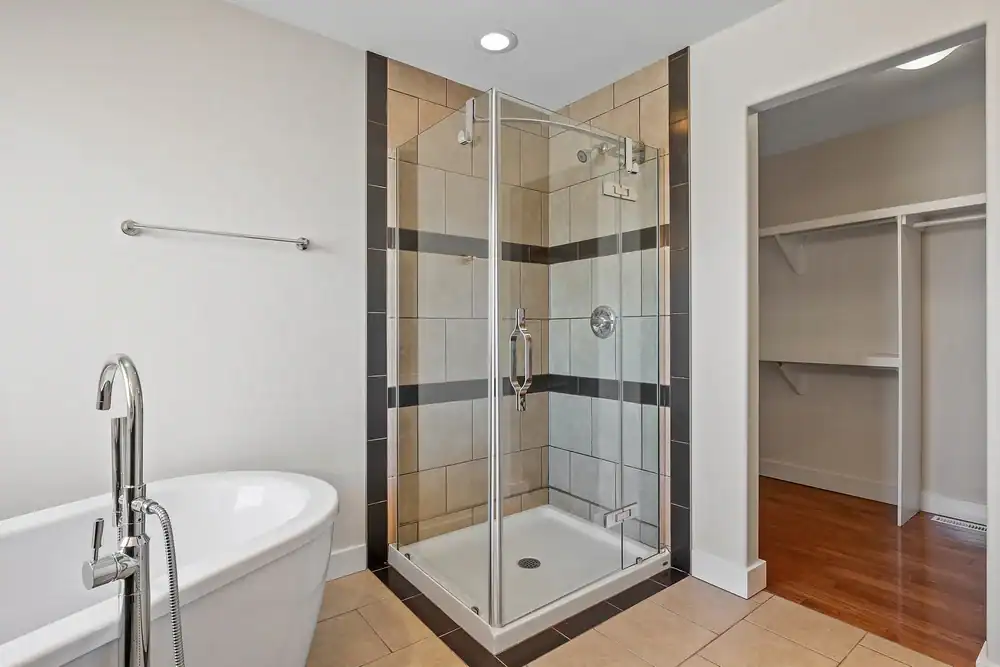
In Nassau County, all bathroom remodeling projects require a permit, regardless of the extent of the work. That’s not a gray area. It doesn’t matter if you’re reconfiguring the layout or simply replacing fixtures with updated ones. The permit requirement applies either way.
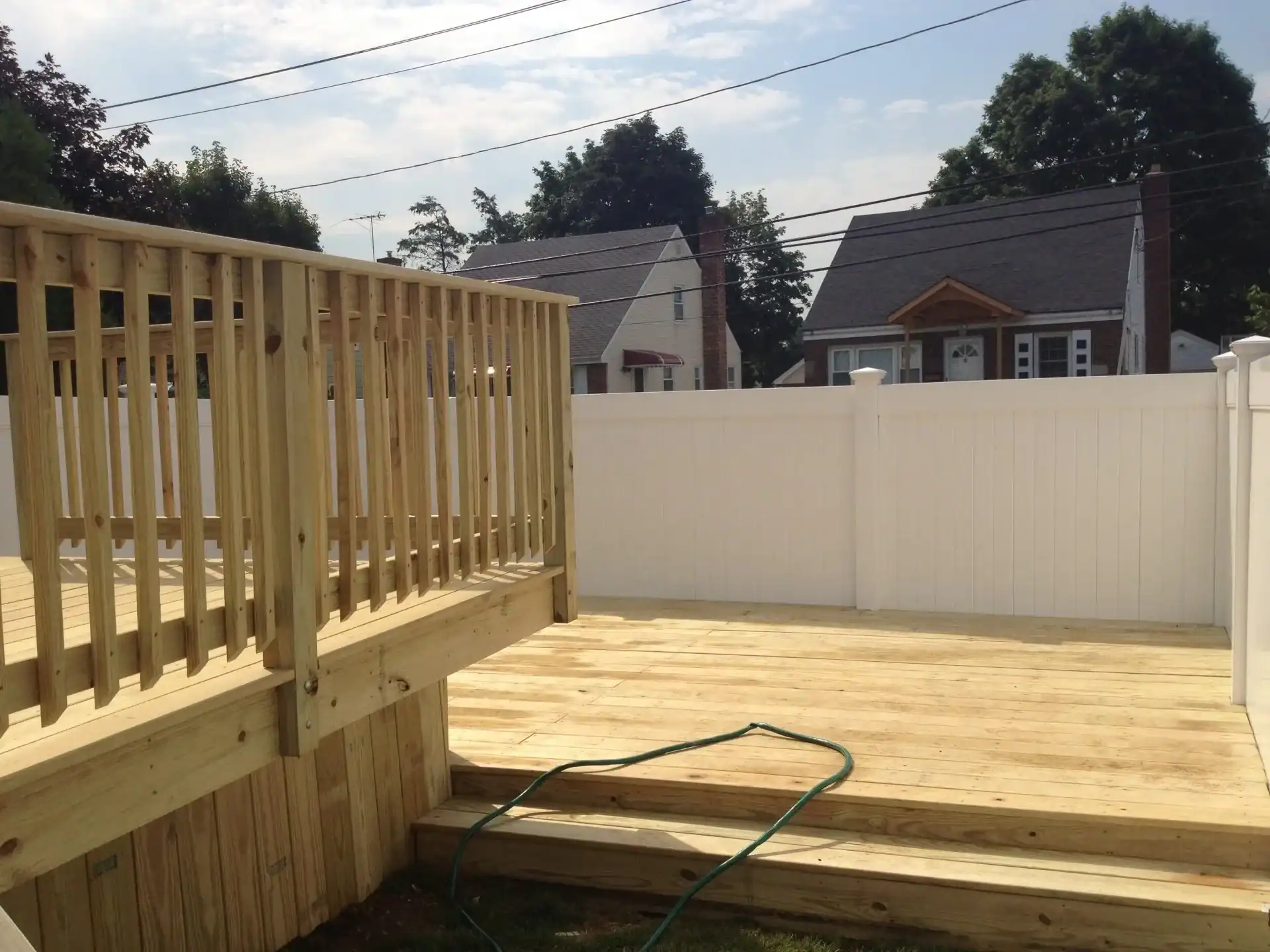
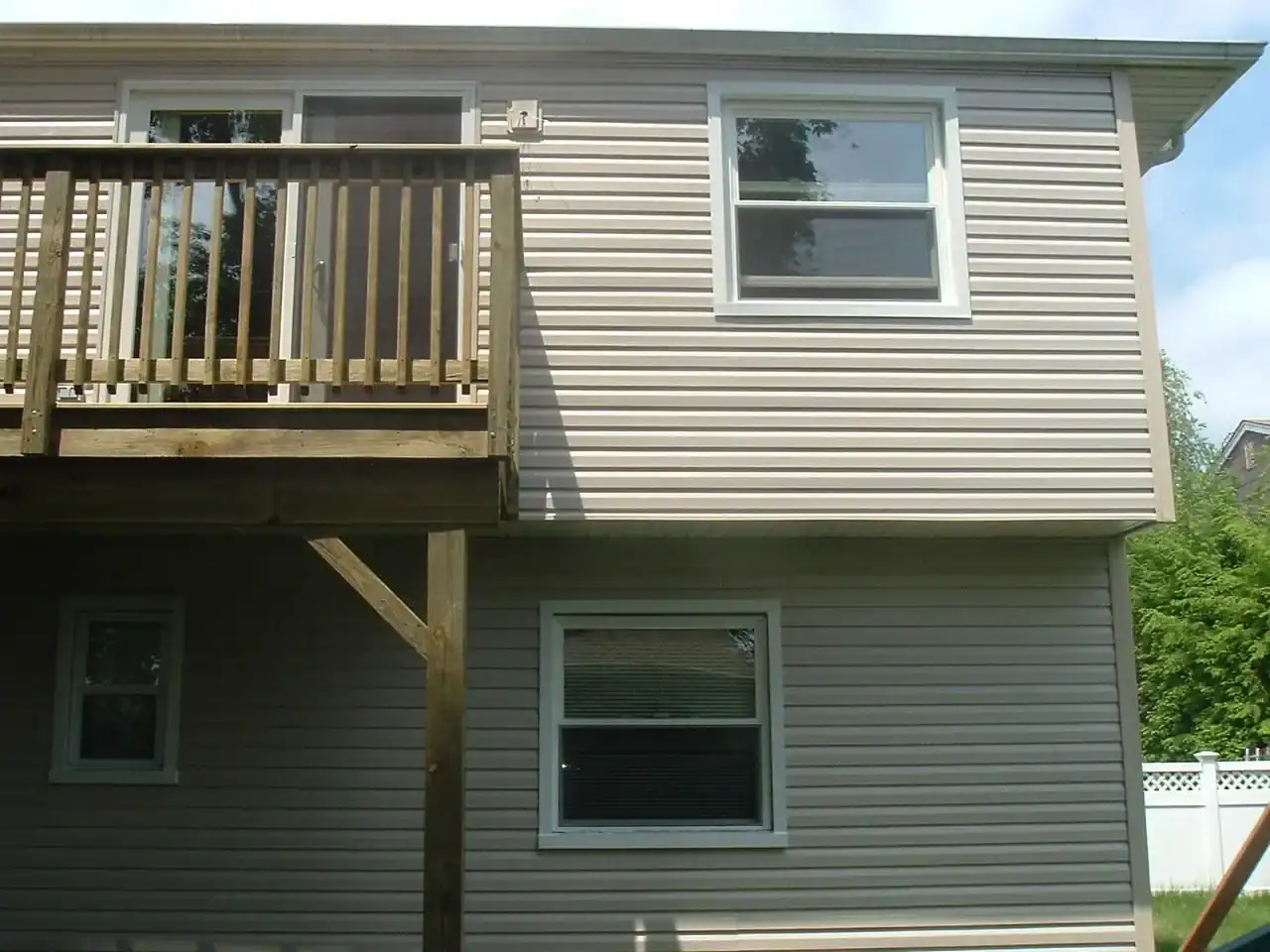
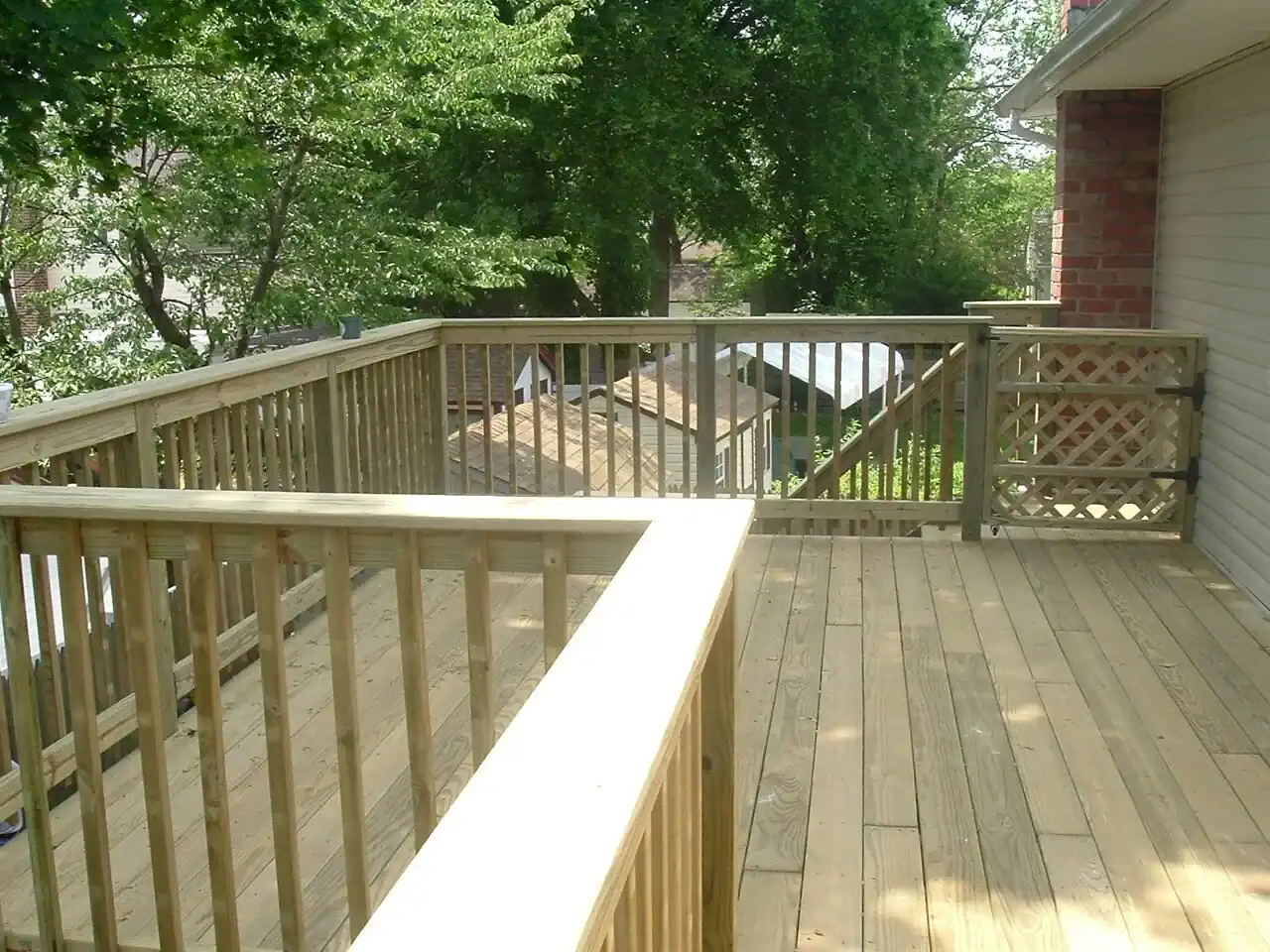
Full roof replacements require permits in Nassau County without exception. Deck construction, basement conversions, dormer additions, home extensions, and any work involving the electrical panel or main plumbing lines all require permits as well. If you’re adding square footage, changing the roofline, or touching anything structural, expect a permit to be part of the process.
What doesn’t require a permit? Cosmetic work generally falls outside the requirement. Painting, flooring, countertop replacement, and swapping out cabinet fronts typically don’t trigger a permit. Replacing a few damaged roof shingles is different from a full replacement — minor repairs usually don’t require one. The line isn’t always obvious, which is exactly why having a contractor who knows Nassau County’s requirements — not just general construction rules — matters more than most homeowners realize.
We genuinely prefer projects that don’t require permits when the scope allows for it. It reduces friction, simplifies the timeline, and keeps things moving for our clients. When a project does require a permit, we handle it — but we’ll always tell you upfront which category your project falls into, and we won’t push you toward unnecessary complexity.
This is one of the most common questions we hear, and it’s one that a lot of contractors conveniently leave out of their project timelines. For standard residential projects — kitchen remodels, bathroom renovations, deck construction — expect roughly two to four weeks from application submission to permit approval through the Town of Hempstead. More complex projects, like home additions, structural changes, or dormer work, take longer, and the timeline can stretch depending on the municipality and the completeness of the application.
The practical implication: your renovation doesn’t start on the day you sign a contract. It starts on the day the permit is approved. A contractor who quotes you a six-week project timeline without accounting for the permit window is either not planning to pull a permit — which is a problem — or hasn’t been honest with you about the full schedule. We build permit timelines into project planning from the beginning, so there are no surprises about when work actually starts.
Permit applications for larger projects often require professional architectural drawings. That’s an additional step that adds time and cost, and it’s something that needs to be scoped and discussed before a project begins — not discovered mid-process. For complex renovations in Nassau County’s incorporated villages, you may also be dealing with a village-level building department that has its own review process and timeline separate from the town. Knowing which municipality applies to your specific address is the first thing we sort out, because it shapes everything downstream.
The permit approval period is also when the fee is paid. In Nassau County, permit fees for standard residential projects typically range from $300 to $1,500 depending on the project type and scope. Minor renovations on the lower end of the value scale run on the lower end of that range; kitchen remodels and larger bathroom projects fall toward the higher end. These are real costs that belong in your project budget from day one, not line items that appear as surprises later.
Want live answers?
Connect with a Ray Coleman expert for fast, friendly support.
Skipping a permit isn’t a technicality — it’s a financial risk that tends to surface at the worst possible moment. On Long Island, fines for unpermitted work can reach $5,000 under Hempstead Code. That’s before any remediation costs, stop-work orders, or forced demolition of work that doesn’t meet code. These aren’t hypothetical outcomes. They happen, and they happen to homeowners who thought they were saving time or money by avoiding the process.
The consequences don’t always arrive immediately. Sometimes they show up years later, when you go to sell your home.

Nassau County’s real estate market is competitive and expensive. Homes in many parts of the county are selling for $700,000 and above, often with multiple offers. At that price point, buyers have attorneys doing thorough due diligence — and unpermitted work is one of the things they look for. When it surfaces, the buyer has leverage: they can renegotiate the price, require the seller to legalize the work before closing, or walk away from the deal entirely.
Legalizing unpermitted work after the fact is possible, but it’s not simple. It typically involves additional inspections, potential rework to bring the project into current code compliance, and retroactive fees. In some cases, walls have to come down so inspectors can verify what’s behind them. The cost of retroactive permitting almost always exceeds what the original permit would have cost — and it happens at a moment when you’re already under pressure to close.
There’s also the insurance dimension, which doesn’t get enough attention. Standard homeowner’s insurance policies cover damage that occurs during properly permitted renovation work. When damage happens during unpermitted work — a fire, water damage, a structural failure — the insurer has grounds to deny the claim. In a county where the average home value is well above $700,000, that’s not a theoretical exposure. It’s a real financial risk that a permit eliminates.
The tax question comes up too, and it deserves an honest answer. Permitted improvements in Nassau County can trigger property tax reassessments. Nassau County property taxes are already among the highest in the country, and homeowners are right to factor this in. It’s a legitimate trade-off worth discussing before a project begins. That said, the financial risk of unpermitted work at resale — and the potential insurance exposure — typically far outweighs the tax increase from a permitted renovation. We’ll talk through both sides of that with you, because it’s your home and your decision to make with full information.
Yes — and this one catches a lot of Nassau County homeowners off guard. All bathroom remodeling projects in Nassau County require a permit, regardless of the scope of the work. That’s not a matter of interpretation. It applies whether you’re doing a full gut renovation or a more focused update that involves plumbing or electrical changes.
The reason the rule is this broad is that bathrooms involve plumbing, electrical, and sometimes structural work — all of which are regulated for safety. Even replacing a toilet or adding a new vanity with updated plumbing connections can fall under the permit requirement depending on what’s involved. If you’re changing tile, repainting, or swapping out a mirror, you’re likely fine without a permit. The moment you touch the plumbing or electrical — even in a limited way — the permit requirement applies.
This is one of the areas where working with a licensed Nassau County contractor matters most. We know the Town of Hempstead’s requirements, we know how the permit process runs for bathroom renovations specifically, and we handle the application, the required documentation, and the inspection scheduling on your behalf. You don’t have to learn the process — you just have to approve the scope and let us manage the rest.
For homeowners in Nassau County’s incorporated villages — Garden City, Rockville Centre, Floral Park, and others — the permit process runs through the village building department rather than the town. The requirements are similar, but the process and the specific contacts are different. After more than 50 years of working across Nassau County, we know which department applies to your address and what they need to get a project approved without unnecessary delays.
If you’ve already done bathroom work without a permit and you’re now concerned about it, that’s a conversation worth having before you list the home or start another project. Retroactive permitting is possible, and knowing your options early gives you more of them.
The permit process in Nassau County is genuinely complex — multiple municipalities, varying timelines, project-specific requirements, and real consequences for getting it wrong. Most of that complexity doesn’t have to land on you. When you hire a licensed contractor who knows Nassau County’s building departments and has been navigating this process for decades, permits become part of the job, not a separate burden you’re left to figure out on your own.
We’ve been doing this work in Nassau County since 1972. We know which projects require permits, which don’t, and exactly what each municipality needs to move an application through efficiently. We factor permit timelines into project planning from day one, discuss all costs upfront, and handle the process so you can focus on the renovation itself.
If you’re planning a kitchen remodel, bathroom renovation, dormer addition, or any large-scale project in Nassau County and want to understand what the permit process looks like for your specific situation, reach out to Ray Coleman Home Improvement. We’ll give you a straight answer before anything else.
Summary:
Share: