Planning a whole house renovation in Nassau County? Learn the real differences between tackling everything at once versus phasing your project room by room.
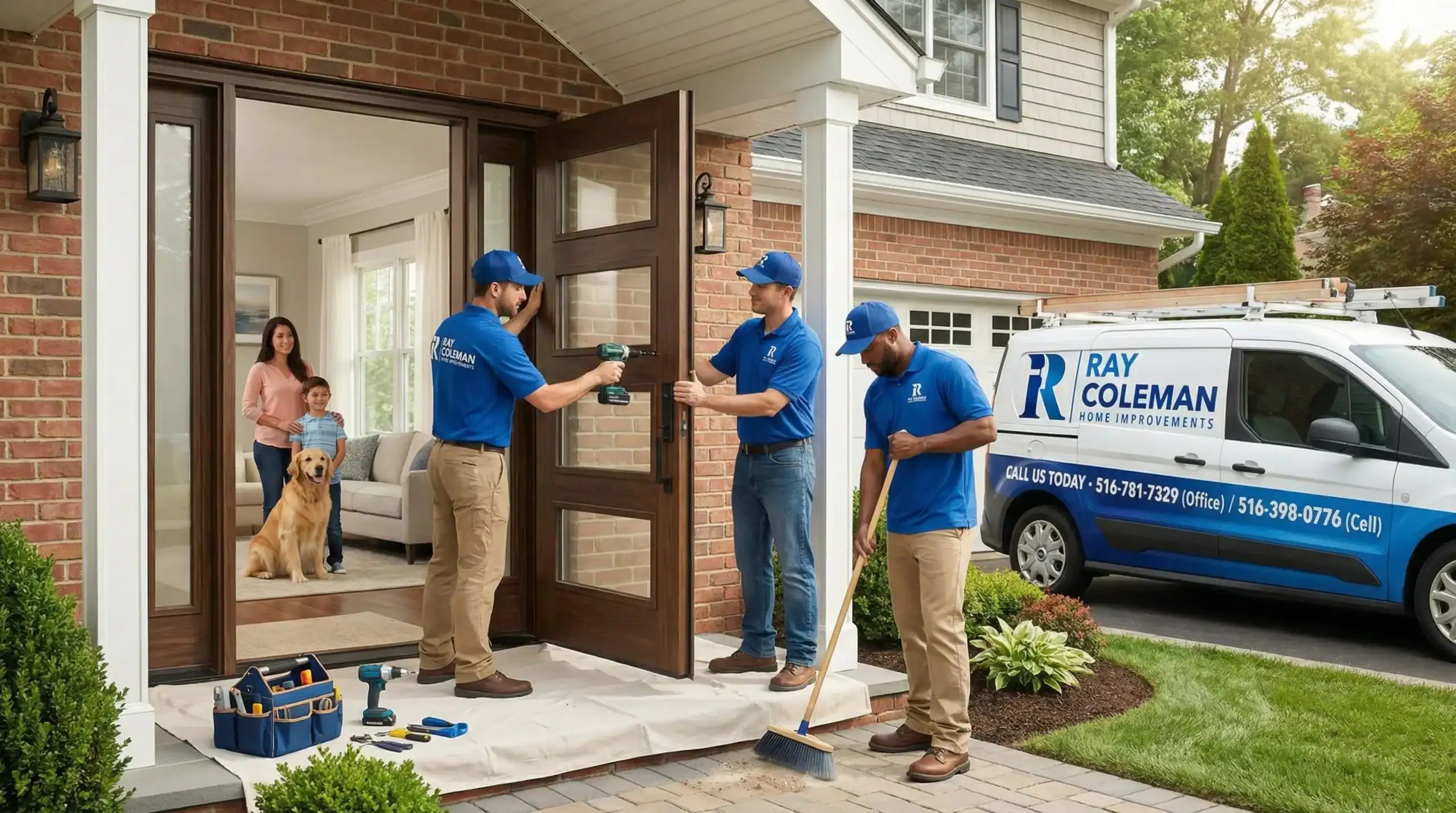
You’ve reached the point where your Nassau County home needs more than a fresh coat of paint. The kitchen layout doesn’t work. The bathrooms are decades old. Your electrical system wasn’t built for how you live now. And you’re weighing a question that affects everything: should you renovate the whole house at once, or tackle it room by room over time?
Both approaches have merit. Both come with tradeoffs. And the right answer depends on factors most homeowners don’t think about until they’re already mid-project and dealing with the consequences. This isn’t about what sounds easier on paper—it’s about what actually works when you’re living through it, paying for it, and trying to get back to normal life as quickly as possible.
A whole house renovation means updating most or all of your home under one coordinated plan. You’re not just replacing cabinets or updating a bathroom—you’re addressing kitchens, bathrooms, flooring, electrical, plumbing, and structural work in a single comprehensive project. Everything happens within a condensed timeline, managed by one contractor who coordinates all the trades.
A room-by-room approach, also called phased renovation, breaks the work into separate projects over months or years. You might start with the kitchen, then move to bathrooms later, and eventually address flooring or other spaces as budget and time allow. Each phase is its own project with its own timeline, budget, and disruption.
The difference isn’t just scheduling. It’s how the work flows, how costs add up, and how long you’re living in a construction zone. One approach concentrates all the chaos into a defined period. The other spreads it out, but extends the total time your home is under construction.

Most homeowners assume phasing saves money because you’re spreading costs over time. In reality, it often costs more overall.
When you renovate all at once, we can order materials in bulk, coordinate trades more efficiently, and avoid repeated setup costs. Demolition happens once. Dumpsters get delivered once. Permits are pulled once. Labor gets scheduled in a way that keeps crews moving from room to room without downtime. Industry data shows that consolidating multiple room renovations into one project saves roughly 10 to 12 percent compared to doing the same rooms separately over time.
Phasing introduces inefficiencies that add up. Each phase requires its own mobilization—bringing crews back, setting up again, ordering materials in smaller quantities. You’re paying project management costs multiple times instead of once. And if you wait a year or two between phases, material prices and labor rates will likely increase, making later phases more expensive than if you’d done everything together.
There’s also the risk of rework. If you renovate the kitchen now and decide to update adjacent rooms later, you might need to redo flooring, touch up paint, or adjust finishes to make everything cohesive. That’s additional labor and material cost that wouldn’t exist if the work had been coordinated from the start.
For Nassau County homeowners, where renovation costs already run higher than the national average, those inefficiencies compound quickly. The question isn’t just whether you can afford to do it all at once—it’s whether you can afford not to, given how much more it might cost to phase it.
A whole house renovation in Nassau County typically takes three to six months from start to finish, depending on the scope. That includes kitchens, bathrooms, flooring, and any structural work or systems updates. It’s a concentrated period of disruption, but it has a clear end date. You’re dealing with noise, dust, and limited access to parts of your home—but only once.
Phasing spreads that disruption over a much longer timeline. If you’re renovating room by room, the total project could take years. And while each individual phase might feel more manageable, you’re living through construction repeatedly. Every time a new phase starts, you’re back to dust barriers, contractor schedules, and limited access to parts of your home.
The other factor is coordination. When everything happens at once, trades work in sequence. Electricians and plumbers rough in their work, then drywall goes up, then finishes get installed. It flows. When you phase, you’re stopping and starting that process multiple times, which extends the overall timeline and creates more opportunities for delays.
Older Nassau County homes add another layer of complexity. Once walls are opened, it’s common to find outdated wiring, old plumbing, or structural issues that weren’t visible before demolition. If you’re doing a whole house renovation, those surprises get addressed as part of the overall project. If you’re phasing, you might discover the same issue multiple times in different rooms, each requiring its own fix and adding to the timeline.
The timeline isn’t just about how long the work takes. It’s about how long your life is disrupted. One concentrated period of chaos, or years of ongoing construction—both are challenging, but in different ways.
Want live answers?
Connect with a Ray Coleman expert for fast, friendly support.
Phasing makes sense in specific situations. If your budget doesn’t support a full renovation upfront, spreading costs over time keeps the project manageable. You can tackle high-priority areas first—like a kitchen that’s falling apart or a bathroom with water damage—and address other spaces later when finances allow.
There’s also flexibility. You can see how the first phase turns out before committing to the rest of the project. If you’re working with a new contractor or testing out design choices, phasing gives you room to adjust as you go. And if only certain areas of your home need updating while others are in good shape, there’s no reason to renovate spaces that don’t need it.
But phasing comes with real downsides that often surprise homeowners. The biggest is cost—as covered earlier, you’re paying more overall due to repeated setup, mobilization, and the risk of price increases between phases. Design cohesion is another challenge. Materials get discontinued. Finishes change. What matched perfectly two years ago might not be available when you’re ready for the next phase, leaving you with a home that feels patched together instead of intentionally designed.
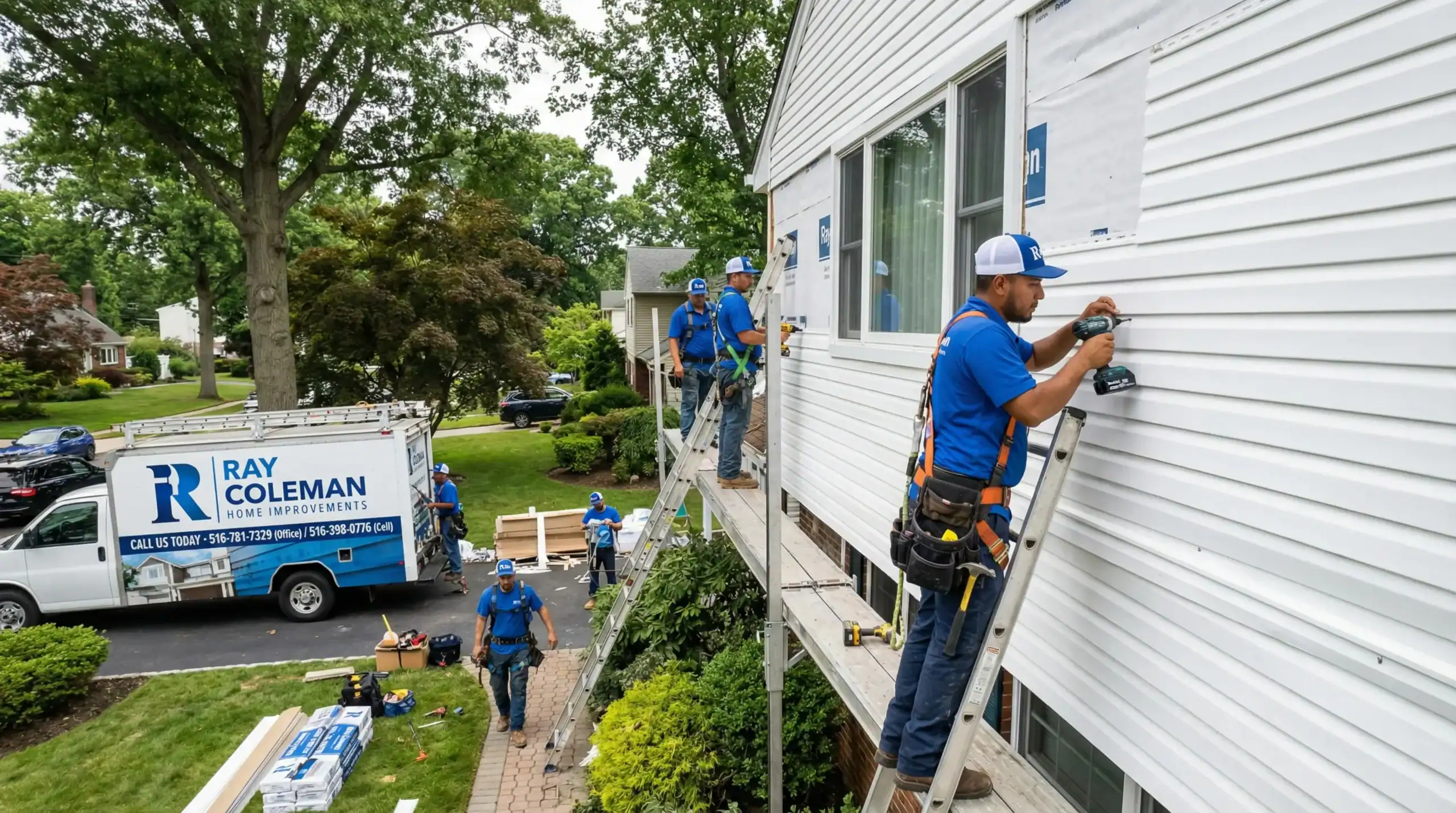
One of the biggest questions homeowners face is whether they can stay in the house during construction. The answer depends on the scope and approach.
With a phased renovation, staying in your home is usually more feasible. If you’re renovating one room at a time, you can often maintain functionality in other parts of the house. You’ll still deal with noise, dust, and contractors coming and going, but you’re not losing access to everything at once. That said, you’re living in a construction zone repeatedly—every time a new phase starts, you’re back to the disruption.
With a whole house renovation, staying becomes more difficult. If you’re gutting the kitchen, updating bathrooms, and addressing flooring and systems throughout the house, you may not have a functioning kitchen for weeks. Bathrooms might be out of service. Dust spreads even with containment measures. For families with young children, pets, or anyone working from home, that level of disruption can be overwhelming.
Many Nassau County homeowners doing whole house renovations choose to move out temporarily—staying with family, renting short-term, or timing the project around a planned vacation. It adds cost, but it also means you’re not trying to cook dinner in a construction zone or navigate around crews every morning.
If you stay, preparation matters. Designate one room as off-limits to contractors—a space where you can retreat from the chaos. Set up a temporary kitchen in another area if your main kitchen is being renovated. Plan for dust by sealing off vents and using air purifiers. And communicate clearly with us about daily schedules, access, and cleanup expectations.
The reality is that living through any major renovation is uncomfortable. The question is whether you want that discomfort concentrated into a few months or spread out over years.
Phasing works best when your home is mostly in good shape and only certain areas need attention. If your kitchen is outdated but your bathrooms are fine, there’s no reason to renovate the bathrooms just for the sake of doing everything at once. Phasing also makes sense if you need to live in the home during construction and don’t have the flexibility to relocate temporarily.
Budget constraints are another valid reason to phase. If you don’t have the full amount upfront and can’t or don’t want to finance the entire project, spreading costs over time keeps the renovation moving forward without overextending financially. Just be aware that the total cost will likely be higher than if you’d done it all at once.
Where phasing doesn’t make sense is when multiple areas of your home need work and those areas are interconnected. If you’re updating the kitchen and plan to address adjacent rooms later, you’ll end up redoing finishes, flooring, or paint to make everything match. If your electrical panel needs upgrading to support modern appliances, it makes more sense to do that work once while walls are already open, rather than opening them again later for additional updates.
Phasing also doesn’t work well if you’re planning to sell in the near future. Buyers value cohesive, move-in-ready homes. A house where the kitchen looks brand new but the bathrooms are decades old sends mixed signals and can hurt resale value. If your goal is to maximize return on investment before selling, a whole house renovation delivers better results.
The decision comes down to your priorities. If flexibility and budget management are most important, phasing can work. If you want the project done quickly, costs controlled, and design cohesion maintained, doing it all at once is the better approach.
Choosing between a whole house renovation and a phased approach isn’t about which one sounds easier. It’s about which one aligns with your budget, timeline, and tolerance for disruption. Both strategies work—but they work for different situations and different homeowners.
If you have the budget, want the project done quickly, and can relocate temporarily, renovating all at once saves money, delivers design cohesion, and gets you back to normal life faster. If you need to spread costs over time, plan to stay in the home, or only certain areas need work, phasing gives you flexibility—just expect to pay more overall and live through construction longer.
What matters most is working with a contractor who understands both approaches and can help you make the right call for your specific situation. We’ve handled whole house renovations in Nassau County for over 50 years, and we know what to expect when walls come down in older homes. We know how to coordinate trades, manage timelines, and keep you informed throughout the process.
If you’re ready to move forward with a whole house renovation—whether all at once or phased—we’ll walk you through the options, give you a realistic timeline and budget, and make sure the work gets done right.
Summary:
Share: