Most homeowners ask the wrong questions before hiring a contractor. Here's what to ask — and what the answers should actually sound like.
Most people searching for a contractor on Long Island start by asking the wrong people. They post on Nextdoor, get a few names, and then show up to an estimate without knowing what to actually ask. The contractor seems fine. The price sounds reasonable. They sign something and hope for the best. That works out sometimes. Other times, it really doesn’t.
If you’re planning a serious renovation — a kitchen, a dormer , a first-floor overhaul — the questions you ask before you hire someone matter more than almost anything else. Here’s what to ask, what good answers sound like, and one question almost nobody thinks to ask until it’s too late.
Before you ask a single question, it helps to know who you’re talking to. A specialty contractor — a plumber, an electrician, a roofer — handles one trade. A general contractor coordinates the whole project, manages the subs, and takes responsibility for everything from demo to the final walkthrough.
For smaller, single-trade jobs, a specialist makes sense. For anything that touches multiple systems — a kitchen that involves plumbing, electrical, and carpentry, or a dormer that requires structural work, roofing, and interior finishing — you need a GC. Hiring the wrong type leads to coordination problems that cost real money.
If your project has more than one moving part, start your search with a general contractor.
The questions that actually separate good contractors from bad ones aren’t the obvious ones. Everyone knows to ask about price. Here’s what most homeowners forget.
**Ask whether they’re licensed with Nassau County’s Department of Consumer Affairs.** Nassau County requires all home improvement contractors to hold a valid DCA license — and that license number should appear on any contract they hand you. If they can’t give you a number on the spot, that’s your answer. You can verify any contractor’s license status directly through the Nassau County DCA before you sign anything.
**Ask who will be on your job site every day.** Not who manages the project from an office — who is physically present, making decisions, and accountable when something comes up. This matters more than most people realize. A lot of contractors send a crew and check in once a week. When a problem surfaces mid-project — and something always does — you want someone reachable, not someone you have to chase.
**Ask how they handle unexpected costs.** Every large renovation has surprises. A contractor who gives you a vague answer here is telling you something. What you want to hear is a clear explanation of how change orders work, how they communicate before spending money that wasn’t in the original scope, and how the payment schedule is structured.
New York consumer protection guidance suggests no more than one-third of the total project cost upfront. If someone is asking for more than that before a nail has been driven, pay attention.
**Ask about their warranty on workmanship.** Industry standard on residential work ranges from one to five years depending on the project. A contractor who offers a written five-year guarantee on their work is putting something on paper — which is a different commitment than a verbal assurance.
**Finally, ask how they prefer to communicate during the project.** Do they send daily updates? Do they text or call? What’s the best way to reach them if you have a question at 9 AM on a Tuesday? The answer tells you a lot about what the project will actually feel like to live through.
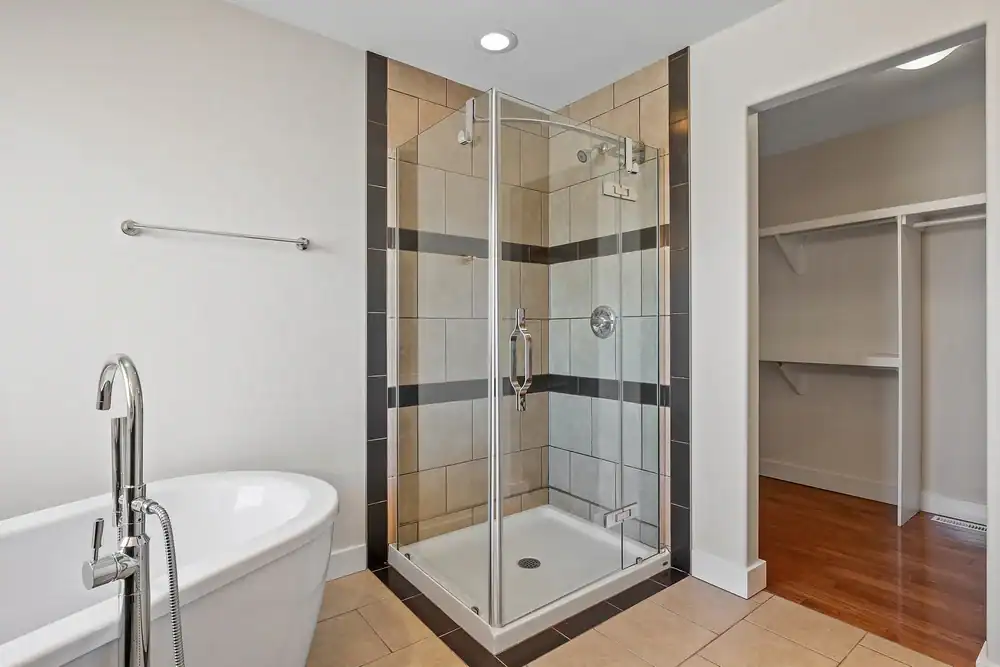
Bathroom remodels come with a specific set of complications that a general renovation question list won’t fully cover. The space is small, but the systems involved — plumbing, electrical, waterproofing, ventilation — make it one of the more technically demanding projects in a home.
**Ask whether the project will require permits.** In Nassau County, bathroom work that involves moving plumbing or upgrading electrical typically requires a permit through the relevant town building department — the Town of Hempstead, Town of North Hempstead, or Town of Oyster Bay, depending on where you live. Each has its own process. A contractor who knows your municipality and has pulled permits there before is worth more than one who’s learning the system on your dime.
**Ask specifically about waterproofing behind the tile.** This is the question most homeowners never think to ask, and it’s the one that leads to mold problems three years later. A contractor who volunteers the answer before you ask it — explaining their approach to the shower pan, the membrane, the backer board — is showing you their standard of work without being prompted.
**Ask who does the tile work.** Is it an in-house crew or a subcontractor? If it’s a sub, are they covered under the same insurance as the primary contractor? Uninsured subcontractors are a liability exposure for you, not just for the contractor.
**Ask about ventilation.** Older Nassau County homes — the postwar Capes and split-levels that make up a huge portion of the housing stock in towns like Wantagh, Seaford, and Massapequa — often have inadequate bathroom ventilation. If the existing fan is venting into the attic instead of outside, that’s a code violation and a moisture problem waiting to happen. An experienced local contractor knows to flag this before the project starts, not after the ceiling is back up.
**Ask for a realistic timeline and what disruption looks like day to day.** A bathroom remodel in an occupied home is genuinely disruptive. You want to know how many days the shower will be unusable, whether the toilet will be out of commission, and what the crew’s schedule looks like. A contractor who gives you a specific, honest answer — even if it’s not what you want to hear — is giving you something more valuable than an optimistic estimate.
Want live answers?
Connect with a Ray Coleman expert for fast, friendly support.
Every contractor will give you a reference list. Most people call, hear “yeah, they were great,” and hang up feeling reassured. That’s not a reference check — that’s a formality. The references a contractor gives you are people they’ve chosen because they expect a positive response.
That doesn’t mean the call is useless. It means you have to ask the right questions to get past the surface.
The goal isn’t to catch the contractor in a lie. It’s to get a real picture of what working with them is actually like — the communication, the surprises, the cleanup, the finish line.
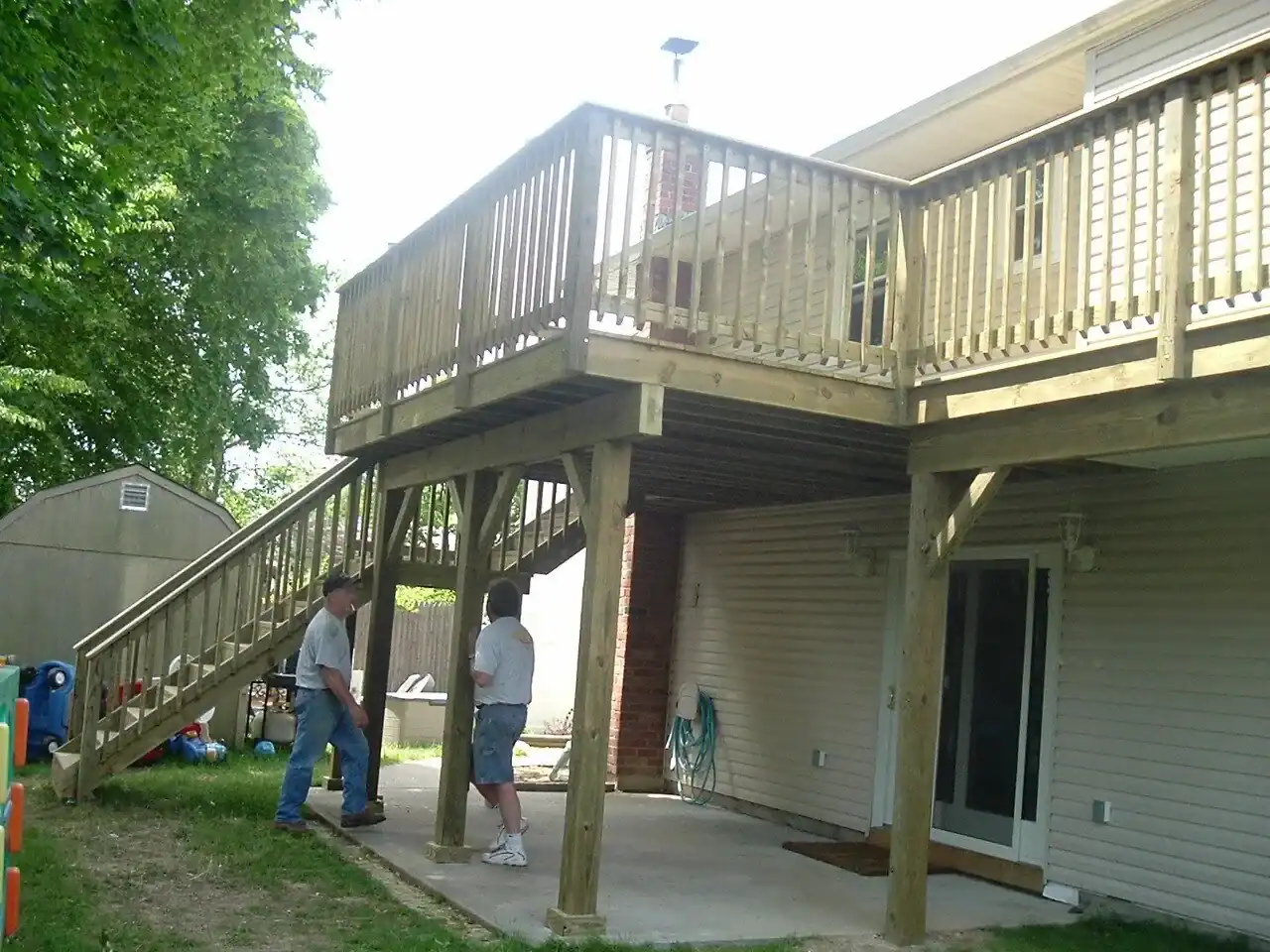
**Start by confirming the basics:** what was the project, when was it done, and roughly what was the scope? This tells you whether the reference’s experience is actually relevant to yours. If you’re planning a dormer addition and the reference had a deck built, the comparison only goes so far.
**Then ask whether the project came in on budget.** Not “were you happy with the price” — that’s too easy to answer positively. Ask specifically whether the final cost matched what was on the original contract, and if not, how the contractor handled the conversation about additional costs. Did they communicate before spending? Or did the number just show up on the final invoice?
**Ask whether the project finished on time.** And if it didn’t, ask why. Weather, supply delays, and permit timing are legitimate factors. A contractor who disappeared for two weeks mid-project and offered no explanation is a different story.
**Ask what the job site looked like at the end of each day.** This sounds like a small thing, but it tells you a lot. Homeowners who are living in their house during a renovation notice the cleanup. If the crew left tools everywhere, tracked mud through the kitchen, and left debris in the driveway every night, that’s the kind of detail a reference will remember.
**Ask how the contractor handled problems when they came up.** Because something always comes up. The answer here is the most revealing one on the list. A contractor who communicated proactively, explained the situation clearly, and offered a fair solution is showing you their character under pressure. A contractor who went quiet, got defensive, or passed the blame is showing you something else entirely.
**Finally, ask whether they would hire this contractor again.** And then let there be a pause. The hesitation — or the lack of it — tells you more than the words.
Long Island’s home improvement market is competitive in a way that’s specific to this area. Nassau County has an enormous amount of older housing stock — most of the homes in towns like Levittown, Wantagh, Elmont, and Hicksville were built between 1945 and 1965, which means they’re now 60 to 80 years old.
These homes have aging electrical panels, galvanized plumbing, load-bearing walls in unexpected places, and attic clearances that make dormer work genuinely complex. A contractor who knows this housing stock — who has worked in these homes for decades — brings something that an out-of-area contractor simply can’t replicate.
The permit environment here adds another layer. Nassau County has three separate towns — Hempstead, North Hempstead, and Oyster Bay — and dozens of incorporated villages, each with its own building department and its own process. A contractor who has pulled permits in the Town of Hempstead knows what that department requires and how long the process takes. That local knowledge shortens timelines and prevents the kind of mid-project hold that leaves your house torn apart while paperwork catches up.
The referral culture on Long Island is also worth understanding. Nassau County homeowners talk to each other. Nextdoor threads, neighborhood Facebook groups, conversations at the end of the driveway — word travels. A contractor who has been operating in this market for decades and generates more than 60% of their business from referrals and repeat customers isn’t surviving on advertising. They’re surviving because people keep recommending them to their neighbors.
That’s the kind of track record that’s worth asking about directly. When you call a reference, ask how they found the contractor. If the answer is “my neighbor used them” — and then their neighbor used them too — you’re looking at something that’s genuinely hard to manufacture.
The questions in this guide aren’t complicated. But most homeowners don’t ask them — because nobody told them to, and because contractors who give vague answers rarely volunteer that they’re doing so. The goal isn’t to interrogate every contractor you meet. It’s to know what good answers sound like so you can recognize them when you hear them.
Verify the Nassau County DCA license. Ask who’s on site every day. Call the references and ask the questions that actually matter. And pay attention to how a contractor treats you before you’ve hired them — because that’s usually how they’ll treat you during the project too.
If you’re planning a large-scale renovation in Nassau County and want to talk through what your project involves, reach out to Ray Coleman Home Improvement. We’ll give you straight answers. We’ve been working in Nassau County for over 50 years, we’re ranked in the top 1% of 77,888 licensed New York contractors on BuildZoom, we answer the phone, and we show up every day.
Summary:
Share: