Discover practical strategies for completing a budget bathroom remodel in Nassau County without surprise costs, including cost-saving tips and what to expect from start to finish.
You’ve probably already called three contractors. Maybe one actually called you back with a number that made sense until they added “but that could change once we open up the walls.” The other two either ghosted you or gave you a range so wide it might as well have been a guess. Here’s what you actually need to know: a budget bathroom remodel in Nassau County is absolutely possible, but only if you understand where costs hide and how to plan around them. This isn’t about cutting corners—it’s about making smart decisions that keep your project on track financially while still getting a bathroom you’ll actually want to use. Let’s start with what “budget” actually means when you’re dealing with Long Island pricing.
The word “budget” gets thrown around like it means the same thing to everyone, but in Nassau County, realistic numbers matter more than wishful thinking. A true budget bathroom remodel here typically falls between $15,000 and $25,000 for a full renovation. That’s not a cosmetic refresh with new paint and a toilet—that’s a complete transformation with new fixtures, updated plumbing and electrical where needed, quality tile, and a vanity that doesn’t look like it came from a big-box clearance aisle.
The difference between a project that stays at $18,000 and one that balloons to $35,000 usually comes down to three things: layout changes, material choices, and what’s hiding behind your walls. If you’re moving your toilet, shower, or sink to a different spot, you’re rerouting plumbing—and that’s where labor costs climb fast. Every pipe that gets relocated means more hours, more materials, and often permits that add time and money.
Your best defense against budget creep is a plan that’s honest from the start. That means walking through your bathroom with a contractor who’s actually done this before, talking through what you want versus what you need, and getting a breakdown that shows where every dollar goes. Vague estimates aren’t estimates—they’re invitations for surprise costs three weeks into demo.
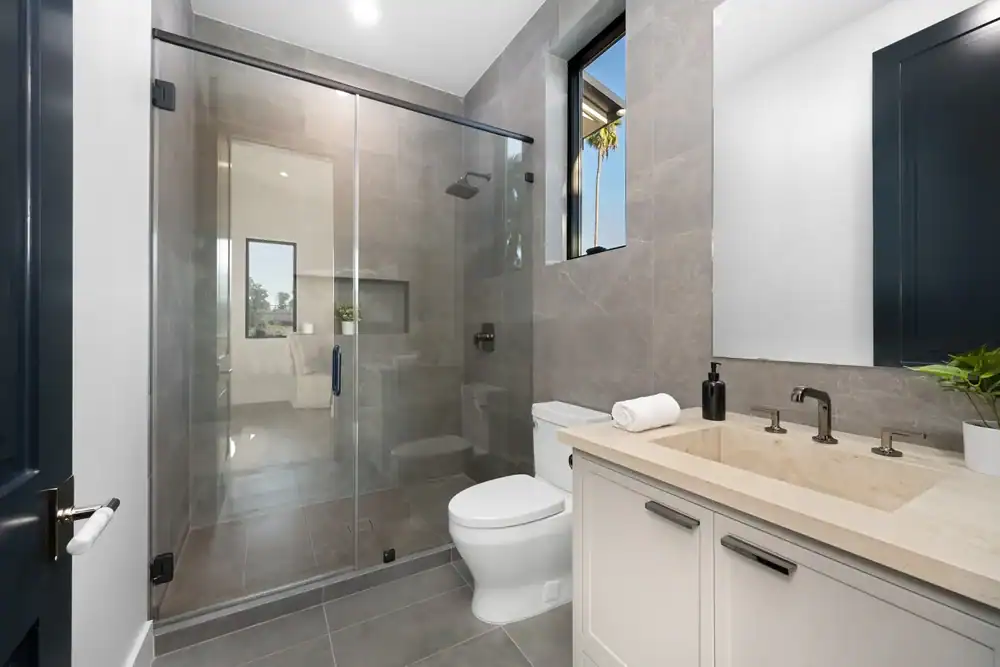
An affordable bathroom remodel isn’t about picking the cheapest everything and hoping it holds up. It’s about knowing where to invest and where you can save without your bathroom looking or feeling cheap five years from now. Start with your layout. If your current setup works—even if it’s not perfect—keeping your plumbing where it is can save you $2,000 or more right off the bat. That’s money you can put toward better tile, a solid vanity, or fixtures that won’t corrode in two years.
Paint is one of the most underrated tools in a budget remodel. A fresh coat in the right color can completely transform how your bathroom feels, and it costs a fraction of what you’d spend on new tile or a custom shower. Pair that with updated hardware—new cabinet pulls, towel bars, faucet handles—and you’ve just upgraded the entire look of the space for a few hundred dollars instead of a few thousand. These aren’t Band-Aid fixes. They’re strategic choices that let you allocate your budget where it actually makes a difference.
Fixtures are another area where you can be smart without being cheap. You don’t need the $800 rainfall showerhead to get a good shower. Mid-range fixtures from reputable brands perform just as well as luxury options and come with warranties that prove they’re built to last. The same goes for vanities—prefabricated doesn’t mean low quality. A well-chosen stock vanity in the right finish can look custom and cost half as much. The key is working with someone who knows the difference between cutting costs and cutting corners.
Tile is where a lot of budget remodels either shine or fall flat. Full wall-to-ceiling tile looks great in photos, but it’s expensive and not always necessary. Tiling strategically—around the shower, behind the vanity, on the floor—gives you that finished, high-end look without the labor costs of covering every surface. Choose durable, moisture-resistant materials that are easy to clean, and you’ll save money both upfront and over time. Porcelain tile, for example, mimics natural stone beautifully but costs significantly less and requires almost no maintenance.
Lighting is another place where small investments make a big impact. Swapping out a single overhead fixture for layered lighting—like sconces beside the mirror and recessed lights in the shower—completely changes how the bathroom functions and feels. LED fixtures cost more upfront but last longer and use less energy, which means lower utility bills and fewer replacements. It’s the kind of upgrade that pays for itself while making your bathroom actually usable.
The smartest affordable bathroom remodel ideas are the ones that solve real problems. If your bathroom feels cramped, a frameless glass shower door opens up the space visually without moving a single wall. If storage is an issue, a vanity with drawers instead of doors gives you better organization without custom cabinetry costs. These aren’t flashy changes, but they’re the ones you’ll appreciate every single day.
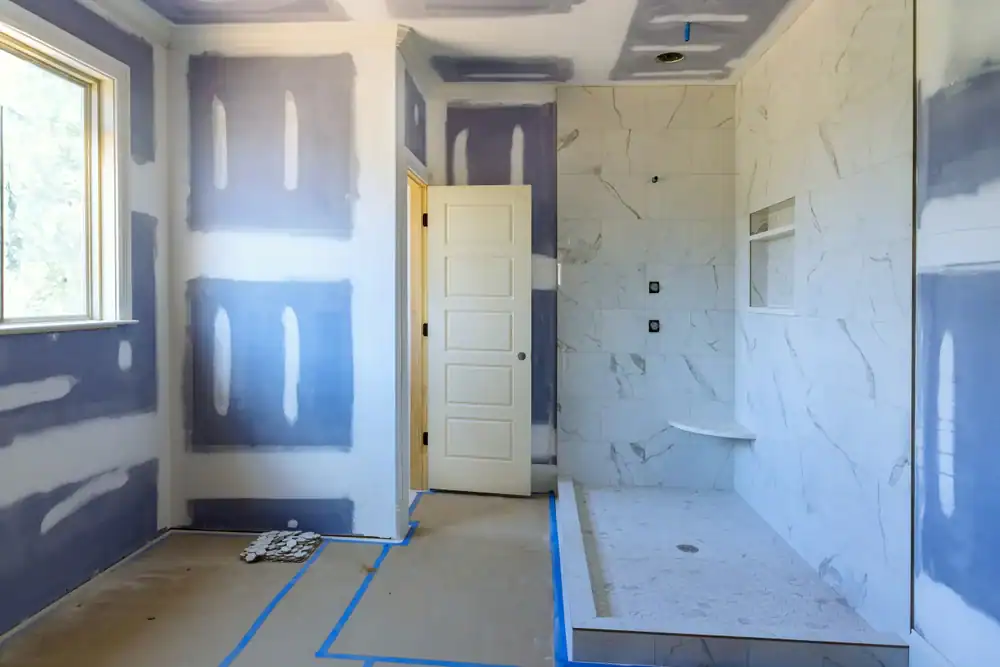
Hidden costs are the reason so many bathroom projects go over budget, and they’re not actually hidden—they’re just not talked about upfront by contractors who either don’t know better or don’t want to scare you off. The most common culprits are what’s behind your walls, under your floors, and inside your pipes. Once demo starts, you might find water damage from a slow leak that’s been going on for years, outdated wiring that doesn’t meet current code, or a subfloor that’s rotted through and needs replacing. None of that was visible when you got your estimate, but all of it has to be fixed before new tile goes down.
This is why a contingency budget matters. Set aside 15-20% of your total project cost for surprises. If you’re planning a $20,000 remodel, that’s another $3,000 to $4,000 in reserve. If nothing goes wrong, you keep that money or use it for an upgrade you wanted but didn’t think you could afford. If something does go wrong—and in older Nassau County homes, it often does—you’re not scrambling to figure out how to pay for it or compromising on the fix just to stay on budget.
Another hidden cost is permits. If your remodel involves moving plumbing, upgrading electrical, or making structural changes, you’ll need permits from Nassau County. Permit fees themselves aren’t huge, but the inspections and potential code upgrades that come with them can add time and money. A contractor who’s done this before will tell you upfront what permits you need and factor those costs into the estimate. One who doesn’t is either inexperienced or hoping you won’t ask until it’s too late to back out.
Material allowances are where a lot of homeowners get caught off guard. Some contractors will give you a quote with a “tile allowance” of $3 per square foot, knowing full well that the tile you’ll actually like costs $8 per square foot. When you go to pick materials and realize your budget doesn’t cover what you want, you’re stuck either paying more or settling for something you don’t love. The fix is simple: ask to see examples of what’s included in the allowance before you sign anything. If the contractor is basing their estimate on builder-grade materials and you’re envisioning something nicer, that gap needs to be addressed up front.
Labor costs can also shift if your project takes longer than expected. Delays happen—materials get backordered, inspections get rescheduled, unexpected issues pop up during demo. A good contractor builds buffer time into the schedule and communicates clearly when things change. A bad one will blame you for delays they should have anticipated and bill you for the extra time. This is why you want a detailed contract that specifies what’s included, what’s not, and how changes or delays get handled.
Scope creep is the final hidden cost, and it’s the one you have the most control over. It happens when you start adding things mid-project—maybe a heated floor sounds nice now that the old tile is out, or you decide you want a bigger vanity than you originally planned. Each of those decisions adds cost, and they add up fast. The way to avoid this is to make all your major decisions before demo starts. Walk through your bathroom, finalize your materials, lock in your layout, and commit to the plan. If you want to change something later, you can—but you’ll know it’s a choice, not a surprise.
The contractors who help you avoid hidden costs are the ones who walk you through all of this before work starts. We point out potential issues, explain what permits you need, show you realistic material options, and give you a timeline that accounts for the unexpected. We’re not trying to scare you—we’re trying to set you up for a project that actually finishes on budget and on time.
Want live answers?
Connect with a Ray Coleman expert for fast, friendly support.
A budget bathroom renovation in Nassau County isn’t the same as one in the Midwest or the South. Costs here run higher because of labor rates, material availability, and the age of most homes. The average project takes two to four weeks from start to finish, assuming you’re not moving major plumbing or dealing with structural issues. If you’re doing a straightforward remodel—new vanity, updated fixtures, tile refresh, maybe a new shower—you’re looking at the shorter end of that timeline. If you’re gutting the space, rerouting pipes, or upgrading electrical, plan on closer to six weeks.
Nassau County also has specific building codes and permit requirements that affect timelines and costs. Any work that involves plumbing, electrical, or structural changes requires permits, and those come with inspections. That’s not red tape—it’s making sure your bathroom is safe and up to code. A contractor who’s licensed and experienced in Nassau County knows how to navigate this process without unnecessary delays. One who doesn’t will either skip permits (which can come back to haunt you when you sell) or fumble through the process and add weeks to your project.
You’ll also want to think about living without your bathroom during construction. If it’s your only full bath, that’s a real inconvenience. Most contractors can work around you to some extent—scheduling loud work for when you’re not home, setting up temporary access to a toilet if needed—but there’s no way to make a full renovation completely non-disruptive. Dust, noise, and limited access are part of the deal. The key is working with a crew that cleans up daily so you’re not coming home to a disaster zone every night.
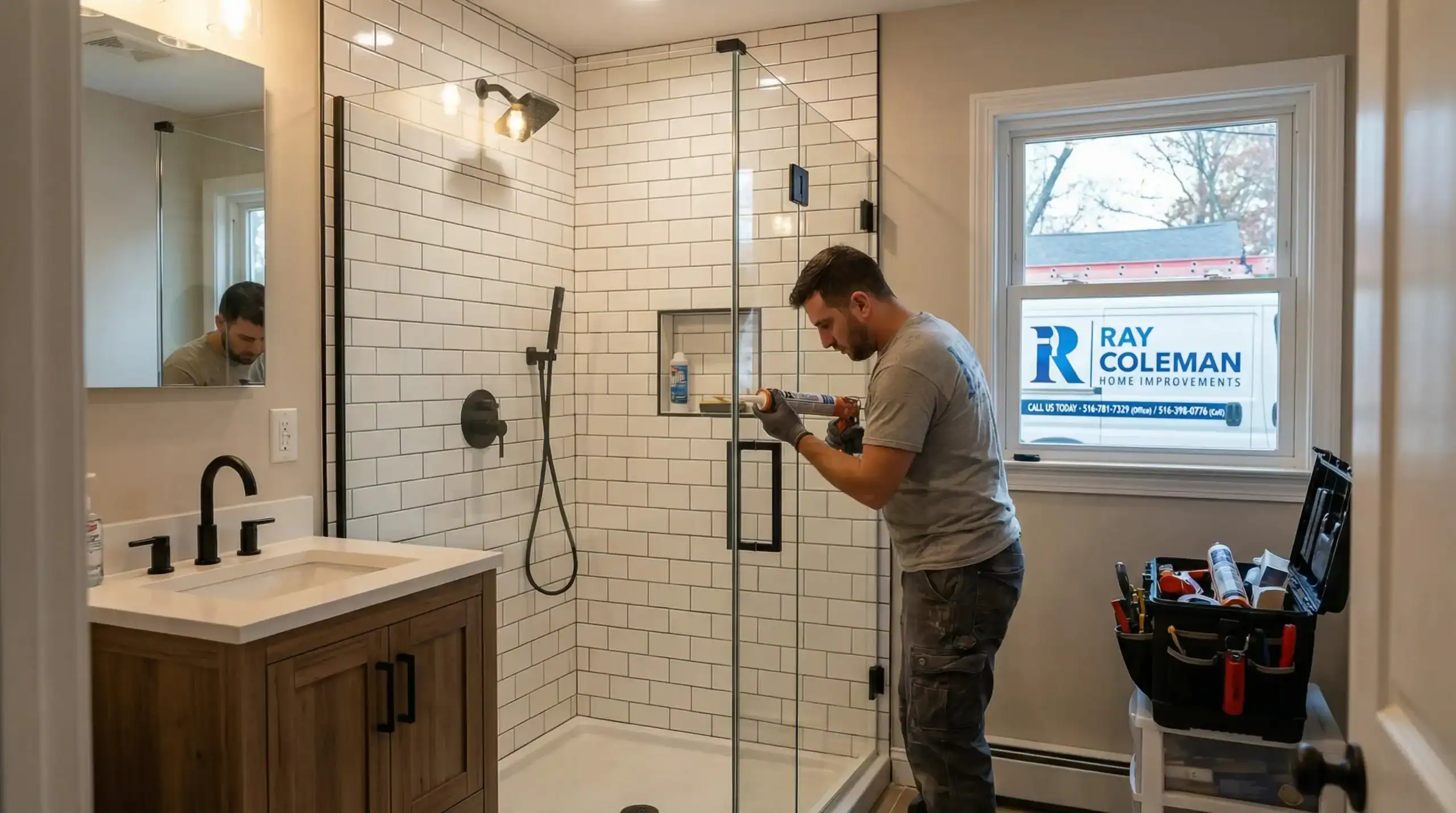
A low cost bathroom remodel is possible, but it requires discipline. You have to know what you’re willing to compromise on and what you’re not. Start by separating needs from wants. A functioning toilet is a need. A heated toilet seat is a want. A working shower is a need. A rainfall showerhead with body jets is a want. Once you’ve got that list, you can allocate your budget to the things that actually matter and skip the rest—or at least save them for a future upgrade.
Reusing what you can is another smart move, but only if it makes sense. If your vanity is solid wood, in good shape, and fits your layout, keep it and update the hardware and countertop instead of replacing the whole thing. If your bathtub is fine but the surround is dated, you can refinish the tub and replace just the surround. These aren’t always the right call—sometimes the existing fixture is too far gone or doesn’t fit the new layout—but when they work, they save significant money.
DIY can help, but only for the right tasks. Painting, demolition, and installing accessories like towel bars or mirrors are all things a handy homeowner can tackle. Plumbing, electrical, and waterproofing are not. Mistakes in those areas don’t just cost more to fix—they can cause serious damage or safety issues. If you’re trying to save money, ask your contractor if there are any tasks you can handle yourself to reduce labor costs. Most will work with you if you’re upfront about it from the start.
Shopping smart for materials is where you can make a real dent in costs without anyone noticing the difference. Floor models, clearance items, and overstock tile can all be high-quality products at a fraction of the retail price. You just have to be flexible—if you find a great deal on a vanity that’s slightly smaller than you planned, adjust your layout to make it work. If there’s a discontinued tile you love, buy extra so you have it for future repairs. These deals exist, but they require some hunting and willingness to adapt your plan.
Phasing your remodel is another option if your budget is tight. Start with the most critical updates—fixing any plumbing or electrical issues, replacing a broken toilet or leaking shower—and save cosmetic upgrades like new tile or a fancier vanity for later. This keeps your bathroom functional and safe now while giving you time to save up for the finishes you really want. It’s not the fastest approach, but it’s a lot smarter than maxing out credit cards or settling for cheap materials that won’t last.
The goal of a low cost bathroom remodel isn’t to spend as little as possible—it’s to spend wisely. That means investing in the things that affect function, safety, and longevity, and being strategic about where you save. A bathroom that costs $18,000 but lasts 15 years and works perfectly every day is a better value than one that costs $12,000 but needs repairs in three years. The contractors who understand that difference are the ones worth working with.
The contractor you choose will make or break your budget bathroom remodel. You can have the best plan, the smartest material choices, and a realistic budget, but if your contractor doesn’t communicate, doesn’t show up, or doesn’t stick to their estimate, none of that matters. Start by looking for contractors who’ve been in business for years—not months, years. Longevity in the Long Island remodeling market means they’re doing something right, and it means they’ll still be around if something needs fixing down the road.
Licensing and insurance aren’t optional. A licensed Nassau County contractor has met the requirements to legally do this work, and insurance protects you if something goes wrong on the job. If a contractor can’t show you proof of both, walk away. It doesn’t matter how good their price is or how friendly they seem—you’re taking on risk you don’t need to take. The same goes for permits. If a contractor suggests skipping permits to save money, that’s a red flag. Unpermitted work can cause problems when you sell, and it’s a sign the contractor either doesn’t know the rules or doesn’t care about following them.
Communication is the thing most homeowners undervalue until it’s too late. Pay attention to how a contractor responds before you hire them. Do they answer when you call, or do you leave three voicemails and wait two days for a callback? Do they show up on time for the estimate, or do they reschedule last minute? Do they explain things clearly, or do they talk in circles and avoid giving you straight answers? How they treat you before they have your money is how they’ll treat you after.
References and reviews matter, but you have to read them the right way. Don’t just look at the star rating—read what people actually say. Are there patterns in the complaints? Do multiple people mention the same issue, like poor communication or messy job sites? Are the positive reviews specific, or do they all sound like generic five-star fluff? Talk to past clients if you can. Ask them if the project stayed on budget, if the timeline was accurate, and if they’d hire the contractor again. Those answers will tell you more than any online review.
The estimate itself is a major clue. A good estimate breaks down labor, materials, permits, and timelines in detail. It tells you what’s included and what’s not. It explains how changes or unexpected issues will be handled. A bad estimate is a single number with no explanation, or a range so wide it’s meaningless. If a contractor won’t put it in writing or pressures you to sign immediately, that’s not someone you want in your home for six weeks. Take your time, get multiple estimates, and compare them not just on price but on what’s actually included.
Finally, trust your gut. If something feels off—if the contractor is evasive, if the price seems too good to be true, if they’re pushing you to make decisions before you’re ready—listen to that instinct. There are plenty of good contractors in Nassau County who will treat you fairly, communicate clearly, and deliver quality work on budget. You don’t have to settle for one who won’t.
A budget bathroom remodel in Nassau County is absolutely doable if you go in with realistic expectations and a solid plan. That means understanding what things actually cost here, knowing where you can save without compromising quality, and working with a contractor who’s honest from the start. It means setting aside money for surprises, making your material decisions before demo starts, and keeping your plumbing layout intact when possible. Most importantly, it means choosing a contractor based on communication, experience, and transparency—not just whoever gives you the lowest number.
Your bathroom should work for how you actually live, not just look good in photos. It should be built to last, not just built to a price point. And the process of getting there shouldn’t involve surprise costs, unreturned calls, or a house that looks like a construction zone for months on end.
If you’re ready to move forward with a bathroom remodel that stays on budget and gets done right, we’ve been handling these projects in Nassau County for over 50 years. The work gets done on time, the job site stays clean, and when you call, we actually answer.
Summary:
Share: