
Your home doesn’t have the space it used to. Kids are getting older, work-from-home setups need dedicated rooms, or you’re just tired of tripping over storage boxes in hallways. Moving sounds expensive and exhausting, especially in South Farmingdale where you’ve built a life.
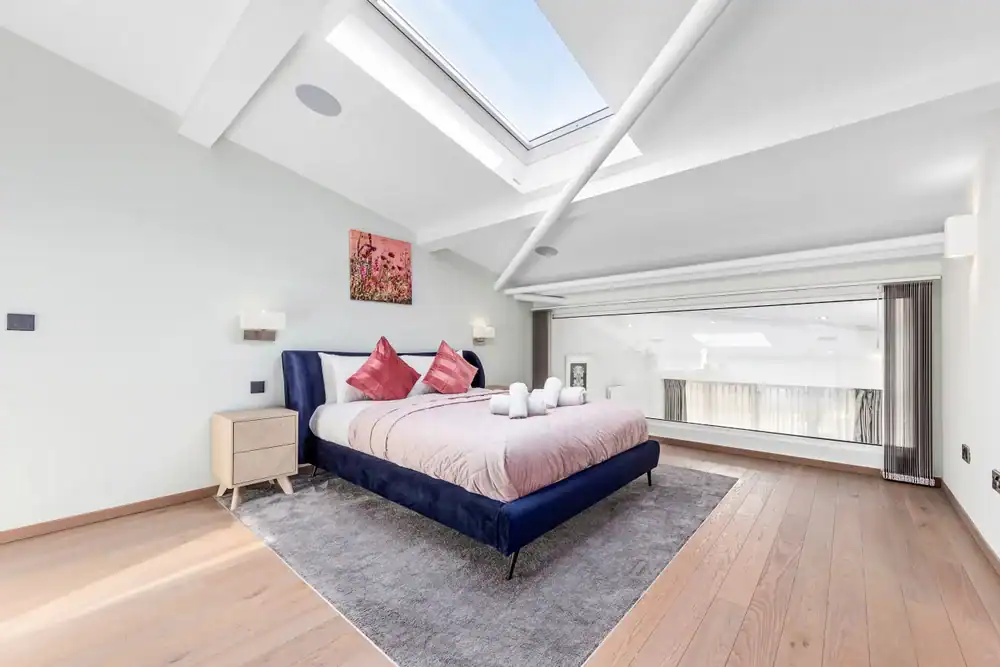
A dormer gives you the square footage you need by transforming that cramped, dark attic into actual living space. We’re talking about a real bedroom, a home office with windows, or finally having a guest room that doesn’t double as your junk storage. You stay in your neighborhood, keep your mortgage rate, and avoid the chaos of selling and moving.
The work happens on your roof and attic. Your daily routine stays mostly intact. And when it’s done, you’ve got a room that feels like it was always part of the house—not some awkward add-on that screams “afterthought.”
Dormers also bring in natural light, which makes the new space feel bigger and more comfortable. Plus, you’re adding real value to your property. Most homeowners recoup 65-80% of the cost when they sell, but more importantly, you get to enjoy the space now while you’re actually living there.
We’ve been handling large-scale home improvement projects across Nassau and Suffolk County since the early 1980s. Dormers, extensions, full renovations—these are the jobs we actually want to do, not the side work we squeeze in between smaller gigs.
South Farmingdale homes, especially the Cape Cods and Colonials that dominate the area, are perfect candidates for dormer additions. We know the local building codes, the zoning restrictions that limit outward expansion, and how to navigate permit processes when needed. We also know when permits aren’t required, which saves you time and money.
You’ll work with a licensed, insured, and bonded contractor who answers the phone, responds to texts, and keeps you informed at every step. Our crews show up on time, keep the job site clean, and treat your home like it’s our own. We’ve built long-term relationships with homeowners across Long Island because we do what we say we’re going to do—and we don’t disappear halfway through the project.
First, we walk through your home and attic to assess the structure, measurements, and what’s actually possible. Not every attic can support a dormer, and we’ll tell you straight up if yours can’t. If it can, we’ll talk through design options—shed dormers, gable dormers, or a combination depending on your goals and budget.
Once you approve the design and estimate, we handle any necessary permits and inspections. Then the real work starts. We open up the roof, frame the dormer structure, and extend your roofline. This is where experience matters—waterproofing, load-bearing walls, and proper ventilation aren’t things you want a rookie figuring out on your house.
After the exterior is weathertight, we move inside. Walls go up, insulation gets installed, and we match the flooring and finishes to your existing bedroom or living space. Electrical and HVAC get integrated so the new room functions like the rest of your house. We coordinate inspections as needed and keep you updated on progress throughout.
The timeline typically runs 4 to 12 weeks depending on the size and complexity of the dormer. Weather can cause delays, and so can permit backlogs, which are common in Nassau County. We’ll give you a realistic timeline upfront and let you know immediately if anything changes.
Ready to get started?
A dormer isn’t just cutting a hole in your roof and calling it done. You’re getting a full structural addition that integrates with your existing home. That means framing, roofing, siding that matches your house, windows, insulation, drywall, flooring, electrical, and HVAC adjustments.
We handle everything from design through final inspection. You’re not coordinating five different subcontractors or wondering who’s responsible when something goes wrong. One crew, one point of contact, one company that’s accountable for the entire project.
In South Farmingdale, dormer costs typically range from $15,000 to $50,000 depending on size, materials, and how much interior finishing you want. That’s lower than adding a ground-level extension in many cases, especially when lot sizes and zoning rules limit your options. And because you’re building up instead of out, you’re not sacrificing yard space or dealing with foundation work.
Long Island construction costs run higher than many other regions, but you’re also adding value to a home in a competitive real estate market. The investment makes sense when you compare it to the cost and disruption of moving, especially if you’re happy with your location, schools, and commute.
Most dormer projects take between 4 and 12 weeks from start to finish. The timeline depends on the size of the dormer, the complexity of your roof structure, and whether permits are required.
Smaller shed dormers on straightforward roof structures can move faster. Larger dormers or homes with complicated rooflines take longer. Weather also plays a role—we can’t leave your roof open during heavy rain or snow, so winter projects sometimes stretch out.
Permit delays are common in Nassau County. Even when everything’s submitted correctly, it can take weeks to get approval. We build that into the timeline and keep you updated if anything changes. The actual construction work is predictable once we get started, but the pre-work and inspections are where delays usually happen.
Yes, and that’s a major part of the design process. A dormer should look like it was always part of your house, not something slapped on as an afterthought.
We match your existing roofline, siding, windows, and trim so the dormer blends seamlessly with the rest of the structure. For Cape Cod and Colonial homes—which are common in South Farmingdale—we’ve done this work hundreds of times and know exactly how to maintain the architectural style.
Inside, we match flooring, paint, and finishes to your existing rooms. If you’re adding a dormer to create a second-floor bedroom, it should feel like a natural extension of the hallway and other bedrooms, not a separate add-on. The goal is cohesive design that increases your home’s value and curb appeal, not just square footage.
It depends on the scope of the project and local building codes. Many dormer additions do require permits in Nassau County, especially if you’re adding significant square footage or altering the roofline substantially.
We handle the permit process for you when it’s required. That includes submitting plans, coordinating inspections, and making sure everything meets code. It’s not something you want to skip—unpermitted work can cause serious problems when you try to sell your home or file an insurance claim.
In some cases, smaller dormer projects or specific types of roof extensions don’t require permits. We’ll tell you upfront what’s needed for your specific situation. Our goal is to keep the project moving without surprises, and that means handling the paperwork correctly from the start.
Most homeowners recoup between 65% and 80% of their dormer investment when they sell. That’s a solid return compared to many other home improvement projects, but the real value is in the extra space you get to use while you’re still living there.
A dormer adds functional square footage, which directly impacts your home’s appraised value. You’re also improving curb appeal and making your home more attractive to buyers who need extra bedrooms or office space. In South Farmingdale’s competitive real estate market, homes with more usable space sell faster and for higher prices.
Beyond resale value, you’re solving a real problem now. If the choice is between spending money on a dormer or spending significantly more to move into a bigger house, the dormer usually makes more financial sense. You avoid closing costs, moving expenses, higher property taxes, and the stress of uprooting your family from a neighborhood you already like.
Yes, that’s one of the most common reasons homeowners add dormers. Attics are usually too cramped and dark to function as actual living space, but a dormer changes that by adding headroom and natural light.
We assess your attic’s structure first to make sure it can support the conversion. Floor joists need to handle live loads, not just storage weight. Ceiling height matters—you need enough clearance for the space to feel comfortable and meet code requirements. And we need to figure out how to integrate HVAC, electrical, and access stairs if they’re not already in place.
Once the dormer is built, you’ve got a real bedroom with windows, proper insulation, climate control, and finishes that match the rest of your house. It’s not a creaky attic with a mattress on the floor—it’s a functional room that adds real value and usability to your home. Families use these spaces for kids’ bedrooms, guest rooms, home offices, or even primary bedroom suites depending on the size and layout.
A shed dormer runs horizontally along your roofline and has a single sloped roof. It’s the most common type because it maximizes interior space and headroom. If your goal is to add as much usable square footage as possible, a shed dormer usually makes the most sense.
A gable dormer is smaller and projects out from the roof with a peaked, triangular front. These are often used for aesthetic reasons or when you only need to add a window and a bit of extra space in a specific area. They don’t add as much square footage as shed dormers, but they can enhance your home’s curb appeal and architectural character.
Some homes use a combination of both—a large shed dormer for the main space and smaller gable dormers for visual interest. We’ll walk you through the options based on your home’s structure, your budget, and what you’re trying to accomplish. The right choice depends on your specific situation, not a one-size-fits-all recommendation.
Other Services we provide in South Farmingdale