
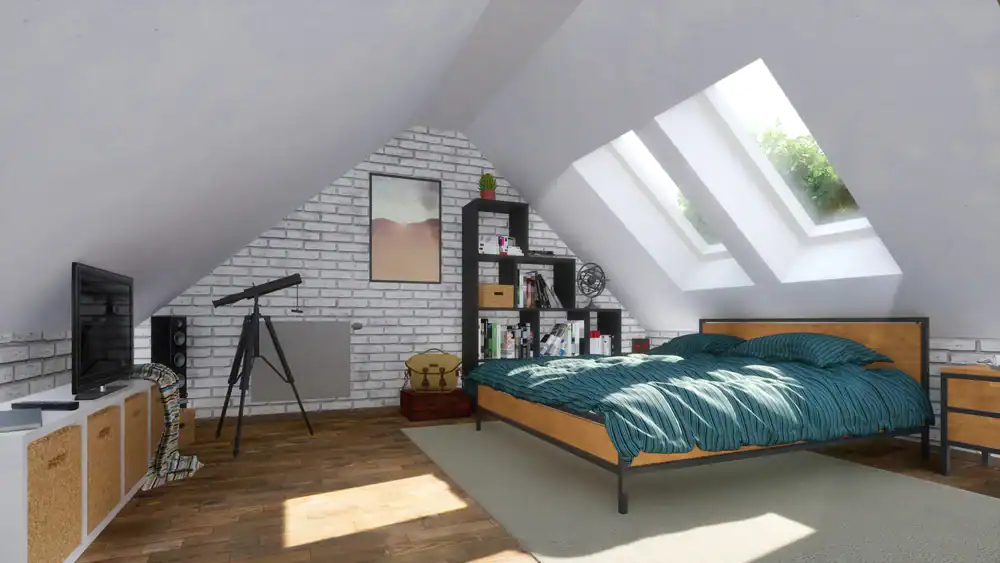
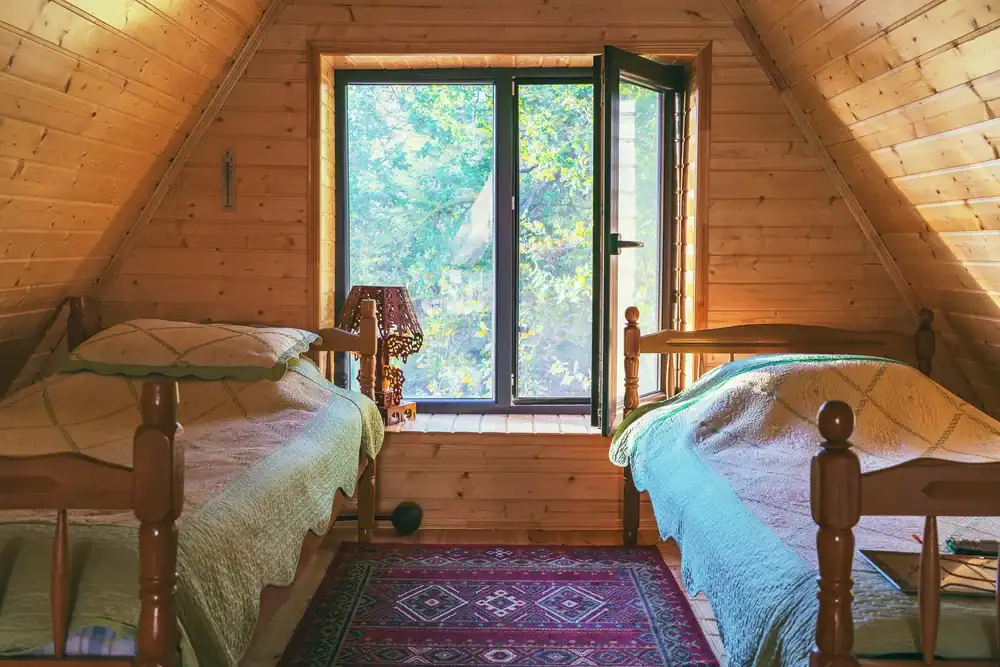
You’re not looking to move. You like your neighborhood, your schools, your commute. But your house feels smaller every year—kids getting older, parents working from home, storage spilling into hallways.
A dormer lets you go up instead of out. It brings natural light into spaces that used to be dark and unusable. It adds square footage without eating into your yard or violating setback rules that make ground-level additions nearly impossible in Sands Point.
Most homeowners see between 60% and 80% return on investment when they add a dormer. That’s not just because you’re adding space—it’s because you’re adding the right kind of space. Bedrooms, bathrooms, and home offices are what buyers look for. Dormers deliver all three without the cost or disruption of tearing into your foundation.
You get a room that feels like it was always part of the house. Better airflow. Real windows. Enough ceiling height to stand up straight. And you stay in the home you already love.
We’ve been handling large-scale renovations across Long Island since 1972. We’re a family-owned general contractor that specializes in the kind of work most companies avoid—dormers, extensions, first-floor gut jobs, full kitchen and bathroom remodels.
Over sixty percent of our work comes from referrals. That’s not because we’re cheap—it’s because we answer the phone, show up when we say we will, and keep the job site clean. We’ve had customers call us back three and four times for different projects.
Sands Point has strict zoning rules and limited lot sizes. Most homes here can’t expand outward without running into setback violations or losing too much yard. That’s why dormers make sense—they let you build up where the code allows it, and they don’t require the same level of site work as a ground-level addition. We handle the permits, the engineering, and the inspections so you don’t have to.
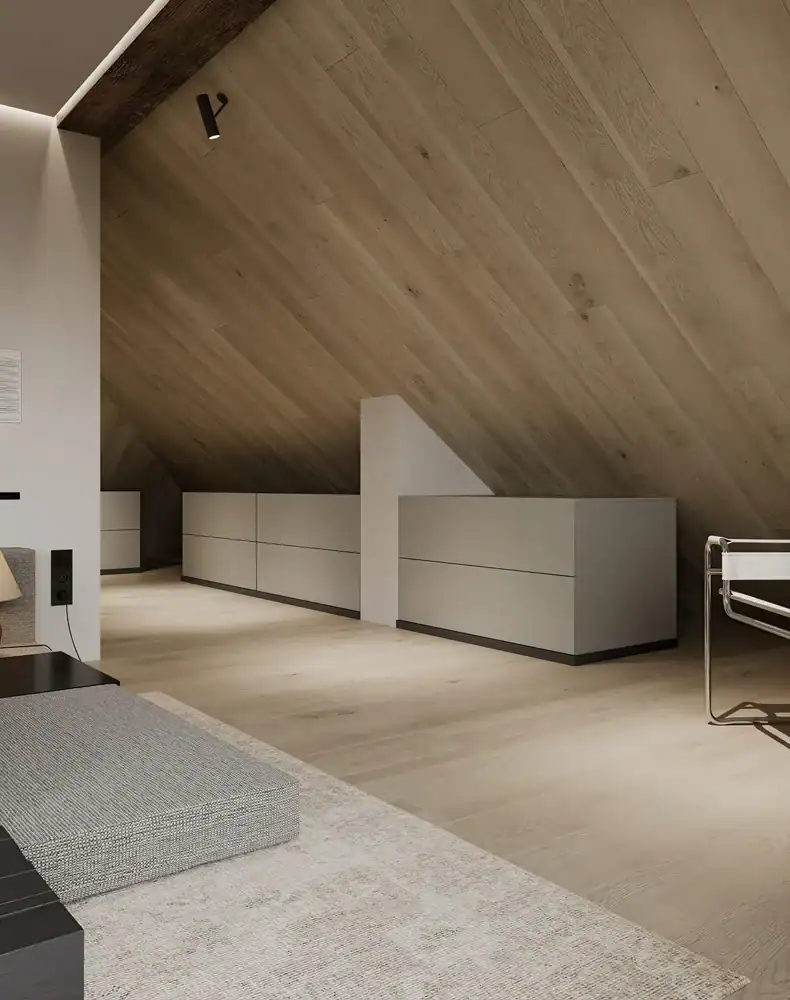
We start with a site visit to measure your attic, check your roof framing, and talk through what you actually need. Some homeowners want a full shed dormer across the back of the house. Others just need a gable dormer to add a bathroom or bump out a bedroom.
Once we agree on the scope, we pull the permits. Long Island requires building permits for all dormer work, and we handle the submissions, the code compliance, and any back-and-forth with the building department.
Construction typically takes six to ten weeks depending on size and weather. We open up the roof, frame the dormer structure, install windows, and tie everything into your existing roofline. Then we insulate, drywall, and finish the interior so it matches the rest of your house.
You’ll have dust and noise during demo and framing, but we clean up at the end of every day. We don’t leave tarps flapping or materials scattered across your driveway. And if something comes up—a frozen pipe, a leak, an issue that needs attention outside of business hours—we pick up the phone.
Ready to get started?
Every dormer project includes structural framing, roofing, windows, insulation, drywall, and interior finish work. We’re not handing you an empty shell—you get a finished room that’s ready to use.
In Sands Point and across Nassau County, most homeowners are dealing with older homes that weren’t built with expansion in mind. Roof pitches vary. Ceiling joists aren’t always sized for live loads. Electrical and HVAC need to be extended into the new space. We handle all of that as part of the job.
We also coordinate inspections and make sure everything is up to code before we close up walls. That matters when you go to sell. Unpermitted work shows up during home inspections, and it kills deals. We do it right the first time so you don’t have problems five years down the road.
If you’re adding a bathroom, we run the plumbing. If you need more closet space, we frame it in. If you want recessed lighting or a ceiling fan, we rough in the electrical. The goal is to give you a space that works the way you need it to—not just a box with a window.
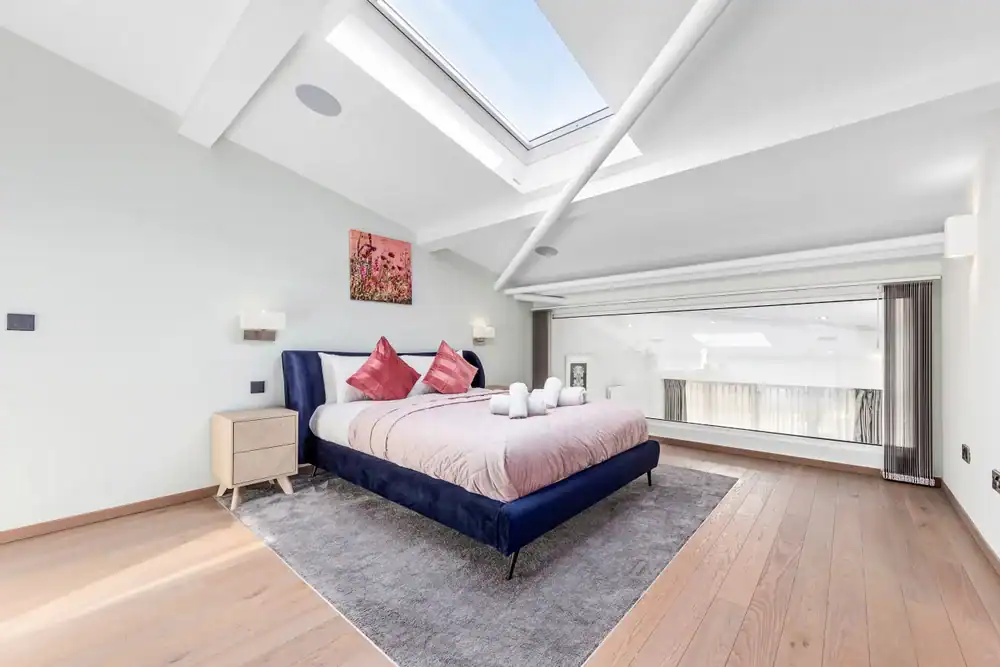
Cost depends on the size and type of dormer you’re building. A small gable dormer that adds a bathroom or expands a bedroom might run between $25,000 and $40,000. A full shed dormer that opens up the entire attic and adds multiple rooms can go well into six figures.
The price includes framing, roofing, windows, insulation, drywall, electrical, and finish work. If you’re adding plumbing for a bathroom, that’s extra. Same with HVAC if you need to extend ductwork into the new space.
Long Island labor and material costs are higher than other parts of the country, and permit fees in Nassau County add to the total. But you’re also getting a return on investment between 60% and 80%, which is better than most other home improvements. If you’re planning to stay in your home for more than a few years, a dormer pays for itself in added value and usable space.
Yes. All dormer construction in Sands Point requires a building permit, and the work has to meet Long Island residential building codes. That includes structural plans, energy code compliance, and inspections at multiple stages of the project.
We handle the permit process from start to finish. That means submitting drawings, coordinating with the building department, and scheduling inspections. Permit timelines vary depending on how backed up the town is, but you should plan for at least a few weeks between application and approval.
Skipping permits is a bad idea. Unpermitted work shows up during home inspections when you sell, and buyers either walk away or demand that you legalize everything before closing. That can mean tearing out finished work, hiring an engineer to certify the structure, and paying fines. It’s cheaper and faster to do it right the first time.
Most dormer projects take between six and ten weeks once we start construction. That includes framing, roofing, windows, insulation, drywall, and interior finishes.
Weather can slow things down, especially in winter. We can’t leave your roof open during a storm, so if rain or snow is in the forecast, we adjust the schedule. Permit delays also add time on the front end—sometimes the building department takes longer to review plans or schedule inspections.
The actual construction happens in phases. We open up the roof and frame the dormer in the first week or two. Then we install windows, tie in the roofing, and close everything up so the house is weathertight. After that, we move inside to run electrical, insulate, hang drywall, and finish the space. You’ll see progress every week, and we keep the job site clean so you’re not living in a construction zone the entire time.
A gable dormer is the smaller, triangular structure that sticks out from the roof. It usually has one window and adds headroom in a specific area—enough to fit a bathroom, a closet, or a small office. Gable dormers work well if you just need to bump out one section of the attic without doing a full conversion.
A shed dormer runs along the length of the roof and opens up the entire attic. It has a long, sloped roof that creates much more usable space and allows for multiple windows. Shed dormers are what most people choose when they want to add a full bedroom, a master suite, or a home office with real square footage.
Shed dormers cost more because they’re bigger and require more structural work, but they also give you the most return on investment. If your goal is to add a bedroom or a bathroom that actually increases your home’s value, a shed dormer is usually the better option. Gable dormers are great for smaller projects where you just need a little extra light and headroom in one spot.
Not if it’s insulated and ventilated correctly. A poorly built dormer with no insulation and no airflow will turn into an oven. A properly built dormer with spray foam or batt insulation, good windows, and ventilation will stay comfortable year-round.
We insulate dormer walls and ceilings to meet or exceed Long Island energy code requirements. That means R-30 or higher in the ceiling and R-19 or better in the walls. We also make sure there’s adequate ventilation so hot air doesn’t get trapped under the roof.
If you’re planning to use the space as a bedroom or an office, you’ll want to extend your HVAC system into the dormer. That keeps the temperature consistent with the rest of the house. Some homeowners add a mini-split system if running ductwork isn’t practical. Either way, the space should feel like any other room in your home—not like a bonus room that’s too hot in July and too cold in January.
Yes. Most homeowners who add a dormer are doing it specifically to create a bathroom, a walk-in closet, or extra storage. As long as there’s enough ceiling height and floor space, you can frame in whatever layout makes sense.
Bathrooms require plumbing, which means running supply lines and waste lines from the floor below. That’s more involved than just framing and drywall, but it’s part of what we do. We rough in the plumbing during construction, run the vent stack through the roof, and finish with fixtures once the walls are closed up.
Closets are easier—they just need framing, drywall, and a door. If you want built-in shelving or a custom closet system, we can frame it to fit. The key is planning the layout before we start construction so we’re not moving walls or rerouting plumbing after the fact. A good contractor will walk you through the options during the design phase so you know exactly what fits and what doesn’t.
Other Services we provide in Sands Point