You’re not looking to move. You’re looking to stay exactly where you are—on the water, in this community—and just need more room to breathe.
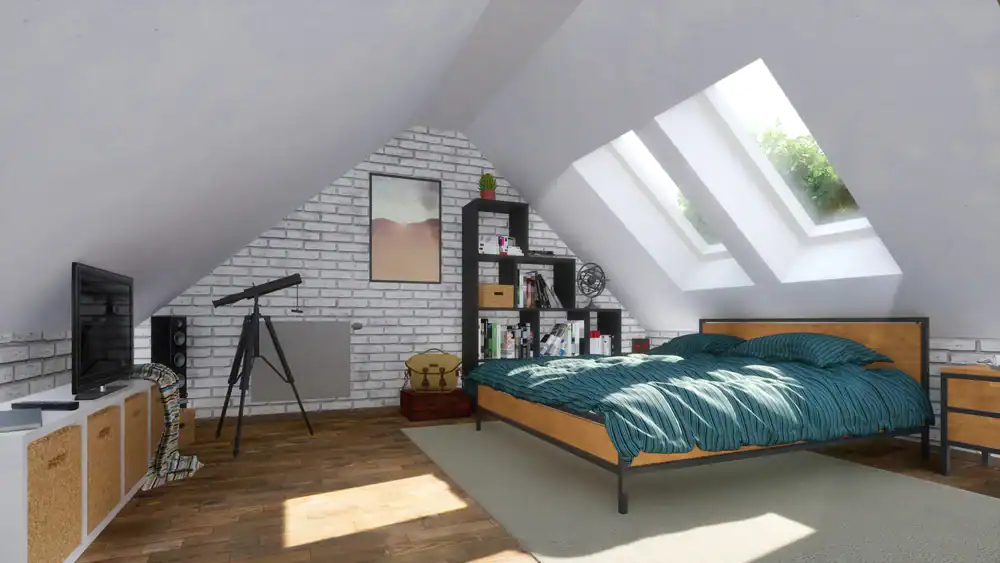
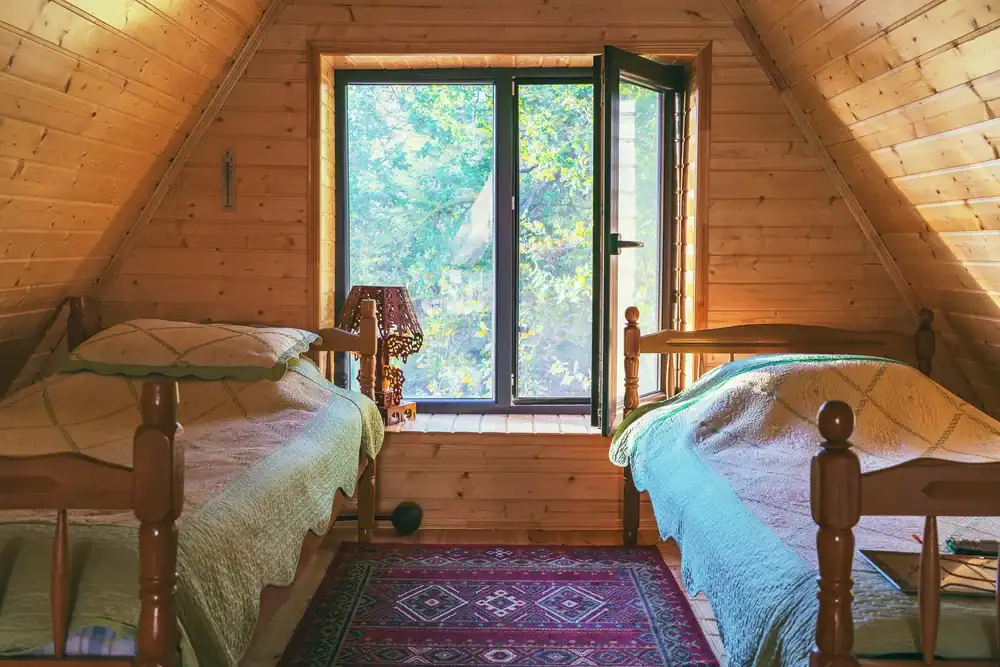
A dormer gives you that. It transforms the dark, cramped attic you’ve been ignoring into a real bedroom, office, or playroom your family actually uses. Natural light floods in. Ceilings open up. And suddenly, your home works the way you need it to.
In Point Lookout, where homes were built as summer cottages and converted decades ago, adding livable space means working within tight footprints. You can’t just build out. But you can build up—and a well-designed dormer does exactly that without changing your home’s footprint or forcing you into a stressful move. You stay in the neighborhood you love, your kids stay in their schools, and your property value climbs right along with your square footage.
We’ve spent over four decades working on homes across Nassau County. We’re licensed, insured, and we’ve seen just about every attic configuration, roofline challenge, and weather condition Long Island can throw at a project.
Point Lookout homes have their quirks. The salt air, the age of the structures, the tight lot lines—it all matters when you’re cutting into a roof and adding livable space. We know what works here because we’ve done it here, repeatedly, for homeowners who call us back years later for the next project.
You’ll talk to Ray directly. He answers the phone, walks you through the process, and stays involved from design to final inspection. If something goes wrong at 3 a.m.—a frozen pipe, a leak—he picks up. That’s not marketing talk. That’s how we operate.
First, Ray meets you at your home to look at your attic, measure the space, and talk through what you’re trying to accomplish. He’ll tell you what’s realistic, what’s not, and what kind of dormer makes sense for your roofline—shed, gable, or a combination.
From there, we handle design, permits if needed, and scheduling. Once we start, the roof gets opened carefully, framing goes up, and the dormer structure takes shape. We’re building walls, installing windows, insulating properly for Long Island winters, and making sure everything is weathertight before we move inside.
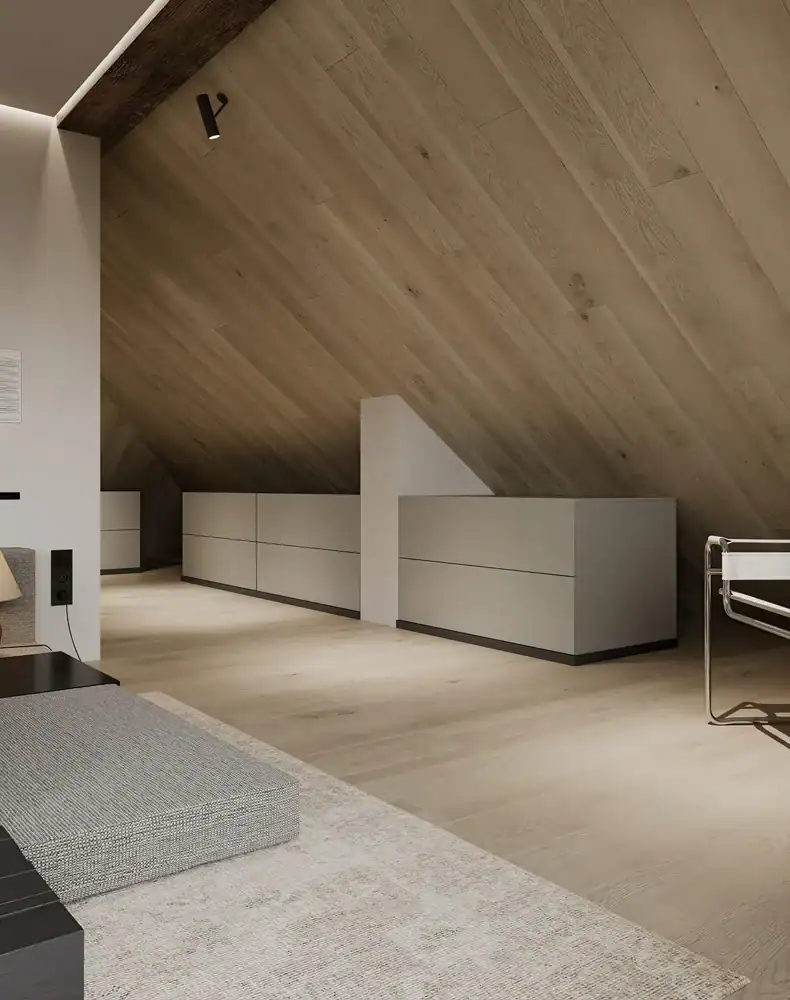
Inside, you get drywall, flooring, trim—whatever finishes match the rest of your home. Our crews keep the site clean daily, and Ray keeps you updated so there are no surprises. When we’re done, you’ve got a finished room that feels like it was always part of the house. The whole process typically takes a few weeks depending on size and complexity, but you’ll know the timeline upfront.
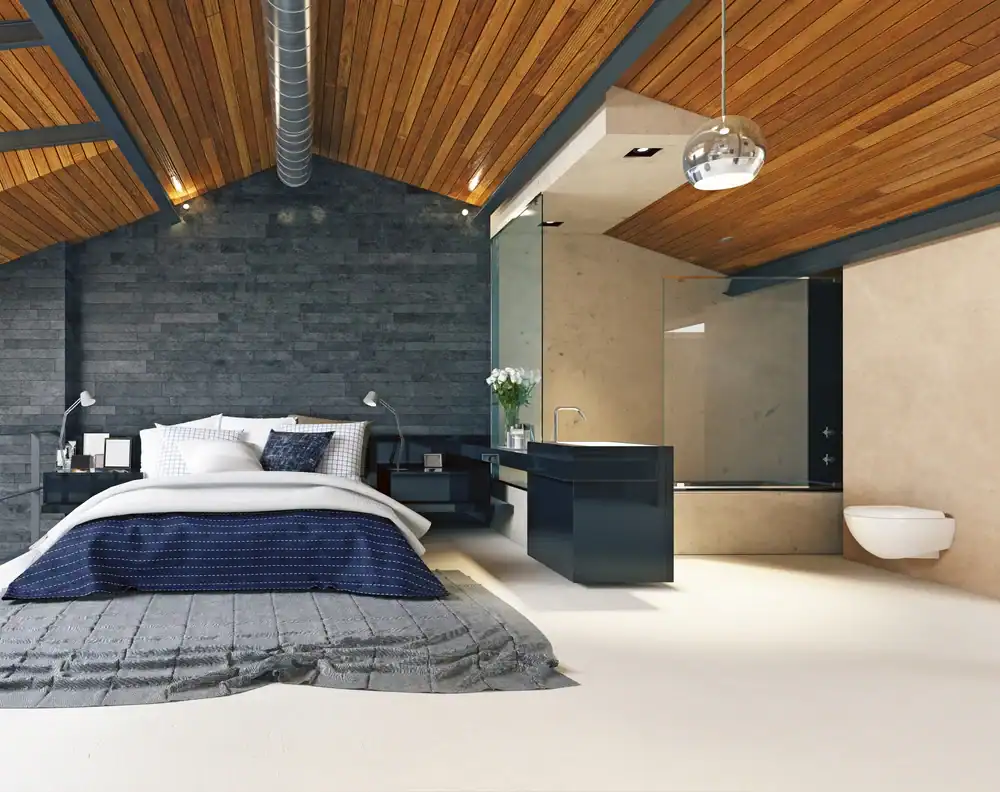
Ready to get started?
A dormer isn’t just a bump-out on your roof. It’s a full structural addition that includes framing, roofing, siding, windows, insulation, electrical, and interior finishes. You’re getting a complete room, built to code, designed to handle Long Island’s weather.
In Point Lookout, where median home prices hover around $1.4 million and inventory is tight, adding a bedroom can increase your home’s value significantly—often $40,000 or more depending on the scope. More importantly, it keeps you in a community where waterfront access and privacy are hard to find anywhere else on Long Island.
We handle everything: pulling permits if required, coordinating inspections, matching your existing siding and roofline so the addition looks original. If your project ties into a larger renovation—new bathroom upstairs, refinished floors—we manage that too. The goal is a seamless result that doesn’t look like an afterthought. You want it to look like your house just always had that extra bedroom, and that’s what we build.
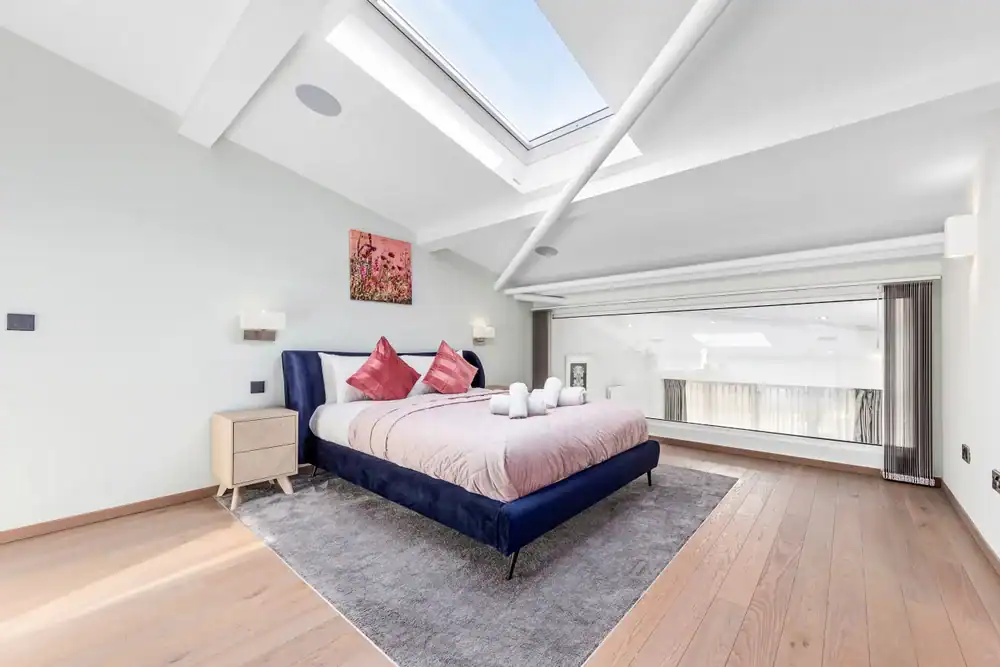
Dormer costs vary widely based on size, style, and what’s included in the scope. A small shed dormer might start around $30,000 to $50,000, while a larger gable dormer with a full bathroom could run $80,000 to $120,000 or more.
The real cost depends on what you’re building. Are you just adding headroom and light, or are you finishing a full bedroom with closets, new electrical, HVAC, and a bathroom? Are we matching expensive siding or working with standard materials? Do you need structural reinforcement below to support the added load?
In Point Lookout, where homes are older and often sit on smaller lots, we sometimes encounter surprises once we open things up—old framing that needs reinforcement, outdated electrical that should be updated while we’re in there. Ray walks you through a realistic budget upfront and keeps you informed if anything changes. No one likes surprise costs, and we do everything possible to avoid them.
Most dormer projects in Point Lookout require a building permit from the Town of Hempstead. Any time you’re altering your roofline, adding square footage, or changing the structure of your home, the town wants to review plans and inspect the work.
Permits aren’t something to skip. They protect you. A permitted job means the work gets inspected, meets code, and won’t come back to haunt you when you sell. Buyers and their attorneys will ask for permit records during closing, and unpermitted work can kill a deal or force you into expensive fixes.
We handle the permit process as part of the project. Ray knows what the town requires, how to submit plans, and how to schedule inspections so nothing delays your timeline. Some contractors avoid permits to save time or cut corners—we don’t. You’re making a significant investment in your home, and doing it right the first time is the only approach that makes sense.
A typical dormer project takes anywhere from three to eight weeks depending on size, complexity, and weather. Smaller shed dormers on the simpler end might wrap up in three to four weeks. Larger projects with full bathrooms, custom windows, or structural challenges can stretch to six or eight weeks.
Weather plays a role, especially in winter. Long Island winters mean frozen ground, snow delays, and days where it’s just not safe to work on a roof. We plan around that and give you realistic timelines upfront, not best-case scenarios that fall apart the first time it rains.
Once we start, our crews work efficiently and keep the site clean daily. You’re not living in a construction zone longer than necessary. Ray manages the schedule closely, coordinates inspections, and keeps you updated on progress. If something delays the job—a custom window that’s backordered, an inspection that gets rescheduled—you’ll know immediately, not three days later.
Yes, if it’s designed and built correctly. A good dormer should look like it was always part of your home’s original design, not something tacked on as an afterthought.
That means matching your existing roofline pitch, siding material, window style, and trim details. In Point Lookout, where many homes have traditional cottage or coastal architecture, we pay close attention to proportions and aesthetics. A dormer that’s too large or poorly positioned can throw off your home’s entire look. One that’s designed thoughtfully enhances your curb appeal and blends seamlessly.
Ray walks you through design options during the initial consultation. He’ll show you what works with your specific roofline and what doesn’t. We source materials that match what’s already on your home, and our finish work is detailed enough that neighbors won’t be able to tell where the old house ends and the new addition begins. You’re improving your home, not compromising its character.
Absolutely. Many Point Lookout homeowners add dormers specifically to create a new bedroom and bathroom suite upstairs. It’s one of the most valuable upgrades you can make, especially in a market where four-bedroom homes sell for significantly more than three-bedroom homes.
Adding a bathroom means running new plumbing, which involves tying into your existing water and waste lines. Depending on your home’s layout, that might be straightforward or it might require some creative routing. We handle all of it—plumbing, electrical, ventilation, tile work, fixtures—as part of the dormer project.
The key is planning it correctly from the start. You need adequate ceiling height, proper floor support for the added weight of a bathroom, and enough space for a functional layout. Ray evaluates all of that during the initial visit. If a full bath won’t work, he’ll tell you. If it will, he’ll show you how to maximize the space so you’re not stuck with a cramped, awkward bathroom that feels like an afterthought.
A shed dormer has a single sloped roof that extends from your existing roofline, creating a long, continuous space inside. It’s the most common type because it maximizes headroom and usable square footage. If you want a full bedroom or large open area, a shed dormer usually makes the most sense.
A gable dormer has a peaked roof and projects out from your existing roofline, creating a smaller, more defined space. Gable dormers add architectural interest and work well for adding light and ventilation, but they don’t create as much usable floor space as a shed dormer.
Which one is right for your home depends on your goals, your existing roofline, and your budget. Shed dormers cost more because they’re larger and involve more materials and labor. Gable dormers are often less expensive but give you less room. Some homes benefit from a combination—a large shed dormer on one side and a smaller gable dormer for balance and curb appeal. Ray will walk you through the options and show you what makes sense for your specific situation.
Other Services we provide in Point Lookout