
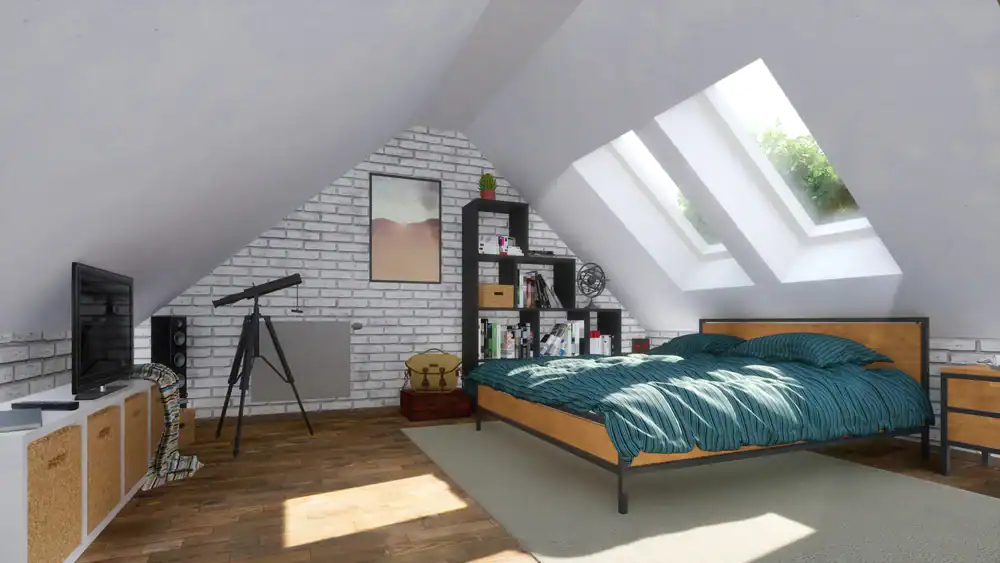
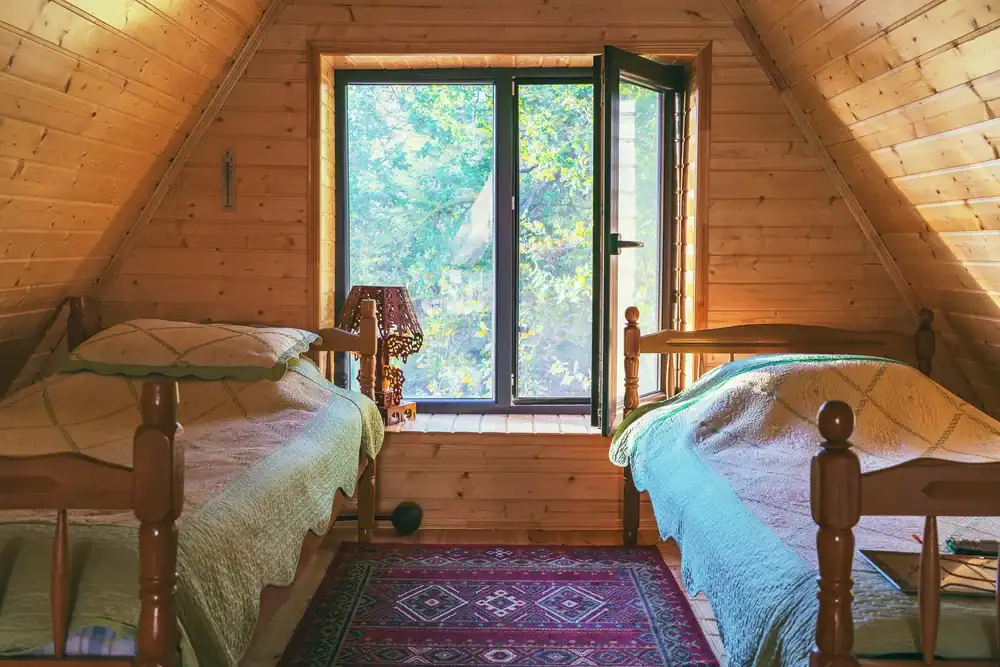
You’re not looking to move. You just need another bedroom, a home office that actually has a door, or a bathroom upstairs so your kids aren’t fighting every morning.
The problem is your lot. Plainview zoning doesn’t give you much room to expand outward, and your backyard is already tight. A dormer lets you build up instead of out, converting attic space that’s currently just holding boxes into square footage you can actually use.
This isn’t about curb appeal or resale value, though both improve. It’s about making your house work for how you live now. You get headroom, natural light, and a real room where there used to be dark, sloped ceilings. The footprint of your home stays the same, so you’re not eating into yard space or running into setback issues with the town.
We’ve been handling home improvement projects in Plainview and across Nassau County since 1972. We’re a general contractor that specializes in the bigger jobs—dormers, extensions, full kitchen and bathroom remodels—the kind of work that requires actual planning and experience.
Over sixty percent of our business comes from referrals. That’s not because we’re cheap or fast. It’s because we answer the phone, show up when we say we will, and don’t leave your house looking like a construction zone while we’re working on it.
We’re licensed, insured, and bonded across Nassau and Suffolk County. Our BuildZoom score puts us in the top 1% of contractors in New York, which matters less than the fact that we’ve been doing this long enough to know what works on Long Island homes and what doesn’t.
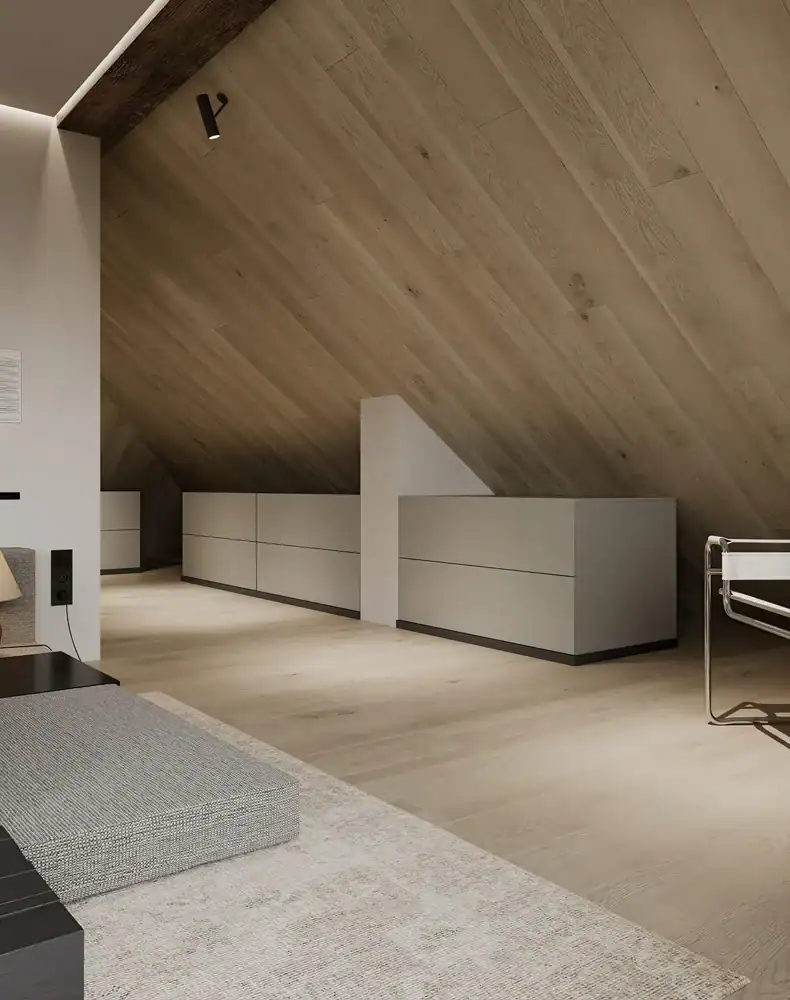
First, we come out and look at your attic. Not every house is set up the same way, and not every dormer makes sense for every roofline. We’ll tell you what’s realistic, what the structure can handle, and what you’re going to need from the town in terms of permits.
Once we’re clear on scope, we pull permits and line up the work. Depending on the size of the dormer and how backed up the town is, this can take a few weeks. We don’t control that part, but we do stay on top of it so you’re not waiting longer than necessary.
The actual construction takes anywhere from four to twelve weeks. We frame the dormer, tie it into your existing roof structure, install windows, insulate, and finish the interior. If you’re adding a bathroom or closet, we handle the plumbing and electrical as part of the job. We keep the site clean and make sure our crew isn’t tracking mud through your house or blocking your driveway longer than needed.
Ready to get started?
A dormer isn’t just a roof bump. It’s a full structural addition that increases your home’s square footage, adds natural light, and creates usable headroom in spaces that were previously too tight to stand up in.
In Plainview and the surrounding Long Island towns, most of the homes we work on are Colonials or Cape Cods. These styles handle gable dormers well, and the addition tends to look like it was always part of the house. You’re not just getting more space—you’re getting space that fits the neighborhood and doesn’t look tacked on.
Because Long Island has higher construction costs than most of the country, a dormer here typically runs between $15,000 and $50,000 depending on size and what’s included. That’s not cheap, but it’s a lot less than moving, and it’s one of the few ways to add a full room without losing yard space or running into setback restrictions. The work includes framing, roofing, windows, insulation, drywall, and interior finishes. If you need electric or plumbing run for a bathroom or office setup, we handle that too.
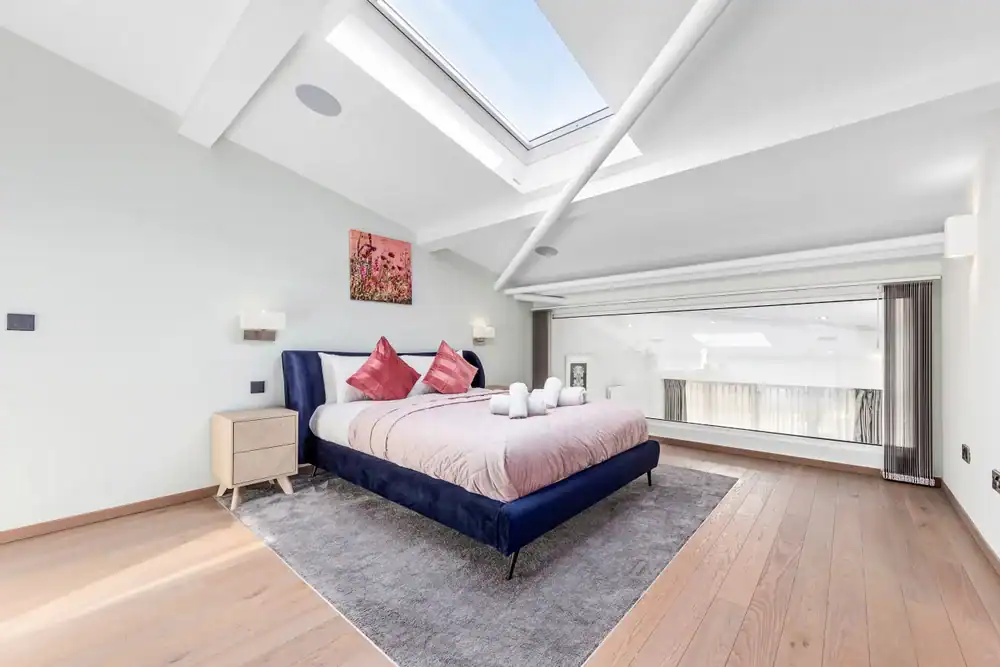
Most dormer installations take between four and twelve weeks from start to finish. That includes the time it takes to pull permits, which in Nassau County can add a few weeks depending on how backed up the building department is.
The actual construction—framing, roofing, windows, insulation, and interior finish work—usually takes four to eight weeks for a standard bedroom-sized dormer. Larger projects or dormers that include plumbing for a new bathroom will take closer to the twelve-week mark.
Weather can slow things down, especially in winter. We don’t like working on your roof in freezing rain any more than you want us to. If we hit delays, we’ll let you know what’s happening and when we expect to be back on schedule.
Yes. Any structural addition to your home, including a dormer, requires a building permit from the Town of Oyster Bay. That’s not optional, and any contractor who tells you otherwise is setting you up for problems down the road.
The permit process involves submitting plans, waiting for review, and getting approval before we can start framing. Depending on how busy the town is, this can take anywhere from two to six weeks. We handle the permit application and follow up with the building department so you’re not chasing paperwork.
Once the dormer is framed and closed in, the town will need to inspect the work before we can finish the interior. We schedule those inspections and make sure everything passes the first time so there’s no back-and-forth that drags the job out.
In most cases, yes. Adding usable square footage to your home—especially a full bedroom or bathroom—typically increases your property’s appraised value. How much depends on the size of the dormer and what you’re using the space for.
A dormer that adds a bedroom and a bathroom is going to have more impact than one that just creates a walk-in closet or reading nook. But even smaller dormers improve the functionality of your home, and that matters when it comes time to sell.
On Long Island, where lot sizes are tight and zoning limits outward expansion, dormers are one of the few ways to add space without losing your yard. That makes them particularly valuable in towns like Plainview, where buyers are looking for homes that maximize livable square footage on smaller lots.
A gable dormer is the kind you see most often on Colonial and Cape Cod homes. It has a peaked roof that matches the main roofline and usually includes one or two windows. Gable dormers are smaller and work well when you just need to add headroom and light to a specific area.
A shed dormer runs along a larger section of the roof and has a single sloped plane instead of a peak. Shed dormers add more interior space because they extend further into the attic, but they also change the look of your roofline more dramatically.
For most homes in Plainview, a gable dormer makes more sense. It fits the architectural style of the neighborhood and gives you the extra room you need without making the house look out of place. We’ll walk you through both options when we look at your attic and help you figure out what works best for your home and your budget.
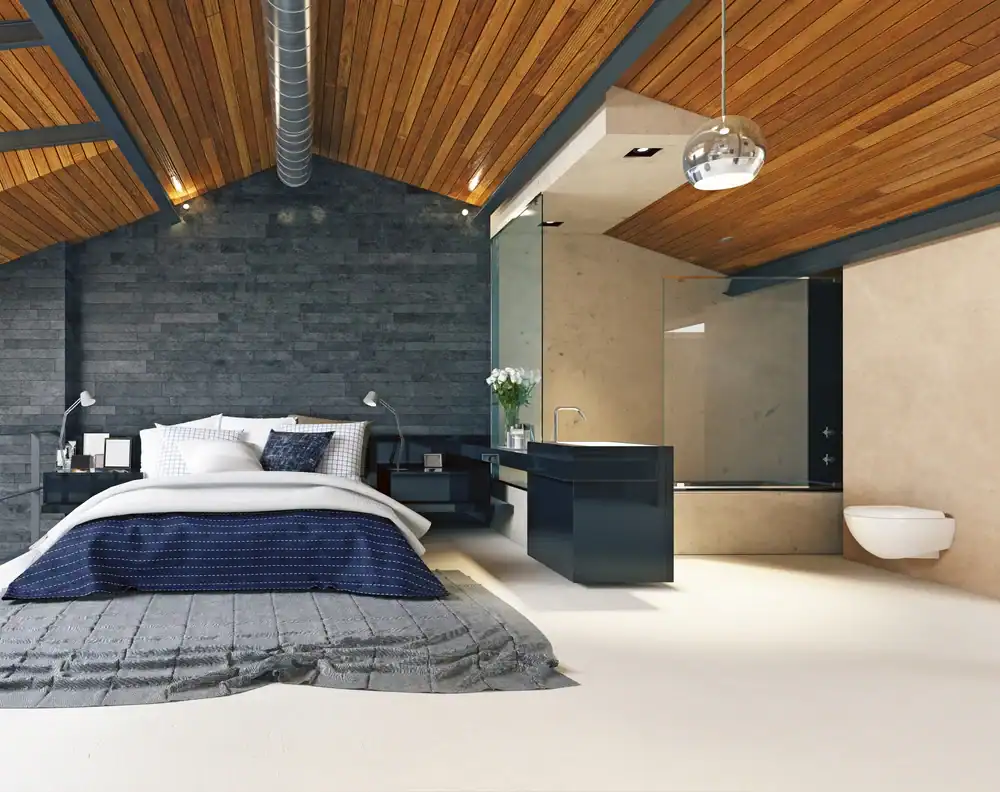
Yes. Adding a bathroom is one of the most common reasons people build a dormer, especially if you’ve only got one bathroom upstairs and your kids are getting older.
Running plumbing to a second floor takes more work than just framing out the space, but it’s not complicated if your house is set up for it. We’ll need to tie into your existing plumbing lines, run new supply and waste lines, and make sure everything is vented properly. That adds time and cost to the project, but it’s all part of the job.
The bathroom itself can be as simple or as finished as you want. Most people go with a standard three-quarter bath—toilet, vanity, and shower. If space allows, you can fit a tub. We handle the rough plumbing, the fixture installation, tile work, and finishes so the bathroom is ready to use when the job’s done.
Most dormers in Plainview run between $15,000 and $50,000. The range depends on the size of the dormer, what you’re using the space for, and whether you’re adding plumbing or electrical for a bathroom or home office.
A smaller gable dormer that just adds headroom and a window to an existing attic bedroom will be on the lower end. A larger shed dormer that creates a full bedroom and bathroom with closet space will be closer to the higher end.
Long Island construction costs are higher than most of the country, so if you’re comparing prices to what you’d pay in other states, expect to see a difference. That’s not a contractor markup—it’s the cost of doing business here. Materials cost more, labor costs more, and permit fees are higher. We’ll give you a clear estimate upfront so you know exactly what you’re paying for and why.
Other Services we provide in Plainview