
You’re not looking to move. You like your neighborhood, your commute, your neighbors. But you need space, and building out isn’t an option because of your lot size or local zoning restrictions in Nassau County.
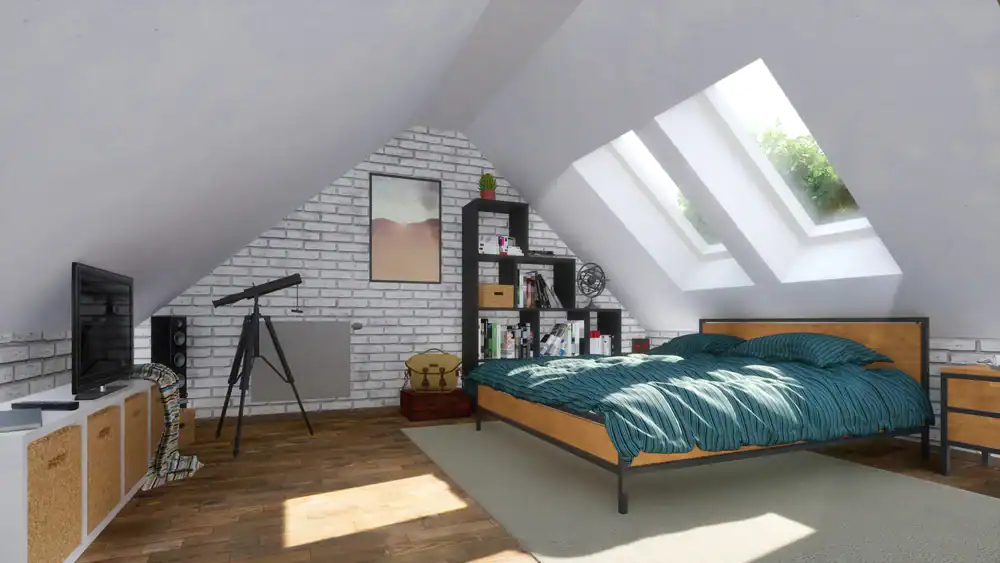
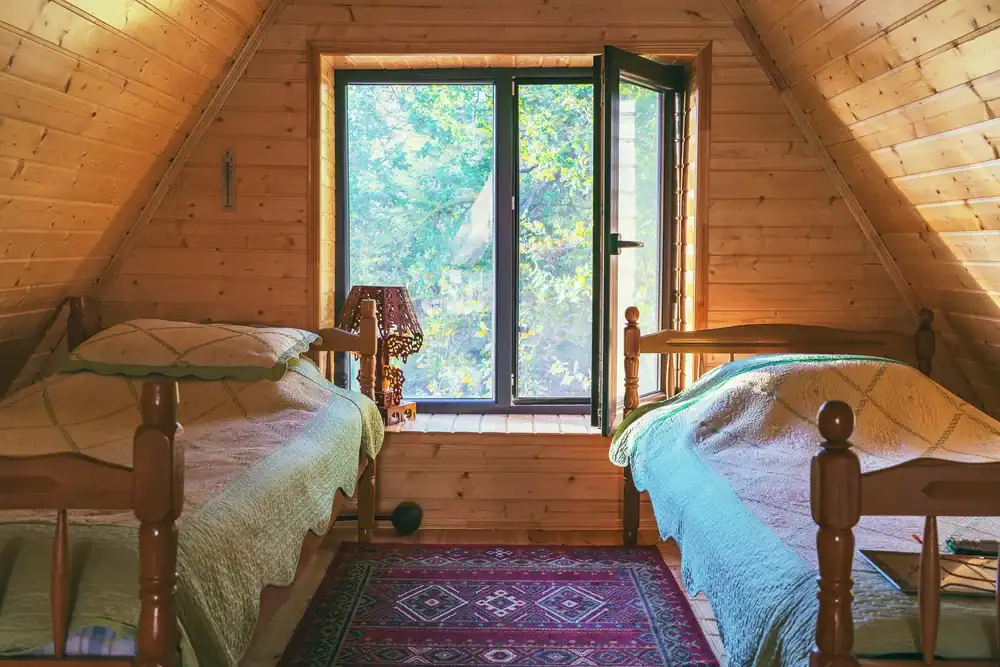
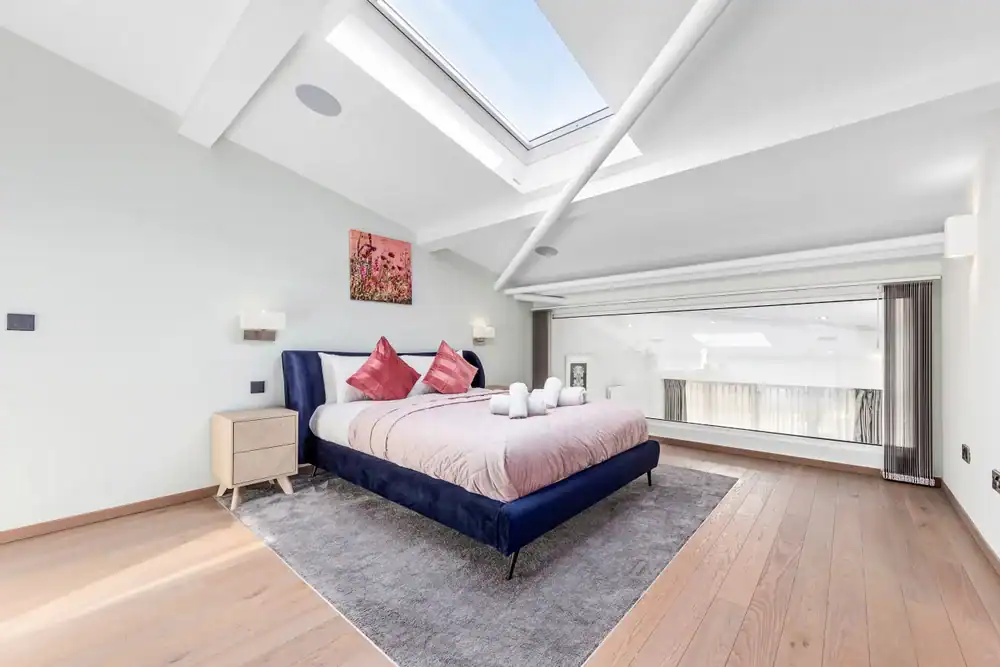
That’s where dormers make sense. They turn cramped attic areas into livable square footage without eating up your yard or requiring a full second-story addition. You get natural light where there was none, headroom where you had to duck, and actual usable space instead of crawlspace.
A dormer also increases your home’s value. Adding a bedroom through dormer installation can raise your property value by an average of $40,000 in the Long Island market. That’s not just extra space for your family today—it’s equity you can count on when you eventually sell.
The work takes anywhere from four to twelve weeks depending on the scope, weather, and permits. But once it’s done, you’ve got a room that feels like it was always part of the house.
We’ve been handling home improvement projects across Nassau and Suffolk County for over 50 years. We’re licensed, insured, and bonded, and we’ve built our reputation on showing up, answering the phone, and doing the work right.
Dormers are part of what we do best—large-scale projects that require coordination, skill, and attention to detail. We’re not the cheapest option in Glenwood Landing, and that’s intentional. You’re paying for crews who keep the job site clean, a contractor who answers at 3 a.m. if your pipe freezes, and work that doesn’t need to be redone.
We’ve worked with homeowners in this area long enough to know what matters: keeping you informed, sticking to timelines, and making sure the finished product matches the rest of your home. That’s how we’ve stayed in business this long.
First, we come out to look at your roof, attic, and the space you’re working with. We’ll talk through what you’re trying to accomplish—whether it’s a full raised ridge dormer that spans the second floor or a smaller shed dormer for one room. We’ll also discuss whether you need permits, which depends on the scope and your local building codes.
Once we’ve agreed on the design and timeline, we handle everything: framing, roofing, walls, flooring, windows, insulation, and making sure it all ties into your existing structure. Our crews show up on time, keep the site clean every day, and stay in touch so you’re never wondering what’s happening.
During the project, you’ll see progress in stages. The roof comes off, framing goes up, weatherproofing happens fast, and then we move inside to finish walls, floors, and trim. We coordinate inspections and make sure everything is up to code before we call it done.
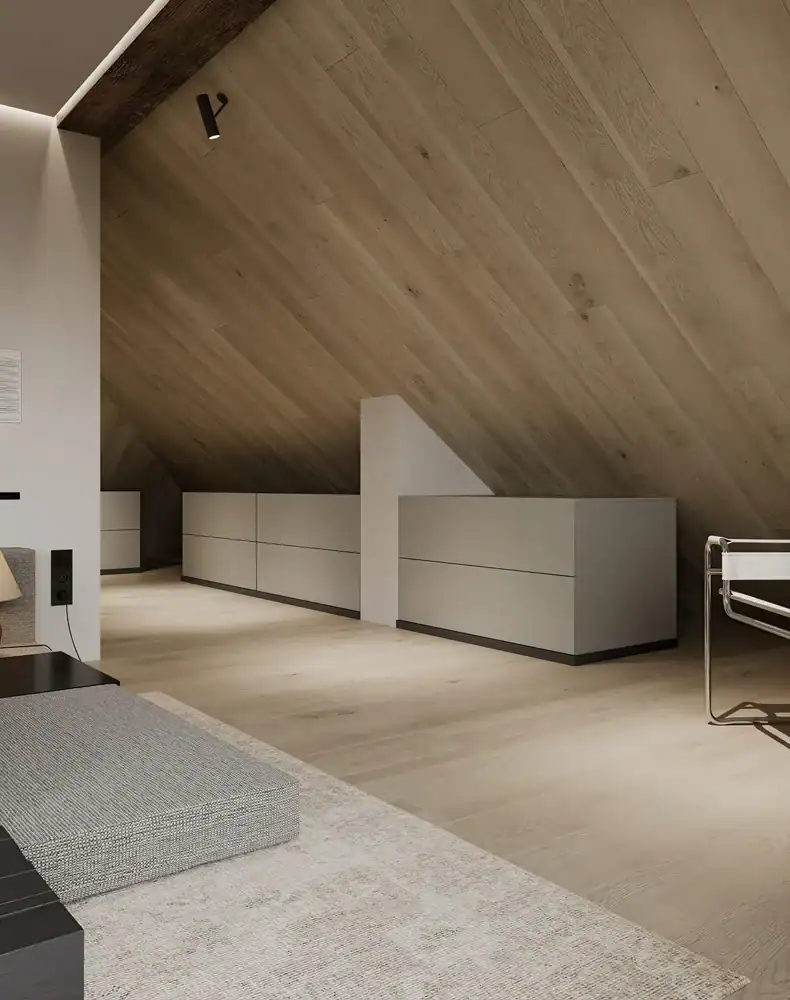
When it’s finished, you’ll have a space that looks original to the house—not like an add-on. That’s the difference between a dormer done right and one that looks like an afterthought.
Ready to get started?
A dormer project with us includes design consultation, all structural work, roofing, siding that matches your home, windows, insulation, drywall, flooring, trim, and paint. We also handle permits and inspections so you don’t have to chase down approvals from the town.
In Glenwood Landing and across Long Island, most dormer projects run between $15,000 and $50,000 depending on size and complexity. A small shed dormer might cost closer to the lower end, while a full raised ridge dormer that creates an entire second-floor bedroom will be higher. We’ll give you a clear estimate upfront so there’s no guessing.
Timing depends on a few factors: the size of the dormer, weather conditions, and how fast permits come through. On Long Island, winter weather can slow things down, but our teams know how to work around delays and minimize disruption to your daily routine.
You also get our network of skilled craftsmen who’ve been doing this kind of work for decades. We’re not a crew of generalists trying to figure it out as we go. This is what we specialize in, and it shows in the finished product.
For a 100-square-foot dormer, you’re typically looking at $8,000 to $20,000. A 250-square-foot dormer usually runs between $20,000 and $50,000. Smaller dormers, like a dog house dormer around 25 square feet, might cost $2,500 to $6,300.
The range depends on the type of dormer, the materials you choose, and how much structural work is involved. A shed dormer is usually less expensive than a gable or eyebrow dormer because it’s simpler to frame and roof. If you’re adding windows, custom trim, or higher-end finishes, that’ll push the price up.
We give you a detailed estimate before any work starts so you know exactly what you’re paying for. No surprises, no vague line items.
Yes. Adding a bedroom through a dormer can increase your home’s value by an average of $40,000 in the Long Island market. Even if you’re not adding a full bedroom, the extra square footage, natural light, and improved curb appeal all contribute to higher resale value.
Buyers in Nassau County are looking for space, and dormers give you that without requiring a larger lot or a full second-story addition. A well-built dormer also signals that the home has been maintained and updated, which makes it more attractive compared to similar homes in the area.
That said, the return depends on the quality of the work. A poorly done dormer can actually hurt your value if it looks tacked on or doesn’t match the rest of the house. That’s why using experienced dormer contractors matters.
Most dormer projects take between four and twelve weeks from start to finish. The timeline depends on the size of the dormer, weather conditions, and how long it takes to get permits from your local building department.
A small shed dormer on a ranch might only take a month if everything goes smoothly. A full raised ridge dormer that spans the entire second floor will take longer because there’s more framing, roofing, and interior work involved.
Weather is a factor on Long Island, especially in winter. If we hit a stretch of rain, snow, or freezing temps, we may need to pause certain stages to protect the structure. We’ll keep you updated throughout so you always know where things stand and when we expect to wrap up.
Yes, most dormer installations in Nassau County require a building permit. The exact requirements depend on your town’s building codes and the scope of the project, but anything that involves structural changes to your roof typically needs approval.
We handle the permit process for you. That includes submitting plans, coordinating inspections, and making sure everything meets local codes. It’s one less thing you have to worry about, and it ensures the work is done legally and safely.
Skipping permits might seem like a shortcut, but it can cause major problems down the line—especially if you try to sell your home and the buyer’s inspector finds unpermitted work. It’s not worth the risk, and we don’t cut corners like that.
A shed dormer has a single sloping roof that extends from the existing roofline. It’s the most common type because it’s cost-effective and creates the most usable interior space. You get full headroom across the entire dormer, which makes it ideal for bedrooms or offices.
A gable dormer has a peaked roof, like a small house sitting on top of your main roof. It adds more architectural detail and curb appeal, but it doesn’t create as much interior space as a shed dormer. Gable dormers are often used for aesthetics or to match the style of the existing home.
There are also eyebrow dormers, which are smaller and mostly decorative, and full raised ridge dormers, which essentially create a full second story with a more functional roof pitch. We’ll walk you through the options based on what you’re trying to accomplish and what works with your home’s structure.
Yes. Matching the dormer to your home’s existing style is part of the job. That means using the same siding, roofing materials, trim details, and window styles so the dormer looks like it was always part of the house.
We take measurements, source materials that match, and pay attention to the small details that make a difference—like the pitch of the roof, the overhang, and how the new roofline ties into the old one. If your home has vinyl siding, we’ll match the color and profile. If it’s brick or stone, we’ll coordinate that too.
The goal is for someone to drive by and not be able to tell where the original house ends and the dormer begins. That’s what separates a professional dormer installation from one that looks like an obvious add-on.
Other Services we provide in Glenwood Landing