
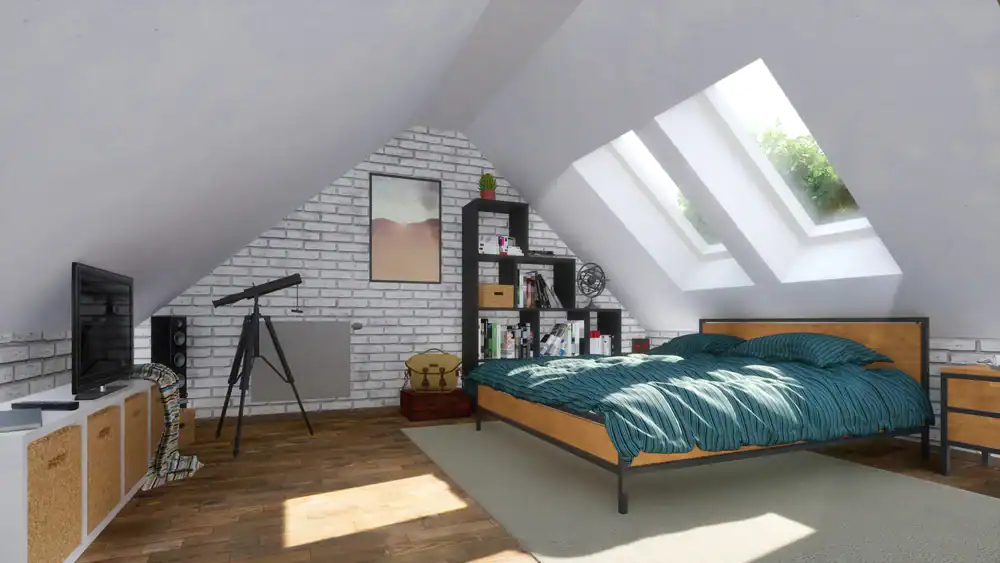
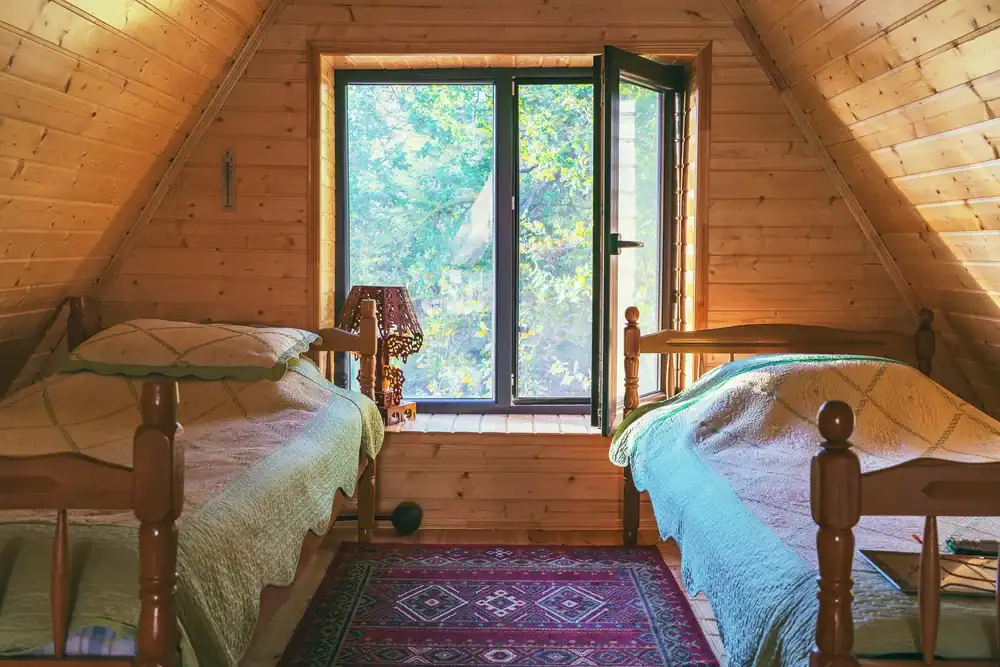
Your home works until it doesn’t. Kids need their own rooms. You need a home office that isn’t the kitchen table. Storage is maxed out, and moving feels like the only option.
A dormer changes that. It converts dead attic space into functional square footage—bedrooms with real headroom, walk-in closets, quiet workspaces, even full bathrooms. You’re not tearing down walls or losing yard space. You’re building up.
On Long Island, lot sizes and zoning restrictions make outward expansion nearly impossible in most neighborhoods. Bayville is no exception. That’s why dormers make sense here. They add the space you need while keeping you in the home and neighborhood you already love.
The right dormer also brings in natural light, improves ventilation, and can boost your home’s value. It’s not cosmetic—it’s functional space that solves real problems.
We’ve been handling complex residential projects across Nassau and Suffolk County for over four decades. We’re licensed, insured, and bonded, and we’ve built our reputation on being reachable when you need us.
You won’t get voicemail. You won’t wait days for a callback. We answer the phone, respond to texts, and show up when we say we will. Our crews keep job sites clean, work professionally, and treat your home like it’s our own.
Bayville homeowners face the same space challenges as the rest of Long Island—tight lots, strict zoning, older homes that weren’t built for modern living. We’ve worked in these conditions for years. We know what it takes to add a dormer that fits your home’s structure, meets local codes, and actually gets finished on schedule.
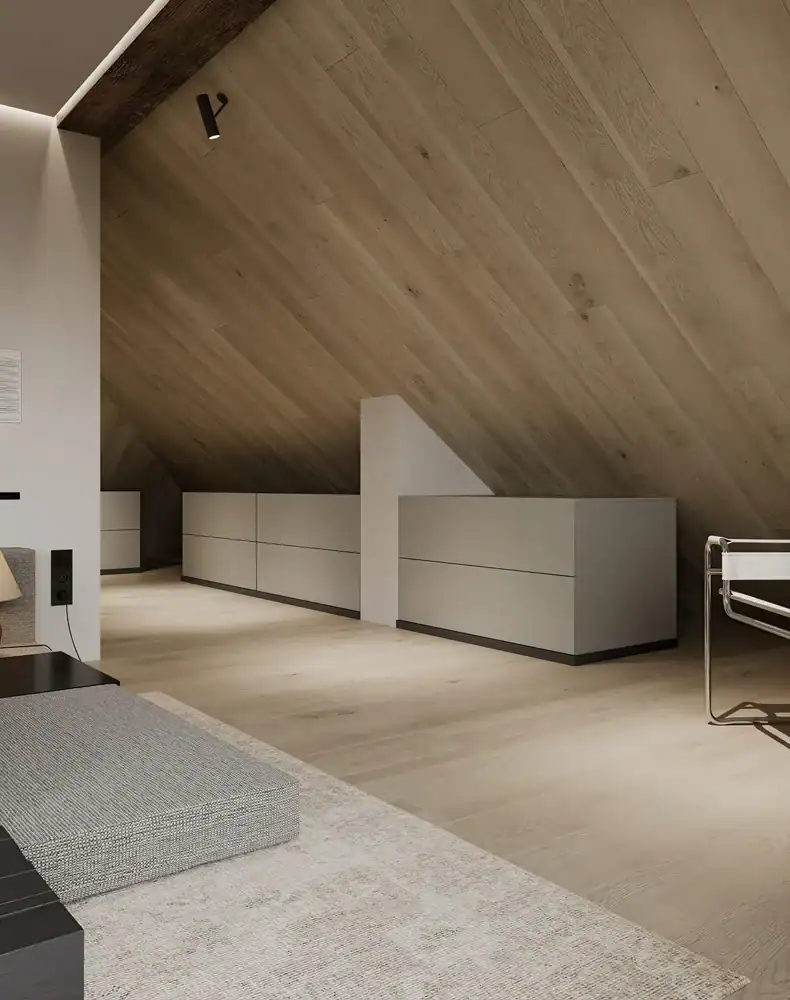
We start with a walkthrough of your attic and roof. You tell us what you need—extra bedroom, office space, more storage—and we assess what’s structurally possible. Not every attic can support every type of dormer, so we’re upfront about what works and what doesn’t.
Once we agree on a design, we handle the permits and scheduling. Depending on the scope, dormer projects typically take four to twelve weeks. That includes framing the dormer structure, extending the roofline, installing windows, insulation, drywall, and matching your existing finishes.
During construction, we keep the site clean and communicate every step. If something changes or an issue comes up, you’ll know immediately. No surprises, no disappearing for days at a time.
After the build, we coordinate inspections to make sure everything is up to code. You’re left with finished, livable space that blends into your home like it was always there.
Ready to get started?
Gable dormers are the most common style on Long Island. They have a peaked roof that matches your home’s existing roofline and work well for adding smaller spaces like home offices or walk-in closets. They also add curb appeal without overwhelming the house.
Shed dormers run along the length of your roof with a single sloping plane. They create the most interior space, which makes them ideal for full bedrooms, bathrooms, or larger multipurpose rooms. If you’re trying to maximize square footage, this is usually the better option.
We also build custom dormers that fit specific architectural styles or unique layout needs. Maybe your Cape Cod needs symmetry. Maybe your ranch has an odd roofline. We adapt the design to your home, not the other way around.
Every dormer includes proper insulation, weatherproofing, and ventilation. Long Island winters are cold, and summer heat can turn an attic into an oven. We make sure your new space is comfortable year-round and doesn’t create ice dams or moisture problems down the line.
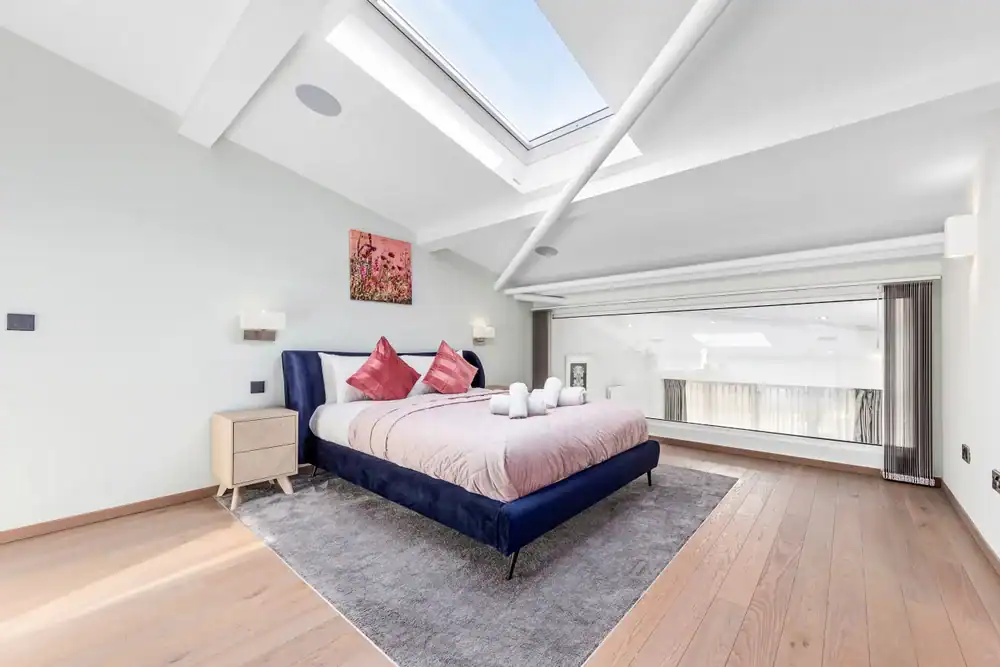
Dormer costs vary based on size, style, and how much interior finishing you need. On Long Island, most homeowners spend between $20,000 and $50,000. Smaller gable dormers on the lower end, larger shed dormers with full bathrooms on the higher end.
A Cape Cod dormer that adds a bedroom and closet typically runs around $20,000 to $30,000. A shed dormer that spans most of the roof and includes a bathroom, flooring, and electrical work can push closer to $40,000 or more.
The price includes framing, roofing, windows, insulation, drywall, and finish work. If you’re adding plumbing or HVAC, that’s extra. We give you a detailed estimate upfront so there’s no confusion about what’s included and what costs more.
Yes, most dormer projects in Bayville require a building permit. Any structural change to your roof or exterior typically needs approval from the local building department.
We handle the permit process as part of the project. That includes submitting plans, coordinating inspections, and making sure everything meets Nassau County building codes. Permit timelines can vary—sometimes it’s a few weeks, sometimes longer depending on the town’s backlog.
Some contractors try to skip permits to save time or money. That’s a risk you don’t want to take. If the work isn’t permitted and inspected, you could face fines, trouble selling your home later, or issues with insurance claims if something goes wrong.
Most dormer projects take between four and twelve weeks from start to finish. Smaller gable dormers on the shorter end, larger shed dormers with full interior buildouts on the longer end.
Weather can affect the timeline, especially during winter. We can’t frame or roof in heavy rain or snow, so we plan around forecasts. Permit delays can also push things back, though we stay on top of inspections to keep the project moving.
Once we start, we work steadily and keep you updated. You’ll know when we’re framing, when windows go in, when drywall starts, and when final inspections are scheduled. We don’t leave jobs half-finished or disappear for weeks at a time.
A well-built dormer typically increases your home’s value, especially if it adds a bedroom or bathroom. On Long Island, where space is limited and demand is high, functional square footage matters.
Adding a bedroom can make your home appeal to larger families or buyers who need home offices. Adding a bathroom reduces morning bottlenecks and makes the house more livable. Both improvements tend to pay off when it’s time to sell.
That said, the return depends on the quality of the work and how well the dormer integrates with your home’s style. A poorly designed dormer that looks tacked on won’t help. A dormer that matches your roofline, uses quality materials, and creates genuinely useful space will add value and curb appeal.
A gable dormer has a peaked roof that projects out from your main roofline. It’s smaller, adds architectural interest, and works well for creating cozy spaces like reading nooks, small offices, or walk-in closets. Gable dormers are common on Cape Cod and Colonial-style homes.
A shed dormer has a single sloping roof that runs along the length of your house. It’s larger, creates more interior space, and is the better choice if you’re adding a full bedroom, bathroom, or multipurpose room. Shed dormers maximize headroom and usable square footage.
The right choice depends on what you need and what your home’s structure can support. If you want more light and a little extra space, go gable. If you need serious square footage, go shed. We’ll walk through both options during the initial consultation and recommend what makes sense for your home.
Yes, you can add a dormer to a ranch, but it depends on your attic’s height and roof pitch. Many ranches on Long Island have low-pitched roofs and limited attic space, which can make dormer construction more challenging than on a Cape or Colonial.
We assess the structure during the initial visit. If there’s enough headroom and the roof framing can support the addition, a shed dormer is usually the best option. It creates the most usable space and gives you enough height for a bedroom or office.
If your attic is too shallow, a dormer might not be practical. In that case, we’ll discuss alternatives like a second-story addition or a different type of expansion. We’re not going to sell you a dormer that won’t work—we’d rather be honest upfront and find a solution that actually fits your home.
Other Services we provide in Bayville