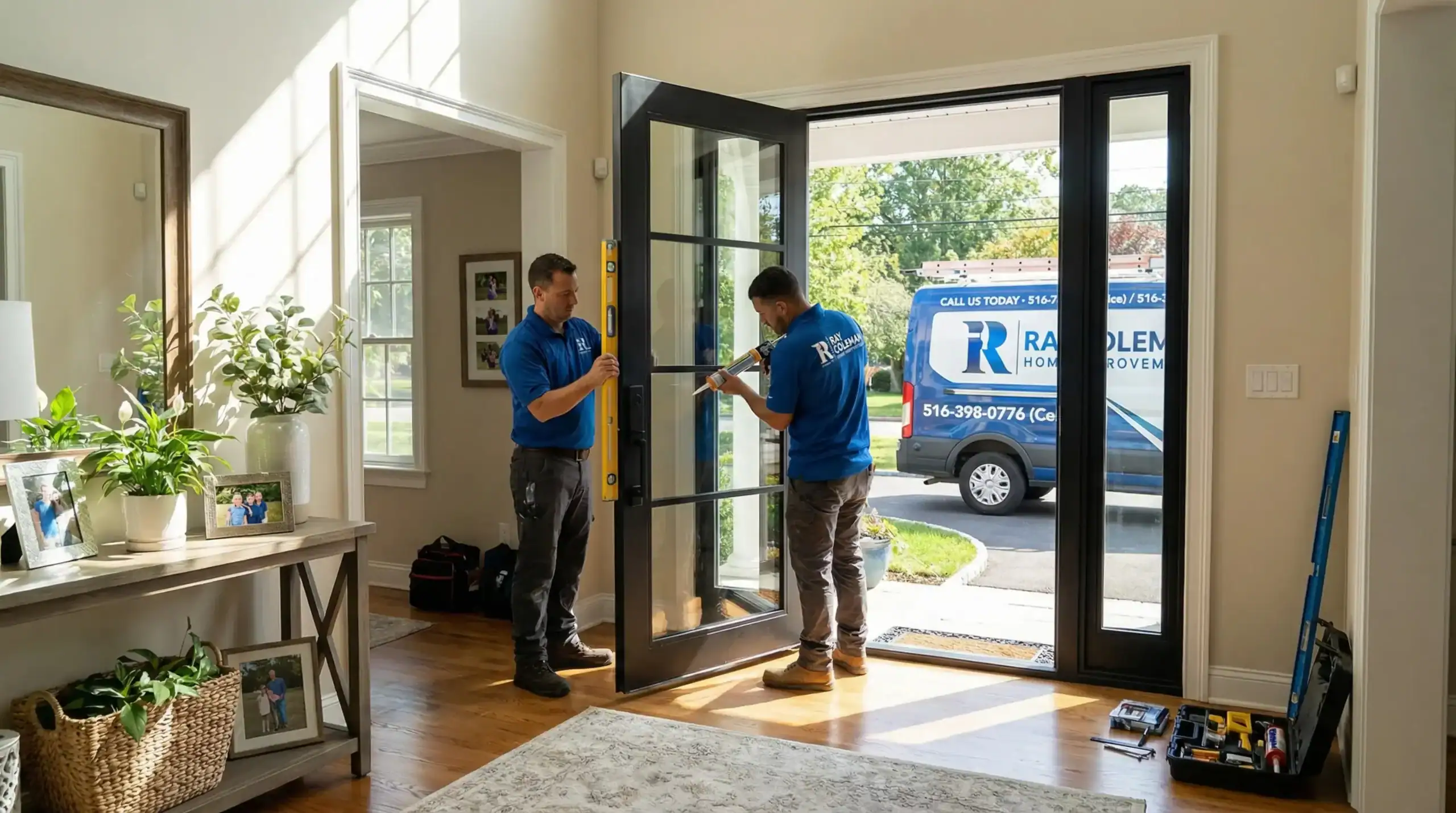
Thinking about managing your Nassau County renovation yourself? Learn why hiring a specialist general contractor actually saves you money—and headaches—in the long run.

A general contractor isn’t just a middleman collecting a fee. We’re the project manager, problem solver, and single point of accountability for your entire renovation. Think of us as the conductor of an orchestra—every trade needs to come in at the right time, in the right sequence, or the whole thing falls apart.
We handle permits and inspections, which in Nassau County can be a maze of municipal requirements. We schedule subcontractors so the electrician isn’t waiting on the plumber, and the plumber isn’t tearing out what the framer just installed. We source materials, often at better prices than you’d get on your own. And when something goes wrong—because something always goes wrong—we solve it without you having to make ten phone calls.
Without that coordination, you’re the one juggling schedules, chasing down no-shows, and figuring out why your project just stalled for two weeks. That’s not a side gig. It’s a full-time job.

Here’s where the math starts working in your favor. A specialist general contractor has relationships with suppliers and subcontractors that you simply don’t have access to. We buy materials in bulk. We get contractor pricing, not retail markup. And because we’re a repeat customer, suppliers prioritize our orders when materials are backordered or in short supply.
Labor works the same way. Subcontractors charge homeowners a premium because they know the job might be disorganized, payment might be delayed, and they’ll probably spend half their day waiting around for decisions. When they work under a general contractor they trust, they charge less—because they know the job will run smoothly, they’ll get paid on time, and they won’t be dealing with chaos.
Let’s say you’re doing a kitchen remodel in Nassau County. You might save 10-15% on the general contractor’s fee by going direct. But if your cabinets cost 20% more at retail, your tile guy charges you $10 more per hour because you’re not a contractor, and you overbuy materials because you’re guessing at quantities, that “savings” evaporates fast. And that’s before anything goes wrong.
Then there’s the issue of mistakes. About 30% of professional contractors’ work comes from fixing DIY projects or poorly coordinated jobs. If your plumber rough-ins the pipes in the wrong spot because the electrician moved a panel without telling anyone, you’re paying to rip it out and redo it. A general contractor prevents that from happening in the first place. One avoided mistake can pay for our fee entirely.
You also avoid the hidden costs of delays. Every extra week your kitchen is torn apart is another week of eating takeout, another week you can’t use your space, and—if you’re trying to sell or rent—another week of lost income. General contractors keep projects moving because we know how to anticipate problems, adjust on the fly, and keep everyone on schedule. That’s worth a lot more than it costs.
Managing a renovation isn’t like hiring someone to mow your lawn. It’s coordinating five to ten different trades, all with different schedules, all dependent on each other’s work being done correctly and on time. And if you’ve never done it before, you’re learning on the job—with your own money.
Here’s what typically happens. You hire a plumber. Great. But the plumber can’t start until the framing is done. So you hire a framer. The framer finishes, but now the electrician needs to run wiring before the plumber can rough in the pipes. But your electrician is booked for three weeks. So everything stops. Meanwhile, your plumber moves on to another job, and now when you’re ready for him, he’s not available for another month.
Or let’s say everyone shows up on time, but the tile guy assumes the floor is level. It’s not. Now he’s telling you the subfloor needs to be fixed before he can lay tile, but your framer is already off the job. So you’re calling around trying to find someone to come back and fix it, and your tile guy is charging you a trip fee because he showed up and couldn’t work.
This is the stuff we deal with every single day. We know which trades need to happen in which order. We know how to build in buffer time. We know who to call when someone doesn’t show up. And we know how to keep everyone accountable without burning bridges.
When you try to do it yourself, you’re learning all of this the hard way. And every lesson costs you time and money. We’ve already paid those dues on other projects. You’re benefiting from that experience without having to go through it yourself.
There’s also the communication problem. Subcontractors talk to each other in a language you probably don’t speak. They assume you know things you don’t. A general contractor translates, asks the right questions, and makes sure nothing gets lost. Without that, you’re nodding along in conversations you don’t fully understand, and finding out two weeks later that you agreed to something you didn’t mean to.
Want live answers?
Connect with a Ray Coleman expert for fast, friendly support.
Nassau County isn’t a DIY-friendly renovation market. The permitting process is complicated. Building codes vary by municipality. And if you don’t know what you’re doing, you can rack up fines, fail inspections, and end up with work that has to be torn out and redone.
We know the local requirements. We know which permits you need, how to file them, and what inspectors are looking for. We know that Nassau County has specific rules about everything from electrical panels to egress windows, and we make sure your home remodeling project is compliant from day one.
If you skip that step, you’re gambling. Maybe you get lucky and nothing comes up. Or maybe you sell your house in five years, the buyer’s inspector flags unpermitted work, and now you’re negotiating a price reduction or paying to bring everything up to code after the fact. That’s a five-figure problem that didn’t have to happen.

Let’s say you decide to skip the permit because it’s expensive and you don’t think anyone will notice. Or maybe you pull the permit yourself, but you don’t really understand what the inspector is looking for, and your work fails. Now what?
First, you’re paying for a re-inspection. That’s not just the fee—it’s the delay. Your project stops until the issue is fixed and the inspector comes back. If you hired subcontractors by the day, they’re moving on to other jobs. When you’re ready for them again, they might not be available. So your two-week delay just became a six-week delay.
Then there’s the cost of fixing whatever failed. Maybe your electrician didn’t install AFCI breakers where they’re required. Now you’re paying him to come back, pull panels, and install the right equipment. Or maybe your framing doesn’t meet code and you need to sister joists or add structural support. That’s not a small fix.
And if you skipped the permit entirely? You’re looking at fines, potential stop-work orders, and the very real possibility that you’ll have to rip out finished work to prove it was done correctly. Some municipalities in Nassau County will make you open up walls to show the inspector what’s behind them if there’s no permit on file. That’s thousands of dollars in demo and repair, just to prove you didn’t cut corners.
We handle all of this. We know what needs to be permitted. We know how to schedule inspections so they don’t slow down the project. And we know how to get things approved the first time because we’ve done it a hundred times before. That’s not something you can learn from a YouTube video.
There’s also the liability issue. If someone gets hurt on your job site and you don’t have the right insurance, you’re personally liable. We carry liability and workers’ comp insurance that protects you. If a subcontractor falls off a ladder, it’s covered. If a pipe bursts and floods your neighbor’s basement, it’s covered. Without that, you’re writing the check yourself.
Nassau County has cold winters. That means frozen pipes, delayed material deliveries, and outdoor work that has to stop when temperatures drop. If you’re managing your own project and you didn’t plan for that, you’re looking at months of delays.
We build weather into the schedule. We know that exterior work needs to happen in certain windows. We know that concrete can’t be poured below a certain temperature. We know that if your project runs into December, you’re not getting your siding finished until spring. And we plan accordingly.
We also understand the local market. Nassau County is competitive. Good subcontractors are booked months in advance. If you’re calling around trying to find someone next week, you’re not getting the best people—you’re getting whoever’s available. We have relationships with the best trades and can get them scheduled because we’re a reliable source of work.
Material availability is another issue. Supply chains are still unpredictable. Lead times for cabinets, windows, and appliances can be weeks or months. If you order too late, your whole project stalls. If you order too early, you’re storing materials and hoping nothing gets damaged. We know when to order, where to store, and how to adjust if something’s delayed.
Then there’s the issue of emergencies. Let’s say a pipe bursts in the middle of your renovation. Or your roof starts leaking during a nor’easter. If you’re managing the project yourself, you’re scrambling to find someone who can come out right now. We have people we can call, and they’ll prioritize you because of the relationship. That’s the difference between a two-hour fix and a two-day disaster.
All of this adds up. A project that should take three months can easily stretch to six if you’re learning as you go. And every extra month is costing you money—in lost use of your space, in additional costs for temporary solutions, and in the stress of living in a construction zone longer than you planned.
Here’s the bottom line. Hiring a specialist general contractor isn’t an expense—it’s an investment. You’re paying for expertise, relationships, and accountability that save you far more than they cost. You’re avoiding the mistakes that turn a $50,000 kitchen remodel into a $75,000 nightmare. You’re getting your project done faster, with less stress, and with results that actually match what you envisioned.
Contractors who’ve been doing this for decades know how to protect your budget, keep your timeline on track, and deliver quality work that doesn’t need to be redone in five years. That’s not something you can replicate by watching videos and hiring the cheapest subcontractors you can find.
If you’re planning a kitchen remodel, bathroom renovation, or whole house project in Nassau County, the right move is to work with someone who knows the market, knows the trades, and knows how to get it done right. We’ve been doing exactly that for over 50 years, and we’re ready to make sure your project is one of the smooth ones.
Summary:
Share: