Finding the right interior designer on Long Island is only half the battle. Here's what Nassau County homeowners should know before the first call.
You’ve been thinking about it for a while. Maybe the kitchen feels dated, the layout doesn’t work the way your family actually lives, or you’re finally ready to do something about that first floor. So you start searching for an interior designer on Long Island — and suddenly you’re staring at a list of names, firms, and Houzz profiles with no clear way to evaluate any of them. This guide is for you. We’ll walk through what the design process actually looks like, what separates good designers from great ones, and — just as importantly — what happens when it’s time to actually build what’s been planned.
Interior design on Long Island isn’t one-size-fits-all. Nassau County’s housing stock runs the full range — from 1940s Cape Cods in Levittown to larger estates along the North Shore in Great Neck and Oyster Bay — and the design needs of those homes are genuinely different. An open-concept renovation in a post-war ranch on the South Shore involves different structural realities than a kitchen expansion in a Gold Coast colonial.
What most people picture when they think “interior designer” is someone who picks paint colors and furniture. The reality is broader than that. A good designer is thinking about how you move through a space, where the light falls at different times of day, and whether the floor plan you have actually supports the way you live. That’s the conversation worth having before anyone talks about tile.
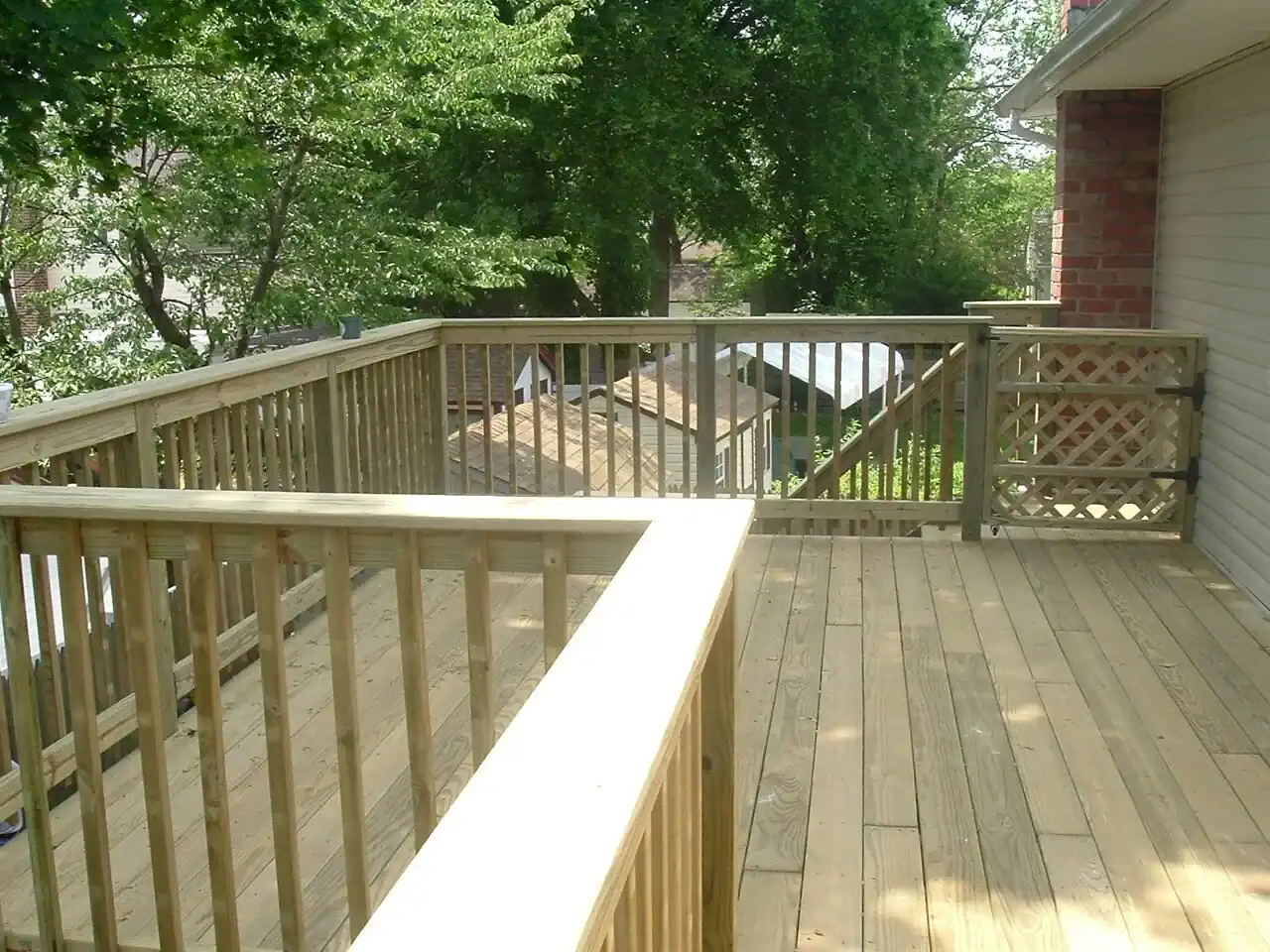
A lot of homeowners assume a designer’s job ends when the plans are drawn. In practice, the best design relationships extend through the renovation itself — material selection, contractor coordination, site visits to catch problems before they become expensive, and final styling once the work is done.
A typical process starts with a discovery conversation — not about finishes or fixtures, but about how you actually use the space. Which way does traffic flow in the morning? Where does clutter accumulate? What drives you crazy about the current layout? Those answers shape everything downstream: the floor plan, the storage decisions, the placement of windows and appliances. Designers who skip that conversation and jump straight to mood boards tend to produce spaces that look good in photos but don’t quite work in real life.
From there, a designer will typically help with space planning, material and finish selection, procurement of fixtures and furnishings, and — depending on the firm — oversight of the contractors doing the physical work. That last piece is where things get complicated. Many design firms have preferred contractor relationships, but they don’t control the contractor’s schedule, communication style, or job site standards. When the designer and contractor aren’t aligned, the homeowner ends up in the middle, managing a handoff that was never clearly defined.
On Long Island specifically, that handoff is worth thinking about carefully. The contractor market here is competitive and, frankly, inconsistent. Finding a designer you love is one challenge. Finding a contractor who will actually execute the vision — on time, within budget, without disappearing mid-project — is another one entirely. The two problems don’t always get solved together.
Design fees in Nassau County typically run between $100 and $250 per hour depending on the firm and scope, though some designers work on a flat project fee or a percentage of the overall renovation budget. It’s worth asking upfront how a designer structures their fees before you get deep into the process.
This question comes up constantly, and the confusion is understandable. The titles are often used interchangeably, but they describe meaningfully different scopes of work.
An interior decorator focuses on aesthetics — color palettes, furnishings, textiles, accessories. They work with the space as it exists and make it look better. There’s real value in that, but a decorator typically isn’t involved in structural decisions, space planning, or renovation coordination. If you’re updating a room that doesn’t need any construction, a decorator might be exactly what you need.
An interior designer, particularly one with NCIDQ certification (the primary professional credential in the field), is trained to think about space at a functional and structural level. They can work alongside architects and contractors to reconfigure layouts, specify materials that need to meet code requirements, and manage the full arc of a renovation project. In New York State, interior designers aren’t required to hold a state license the way architects are, which means the market includes everyone from NCIDQ-certified professionals to self-described decorators — making it harder to evaluate quality from a website alone.
For a cosmetic refresh — new furniture, new paint, updated accessories — a decorator works fine. For a kitchen remodel, a first-floor renovation, a basement buildout, or anything that involves moving walls or changing the layout, you want someone with genuine design and renovation experience. And you want a contractor who can actually build what they’ve designed. Those two things together are rarer than they should be.
Want live answers?
Connect with a Ray Coleman expert for fast, friendly support.
Nassau County has a solid range of interior design talent — boutique firms, solo practitioners, and design-build operations that handle both the planning and the construction. A few names that consistently come up in the local market include Annette Jaffe Interiors, which has a dedicated Nassau County focus and positions itself around transparency and long-term client relationships. Interiors by Just Design, run by Robyn Baumgarten, serves both Nassau and Suffolk County and has been featured in regional design publications. Jody Sokol Design has a specific Nassau County presence and works across communities like Syosset, Oyster Bay, and Woodbury.
These are real firms with real track records in the area. If you’re early in the process and building a shortlist, they’re worth a look.

The portfolio matters, but it’s not the only thing that matters. A beautiful portfolio tells you what a designer can produce under ideal conditions. It doesn’t tell you how they communicate when a project hits a snag, how they handle a contractor who’s running behind, or whether they’ll still be responsive three months into a six-month renovation.
Ask how they handle the relationship with the contractor — do they work with a preferred contractor, or do they leave that to you? Ask what happens if the project runs over budget. Ask how they communicate with clients week to week, and what their response time looks like when you have a question. The answers will tell you whether this is a designer who treats your project as a relationship or a transaction.
For Nassau County homeowners specifically, there’s another layer worth thinking about. Many of the homes here — particularly the Cape Cods and split-levels built in the postwar decades — were designed for a different era of living. Open-concept layouts weren’t part of the original plan. Removing walls, installing beams, and reconfiguring load-bearing structures are common requests, and not every designer has experience working through those realities with a contractor. If your renovation involves any structural changes, make sure your designer has done it before and has a contractor relationship that can actually support it.
References matter more than reviews in this market. Long Island homeowners tend to trust what a neighbor tells them over what they read online. If a designer can’t point you to three or four recent clients in Nassau County who are willing to talk, that’s worth noting.
Great design is only as good as the contractor who builds it. That’s not a knock on designers — it’s just the reality of how renovations work. A designer can produce a beautiful, thoughtful plan, and a contractor who doesn’t show up, doesn’t communicate, or cuts corners on the execution can undermine the whole thing.
This is the gap that doesn’t get talked about enough. On Long Island, the contractor reliability problem is real and well-documented. Homeowners here have heard the stories — deposits taken, calls ignored, jobs left half-finished. The skepticism is earned. Finding a designer you trust is one challenge. Finding a contractor who will execute with the same level of care is a separate one, and the two problems don’t always get solved at the same time.
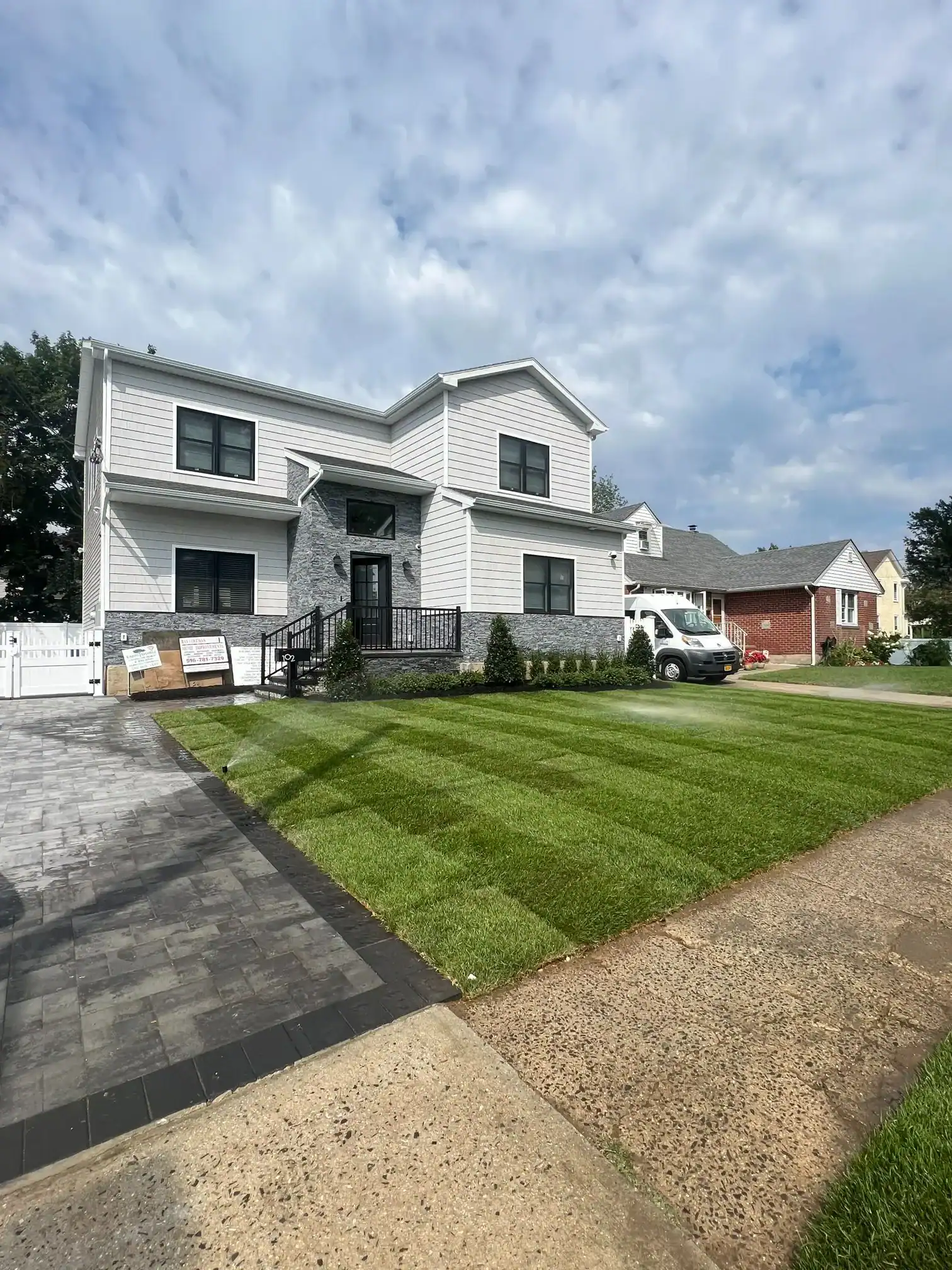
We’ve been working in Nassau County since 1972. Ray Coleman and his son work on your project personally — not in a supervisory capacity from an office, but physically on-site, doing the work. That’s something multiple clients have pointed out in reviews without being asked, because it’s genuinely uncommon. When the person whose name is on the business is the person showing up every day, the accountability is different.
We answer the phone. We respond to texts the same day. If something goes wrong at 3 AM — a pipe bursts during a January cold snap, which happens more than people expect in Nassau County — we’re reachable. We clean up the job site before we leave each evening, because we know you’re living in this house while the work is happening. And we’re transparent about pricing from the start, because the surprise-charge experience is exactly what makes homeowners dread hiring contractors in the first place.
If you’ve already found a designer you love and you need a contractor who can actually build what they’ve planned — or if you’re still in the early stages and want to talk through what a large-scale renovation might look like — we’re worth a conversation. Sixty percent of our work comes from referrals, which means most of the people who hire us heard about us from someone they trust. That’s the kind of track record that takes decades to build, and we don’t take it lightly.
The search for an interior designer on Long Island is really two searches happening at once — finding someone who can help you plan the space, and finding someone who can actually build it well. The best outcomes happen when both sides of that equation are strong.
Start with a clear sense of your project scope. If you’re making cosmetic updates, a decorator may be all you need. If you’re reconfiguring a layout, opening up a first floor, or taking on a full kitchen or bathroom renovation, you want a designer with real renovation experience and a contractor relationship you can trust.
Nassau County has good design talent. It also has a contractor market that rewards careful vetting. If you’re ready to talk through a project — or just want to understand what a renovation of your scope typically involves — Ray Coleman Home Improvement has been having that conversation with Long Island homeowners for over fifty years. Reach out and let’s start there.
Summary:
Share: