Sustainable kitchen remodeling isn't just about going green—it's about cutting your energy bills while creating a space that works better for how you actually live.
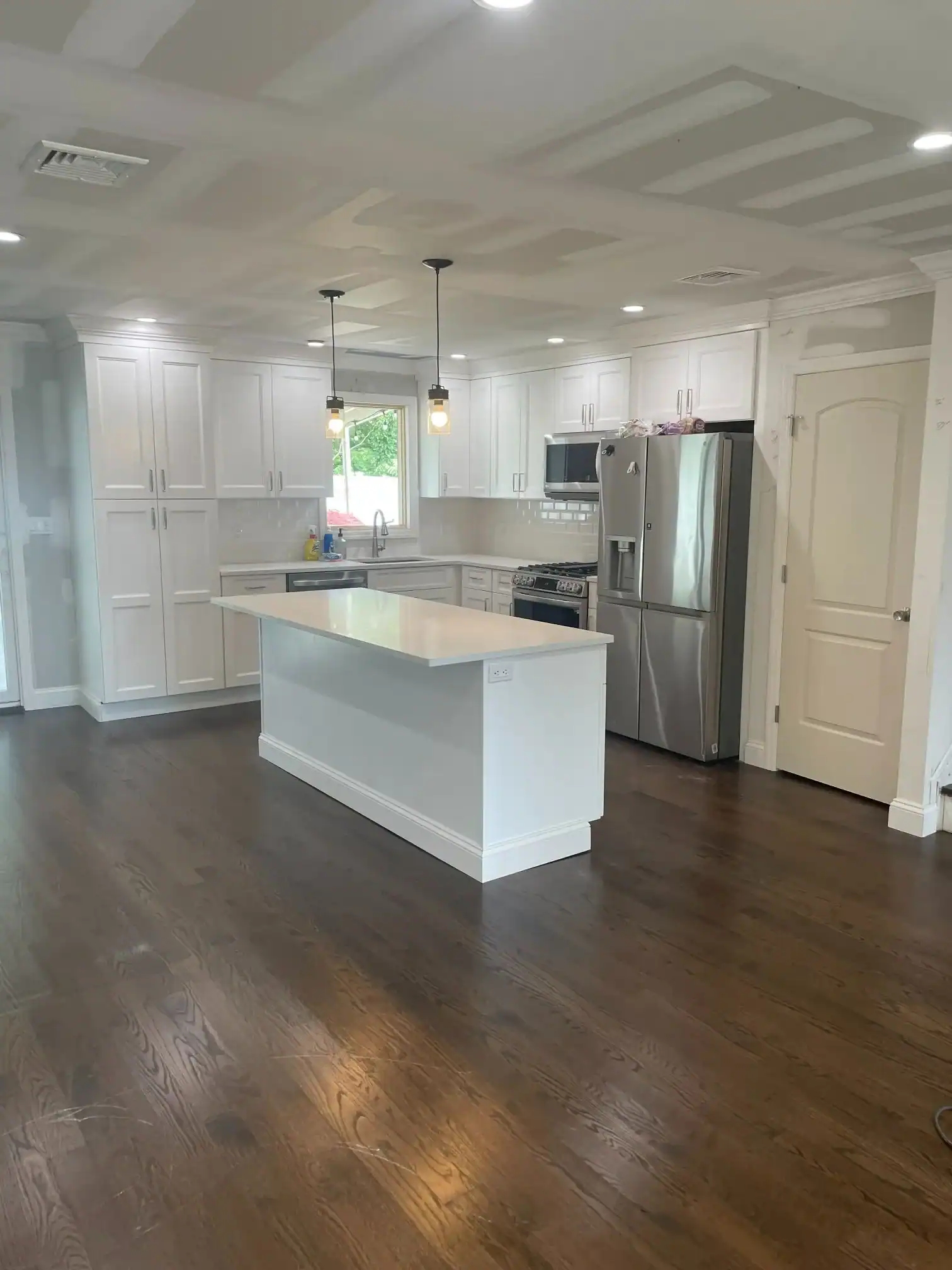
Walk into any kitchen showroom and you’ll see ENERGY STAR labels plastered everywhere. But what does that actually mean for your monthly bills? These aren’t just marketing stickers. ENERGY STAR appliances use 10% to 50% less energy than standard models, and that difference shows up in real dollars every month.
Think about your refrigerator. It’s the only appliance in your kitchen that never stops running. An older fridge can cost you an extra $200 per year compared to a new energy-efficient model. Your dishwasher? A modern ENERGY STAR version saves nearly 4,000 gallons of water annually. That’s water you’re not paying to heat, which means lower gas or electric bills too.
The upfront cost might be higher, but here’s where the math gets interesting. Factor in utility savings, plus any rebates or tax credits available for energy-efficient upgrades, and most homeowners break even within a few years. After that, it’s pure savings every month.
Not all appliances affect your energy bills equally. If you’re working with a budget—and most people are—knowing where to invest makes all the difference.
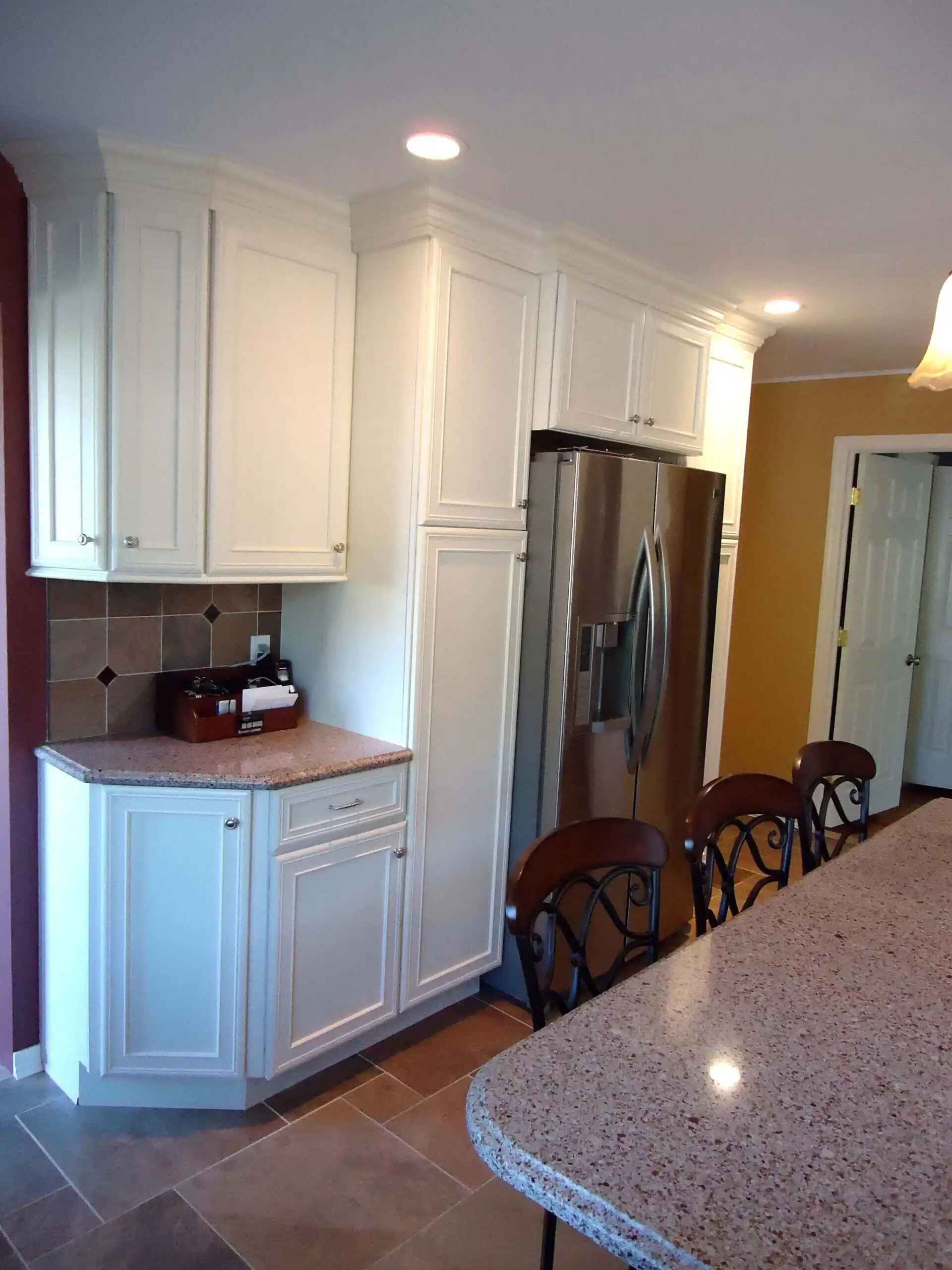
Start with your refrigerator. It accounts for roughly 15% of your home’s total energy use because it never gets a break. A top-or-bottom freezer model runs more efficiently than side-by-side configurations, and newer models with better insulation keep your food cold without constantly cycling the compressor. You’re looking at $200 in annual savings just from this one upgrade.
Your dishwasher comes next. Modern models use sensors to adjust water temperature and cycle length based on how dirty your dishes actually are. They heat water more efficiently and use less of it overall. Many also have eco-mode settings that extend the cycle time but cut energy use significantly. Over a year, that’s roughly $35 in operating costs versus $100 or more for older units.
Then there’s your cooktop and oven. If you’re replacing an old electric range, consider induction. It uses magnetic fields to heat your pots directly instead of heating a burner first, which wastes energy. Induction is faster, more precise, and uses less electricity. For ovens, convection models circulate hot air so food cooks evenly at lower temperatures. That means shorter cooking times and less energy consumed.
Don’t overlook smaller appliances either. If you’re a coffee person, look for machines with auto-shutoff features. Same with toasters, microwaves, and anything else that sits on your counter. Even when they’re “off,” many appliances draw phantom power. Smart plugs can help you monitor and control this waste.
The key is prioritizing the appliances you use most. If you run your dishwasher daily, that upgrade pays off faster than replacing a microwave you barely touch. Think about your actual cooking habits, not just what looks good in the showroom.
Smart appliances sound like a luxury, but they’re actually designed to save you money by doing the thinking for you. These aren’t gadgets for tech enthusiasts—they’re practical tools that optimize energy use automatically.
Take a smart refrigerator. It monitors internal temperatures constantly and adjusts cooling cycles based on how often you open the door, what’s inside, and even the ambient temperature in your kitchen. Some models send alerts to your phone if the door’s been left open or if the temperature rises unexpectedly. That prevents food spoilage and wasted energy trying to cool warm air.
Smart dishwashers can run during off-peak hours when electricity rates are lower. You load it after dinner, set the delay start, and it runs at 2 a.m. when your utility company charges less per kilowatt-hour. Same concept applies to smart ovens that can preheat remotely so they’re ready exactly when you need them, not sitting at 400 degrees for an extra 20 minutes.
The real value is in the data. Many smart appliances track energy consumption and show you exactly what you’re using. You might discover your refrigerator is working harder than it should because the door seal is worn, or that running your dishwasher half-full is costing you more per dish than you realized. That information helps you adjust habits and catch problems before they turn into expensive repairs.
Smart lighting is another piece of this puzzle. LED bulbs already use 75% less energy than incandescent bulbs and last 25 times longer. Pair them with smart switches or motion sensors, and you eliminate the waste from lights left on in empty rooms. You can program your kitchen lights to dim automatically in the evening or turn off completely when everyone’s asleep. Some systems even adjust brightness based on natural light coming through your windows.
Voice control might seem like a gimmick until you’re elbow-deep in raw chicken and need to set a timer or turn on the vent hood. It’s convenient, sure, but it also means you’re more likely to actually use energy-saving features instead of skipping them because they’re inconvenient.
The bottom line: smart technology removes the friction from energy efficiency. You don’t have to remember to turn things off or run appliances at optimal times. The system does it for you, and your utility bills reflect that every month.
Want live answers?
Connect with a Ray Coleman expert for fast, friendly support.
Sustainable materials aren’t just about feeling good—they’re about durability, maintenance, and long-term value. In Nassau County, where cold winters and humid summers put everything to the test, choosing the right materials matters even more.
Bamboo has become popular for cabinets and flooring because it grows fast, making it a renewable resource. It’s also harder than most hardwoods, which means it holds up better to daily wear. Bamboo handles moisture well, important for Long Island’s humidity, and it doesn’t expand or contract as much as traditional wood when temperatures fluctuate.
Recycled glass countertops give you a unique look while keeping materials out of landfills. They’re non-porous, so they resist stains and bacteria better than natural stone. They don’t need sealing, which saves you maintenance time and the environmental impact of chemical sealers. Quartz made with recycled content offers similar benefits with a more traditional appearance.
Reclaimed wood adds character that new materials can’t match. Every piece has a history, whether it’s barn siding or old factory flooring. Beyond aesthetics, using reclaimed wood reduces demand for new lumber. It’s already been seasoned and dried, so it’s more stable than freshly cut wood. Just make sure it’s properly treated and sealed for kitchen use.
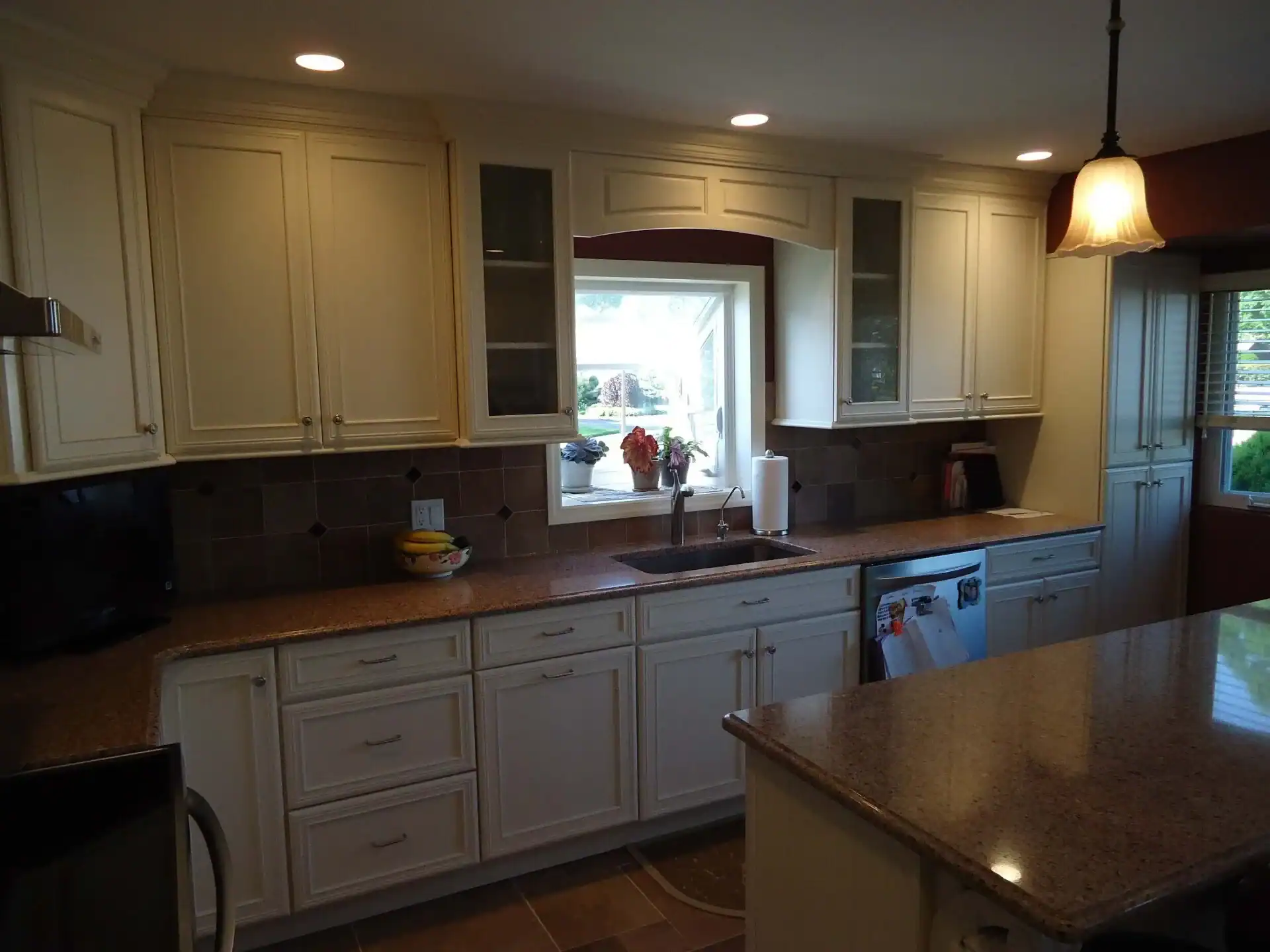
Lighting and water fixtures are the easiest sustainable upgrades to make, and they deliver immediate results you can see on your next utility bill.
LED bulbs have come a long way. Early versions gave off harsh, cold light that made kitchens feel sterile. Now you can choose from warm to cool color temperatures that match traditional incandescent bulbs. The difference is in the numbers: LEDs use up to 75% less energy and last up to 25 times longer. If you’re replacing ten bulbs in your kitchen, that’s roughly $75 per year in savings just from switching to LEDs.
Under-cabinet LED strips provide task lighting exactly where you need it without heating up your kitchen. They draw minimal power and last for years. Pendant lights over islands or dining areas can be fitted with dimmable LEDs, letting you adjust brightness based on whether you’re cooking or eating. Lower light levels mean less energy used.
Motion sensors make sense for pantries and other spaces you enter with your hands full. The light turns on automatically when you walk in and shuts off after you leave. No more lights burning all day because someone forgot to flip the switch.
Now let’s talk water. Low-flow faucets reduce water usage by 30% to 50% without feeling like you’re getting a weak stream. They mix air into the water flow, maintaining pressure while using less. For a family of four, that’s thousands of gallons saved per year. Since most of that is hot water, you’re also saving on the energy needed to heat it.
Touchless faucets take this further by shutting off automatically when you move your hands away. No more letting the water run while you scrub dishes or wash vegetables. Some models even have sensors that adjust flow based on what you’re doing—lower flow for rinsing, higher for filling pots.
Your dishwasher uses water too, but modern ENERGY STAR models are so efficient that they actually use less water than hand washing. If you’re the type who pre-rinses everything, stop. Today’s dishwashers have powerful enough spray arms and smart sensors that detect soil levels. Scraping off food is enough. Rinsing wastes water and energy.
Installing a water filter system under your sink eliminates the need for bottled water. That’s plastic waste avoided and money saved. Good filtration systems last years with minimal maintenance, and the water quality is often better than what you’d get from a bottle.
These aren’t dramatic changes. You’re not ripping out walls or replanning your entire layout. But the cumulative effect on your utility bills is substantial, and the payback period is measured in months, not years.
Nobody gets excited about insulation. It’s hidden behind walls and under floors. But if you’re remodeling your kitchen in Nassau County, addressing insulation and windows is one of the smartest investments you can make, especially given our winters.
Pipes are the obvious concern. We see frozen pipe emergencies every winter on Long Island. When temperatures drop, pipes in exterior walls or unheated spaces are vulnerable. Once a pipe freezes, you’re looking at potential bursts that cause thousands in water damage. Insulating pipes isn’t glamorous, but it prevents disasters.
Pipe insulation sleeves are inexpensive and easy to install. They maintain the temperature inside the pipes, reducing freeze risk and conserving energy by retaining heat in hot water lines. For pipes in extremely cold areas, heat tape provides additional protection. It’s a small upfront cost that saves you from emergency situations in the middle of the night.
Wall and ceiling insulation keeps your kitchen comfortable year-round. If you’re opening walls during a remodel, upgrade the insulation. Modern spray foam or rigid foam boards create an air seal that stops drafts and prevents heat loss. Your heating system won’t have to work as hard, which lowers your gas or electric bill every month.
Windows are another major source of heat loss. Single-pane windows from the ’60s and ’70s are essentially holes in your walls when it comes to energy efficiency. Replacing them with double or triple-pane windows with low-E coatings can reduce heat transfer by 50% or more. ENERGY STAR-certified windows have been shown to lower household energy bills by 12% and reduce greenhouse gas emissions.
If new windows aren’t in the budget right now, weatherstripping is a temporary fix. Seal gaps around window frames and doors to stop cold air from sneaking in. It’s not a permanent solution, but it helps until you can do a full replacement.
Don’t forget about your exterior doors. If your kitchen has a door to the outside, make sure it’s properly sealed and insulated. Storm doors add an extra layer of protection against cold air and wind. Again, these aren’t exciting upgrades, but they make a measurable difference in comfort and cost.
Proper ventilation matters too, especially in a kitchen where you’re generating heat and moisture from cooking. A quality range hood vented to the outside removes heat, steam, and cooking odors efficiently. Energy-efficient models use variable-speed fans that adjust based on what you’re cooking, so you’re not running a high-powered fan on full blast when you’re just boiling water.
The payoff from insulation and window upgrades isn’t immediate like swapping in LED bulbs, but it’s substantial over time. You’re creating a kitchen that’s more comfortable to work in and costs less to heat and cool. And if you ever sell your home, buyers in Nassau County understand the value of proper insulation and good windows—they’ve dealt with our winters too.
Sustainable kitchen remodeling doesn’t have to be an all-or-nothing proposition. You don’t need to gut everything and start from scratch with the most expensive eco-friendly materials available. Start with the upgrades that deliver the biggest impact on your utility bills—ENERGY STAR appliances, LED lighting, low-flow fixtures. Then layer in sustainable materials where they make sense for your budget and your home.
The goal is creating a kitchen that works better, costs less to operate, and holds its value. In Nassau County’s competitive real estate market, energy-efficient upgrades set your home apart. Buyers understand what it means to heat a house through a Long Island winter. They’ll pay more for a home that’s been thoughtfully updated with efficiency in mind.
If you’re ready to explore sustainable options for your kitchen remodel, we’ve been helping Nassau County homeowners make these decisions for over 50 years. We understand the local climate challenges, from frozen pipes to humidity, and we know which materials and appliances actually deliver on their promises in real-world conditions.
Summary:
Share: