Large-scale home improvement projects in Nassau County, NY demand more than a contractor with tools—you need someone who answers calls, communicates clearly, and finishes what they start.

Not every home improvement job requires the same level of expertise. Painting a room or replacing a faucet? Those are straightforward. But projects involving multiple trades, structural changes, or renovations that affect how you live in your home for weeks or months? That’s different territory entirely.
Large-scale projects include kitchen remodeling, bathroom renovations, whole house renovations, first-floor overhauls, dormer additions, and extensions. These aren’t weekend projects. They require coordination between electricians, plumbers, carpenters, and specialists. They involve permits, inspections, and building codes. Most importantly, they demand a general contractor who manages all these moving parts without dropping the ball.
In Nassau County, NY, these remodeling projects typically range from $15,000 to well over $50,000. That’s not just money—it’s a relationship that lasts weeks or months, with someone who has access to your home, your budget, and your vision.
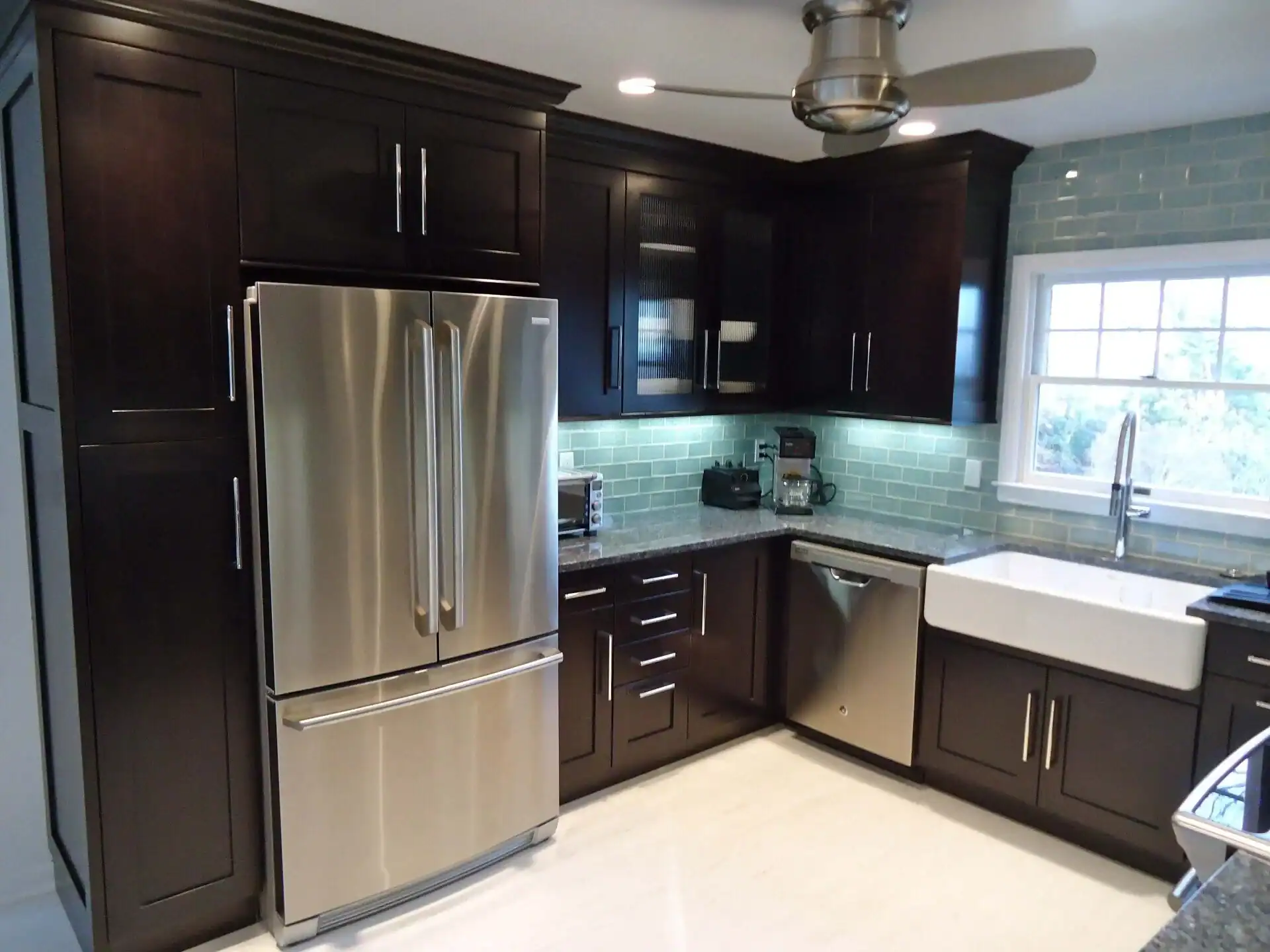
Kitchens and bathrooms are the most complex spaces in your home. They involve plumbing, electrical work, ventilation, waterproofing, and installation that has to meet specific codes. Get any of these wrong, and you’re not looking at cosmetic problems—you’re looking at water damage, mold, electrical hazards, or failed inspections.
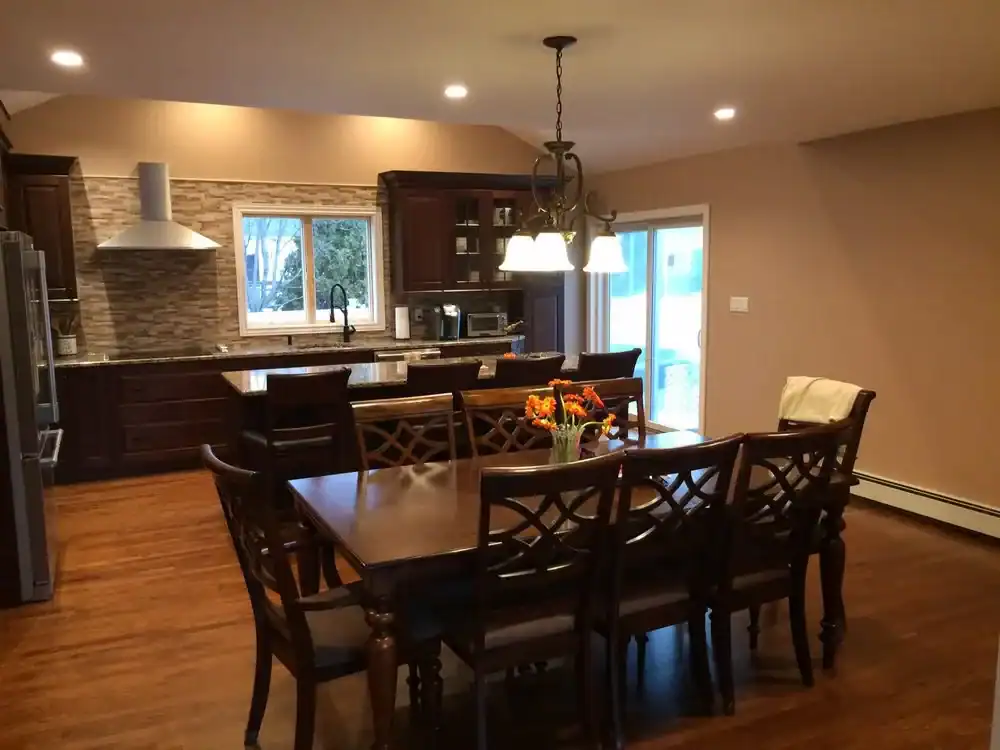
Kitchen remodeling means coordinating cabinet installation with appliance delivery, positioning electrical outlets correctly for your layout, and aligning plumbing lines with your new sink and dishwasher. Countertops get templated after cabinets are installed. Backsplash work requires precision. Flooring timing matters so other trades don’t damage it.
Bathroom renovations bring their own challenges. Waterproofing a shower isn’t optional—it’s critical. Ventilation has to prevent moisture damage. In Nassau County’s climate, where humidity swings and cold winters are common, proper ventilation prevents mold growth that costs thousands to fix later. Tile work demands skill. Plumbing fixtures must be installed correctly to avoid leaks that only show up after walls are closed.
The general contractor managing these projects needs to understand sequencing. Which subcontractor comes in when. What inspections happen at each stage. How to solve problems when walls reveal old plumbing that needs replacing, or floor joists aren’t level, or electrical panels lack capacity for new circuits. These aren’t reasons to panic with an experienced contractor—they’re just part of the process.
What separates qualified contractors from those in over their heads? Experience with these specific projects. Ask how many kitchens or bathrooms they completed in the past year. Ask about their process for handling unexpected discoveries. Ask who their plumber and electrician are, and how long they’ve worked together. The answers reveal whether you’re dealing with a professional team or someone figuring it out as they go.
When you’re renovating an entire floor or adding square footage, complexity multiplies. These projects often involve structural changes, which means engineers, architects, and building permits. They affect your daily life in ways single-room remodels don’t. You might relocate temporarily or live in a construction zone for months.
First-floor renovations in Nassau County, NY homes often involve removing walls for open floor plans, updating old electrical systems, replacing outdated HVAC, and modernizing spaces untouched for decades. Dormers and extensions mean working with your existing structure while adding elements that integrate seamlessly. Roof lines have to match. Siding has to blend. Foundations have to support additional loads.
These home improvement projects require a general contractor who understands structural engineering, even if they’re not the engineer. They need to know when walls are load-bearing. They coordinate with architects to ensure designs are buildable. They manage inspections at multiple stages—foundation, framing, electrical, plumbing, and final.
Longer timelines mean more opportunities for complications. Weather delays in Wantagh’s winters. Material delivery pushbacks. Subcontractor emergencies. Contractors experienced with large-scale projects know how to adapt without derailing schedules. They build buffer time into estimates. They communicate proactively about delays. They don’t disappear when problems arise.
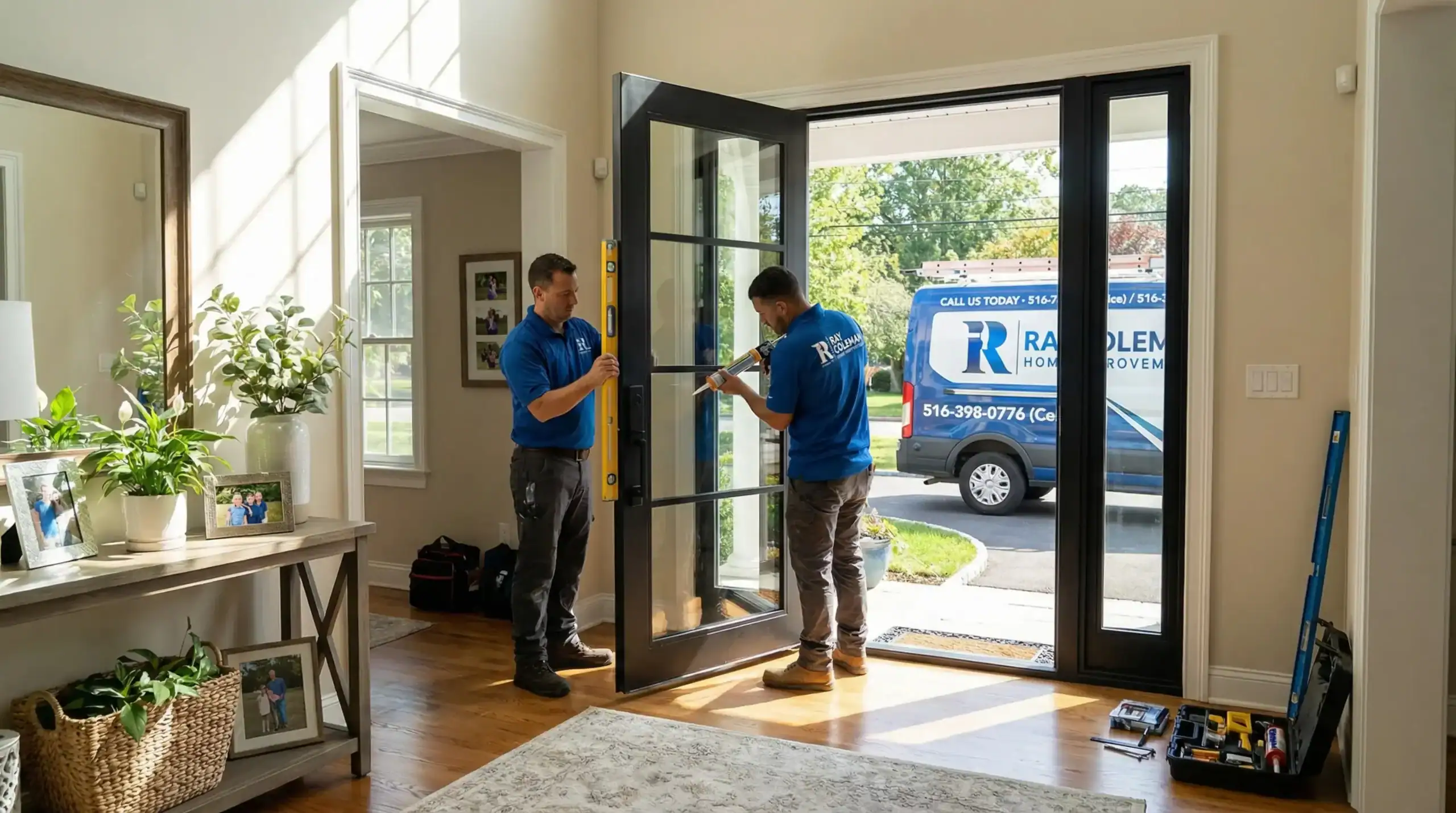
Living through whole house renovations tests patience. Dust, noise, disruption—it’s manageable if your contractor is organized and respectful. Job sites should be cleaned daily. Work hours should be predictable. Your belongings should be protected. These aren’t luxuries; they’re basic professional standards that separate reliable contracting services from chaos.
Contractors who excel at large-scale projects treat your home like their own. They don’t leave tools across your driveway. They don’t blast music at 7 a.m. They don’t use your bathroom or leave trash in your yard. They show up when promised, do the work agreed upon, and communicate clearly about what’s next. In a market where contractor horror stories make local news, finding someone who does what they said is worth everything.
Want live answers?
Connect with a Ray Coleman expert for fast, friendly support.
Not every contractor who gives you an estimate deserves your business. Some warning signs are obvious—unlicensed, uninsured, asking for full payment upfront. Others are subtler but equally important. Spotting these red flags before signing a contract can save you from becoming another cautionary tale in Nassau County.
Poor communication during estimates previews what’s coming. If they’re hard to reach when trying to win your business, imagine their responsiveness after they have your money. Contractors who don’t return calls within 24 hours, show up late without explanation, or seem vague about timelines are showing you exactly who they are.
Pressure tactics are another major warning. Legitimate contractors don’t rush you into signing. They don’t offer special pricing only good today. They don’t claim they have leftover materials from another job and can give you a deal right now. These are sales tactics, not professional behavior from experienced remodeling contractors.
When comparing estimates for kitchen remodeling or bathroom renovations, one bid coming in significantly lower might seem like you’ve found a deal. More often, you’ve found a problem.
Contractors who underbid either don’t understand the scope, plan to cut corners, or intend to hit you with change orders once work starts. Materials cost what they cost. Skilled labor costs what it costs. Permits cost what they cost. Contractors pricing significantly below market either don’t know what they’re doing or know exactly what they’re doing—and neither scenario benefits you.
The “low bid then change order” strategy is particularly common in home improvement. The initial estimate looks great, so you sign. Then the project starts, and suddenly everything requires additional payment. The subfloor needs replacing. The electrical panel needs upgrading. Plumbing isn’t up to code. Some discoveries are legitimate—old Nassau County homes hide surprises. But when every phase brings unexpected costs, you’re not dealing with bad luck. You’re dealing with a contractor who deliberately underbid.
Compare this to contractors providing detailed, itemized estimates. They break down material costs, labor, and markup. They explain what’s included and what’s not. They account for potential issues based on your home’s age and condition. Their pricing might exceed the lowball bid, but it’s honest. You know what you’re paying for, with far fewer surprise costs mid-project.
In Nassau County’s remodeling market, where bathroom renovations average around $18,500 and kitchen remodeling easily exceeds $30,000, the difference between fair bids and lowball bids might be $5,000 or $10,000. That sounds significant until you’re three weeks in and the lowball contractor asks for an additional $15,000 to complete work that should have been included. Or worse, they’ve disappeared, leaving you with a gutted kitchen and no recourse—a scenario that’s happened to multiple Long Island families recently.
Communication issues are the most frequently reported problem homeowners have with contractors. When you don’t know what’s happening with your project, anxiety fills the void. Is the delay normal, or is there a problem? Why hasn’t the electrician shown up? When will cabinets be delivered? These questions shouldn’t require detective work.
Professional contractors establish communication expectations upfront. They tell you how often you’ll receive updates and through what method—text, email, calls, or meetings. They assign you a point of contact responsible for answering questions. They don’t leave you wondering whether anyone’s working or when you’ll see progress.
The opposite is contractors great at communication until they have your deposit, then increasingly difficult to reach. Calls go to voicemail. Texts get read but not answered. When you finally connect, explanations are vague. This pattern doesn’t improve—it worsens. Deep into renovations, you might go days without hearing from them, even when work has stopped entirely.
Communication breakdown often precedes bigger problems. Contractors who stop communicating usually deal with issues they don’t want to discuss. Maybe they’ve run out of money from underbidding. Maybe they’ve taken too many projects and can’t manage them all. Maybe they’re avoiding telling you about mistakes that’ll cost time and money to fix. When communication stops, progress usually stops too.
The impact on homeowners is significant. You can’t plan your life when you don’t know if workers will show up tomorrow or next week. You can’t make decisions about finishes if you don’t know what stage the project is in. You can’t protect yourself from cost overruns without knowing what’s being done and why. Renovation stress is manageable with information. Without it, every day feels uncertain.
Contrast this with contractors who over-communicate rather than under-communicate. They send progress photos. They give heads-up when subcontractors are scheduled. They explain delays when they happen and provide realistic timelines for getting back on track. They return calls within hours, not days. This communication level doesn’t just make renovations more pleasant—it makes them more successful. Problems get addressed quickly because they’re discussed openly. Decisions get made efficiently because everyone has needed information.
Choosing a general contractor for large-scale projects in Wantagh, NY comes down to more than comparing prices or looking at portfolios. It’s about finding someone who treats your home with respect, communicates clearly, and has experience to handle whatever challenges arise during renovations.
The contractors who stand out aren’t necessarily those with the fanciest websites or lowest bids. They’re the ones who answer the phone, show up when promised, and do the work agreed upon. They’re the ones whose previous clients call them back for the next project, and the one after that. They’re the ones who’ve built reputations one completed kitchen, one finished bathroom, one satisfied homeowner at a time.
Trust your instincts. If something feels off during estimates, it probably is. If promises sound too good to be true, they probably are. But when you find someone straightforward, experienced, and genuinely interested in helping you achieve your vision, you’ll know. That’s when you can move forward with confidence, knowing your project is in capable hands.
For over 50 years, we’ve brought that experience to large-scale home improvement projects throughout Nassau County, NY. At Ray Coleman Home Improvements, we’ve built our reputation on reliability, communication, and quality work that lasts—one satisfied homeowner at a time.
Summary:
Share: