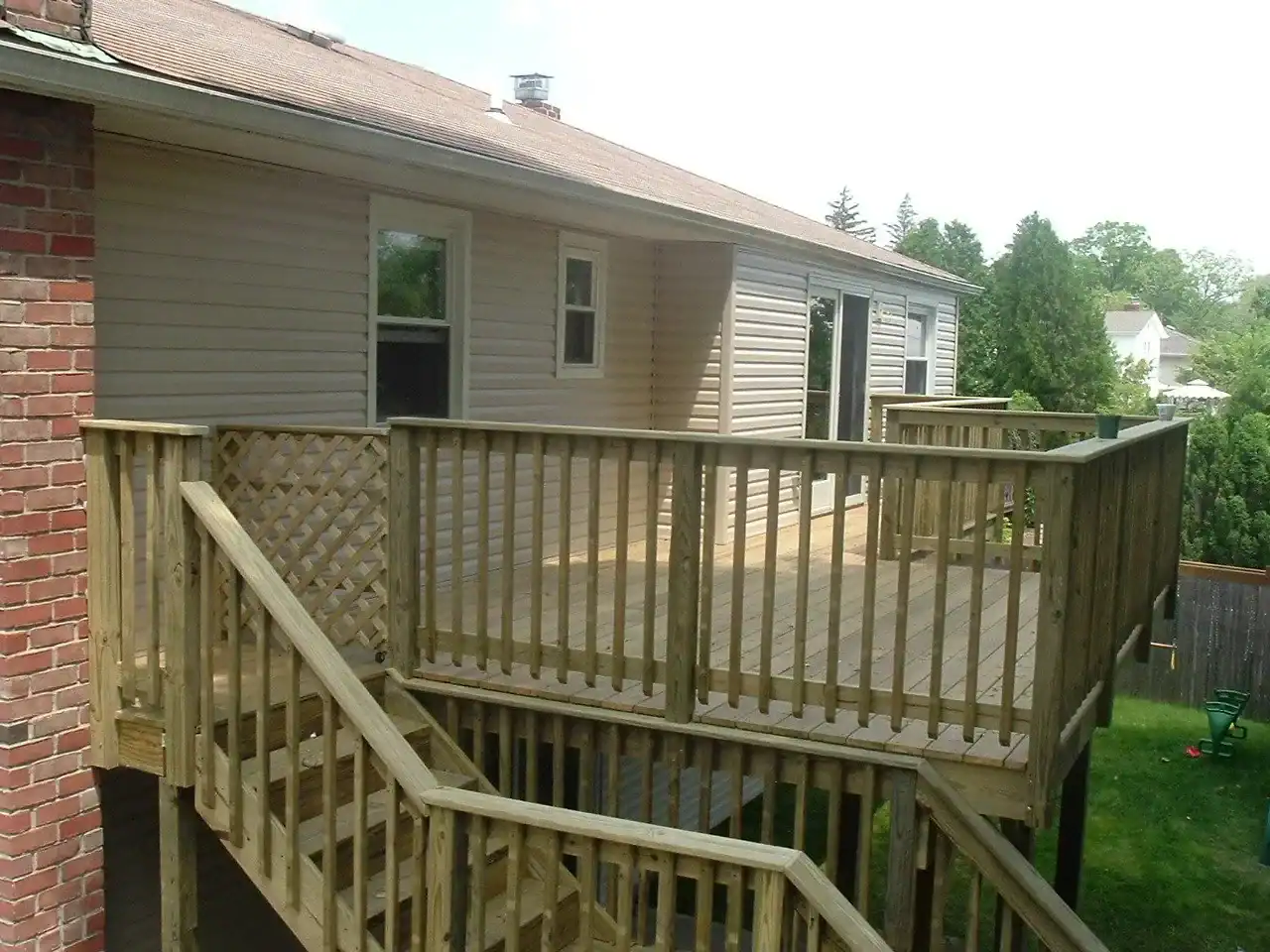
National cost guides will give you the wrong number. Here's what home additions actually cost in Nassau County, broken down by project type.
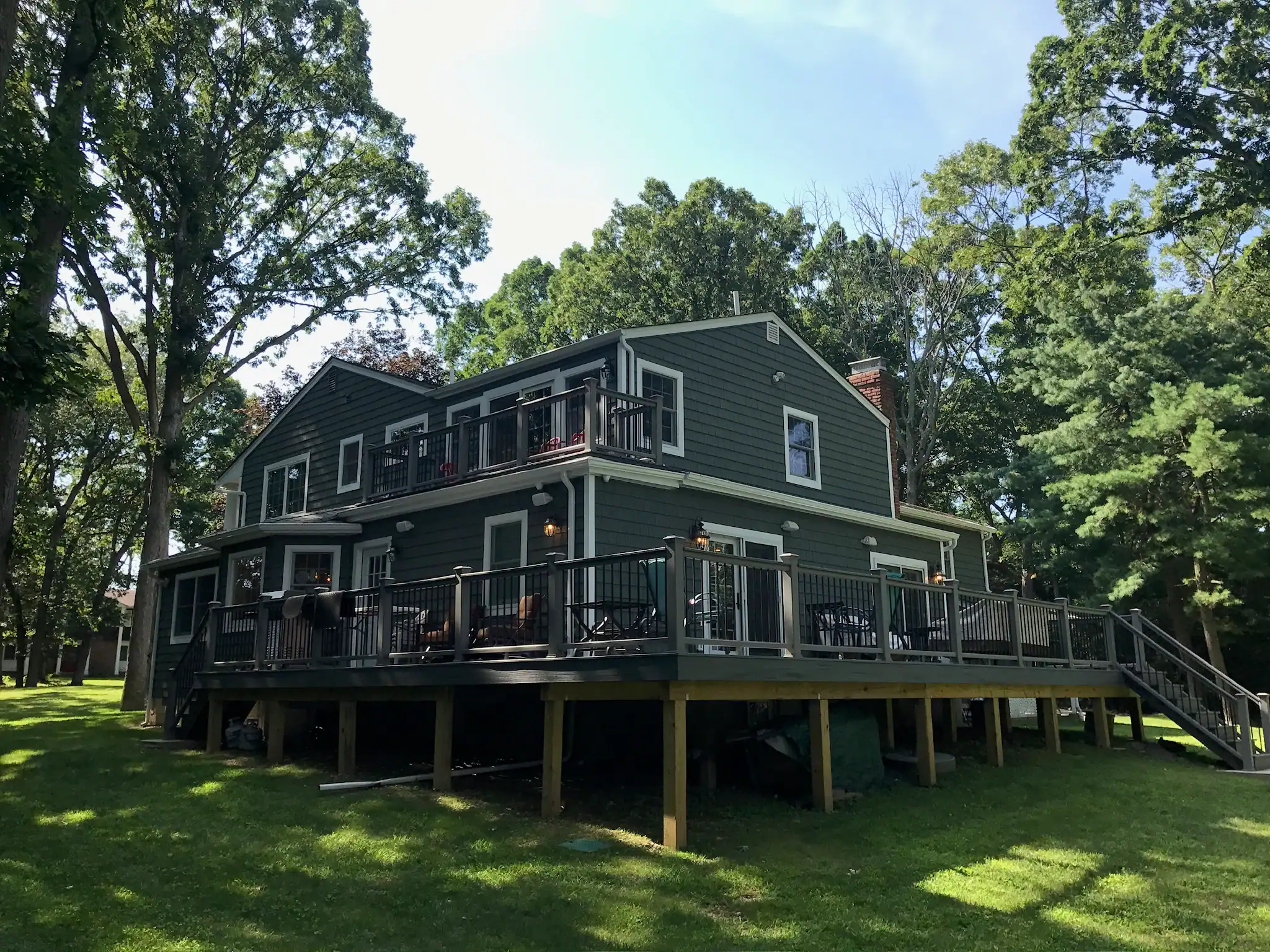
Most homeowners start their research on a national cost site, see an average around $51,000, and think they’re in the right ballpark. Then the local quotes come in — and the numbers look completely different. That’s not a contractor markup problem. That’s a data problem.
Nassau County has some of the highest labor costs in the country, an aging housing stock that almost always requires structural upgrades, and material logistics that add real cost before a single nail goes in. We’ve built enough homes here to know what the honest local picture looks like — and it’s what we’re sharing in this guide.
The range for a home addition in Nassau County runs from $161 to $321 per square foot for standard to premium grade construction — and that’s before you factor in structural upgrades, permit timelines, or the finish level you’re after.
A typical Long Island home extension lands somewhere between $150,000 and $250,000 all-in, though projects can start around $100,000 for smaller additions like a mudroom or bathroom, and push well past $450,000 for a large second-story addition or in-law suite.
Those numbers will feel high if you’ve only looked at national guides. They shouldn’t. Nassau County’s $810,000 median home price reflects a market where skilled labor is expensive, demand is constant, and every contractor worth hiring is already booked. The cost of a home addition here isn’t inflated — it’s just the real price of doing the work right in this market.
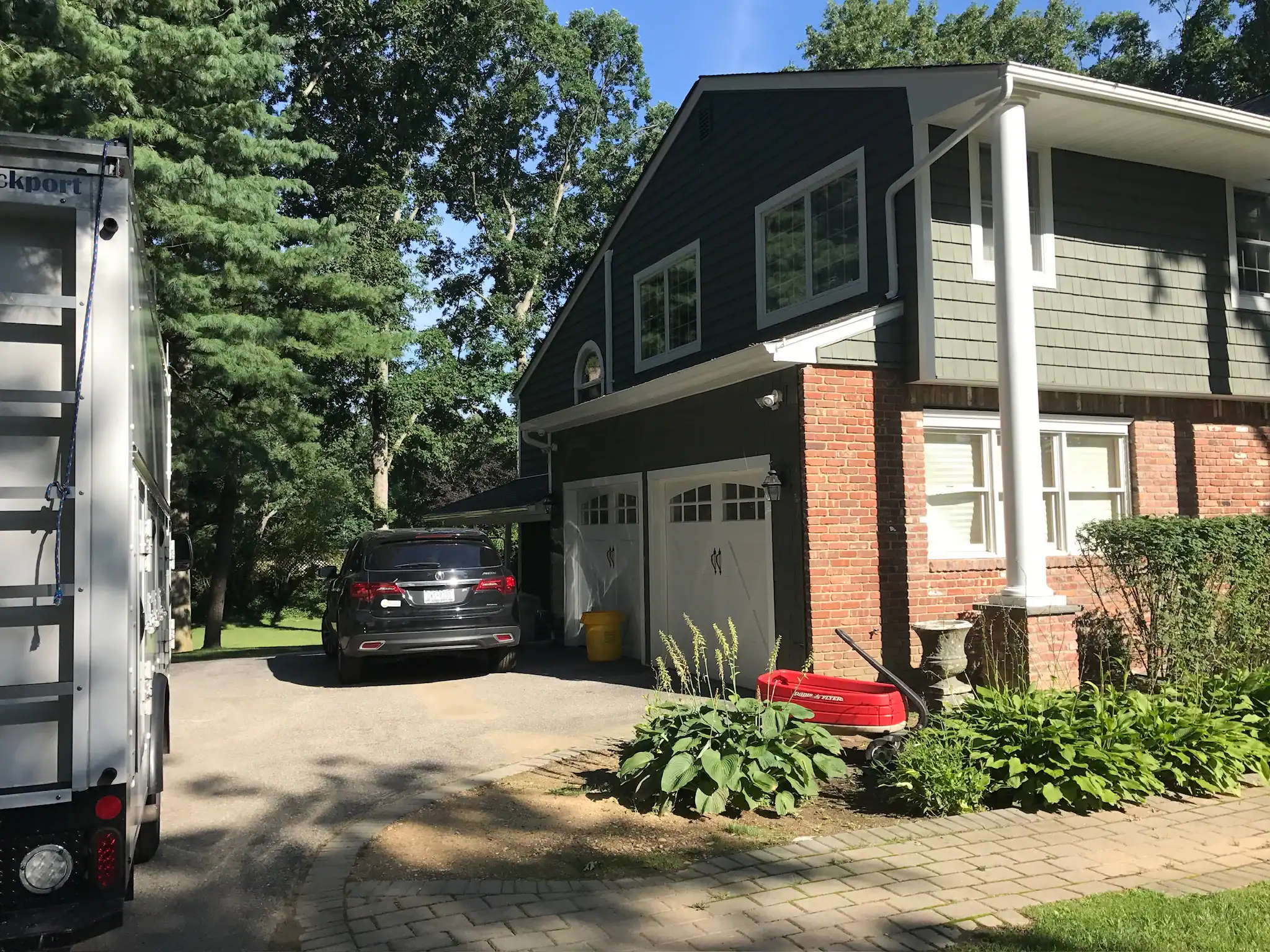
Dormers are the most requested addition we see in Nassau County — and for good reason. The county is filled with Cape Cods, particularly in Levittown, Hicksville, and Massapequa, where the attic space is technically there but the headroom isn’t. A shed dormer changes that completely, converting what’s essentially a storage crawl into livable square footage with full ceiling height.
What most homeowners don’t realize until they get a quote is that a dormer isn’t just a roofline change and some windows. On a 1950s or 1960s Cape Cod, the ceiling joists were sized to hold up drywall — not a floor with people walking on it. Before the dormer can go in, those joists typically need to be upgraded to floor-rated framing. Rafters often need reinforcement or full replacement. The foundation may need to be assessed for the added load. None of that shows up in the national average figures, but all of it shows up on your invoice if you hire a contractor who actually knows what they’re doing.
A realistic budget for a shed dormer on a Nassau County Cape Cod runs $120,000 to $150,000 when you include structural work, permits, roofing, insulation, windows, and interior finishing. The ROI tends to be strong — a $400,000 Cape that receives a well-executed dormer conversion typically appraises in the $500,000 to $600,000 range afterward. In a market where moving up means buying into the same $810,000 median, that math matters.
Nassau County’s permit process for dormers isn’t fast. Design and permit filing alone takes six to twelve weeks. If you’re in an incorporated village — Garden City, Old Westbury, and others — you’re also looking at architectural review board approval on top of the standard building permit. Build that timeline into your planning from the start.
A full second-story addition is the largest structural project most homeowners will ever undertake. On Long Island, most projects in this category fall between $150,000 and $350,000, with cost per square foot ranging from $200 to over $500 depending on the complexity of the existing structure, the roofline, the number of bedrooms and baths being added, and the finish level throughout.
The reason that range is so wide comes down to what’s already there. A ranch built in 1962 in Wantagh or Merrick was never designed to carry a second floor. The wall framing, the foundation, the entire load path — all of it needs to be evaluated by a structural engineer before a single board goes up. That engineering work, along with stamped architectural drawings, is not optional in Nassau County. It’s a permit requirement. Any contractor quoting a second-story addition without mentioning engineering is either skipping a step or planning to skip a step.
Room additions — a rear family room, a primary suite wing, a sunroom bump-out — sit in a different price tier. Smaller in scope, they typically run from $100,000 to $200,000+ depending on size and what’s being added. A bathroom within a new addition adds cost. Running new HVAC zones into the addition adds cost. The further the new space is from your existing mechanical systems, the more it costs to connect everything properly.
What makes Nassau County specifically more expensive than national guides suggest is partly geography. All materials — lumber, engineered beams, roofing — have to cross a bridge or travel congested expressways to get here. That island logistics reality adds roughly five to ten percent to material costs before the first delivery even arrives on your property. It’s a real number that no national pricing calculator accounts for.
Want live answers?
Connect with a Ray Coleman expert for fast, friendly support.
These two terms get used interchangeably, but they price out very differently. A house renovation cost covers work within your existing footprint — updating a kitchen, gutting and rebuilding bathrooms, opening up a floor plan, replacing systems. A home addition creates new square footage that didn’t exist before, which means new foundation work, new framing, new roofing, and a new exterior envelope on top of all the interior finishes.
That distinction matters for budgeting. Additions carry a higher per-square-foot cost than renovations because you’re building something from scratch, not just improving what’s already there. Both can be part of the same project — and often are in Nassau County, where a first-floor renovation frequently gets paired with a rear extension or a dormer conversion.
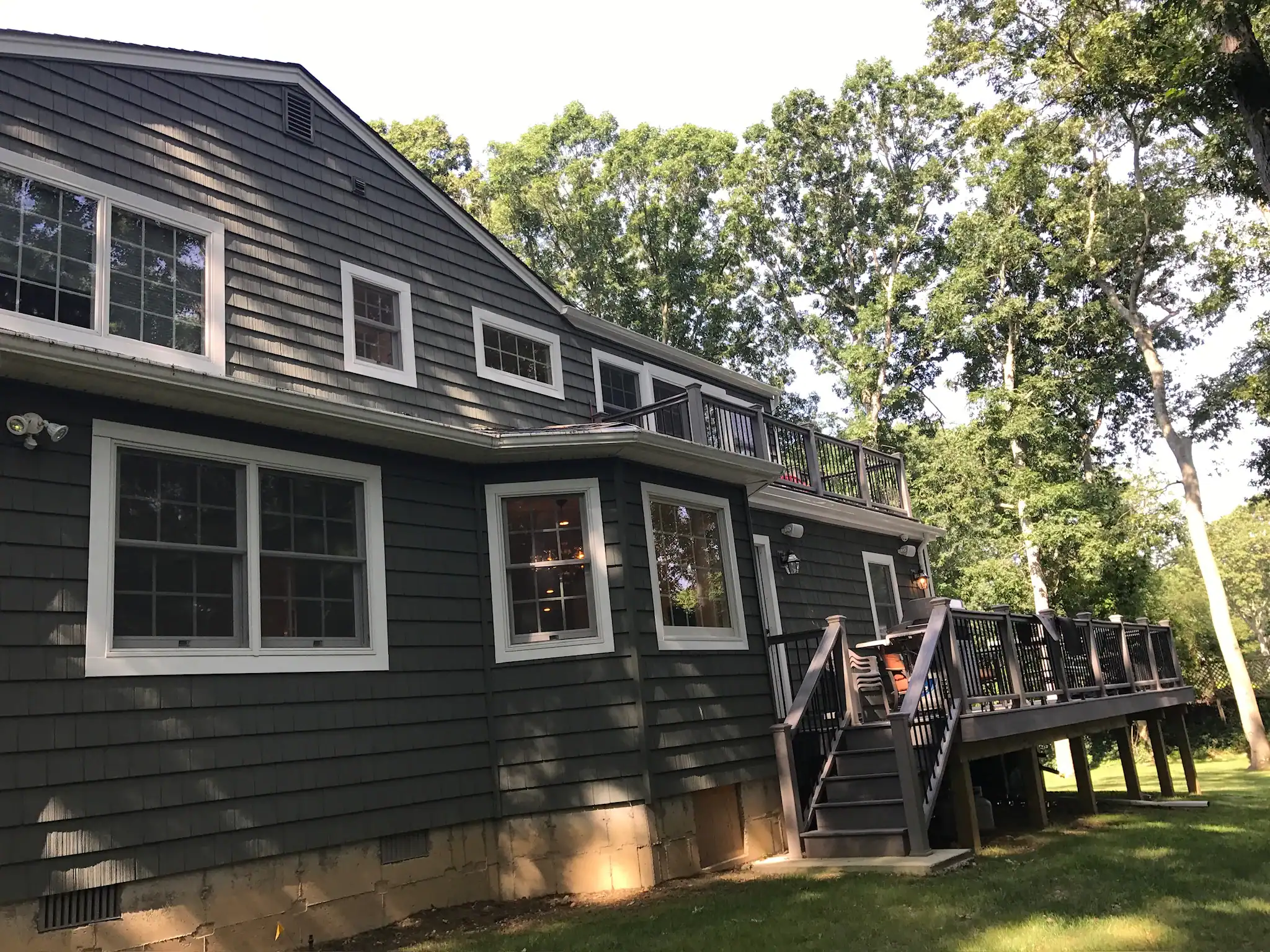
Whether you’re remodeling within your existing walls or adding on, the same core variables determine where your project lands in the range. Square footage is the most obvious one — more space means more of everything. But the condition of your existing structure is often the bigger wildcard, especially in Nassau County’s post-war housing stock.
A home built in the 1950s or 1960s may have knob-and-tube wiring, undersized electrical panels, galvanized plumbing, or framing that doesn’t meet current load requirements. None of that is visible in the initial walkthrough, and a contractor who doesn’t ask about it isn’t doing their job. The industry standard is to carry a fifteen percent contingency on any major remodel or addition for exactly this reason — not because something will definitely go wrong, but because in older homes, something almost always surfaces once the walls open up.
Finish level is the other major driver. The same square footage can cost dramatically different amounts depending on whether you’re choosing mid-grade cabinetry and standard tile or custom millwork and imported stone. This isn’t a judgment call — it’s a planning call. Knowing your finish expectations upfront helps us give you a number that actually reflects your project, not a generic version of it.
The home remodel cost also shifts depending on how many trades are involved. A kitchen renovation that requires new electrical, new plumbing, structural modifications to remove a load-bearing wall, and HVAC rerouting is a fundamentally different project than a cosmetic refresh. Getting a detailed, itemized quote — not a single lump sum — is the only way to understand what you’re actually paying for.
A whole-house renovation is exactly what it sounds like: a comprehensive overhaul of most or all of a home’s interior, often combined with exterior improvements, system upgrades, and structural work. On Long Island, these projects typically run from $200,000 into the $400,000+ range depending on the size of the home, the scope of the work, and the condition of what’s being replaced.
The appeal of a whole-house renovation — especially in Nassau County — is that it lets you stay in a neighborhood you know, keep your school district, and end up with a home that functions the way your family actually lives. Given that buying up in this market means competing for homes priced at $810,000 or more, the financial case for renovating in place is stronger here than almost anywhere else in the country.
What separates a smooth whole-house renovation from a difficult one usually comes down to two things: the quality of the planning before work starts, and the quality of the contractor running the job. A general contractor who coordinates architectural drawings, structural engineering, permits, and all the trades under one roof keeps the project moving. One who manages from a distance, subcontracts without oversight, or goes quiet between phases creates delays that compound into months of disruption and cost overruns you didn’t budget for.
On a project of this scale, the contractor’s availability and communication aren’t soft qualities — they’re operational requirements. You need someone who answers when you call, tells you what’s happening before you have to ask, and shows up to the job site every day to make sure the work is being done right.
The most useful thing you can do before calling a contractor is get clear on three things: the scope of what you want, your realistic budget range, and how much flexibility you have on finishes. That gives a contractor enough to work with on a first conversation, and it gives you a basis for comparing quotes that are actually describing the same project.
When you’re ready to talk numbers, make sure the quote you receive is detailed and in writing — scope, timeline, payment milestones, and what’s specifically included. A vague lump sum is not a quote. And if one number comes in thirty percent lower than everything else you’ve seen, that’s not a deal — that’s a question worth asking before you sign anything.
If you’re in Nassau County and you’re ready to have a real conversation about what your project will cost, we’re here to pick up the phone, give you straight answers, and show up every day until the job is done right. That’s how we’ve built Ray Coleman Home Improvement’s reputation in this market.
Summary:
Share: