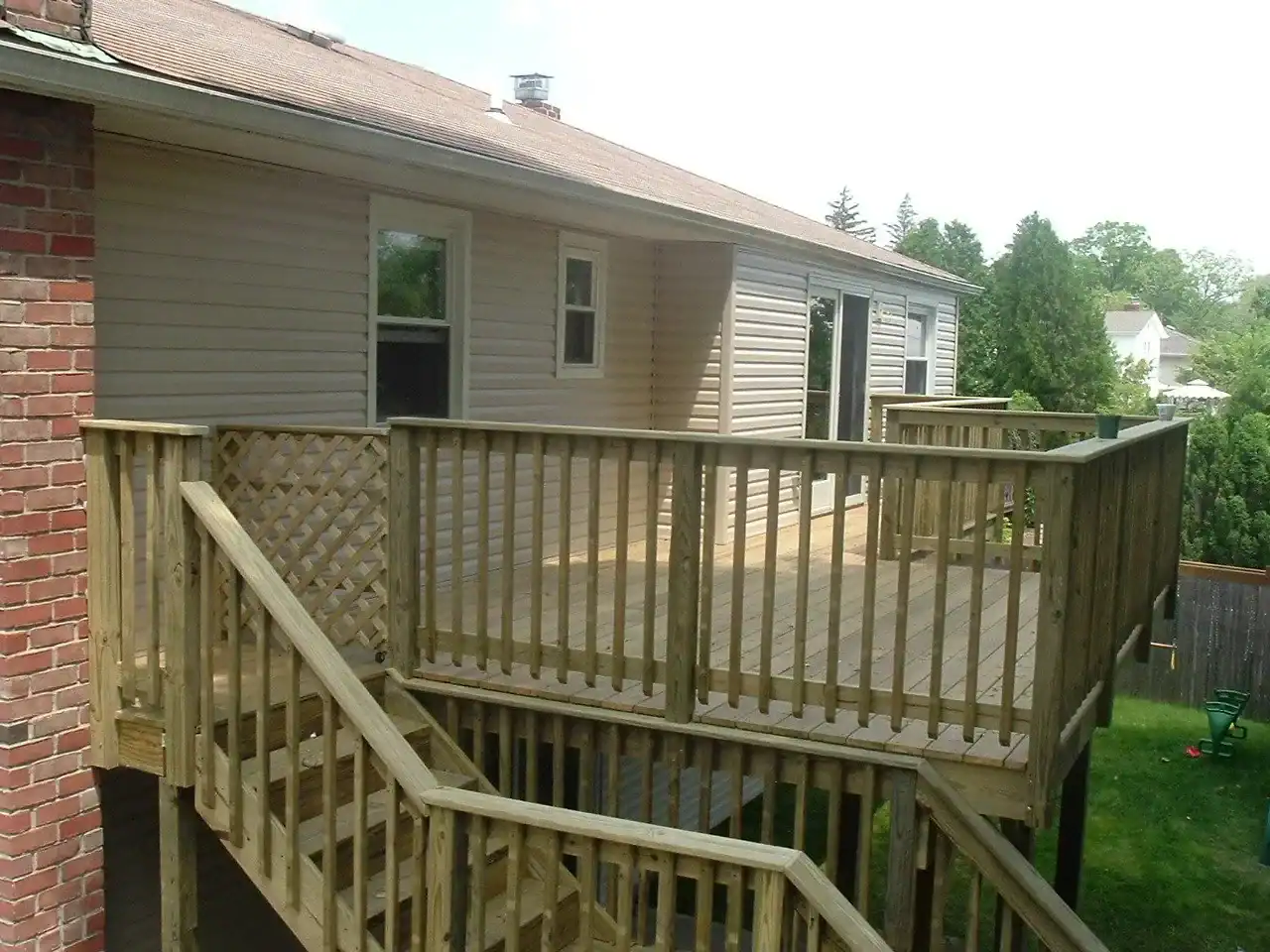
National cost guides will tell you $15,000. Nassau County will tell you otherwise. Here's what a dormer addition actually costs on Long Island in 2026.
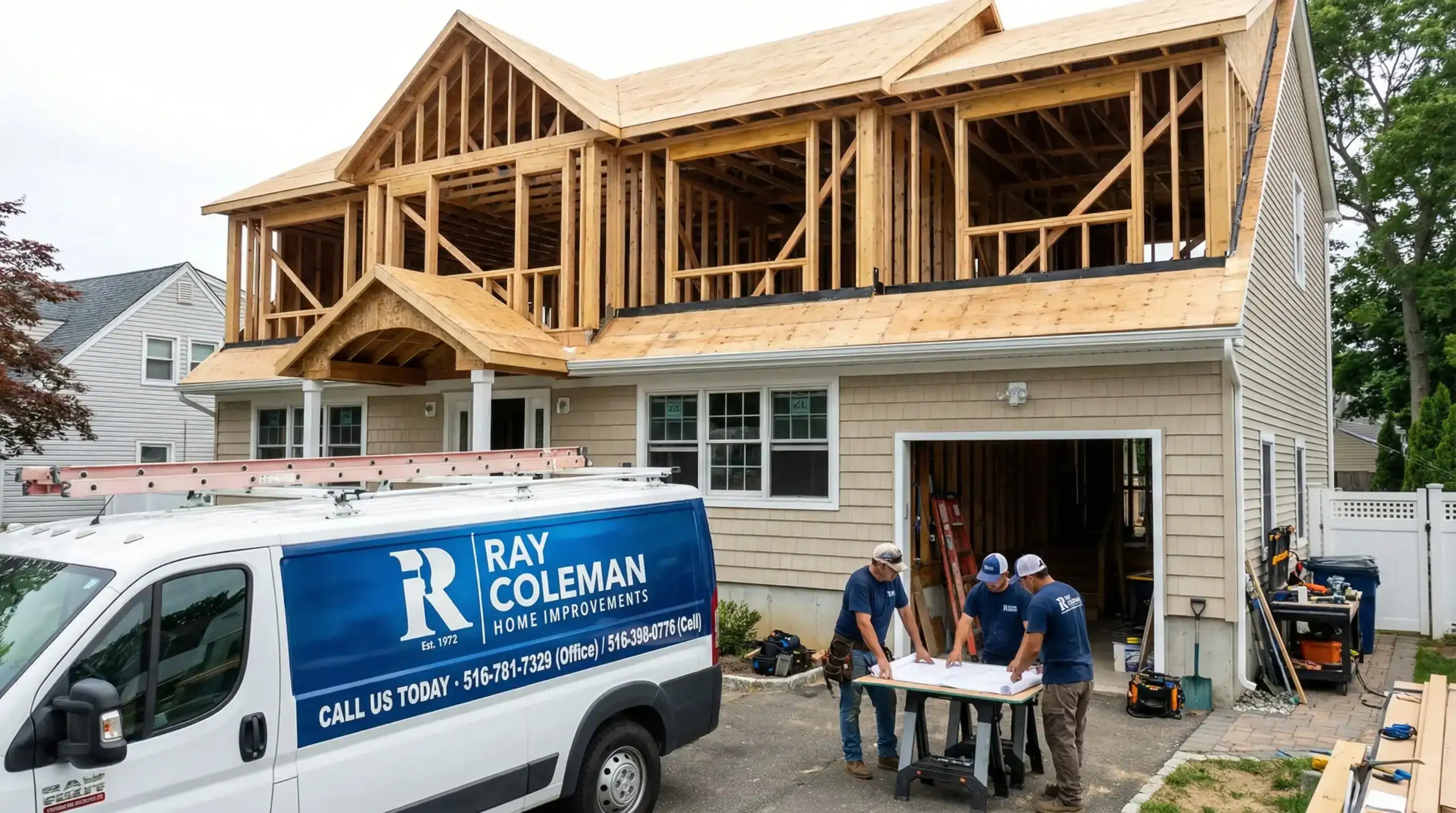
You searched “dormer addition cost,” found a number like $15,000, and then got a quote from a local contractor for four or five times that. Now you’re wondering who’s lying to you.
Nobody is. The national averages just don’t apply here. Nassau County has its own labor rates, its own permit costs, and its own housing stock — mostly post-war Cape Cods and split-levels that require a specific kind of structural work before anything else can happen. This guide gives you the real numbers for Long Island, explains what’s actually driving the cost, and helps you figure out whether what you’re being quoted makes sense.
Let’s start with the number that surprises most people. The national average for a dormer addition runs somewhere around $15,000. In Nassau County, a realistic starting point for a gable dormer — structure only, before any interior finish — is closer to $40,000 to $60,000.
A full shed dormer on a Cape Cod, the kind that converts the upper floor into two real bedrooms and a bathroom, typically runs $80,000 to $150,000 or more depending on finish level and scope. That’s a wide range, and it’s intentional. The honest answer is that dormer costs in Nassau County vary significantly based on what you’re actually building.
A small decorative dormer that adds light to a hallway is a very different project from a full Cape Cod conversion that effectively creates a second floor. Most Nassau County homeowners asking about dormer costs are thinking about the latter — and that’s the number they need to be planning around.
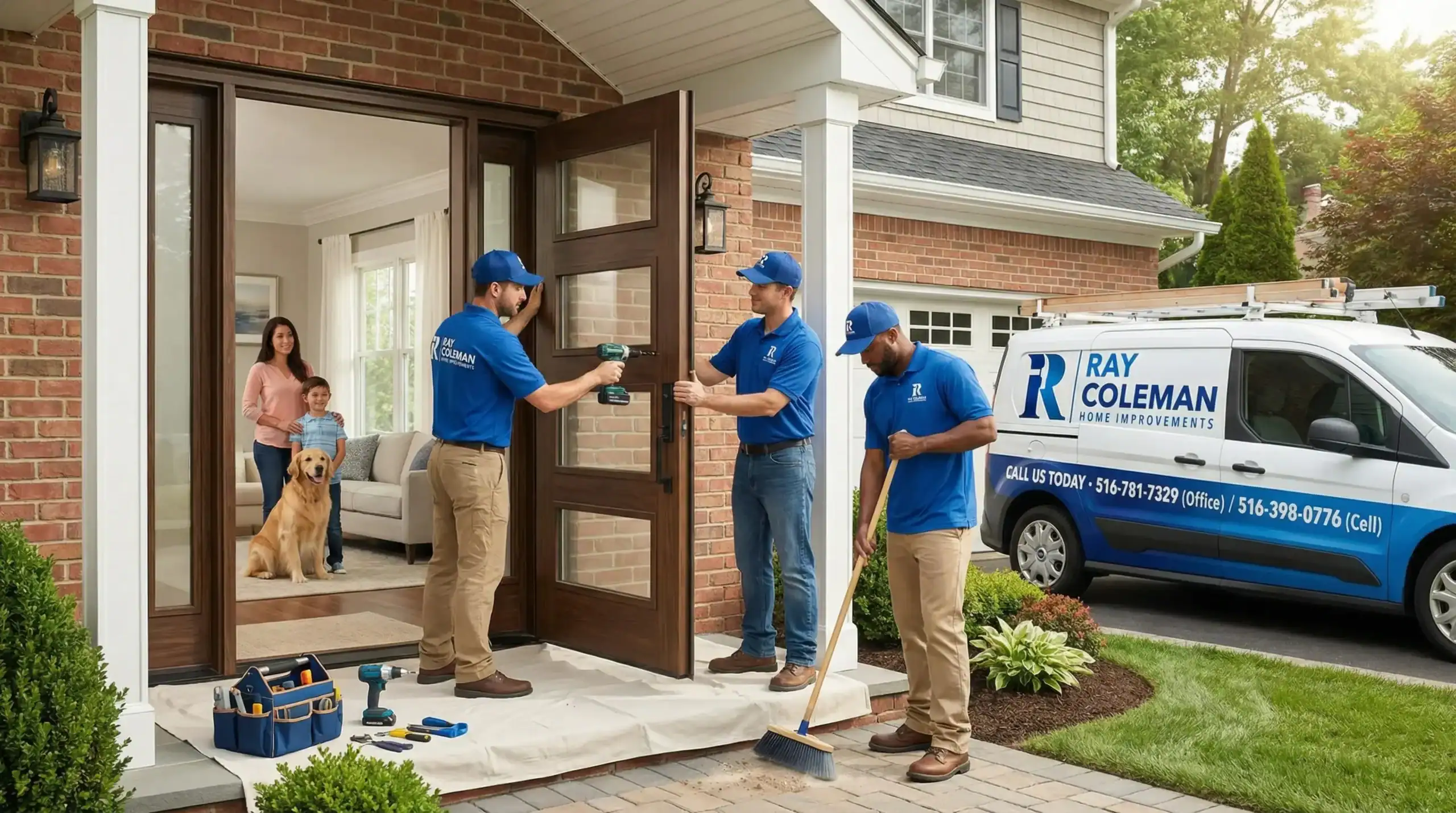
The structural work is just the beginning. When you open up a roofline on a Cape Cod or split-level, you’re not just adding a window — you’re modifying the load-bearing structure of the home, replacing or reinforcing rafters, installing new sheathing, and making the whole thing weathertight before a single piece of drywall goes up. That framing and roofing work alone accounts for a significant portion of the total cost.
From there, the interior scope is what really moves the number. A dormer that creates a usable bedroom means drywall, flooring, windows, closet framing, electrical, and HVAC extension into the new space. If you’re adding a bathroom — which most families doing a Cape Cod conversion want — you’re adding rough plumbing, a vent stack, fixtures, and tile work on top of everything else. Each of those line items carries Nassau County labor rates, which are meaningfully higher than the national figures used to calculate those $15,000 averages.
Permit costs add another layer. In Nassau County, permit fees typically run $2,000 to $4,000 depending on the assessed value of the improvement. Some villages — Garden City, for example — have Architectural Review Board requirements for exterior modifications that add time and paperwork to the process. Because most of Nassau County’s housing stock was built before 1978, there’s a good chance your project triggers lead paint regulations under the federal RRP rule, which requires certified contractors and specific containment procedures.
There’s also the reality of what gets discovered once the roof comes open. Older homes — and most Long Island homes are older homes — sometimes have rotted sheathing, undersized framing, or insulation that hasn’t been touched since the Eisenhower administration. A 15% contingency on top of your base budget is a reasonable cushion, not an overly cautious one. That’s not a contractor trying to pad the bill — it’s just what working on 1950s construction honestly looks like.
The two most common dormer types on Long Island are the shed dormer and the gable dormer, and they’re not interchangeable. Understanding the difference helps you have a more productive conversation with any contractor you bring in for a quote.
A gable dormer has a peaked roof — the classic shape you picture when you think of a storybook house with a window poking out of the roofline. It’s architecturally attractive and fits most home styles well. On Long Island, a gable dormer typically starts at $40,000 to $60,000 for the structural work, and that figure climbs when you add interior finish. Gable dormers are a good choice when you want to add light and character to a space, or when you need to add one room without dramatically changing the roofline of the house.
A shed dormer is a different animal. Instead of a peaked roof, it has a single flat or low-slope plane that extends across most or all of the roofline. This is the dormer that takes a cramped Cape Cod attic and turns it into a full second floor. Because it captures nearly the entire upper level of the home, it creates significantly more usable square footage per dollar spent than a gable dormer — which is why it’s the most popular choice for Nassau County homeowners who’ve outgrown their post-war Cape.
The tradeoff is scope: a full shed dormer is a major structural project, and the $80,000 to $150,000+ range reflects that. For most families in Nassau County, the decision comes down to what they actually need. If you need one more bedroom, a gable dormer might do it. If you need to effectively double your living space without moving, a shed dormer is worth the investment — especially given what moving costs in this market.
Want live answers?
Connect with a Ray Coleman expert for fast, friendly support.
This is a question worth addressing directly, because the line between a full shed dormer and a second floor addition isn’t always obvious. A shed dormer that runs the full width of a Cape Cod, adds two bedrooms, a bathroom, and a hallway, and requires structural reinforcement of the existing walls and foundation — that’s functionally a second floor addition, even if it’s technically categorized as a dormer.
The distinction matters for permitting, for cost, and for how you scope the project with your contractor. A true second floor addition involves removing the existing roof entirely, building new exterior walls to full height, and constructing a new roof from scratch. That’s a larger project than most dormers, and the cost reflects it. But a full Cape Cod dormer conversion sits close to that category in both scope and price, and homeowners should budget accordingly.

The short answer is yes — but the more useful answer is that in Nassau County specifically, the math is particularly favorable right now.
The median sold price in Nassau County is around $820,000, and the market has been running at or above asking price with less than three months of inventory. That’s a seller’s market with very few options for buyers, which means homes with more livable square footage command a real premium. Adding a legal bedroom and bathroom through a dormer doesn’t just make your home more comfortable — it puts it in a different category when you eventually sell.
Industry data suggests dormer additions recover roughly 65 to 75 percent of their cost at resale, with the highest returns coming when the addition creates a legitimate bedroom or functional bonus room. In a market like Nassau County, where buyers are actively competing for limited inventory, that recovery rate can be even stronger.
Consider what moving costs in this environment. Transaction fees on an $820,000 home — commissions, closing costs, transfer taxes — can easily run $75,000 to $100,000 before you’ve paid a dollar toward a larger home. A dormer that adds the space you need, in the neighborhood you already live in, in the school district your kids are already in, is often the financially rational choice even before you factor in resale value.
A dormer addition is not a small job. Whoever you hire is going to be opening up your roof, modifying the structure of your home, and working on-site for anywhere from two to four months. The contractor you choose matters more than almost any other decision in this process.
The first thing to verify is Nassau County DCA licensing. New York State doesn’t issue a statewide general contractor license — licensing is handled at the county level, and Nassau County requires all home improvement contractors to be licensed through the Office of Consumer Affairs. An unlicensed contractor in Nassau County can’t legally enforce a contract or file a lien, which means you have very little recourse if something goes wrong. You can verify a contractor’s license status directly through the Nassau County DCA before you sign anything.
Beyond licensing, look for a contractor who carries at least $1,000,000 in general liability insurance and is bonded. Ask for the certificate — any legitimate contractor will hand it over without hesitation. Third-party platforms like BuildZoom aggregate license data and project history in a way that’s harder to fake than a testimonials page. A contractor ranked in the top 1% of licensed New York contractors is a meaningful data point.
The softer signals matter too. Does the owner pick up the phone? Are they on-site during the job, or do they show up for the estimate and hand everything off to a crew you’ve never met? On a project this size, communication isn’t a nice-to-have — it’s the difference between a job that goes smoothly and one that turns into a months-long headache.
At Ray Coleman Home Improvement, we’ve built our entire business around being the contractor who actually answers. Ray works alongside his crew on every job, and our referral rate reflects what that kind of involvement produces — more than 60% of our work comes from homeowners who sent us to someone they know.
Here’s what to take away from all of this. If you’re planning a dormer addition in Nassau County, budget for the real numbers — $40,000 to $60,000 for a gable dormer, $80,000 to $150,000 or more for a full shed dormer or Cape Cod conversion — and build in a 15% contingency for what the roof might reveal once it’s open. Don’t let a lowball quote anchor your expectations; it almost always means something is missing from the scope.
Verify your contractor’s Nassau County DCA license before you sign anything, confirm their insurance, and pay attention to whether the owner is actually involved in the work. A contractor who answers the phone, shows up every day, and tells you the truth about what the job costs is worth more than the cheapest number on your quote sheet.
If you’re ready to talk through what a dormer would actually look like on your home — what it would cost, how long it would take, and whether it makes sense for your situation — Ray Coleman Home Improvement is a call or text away.
Summary:
Share: