The promise of a one-day bathroom remodel sounds great. But what does it actually mean — and is it right for your home?
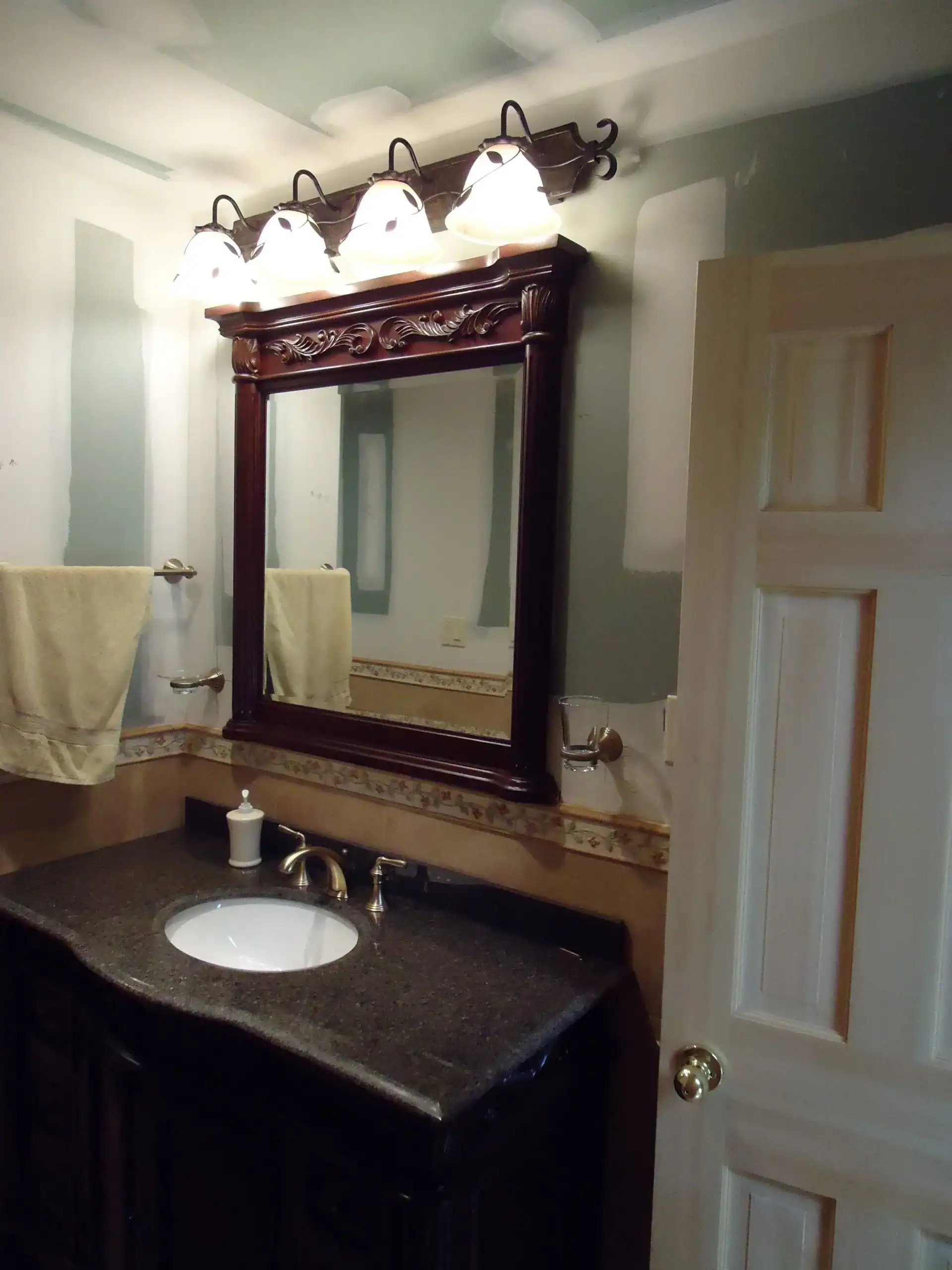
It’s one of the first questions we hear from Nassau County homeowners when they’re finally ready to tackle that outdated bathroom. The pink tile. The cracked tub. The vanity that’s been there since the house was built. You want it gone — but you don’t want to be without a functioning bathroom for three weeks while it happens.
So when you see contractors promising a one-day remodel, the idea is understandably appealing. The honest answer is: sometimes, yes. Sometimes, no. And knowing the difference before you commit could save you a lot of money and frustration. Here’s what you actually need to know.
When most companies advertise a one-day bathroom remodel, they’re referring to a specific type of project — typically replacing a tub or shower using a prefabricated acrylic system that’s measured in advance and installed over your existing setup in a single visit. It’s fast because the components are made off-site ahead of time. The crew shows up, removes the old surface, drops in the new unit, and they’re done.
That’s a legitimate service, and for the right situation, it works well. But it’s not the same as a full bathroom renovation. If your bathroom needs new tile, a custom shower, updated flooring, a new vanity, or any plumbing work, a single day isn’t a realistic timeline — and any contractor telling you otherwise is either oversimplifying or overselling.
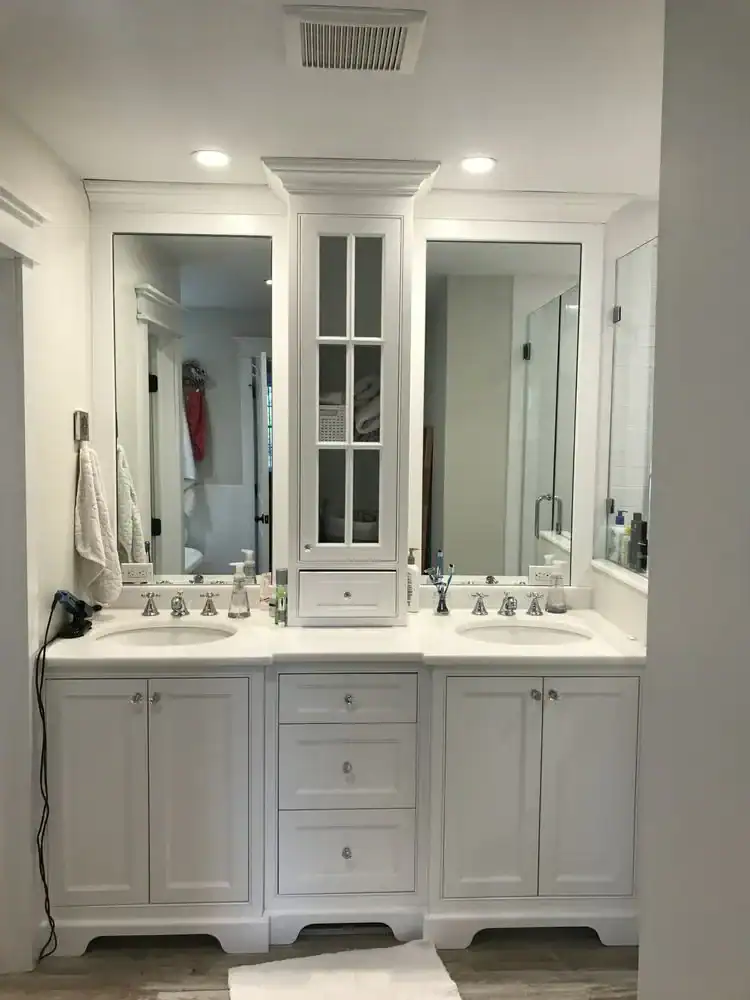
Here’s where it gets more nuanced. A fast bathroom renovation doesn’t have to mean a one-day acrylic liner swap, and it doesn’t have to mean a four-week gut job either. What determines the timeline is the scope of the work, the condition of what’s already there, and how well the project is planned before anyone picks up a tool.
A professional crew that shows up prepared — with materials sourced, measurements confirmed, and a clear sequence of work — can accomplish a lot in a compressed timeline. Fixture replacements, vanity swaps, new flooring, fresh tile work — these can move quickly when the planning is solid. The speed isn’t magic. It’s the result of doing the prep work thoroughly before the project starts, not during it.
This is where experience genuinely matters. We’ve been doing this in Nassau County since 1972, and one of the things that comes with that kind of track record is knowing exactly how to sequence a bathroom project so it moves efficiently without cutting corners. We know what to order, what to have on hand for surprises, and how to keep the job moving without the stops and starts that drag timelines out.
What slows projects down is usually one of a few things: materials that weren’t ordered in advance, decisions that weren’t made before the crew arrived, or unexpected conditions behind the walls that no one planned for. A contractor who’s been working in Nassau County’s older housing stock for decades has seen enough of those surprises to plan around them — or at least handle them without grinding the whole project to a halt.
For most Nassau County homeowners, a well-managed bathroom renovation runs somewhere between three days and two weeks, depending on scope. That’s a far cry from a month-long ordeal, and it’s also more honest than promising everything in a single day.
This is the part most contractors skip, because it doesn’t help them close a sale. But it’s worth saying plainly: a one-day cosmetic overlay is not the right answer for every bathroom, and in some cases it can actually make things worse.
If your bathroom has water damage behind the walls — which is common in Nassau County homes that haven’t been touched since the 1960s or 1970s — putting a new surface over it doesn’t fix the problem. It hides it. The rot continues, the mold spreads, and eventually you’re dealing with a much bigger and more expensive repair than if you’d addressed it properly the first time.
Similarly, if your plumbing is original galvanized pipe, or your ventilation isn’t properly exhausting to the outside, or your subfloor has soft spots from years of moisture exposure — none of that gets resolved by a fast cosmetic update. A one-day acrylic system installed over a compromised substrate is a short-term fix with a long-term cost.
This is why the first step isn’t scheduling a crew — it’s an honest assessment of what your bathroom actually needs. We walk into a lot of Nassau County bathrooms where the homeowner thinks they need a quick refresh, and what we find tells a different story. Sometimes it really is a straightforward project. Sometimes there’s more going on. Either way, you deserve to know before the work starts, not after the walls are open.
The homes along Nassau County’s South Shore — Wantagh, Seaford, Massapequa, Merrick — deal with elevated humidity and moisture exposure that accelerates wear inside bathroom walls. If your home is in one of those communities and the bathroom hasn’t been properly waterproofed, that’s worth knowing before you invest in new tile and fixtures.
A fast project done right is worth every penny. A fast project done over a problem that wasn’t addressed is just money spent twice.
Want live answers?
Connect with a Ray Coleman expert for fast, friendly support.
The real goal for most homeowners isn’t a one-day remodel specifically — it’s a bathroom that gets updated quickly, with as little disruption to daily life as possible. Those are related but different things, and keeping that distinction in mind opens up better options.
The key to a fast, low-disruption renovation is what happens before the first day of work. Material selections made in advance. Measurements confirmed. Crew scheduled and ready. A clear plan for what gets done in what order. When all of that is handled upfront, the actual construction phase moves faster and with fewer interruptions than most homeowners expect.
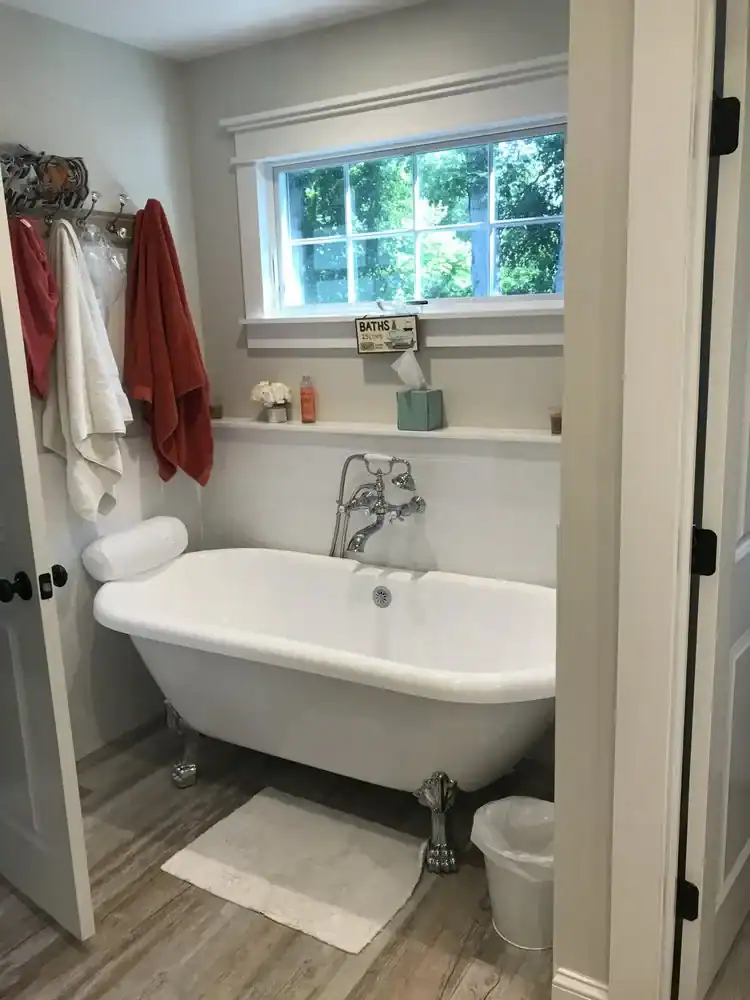
One of the most common reasons bathroom renovations drag on isn’t the work itself — it’s communication gaps. The contractor doesn’t call back. A decision about tile gets delayed because no one can reach anyone. Materials show up wrong and no one catches it until the crew is already on-site. These are the things that turn a two-week project into a six-week ordeal.
We answer the phone. Every time. We return texts. If something comes up on your project — a question, a decision, an unexpected find behind the wall — you hear about it the same day, not three days later when you’ve already been wondering what’s going on. That level of communication is not standard in this industry, and if you’ve tried to reach a contractor on Long Island recently, you already know that.
Ray and his son work on projects personally. They’re not managing from an office while a crew you’ve never met handles your home. That means when a decision needs to be made on-site, the person making it has fifty years of experience and a direct stake in the outcome. It also means your job site gets cleaned up every evening before anyone leaves — no debris piles, no dust layers, no construction zone to navigate when you’re trying to get ready in the morning.
For homeowners with one bathroom — which describes a lot of the Cape Cods and ranch homes throughout Nassau County — that daily cleanup isn’t a small thing. It’s the difference between a renovation that feels manageable and one that feels like your house has been turned upside down for weeks.
We’re also licensed in both Nassau and Suffolk Counties through the Nassau County Department of Consumer Affairs. That’s worth mentioning because not every contractor operating in Nassau is properly licensed, and the difference matters — for permit authority, for insurance coverage, and for your legal recourse if something goes wrong. You can verify our license numbers directly through the county.
If you’re comparing contractors for a bathroom project in Nassau County, the questions you ask upfront will tell you a lot about what the experience is going to be like.
Ask whether they’re licensed with the Nassau County Department of Consumer Affairs — and ask for the license number so you can check it yourself. Ask whether the owner will be on-site during the project, or whether you’re handing your home over to a crew you’ll never meet. Ask how they handle unexpected conditions — because in Nassau County’s older housing stock, surprises behind the walls are common, and how a contractor responds to them is a real test of their professionalism.
Ask about the budget. Specifically, ask what happens if the scope changes. A contractor who gives you a clear, written estimate and holds to it is worth more than one who comes in low and adjusts upward once the work is underway.
It’s also worth asking how long they’ve been working in Nassau County specifically. Not just how long they’ve been in business, but whether they know this market — the housing stock, the local building requirements, the specific challenges that come with renovating homes built in the 1950s and 1960s. That context changes how a project gets planned and executed.
We’ve been doing this here since 1972. More than half our work comes from referrals — homeowners in Wantagh, Syosset, Plainview, Garden City, and surrounding communities who called us because a neighbor or family member told them to. That’s not a marketing claim. It’s just what happens when you do good work and treat people’s homes with respect for long enough.
Some bathrooms genuinely can be updated quickly. Others need more. The only way to know which category yours falls into is a real assessment from someone who knows what to look for — not a sales pitch built around a timeline that sounds good in an ad.
What most Nassau County homeowners actually want is simple: a bathroom that looks the way it should, done by people who show up, communicate, and don’t leave a mess behind. Whether that takes one day or two weeks matters less than whether it’s done right and whether the experience of getting there was reasonable.
If you’re ready to have that conversation, we’ve been serving Nassau County homeowners for over fifty years. Give us a call and we’ll give you a straight answer about what your bathroom actually needs.
Summary:
Share: