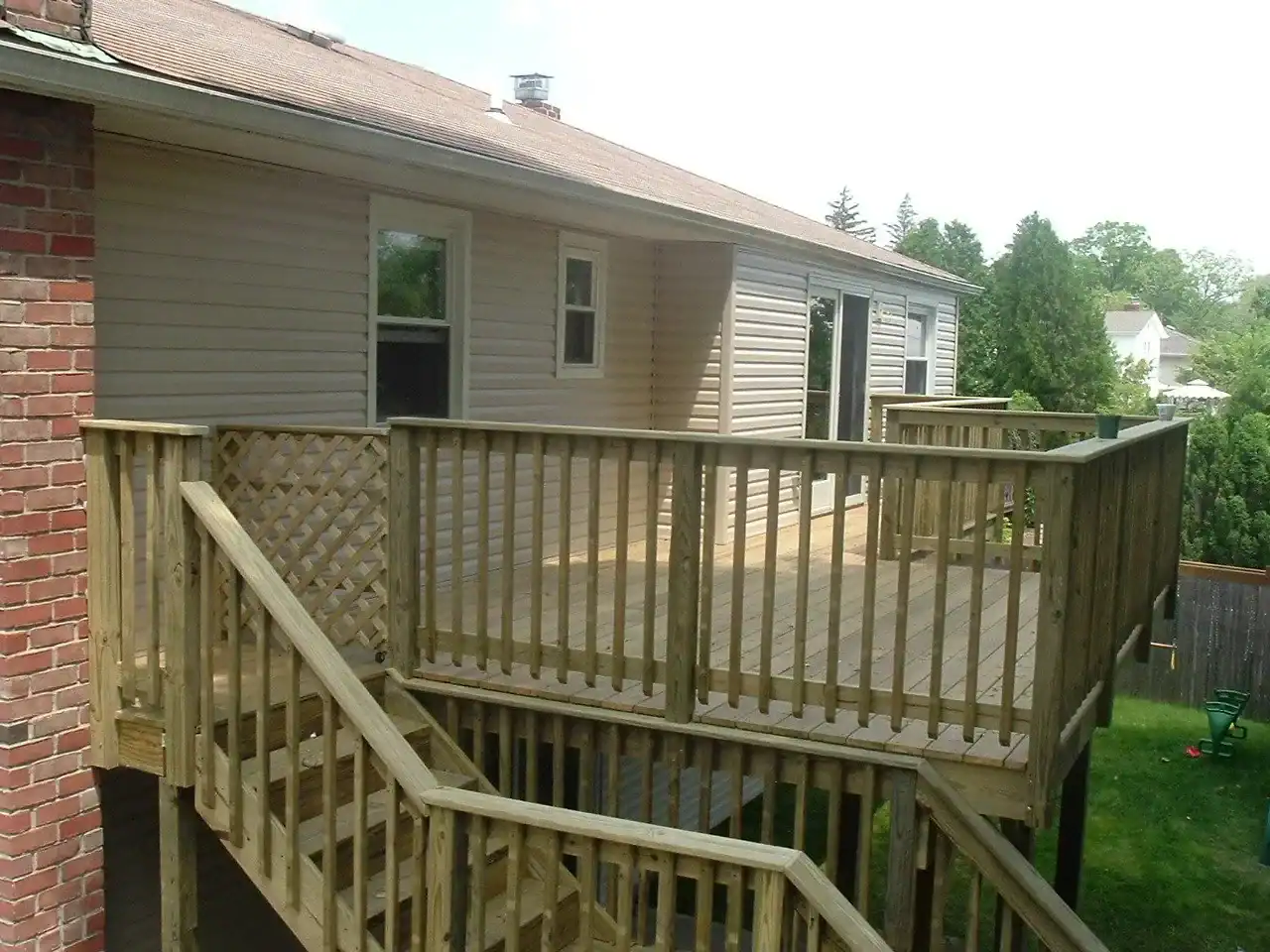
National cost guides don't apply here. Here's what Long Island homeowners in Nassau County are actually paying for renovation projects in 2026.
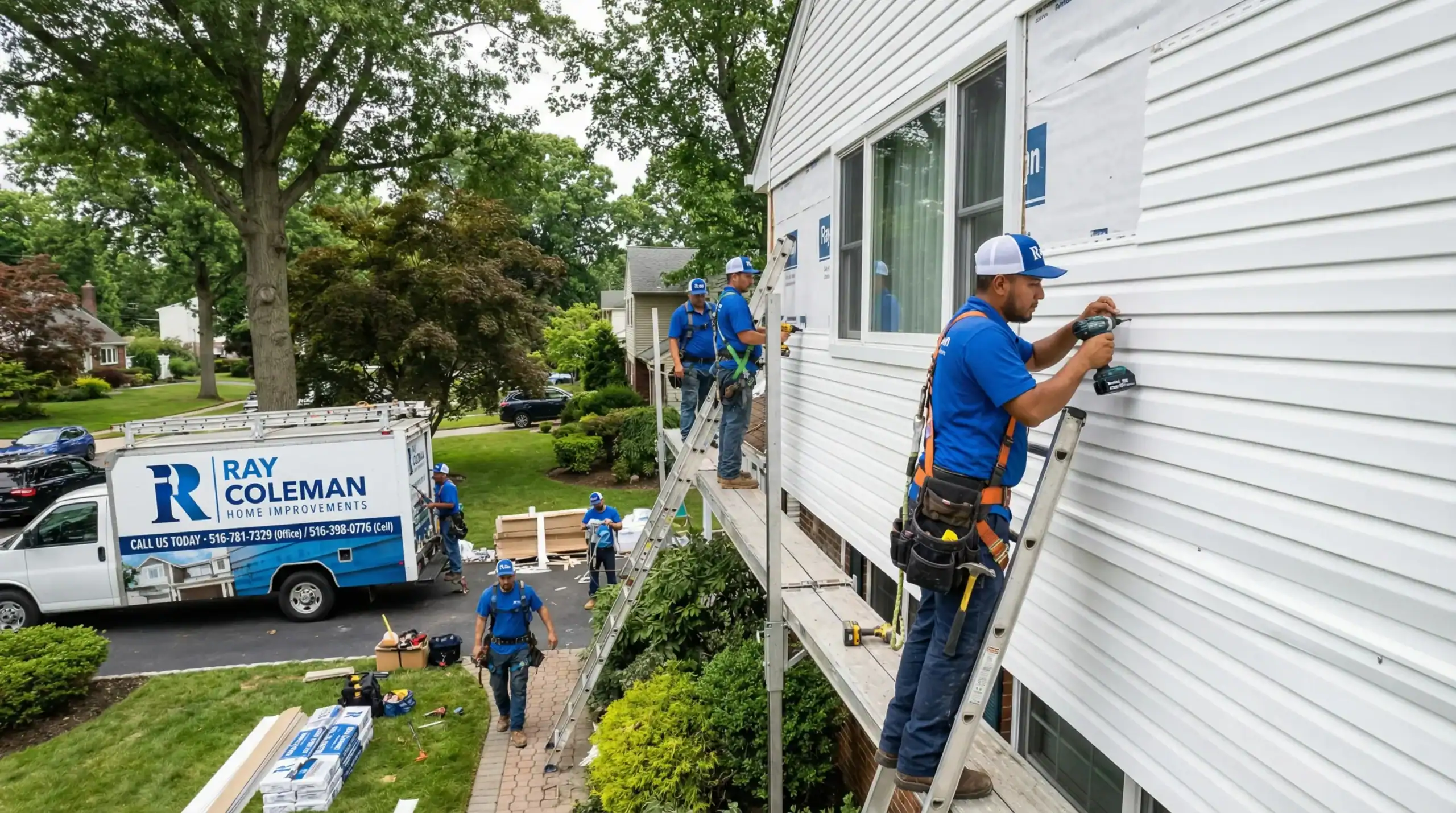
You’ve probably seen the national renovation cost guides. The ones that say a kitchen remodel runs $20,000 to $30,000, or that a home addition costs $75 to $150 per square foot. Then you start calling contractors in Nassau County, and the numbers are nowhere close. That gap isn’t a coincidence, and it’s not contractors padding their margins. Long Island is simply a different market — older homes, higher labor rates, metro-level material costs, and a permit environment that adds both time and money to almost every project. This guide gives you locally grounded numbers so you can plan a real budget, not a wishful one.
Long Island renovation costs run 15 to 25 percent above national averages — and in some project categories, the gap is even wider. Understanding why makes the quotes you receive from Nassau County contractors a lot easier to stomach.
First, labor. Nassau County sits directly on the border of New York City, which means the labor market here reflects NYC metro rates, not upstate or national averages. Skilled tradespeople — electricians, plumbers, carpenters, tile setters — price their work accordingly. A master electrician in Nassau County charges rates that reflect the same market that serves Manhattan.
Second, materials. Everything costs more to source and deliver in the metro New York market. That applies to lumber, fixtures, cabinetry, roofing materials, and everything in between. Supplier networks, freight costs, and local inventory all reflect a high-cost region.
Third, and this one surprises people most: the housing stock itself. The majority of homes in Nassau County were built between the 1940s and 1970s. Levittown-era Cape Cods, split-levels, and ranch homes that are now 50 to 80 years old. When you open walls in a home that age, you frequently find outdated knob-and-tube wiring, corroded galvanized plumbing, water-damaged framing, or pest damage that wasn’t visible during the estimate. That’s not a contractor surprise — it’s a Nassau County reality, and it’s built into how experienced local contractors price their work.

The honest answer is that it depends heavily on scope and finish level, but here’s the range you’re working with in Nassau County: full home renovation runs from $180 to $295 per square foot on the moderate end, with total project costs typically falling between $150,000 and $250,000 for a standard whole-house project. The broader range across all finish levels — from stock materials to high-end custom work — spans $100 to $400 per square foot. The regional average for Nassau and Suffolk County combined sits at approximately $237 per square foot, which is roughly double the national average.
What pushes a project toward the higher end? Custom cabinetry, high-end tile and fixtures, structural changes that require engineering, and — critically — whatever is discovered once demolition begins. A project that looks straightforward on paper can change the moment a contractor opens a wall and finds wiring that needs to be brought up to code or plumbing that has to be replaced before anything else can happen.
This is why we recommend budgeting a contingency of 10 to 20 percent on top of your base estimate. That’s not padding — that’s planning for the reality of older Long Island homes. If you don’t use it, great. But if you need it and don’t have it, that’s when projects stall and relationships with contractors get complicated fast.
Permit costs in Nassau County add to the total as well. For a whole-house renovation, expect $2,000 to $6,000 in permit fees. Electrical and plumbing permits run an additional $500 to $3,000 each. The Town of Hempstead — which covers most of Nassau County and is the most populous town in the entire United States — handles a massive volume of permit applications, which can affect timelines. We can tell you directly whether your scope requires permits and help you understand what applies to your specific project.
Kitchens and bathrooms are where most Long Island homeowners start, and they’re also where the national-versus-local cost gap shows up most dramatically.
For kitchen remodels in Nassau County, expect to spend $40,000 to $80,000 depending on the scope of the project. That range covers everything from a mid-grade refresh of an existing layout to a full gut renovation with new cabinetry, countertops, appliances, and layout changes. Budget kitchen projects — smaller footprints, stock materials, no layout changes — can come in under that range, but for most Nassau County homes where the kitchen is a central feature of the house, the $40,000 to $80,000 range is a realistic planning target.
Bathroom renovations in Nassau County run from $8,600 on the low end to $50,600 for a high-end full renovation, with the average sitting around $18,500 for a complete bathroom overhaul. The cost per square foot for bathroom work in New York averages $370, which reflects both the labor intensity of tile and plumbing work and the material costs in this market. Nassau County bathrooms tend to run slightly higher than Suffolk County on average, largely due to the proximity to the NYC labor market.
What drives bathroom costs up? The same hidden condition problem that affects every project in older Nassau County homes. Corroded supply lines, outdated drain systems, water damage behind tile that wasn’t visible until demo — these are common findings in homes built before 1980, which describes a significant portion of the Nassau County housing stock. A realistic bathroom budget accounts for the possibility of encountering these conditions, not just the cost of the finishes you’ve chosen.
For homeowners planning both a kitchen and bathroom renovation at the same time, there can be efficiency gains in scheduling and coordination — particularly if the projects share a wall or plumbing stack. We can sequence the work in a way that minimizes disruption and avoids redundant labor costs.
Want live answers?
Connect with a Ray Coleman expert for fast, friendly support.
For homeowners thinking beyond kitchens and bathrooms — full first-floor renovations, dormer additions, room extensions, or whole-house overhauls — the cost picture shifts again. These are large-scale projects that require a general contractor with experience managing multiple trades simultaneously, coordinating with building departments when required, and keeping a complex job on schedule without cutting corners when unexpected conditions arise.
Home additions and extensions on Long Island run $150 to $250 per square foot, compared to a national average of $75 to $185 per square foot. That’s a meaningful premium, and it’s driven by the same three factors: labor, materials, and the complexity of integrating new construction into aging housing stock. A dormer addition, for example, isn’t just framing and roofing — it involves structural assessment, potential electrical and HVAC reconfiguration, and weatherproofing work that has to account for Long Island’s coastal climate and harsh winters.

With Nassau County median home values sitting at $684,700 in 2024 — more than double the national median — the renovation-versus-move calculation looks different here than it does in most of the country. Housing inventory in Nassau County is tight, hovering around 2.7 months of supply as of late 2025. That means if you sell your current home, you’re entering a competitive market where finding something comparable at a reasonable price is genuinely difficult.
For many Nassau County homeowners, that math has shifted the decision firmly toward renovating in place. If you’ve been in your home for 15 or 20 years and the bones are solid, a first-floor renovation, a dormer to add usable square footage, or a full kitchen and bathroom overhaul can dramatically improve your quality of life without the transaction costs, moving costs, and market risk of buying in this environment.
The return on investment for renovation in a high-value market like Nassau County is also meaningfully stronger than in lower-cost markets. Kitchen and bathroom remodels consistently rank among the highest-ROI renovations for Long Island properties. When your home is worth $684,000 and rising, putting $80,000 into a kitchen isn’t just improving your daily life — it’s building equity in an asset that’s already outperforming national benchmarks.
The key is going in with accurate numbers. Homeowners who budget based on national averages and then get surprised by local quotes are the ones who stall out mid-decision. If you know upfront that a full first-floor renovation in Nassau County is a $180,000 to $250,000 project — not the $90,000 a national guide might suggest — you can make a clear-eyed decision about whether to proceed, how to phase the work, or whether to start with a single room and expand from there.
The most expensive mistake Long Island homeowners make isn’t choosing the wrong tile or underestimating the scope of a kitchen remodel. It’s hiring the wrong contractor — and in Nassau County, that mistake has a documented history.
The contractor market on Long Island is competitive, and not everyone operating in it is licensed, insured, or committed to finishing what they start. Nassau County requires all home improvement contractors to hold a Home Improvement Contractor license through the County’s Office of Consumer Affairs in Mineola. That license is verifiable — you can call 516-571-2600 or check directly with the Office of Consumer Affairs to confirm any contractor’s status before signing anything. A contractor who can’t provide their license number isn’t worth a second conversation.
Beyond licensing, the signals that separate reliable contractors from unreliable ones are mostly behavioral. Does the contractor answer the phone when you call? Do they respond to texts the same day? Do they provide a detailed, itemized written estimate — not a vague one-line number? Do they communicate proactively when something unexpected comes up during demo, or do you find out about it through a surprise change order? These aren’t minor service preferences. They’re the difference between a renovation that finishes on time and within budget and one that drags on for months with a contractor who’s stopped returning calls.
Home renovations on Long Island are a significant financial commitment — often the largest single expenditure a homeowner makes outside of buying the house itself. The contractor you choose is the single biggest variable in whether that investment goes well or badly. Checking references from comparable projects, asking how a contractor handles unexpected conditions, and paying attention to how quickly they respond during the estimate phase are all practical ways to reduce your risk before a single wall comes down.
If you’re planning a large-scale project, ask your contractor directly whether the scope requires permits. Not all large renovation work does, and an experienced contractor who knows Nassau County’s permit requirements can tell you exactly what applies to your project. Permit-free large-scale work means faster timelines and fewer bureaucratic delays — and in a market where permit processing through the Town of Hempstead can add weeks to a project, that’s a real advantage.
The gap between national renovation cost guides and what you’ll actually pay in Nassau County is real, and it’s not going away. Labor rates, older housing stock, metro material costs, and permit complexity all push Long Island renovation budgets above what the national averages suggest. Going in with accurate, locally grounded numbers isn’t pessimistic — it’s the only way to make a decision you won’t regret six months into a project.
The short version: full home renovations in Nassau County run $150,000 to $250,000 for a standard project. Kitchens run $40,000 to $80,000. Bathrooms average $18,500, with a full range of $8,600 to $50,600. Additions and extensions run $150 to $250 per square foot. Budget a 10 to 20 percent contingency for hidden conditions in older homes. And verify every contractor’s license before you sign anything.
If you’re ready to get specific about your project — what it will actually cost, what’s involved, and what the timeline looks like — we’ve been doing this work in Nassau County since 1972. Call or text to start the conversation.
Summary:
Share: