
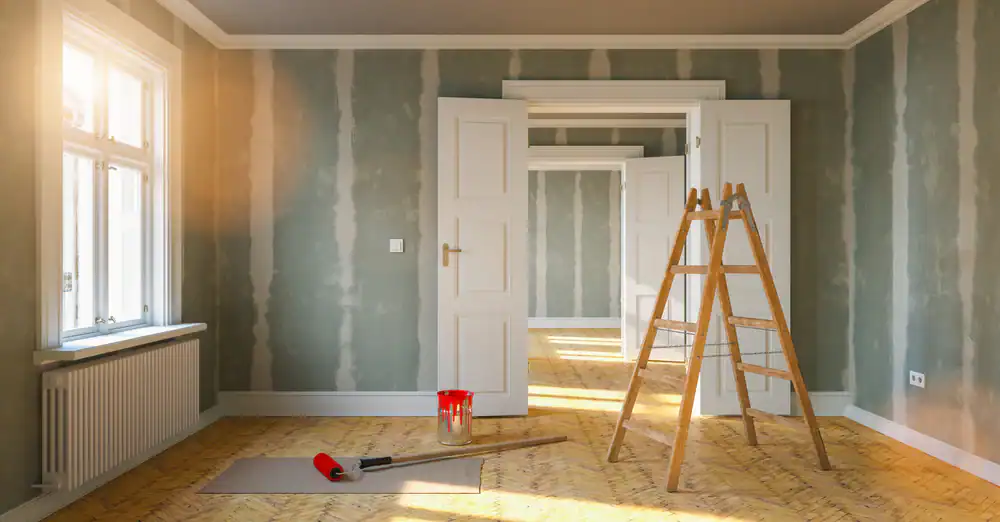
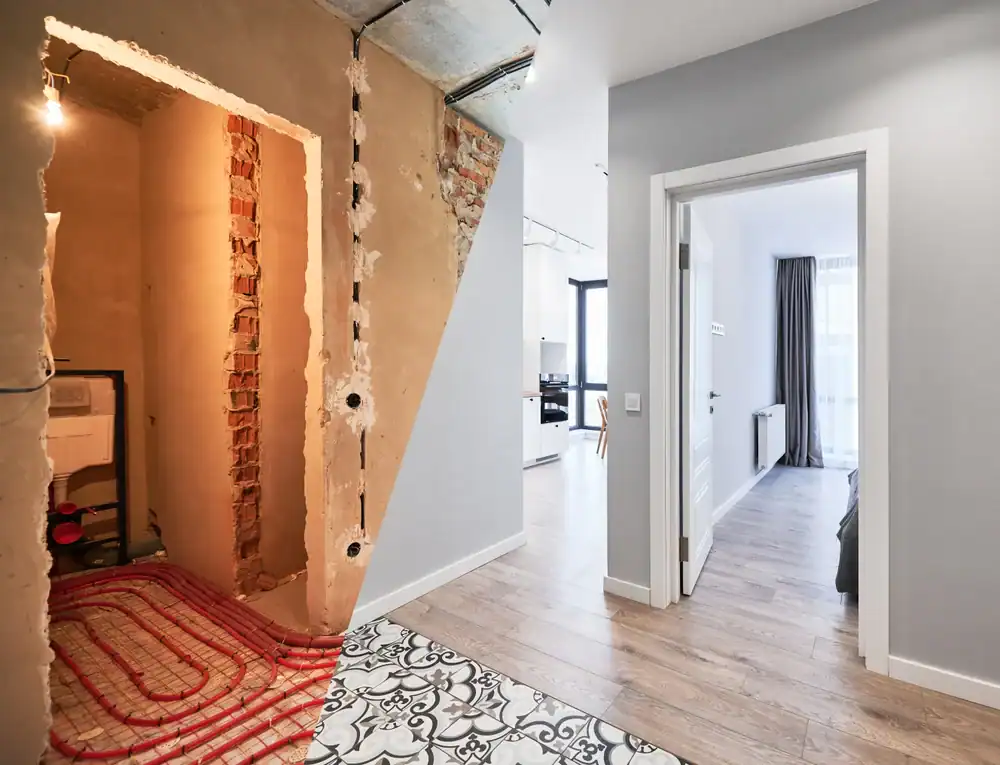
You’re looking at a home that finally works for how you live now. Not just fresh paint and new counters, but layouts that make sense, systems that don’t fail in January, and spaces you’re not embarrassed to show guests.
Most whole house renovations in Plainview run between $50,000 and $250,000 depending on scope. That’s a real number based on actual Long Island projects, not a sales pitch. What you get for that investment is a home that doesn’t just look updated—it functions better, costs less to heat and cool, and holds value in Nassau County’s competitive market.
The difference between a good renovation and one that causes regret usually comes down to three things: realistic planning, honest communication, and a contractor who shows up when problems happen. Not just during business hours, but when your pipe bursts at 3 AM in February or when the delivery truck brings the wrong cabinets and your kitchen’s torn apart.
We’ve been handling full house renovations across Nassau County since 1972. That’s over 40 years working in the same Plainview neighborhoods where you live, dealing with the same frozen pipe winters, the same permit offices, and the same building codes that make Long Island different from everywhere else.
We rank in the top 1% of licensed New York contractors with a BuildZoom score of 125. More importantly, we answer the phone when you call and show up when we say we will. The owner is on site, not managing from an office somewhere.
Most clients come back for second and third projects, which tells you more than any review could. When someone trusts you with their kitchen, then calls you back for their bathroom, then refers their neighbor—that’s not marketing, that’s just doing the work right.
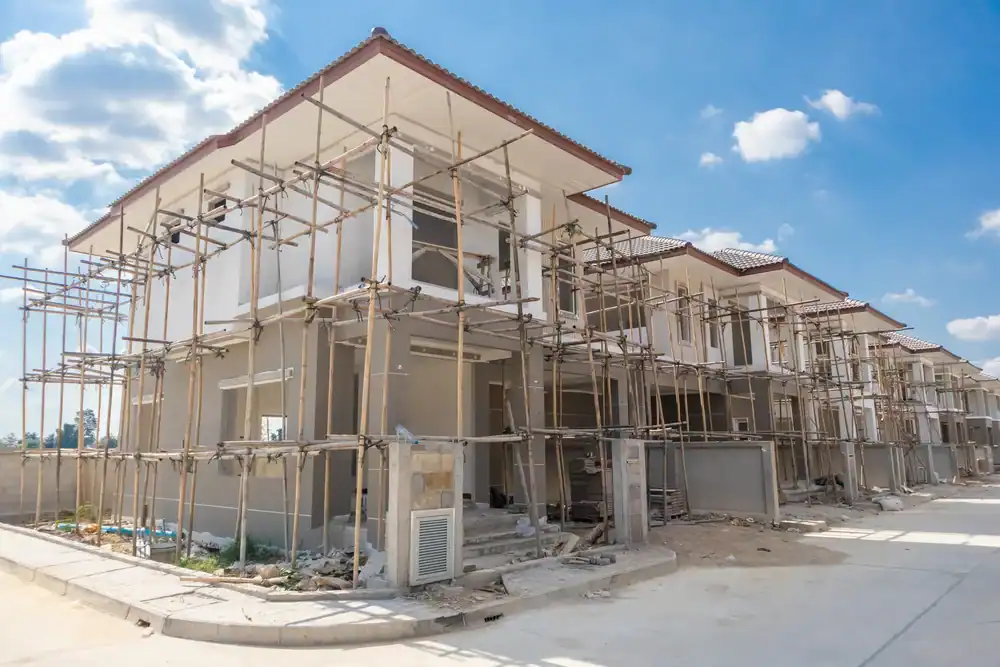
First, you’ll get a walkthrough where the actual problems get identified—not just what you want changed, but what needs to be addressed before walls get opened. That means looking at electrical panels, checking for water damage, and being honest about what’s cosmetic versus structural.
Then comes a written estimate that doesn’t change unless you change the scope. No surprises, no “unforeseen circumstances” that somehow always cost more. If something unexpected comes up during demo, you’ll get a call with photos and options before any additional work starts.
During construction, we clean the job site every day. Our crews arrive on schedule, work gets inspected properly, and you’ll know what’s happening each week. When the project wraps, you get a final walkthrough and a five-year guarantee on all work—not just materials, but labor too.
The permits, the inspections, the coordination between electricians and plumbers and HVAC techs—we handle all of that. You’re not playing general contractor while trying to live your life.
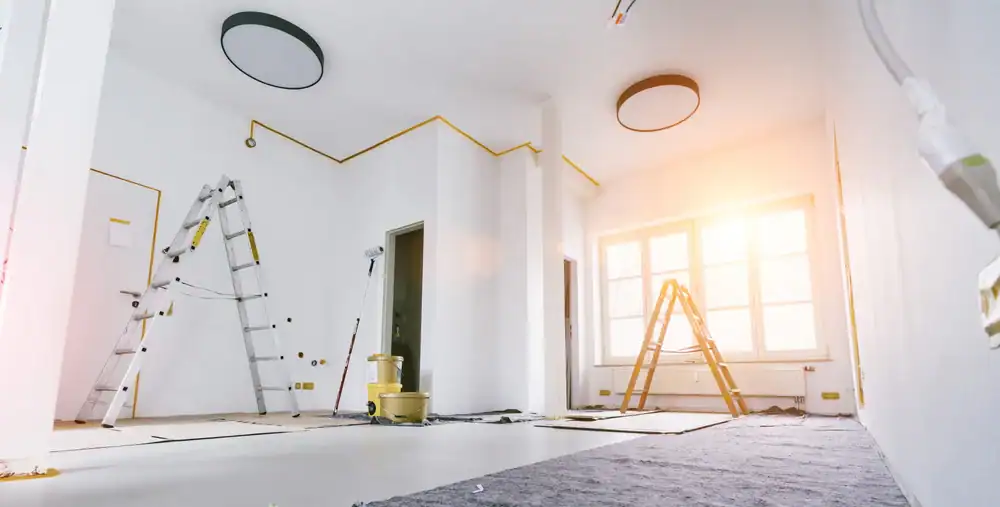
Ready to get started?
A whole house renovation means different things depending on your home and goals, but typically you’re looking at kitchen and bathroom remodels, updated electrical and plumbing systems, new flooring throughout, interior layout changes, and sometimes structural work like removing walls or adding dormers.
In Plainview specifically, many homes are 1960s-1980s ranches, split-levels, and capes that need more than just cosmetic updates. You’re often dealing with outdated electrical that can’t handle modern loads, plumbing that’s reaching end-of-life, and layouts designed for a different era. A proper renovation addresses all of that, not just the visible stuff.
The average full home renovation in Nassau County runs about $237 per square foot based on current market rates. For a 1,500 square foot home, that puts you around $355,000 for a complete gut renovation, though most projects fall between $100,000-$200,000 when you’re updating rather than rebuilding everything.
We specialize in the larger projects—first-floor renovations, kitchen and bath remodels, extensions, and complete home transformations. Our work includes architectural planning, permit management, all trades coordination, and emergency response if something goes wrong during or after the project.
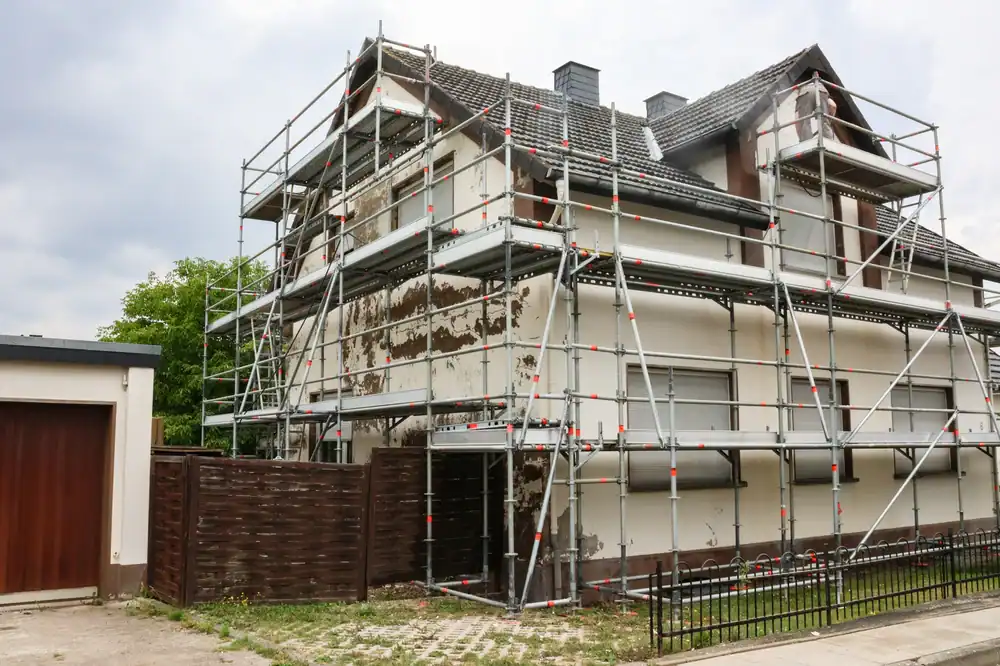
Most complete home renovations take between three and six months depending on the scope and size of your project. A first-floor renovation with kitchen and bathroom remodels typically runs 12-16 weeks. A full house gut renovation can push six months or longer.
The timeline depends on several factors specific to Long Island. Permit approval in Nassau County can take 2-4 weeks before work even starts. Material delivery delays can add time, especially for custom items like cabinets or specialty tile. Weather matters too—exterior work gets delayed in winter, and frozen ground affects any foundation or addition work.
The most common cause of delays isn’t the work itself, it’s decision-making. When you’re living through a renovation, picking paint colors and light fixtures while dealing with dust and noise is harder than it sounds. The projects that finish on time are the ones where homeowners make material selections before demo starts.
You can live in your home during most renovations, but expect disruption. You’ll lose access to your kitchen for weeks, deal with noise during work hours, and have contractors in your space daily. Some families stay with relatives during the heavy construction phases, especially when plumbing or electrical is being updated throughout the house.
Full house renovations in Nassau County typically range from $50,000 for basic updates to over $250,000 for extensive remodels. The average complete renovation runs about $195,000 based on current Long Island market rates, though your actual cost depends on your home’s size, condition, and what you’re changing.
Budget breakdown for a typical 1,500 square foot Plainview home: Kitchen remodel runs $30,000-$60,000. Two bathroom renovations add another $20,000-$40,000. New flooring throughout costs $8,000-$15,000. Electrical and plumbing updates run $15,000-$25,000. Add painting, trim work, and finishing details and you’re looking at $100,000-$150,000 for a solid whole house renovation that updates everything without moving walls or adding space.
The projects that go over budget usually hit problems during demolition—water damage that wasn’t visible, outdated wiring that needs complete replacement, or structural issues that can’t be ignored. That’s why we budget for contingencies and don’t lowball estimates just to win the job.
Long Island costs run higher than national averages because of labor rates, permit fees, and material costs in the New York metro area. A renovation that costs $150,000 in Nassau County might run $100,000 in other parts of the country. You’re not getting overcharged, you’re paying regional market rates.
You can stay in your home during most renovations, but it’s not comfortable and it’s not for everyone. Expect dust everywhere despite plastic barriers, noise during work hours, limited access to rooms being renovated, and contractors in your space five days a week.
The kitchen is usually the hardest part. When your kitchen is gutted, you’re living off a microwave, cooler, and paper plates for 4-6 weeks minimum. Some families set up a temporary kitchen in their basement or garage. Others eat out constantly, which adds unexpected costs to the project.
Bathrooms get tricky too. If you’re renovating multiple bathrooms, you need at least one functioning toilet and shower at all times. That means phasing the work, which can extend your timeline. Families with young kids or anyone working from home often find it’s worth staying elsewhere during the heavy construction phases.
The projects where people successfully live on-site are the ones with clear boundaries. Work happens during set hours, certain rooms stay off-limits to contractors, and there’s a daily cleanup routine. You’ll still have dust and disruption, but it’s manageable if expectations are realistic from the start.
Yes, most whole house renovations in Plainview require permits from Nassau County, especially if you’re doing electrical work, plumbing changes, structural modifications, or anything that affects your home’s footprint. Cosmetic updates like painting and flooring typically don’t need permits, but once you’re moving walls or updating systems, you’re in permit territory.
The permit process in Nassau County involves submitting plans, waiting for approval, scheduling inspections at various stages, and getting final sign-off when work is complete. It typically adds 2-4 weeks to your project timeline before work can start, and inspections can cause delays if something doesn’t pass.
Some homeowners try to skip permits to save time and money. That’s a mistake. Unpermitted work can cause problems when you sell your home, void your insurance coverage if something goes wrong, and result in fines if the town finds out. Plus, you lose the protection that inspections provide—a third party verifying the work meets code.
We handle all permit applications, scheduling, and inspections as part of the project. You’re not dealing with the building department or trying to figure out what forms you need. That’s included in our service, and it’s worth it to have someone who knows Nassau County’s specific requirements managing the process.
Frozen pipes are a real concern during Long Island winters, especially when your home is torn apart and heat isn’t running normally. The key is maintaining consistent temperature in areas with plumbing, even when walls are open and insulation is removed.
During renovation, keep your heat set to at least 55 degrees throughout the house, even in areas not being used. If exterior walls are opened up, temporary heating may be needed in those specific areas. Pipes in exterior walls, crawl spaces, and unheated areas are most vulnerable and should be insulated immediately if exposed during construction.
If you’re doing plumbing work in winter, the water may need to be shut off to certain areas or the whole house. When pipes aren’t in use and temperatures drop below freezing, they need to be drained completely. Even a small amount of water left in a pipe can freeze, expand, and cause a rupture that won’t show up until the water is turned back on.
We’ve worked through enough Long Island winters to know which precautions to take. That includes monitoring weather forecasts, protecting exposed plumbing during cold snaps, and responding immediately if a freeze does occur. We’ve handled frozen pipe emergencies at 3 AM in February—that’s the kind of backup you want when your home is mid-renovation and the temperature drops.
Start with licensing and insurance. In New York, general contractors need to be licensed, and they should carry liability insurance and workers comp. Ask to see proof, not just take their word for it. A legitimate contractor will have no problem providing documentation.
Experience matters, especially with whole house renovations. You want someone who’s handled projects similar to yours in scope and complexity. A contractor who mostly does small repairs isn’t the right fit for a $150,000 full house remodel. Look for someone who specializes in the type of work you need and has been doing it long enough to handle problems when they come up.
Communication is where most contractor relationships fall apart. You want someone who answers calls and texts, shows up when scheduled, and tells you about problems before they become disasters. Ask how they handle unexpected issues, who you’ll be communicating with during the project, and what happens if you’re not satisfied with something.
Check their references, but go deeper than just calling the numbers they provide. Look for online reviews, check their BuildZoom or similar ratings, and ask around in local Plainview Facebook groups or neighborhood forums. The contractors with real reputations have a trail of actual projects and real feedback, not just curated testimonials on their website.
Other Services we provide in Plainview