You’re not moving. The market’s expensive, inventory is tight, and the homes you can afford aren’t where you want to be. But your current house feels small—especially if you’ve got kids, work from home, or just need a place that isn’t the kitchen table.
A dormer addition gives you that space without touching your backyard or fighting Nassau County’s lot size restrictions. You’re building up, not out. That means you can add a bedroom, a home office, a bathroom, or just a quiet spot that isn’t shared with everyone else in the house.
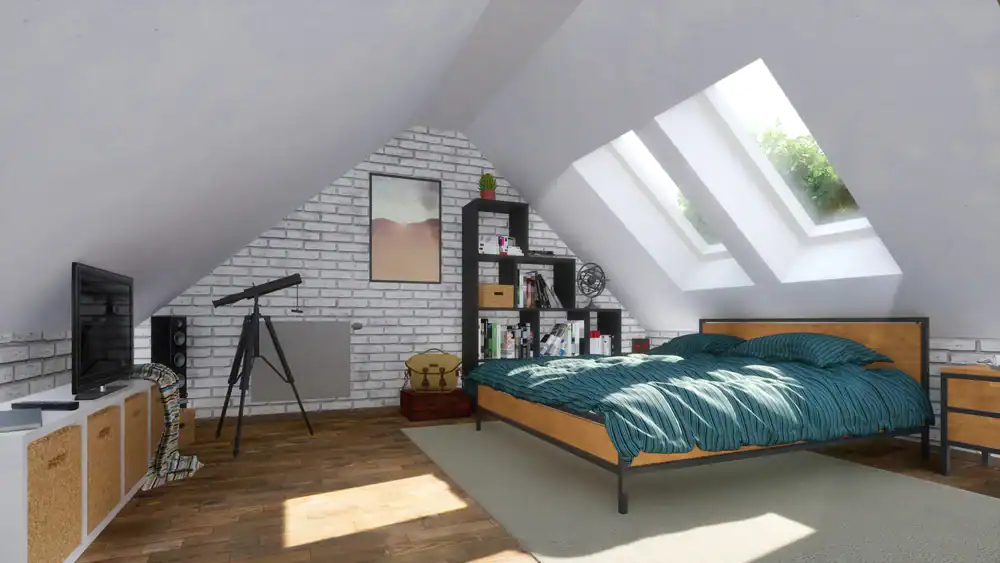
The attic you’re not using becomes actual square footage. Natural light comes in. Headroom goes up. And you stay in the neighborhood you already like, near the schools and people you know, without the chaos of selling and moving.
We’ve been handling dormer installations and full-scale renovations across Long Island since the early ’70s. We’re not new to this. We know how homes in Williston Park are built, what Nassau County requires for permits, and how to work within the zoning rules that make expanding outward nearly impossible for most properties here.
Over sixty percent of our work comes from referrals. People call us back for second and third projects because the first one went well. We answer the phone. We show up when we say we will. And we clean up the job site every day before we leave.
You’re not getting a sales pitch. You’re getting a general contractor who’s been in business long enough to know that how you treat people matters more than how you market to them.
First, we come out and look at your attic. We measure headroom, check the roof structure, and figure out what type of dormer makes sense—shed, gable, or something else. We’ll talk about what you want to use the space for and whether you need electrical, HVAC, or plumbing run up there.
Then we handle the permit process with Nassau County. Yes, most dormer work requires a permit. We take care of that so you don’t have to figure out the paperwork or wait in line at the building department.
Once permits are approved, we start framing. The roof gets opened up, the dormer structure goes in, and we make sure everything is flashed and sealed properly—this is Long Island, and water intrusion is real if it’s not done right. After framing and roofing, we insulate, run any utilities, and finish the interior based on what you’re using the room for.
The timeline is usually four to eight weeks depending on size and scope. We’re on-site daily, and we keep the space clean and secure while the work is happening.
Ready to get started?
A dormer addition isn’t just framing and drywall. You’re getting structural work that ties into your existing roof system, waterproofing that has to hold up through Long Island winters, insulation that meets current energy codes, and interior finishes that match the rest of your house.
We handle the full scope—design, permits, framing, roofing, windows, insulation, electrical, HVAC if needed, and interior finish work. If you’re adding a bathroom up there, we run the plumbing. If it’s a bedroom, we make sure it meets egress requirements for safety and resale.
In Williston Park and across Nassau County, lot sizes are tight. Most homes here sit on a quarter acre or less, and zoning rules limit how close you can build to property lines. That’s why dormer installations make sense—they let you add 150 to 300 square feet of living space without increasing your home’s footprint or eating into your yard.
Property values in Nassau County are holding steady, with median prices around $849,000 and climbing. Adding usable square footage—especially a bedroom or bathroom—can increase your home’s value significantly while keeping you in the area you already know.
Most dormer projects in Nassau County run between $15,000 and $35,000, but that range moves depending on size, type, and what you’re finishing inside. A small shed dormer that adds headroom and a window is on the lower end. A full gable dormer with a bathroom, closet, and HVAC is on the higher end.
Costs also depend on whether you’re just opening up attic space or if we’re adding plumbing, which requires running lines from the first floor. Electrical and insulation are standard. Finishing work—flooring, paint, trim—adds to the total but makes the space livable, not just framed.
We give you a clear estimate after we see the house. No surprises, no upselling. Just the real number based on what the job actually requires.
Yes. Any structural work that changes your roofline or adds living space requires a permit from Nassau County’s building department. That includes dormers, even small ones.
The permit process can take a few weeks depending on the backlog, and the county will want to see plans that show the structural changes, how the dormer ties into the existing roof, and that everything meets current building codes. We handle that process for you—submitting plans, coordinating inspections, and making sure the work passes when the inspector shows up.
Skipping permits might seem easier, but it creates problems when you sell. Buyers’ attorneys and inspectors will flag unpermitted work, and you’ll either have to legalize it after the fact or lose the sale. It’s not worth the risk.
A shed dormer has a single sloped roof that extends out from your existing roofline. It’s wider, adds more interior space, and gives you the most headroom. Most people choose shed dormers when they want to maximize usable square footage—like turning an attic into a full bedroom or office.
A gable dormer has a peaked roof and usually includes one window. It’s smaller, adds less interior space, but it looks more traditional and works well if you just need light and some extra headroom in a specific area. Gable dormers are also common when you’re adding a bathroom or closet and don’t need a ton of floor space.
Both types work structurally. It comes down to how much space you need and what fits the style of your house. We’ll walk you through both options when we look at your attic.
Plan on four to eight weeks for most projects. That includes permit approval time, which can take two to three weeks depending on Nassau County’s schedule, and then four to six weeks of actual construction.
Smaller dormers—like a gable dormer with just a window and some interior finish work—can be closer to four weeks. Larger shed dormers that involve plumbing, HVAC, or multiple rooms take longer, especially if we’re coordinating inspections or waiting on custom windows.
Weather can slow things down, especially in winter. We’re opening up your roof during construction, so we work carefully to keep your house sealed and dry between phases. We don’t rush the waterproofing—it has to be done right or you’ll have leaks down the road.
Yes, especially if you’re adding a bedroom or bathroom. Adding a bedroom can increase home value by an average of $40,000, and dormer additions typically return 60% to 80% of the cost when you sell.
In Nassau County, where inventory is tight and buyers are looking for move-in ready homes with enough space, an extra bedroom or a primary suite with a bathroom is a strong selling point. Most buyers here don’t want to take on renovation projects themselves—they want the work already done.
Even if you’re not selling soon, the value is in how you use the space now. If it keeps you from moving, saves you from buying a bigger house at $850,000+, and gives your family the room you actually need, that’s the real return. The resale value is just a bonus.
Yes, and it’s one of the most common requests we get. Adding a bathroom in a dormer makes sense if you’re turning the attic into a primary suite, guest room, or just need another full bath in the house.
The challenge is plumbing. We have to run water supply lines and drain lines up from the floor below, which usually means opening up walls or chases to route the pipes. It’s doable, but it adds time and cost compared to a dormer that’s just a bedroom or office.
You’ll also need to plan for ventilation—bathrooms need exhaust fans that vent to the outside, not into the attic. And if you’re adding a shower or tub, we have to make sure the floor structure can handle the weight when it’s full of water. We walk through all of that during the planning phase so there are no surprises once we start building.
Other Services we provide in Williston Park