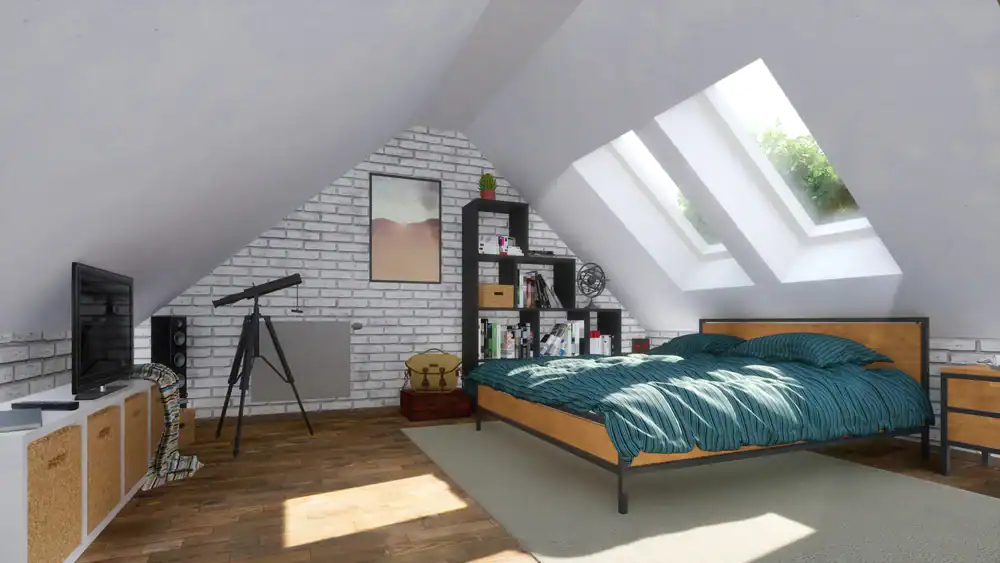
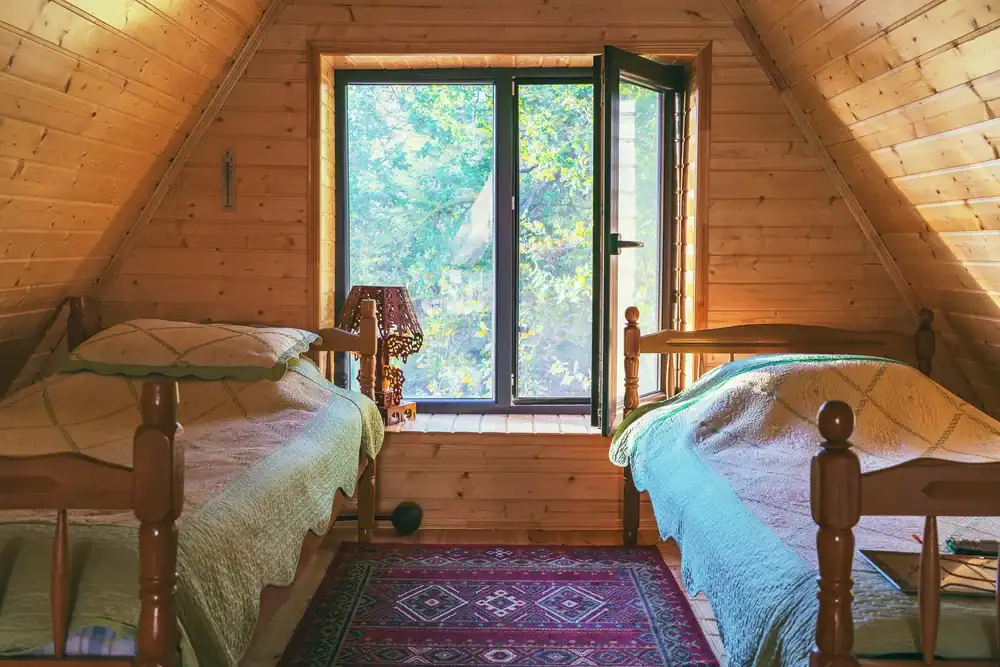
Your attic probably has low ceilings at the edges where the roofline drops. That’s wasted space you’re already paying to heat and cool. A dormer fixes that by raising the roof in targeted areas, giving you actual headroom and natural light where there was none.
The result is a room you can actually use. Home office, guest bedroom, playroom, extra bath—whatever fits your life right now. You’re not just gaining square footage. You’re staying in the neighborhood you already love without paying Long Island’s inflated home prices to upsize.
Most dormer projects on Long Island run between $15,000 and $50,000 depending on size and complexity. Compare that to the cost of moving, and it’s not even close. You get more space, more light, and a home that works better for how you actually live.
We’ve been handling dormers, extensions, and full-scale renovations across Nassau County for over 40 years. We’re not new to this. We’ve seen every roof pitch, every zoning quirk, and every “simple project” that turned out to be anything but.
What sets us apart in West Hempstead isn’t just experience. It’s how we operate day to day. We answer the phone. We respond to texts. We show up when we say we will, and we clean up the job site before we leave. That shouldn’t be remarkable, but in this market, it is.
We’re licensed, insured to $1,000,000, and ranked in the top 1% of contractors in New York according to BuildZoom. We’ve earned long-term relationships with clients who call us first—not because we’re the cheapest, but because they know the job will get done without the runaround.
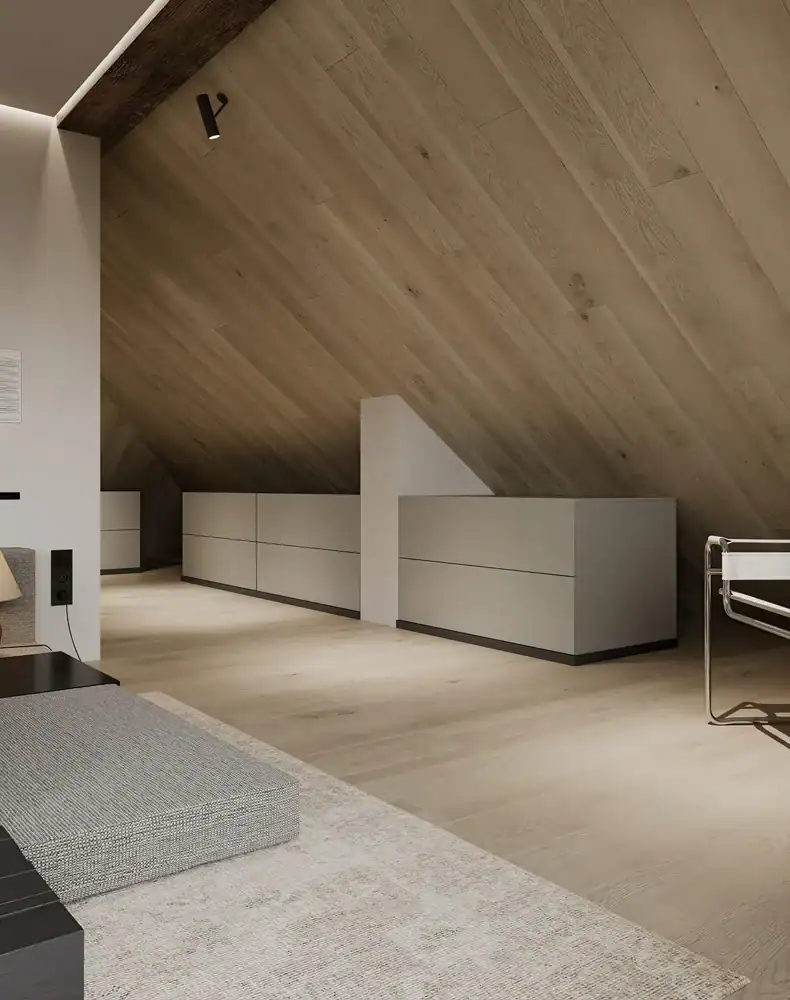
First, we come out to look at your attic and roof structure. We measure headroom, check framing, and talk through what you’re trying to accomplish. Not every attic needs the same solution, so we design the dormer to match your home’s style and your actual needs.
Next, we handle permits and approvals. Every town in Nassau County has different rules on setbacks, height limits, and lot coverage. We research what applies to your property and make sure everything’s compliant before we touch the roof.
Once permits clear, we start framing. We open the roof in sections to minimize exposure, then build out the dormer structure—walls, windows, roofing, insulation. Interior work comes last: drywall, trim, paint, flooring. The whole process typically takes four to twelve weeks depending on size and scope.
You’ll have a dedicated crew on-site, not a rotating cast. We keep the work area contained, sweep up daily, and communicate clearly if anything changes. By the time we’re done, you’ll have a finished room that looks like it was always part of the house.
Ready to get started?
Gable dormers are the classic triangular style you see on Cape Cods and colonials throughout West Hempstead. They add headroom in a focused area and blend well with traditional architecture. Shed dormers run longer across the roofline and maximize interior space—ideal if you’re converting a full attic into a bedroom or office suite.
Hip dormers have a sloped roof on three sides and work well on homes where you want a subtler profile. We also handle eyebrow dormers and custom designs if your home has unique architecture or historic character you want to preserve.
Material and finish matter as much as shape. We match your existing siding, roofing, and trim so the dormer doesn’t look like an add-on. That attention to detail protects your home’s curb appeal and resale value, which matters in a market where buyers notice everything.
Long Island homes deal with harsh winters, coastal humidity, and temperature swings. We insulate and weatherproof every dormer to handle the climate, not just pass inspection. You’re not just getting more space—you’re getting space that performs year-round.
Most dormer projects in West Hempstead and the surrounding Nassau County area run between $15,000 and $50,000. The range depends on the size of the dormer, the type you choose, and how much interior finishing is involved. A small gable dormer with minimal interior work sits on the lower end. A full shed dormer that spans most of the roofline and includes a bathroom or closet built out will cost more.
Long Island pricing tends to run higher than national averages because of local labor costs, permitting fees, and material expenses. But compare that to what it costs to move into a bigger house in this market—between closing costs, realtor fees, and the jump in mortgage payments—and a dormer usually makes more financial sense if you like where you live.
We give you a clear estimate after we see your home and understand what you’re trying to accomplish. No vague ranges or surprise add-ons halfway through the job.
Yes. Any structural change to your roof requires a building permit in Nassau County, and each municipality has its own rules about setbacks, height, and lot coverage. Some towns are stricter than others, and if you’re in a historic district or have HOA restrictions, there may be additional approvals needed.
We handle the permit process as part of the project. That includes submitting plans, coordinating inspections, and making sure everything meets code before we start framing. Trying to skip permits might save time up front, but it creates major problems when you go to sell or if the town catches it during a routine inspection.
The permit process typically adds a few weeks to the timeline, but it protects you legally and ensures the work is done to structural standards. We’ve been navigating Nassau County’s building departments for over 40 years, so we know what each town requires and how to move things along without unnecessary delays.
Most dormer projects take between four and twelve weeks once permits are approved. Smaller gable dormers are on the simpler end of that range. Larger shed dormers that involve significant interior buildout, electrical, or plumbing work take longer.
Weather plays a role since we’re opening up your roof during construction. We work in sections to minimize exposure, but heavy rain or snow can push timelines back a few days. We also coordinate inspections with the town, and those aren’t always scheduled immediately.
You’ll know the estimated timeline before we start, and we’ll keep you updated if anything changes. We don’t disappear for days at a time or leave projects half-finished. Our crews show up consistently, work through the scope, and wrap up the job so you can start using the space. If you’ve worked with contractors who drag things out, you’ll notice the difference.
Yes, if it’s done right. Adding functional square footage in a market like Long Island typically increases your home’s appraised value. Research from Nationwide Building Society found that adding a loft or attic conversion can increase property value by as much as 22%, though your actual return depends on the quality of the work and how well the dormer integrates with your home’s design.
Buyers in West Hempstead and Nassau County pay attention to usable space, natural light, and whether additions look original or tacked on. A well-designed dormer that matches your home’s architecture and adds a bedroom, office, or bath will appeal to future buyers. A poorly executed one that looks out of place or creates headroom issues won’t.
We design dormers to blend with your existing roofline, siding, and trim. The goal is to make it look like it was always part of the house. That protects your investment and makes the space more attractive when it’s time to sell—or just makes your home more enjoyable if you’re staying put for years.
A gable dormer has a peaked, triangular roof and usually covers a smaller section of the roofline. It’s the classic style you see on Cape Cod homes throughout Long Island. Gable dormers add headroom and light in a focused area, and they work well if you’re trying to create a cozy office nook or expand a small bedroom without a full attic conversion.
A shed dormer has a single sloped roof that runs along a larger section of the roofline. It maximizes interior space and headroom, making it the better choice if you’re converting an entire attic into a master suite, guest room, or multiple functional areas. Shed dormers give you more square footage but also change the roofline more noticeably from the street.
Both styles work structurally—it’s more about what fits your home’s architecture and how much space you need. We walk you through the options based on your roof pitch, existing framing, and what you’re trying to accomplish inside. The right choice depends on your home, your budget, and how you plan to use the space.
Yes. Adding a bathroom is one of the most common reasons homeowners choose a larger shed dormer. You’ll need to run plumbing up from the floor below, which adds cost and complexity, but it’s absolutely doable. A full bath in a converted attic makes the space far more functional, especially if you’re using it as a guest suite or teenager’s bedroom.
Closets are easier since they don’t require plumbing or electrical beyond basic lighting. We can frame out closet space along the knee walls where the roof pitch is too low for standing room. That turns otherwise wasted space into valuable storage, which matters in older Long Island homes where closet space is often limited.
The key is planning the layout before we start framing. Once the dormer structure is up, it’s harder to move walls or reroute plumbing. We talk through how you want to use the space during the design phase so the finished room works the way you need it to—not just technically complete, but actually functional for your daily life.
Other Services we provide in West Hempstead