
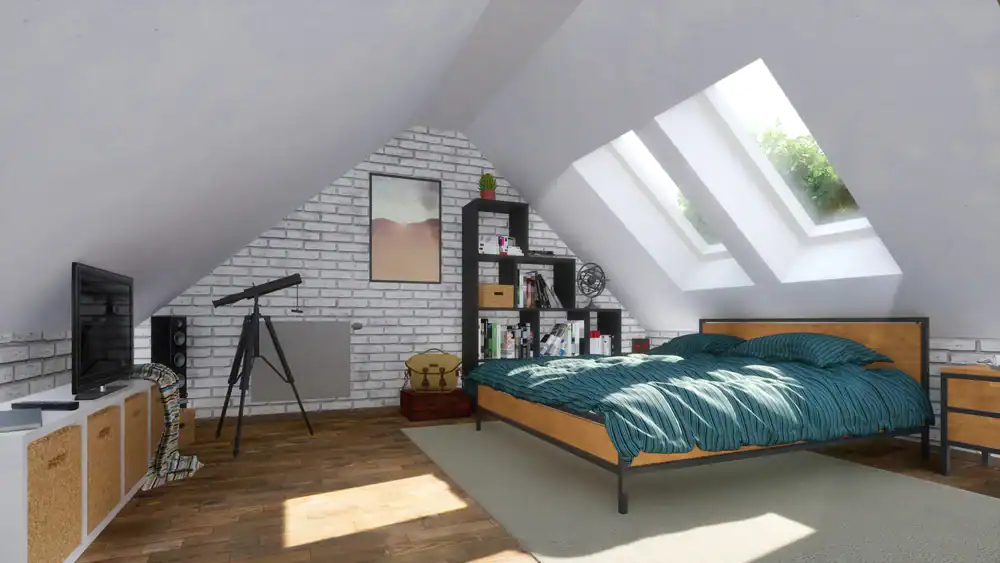
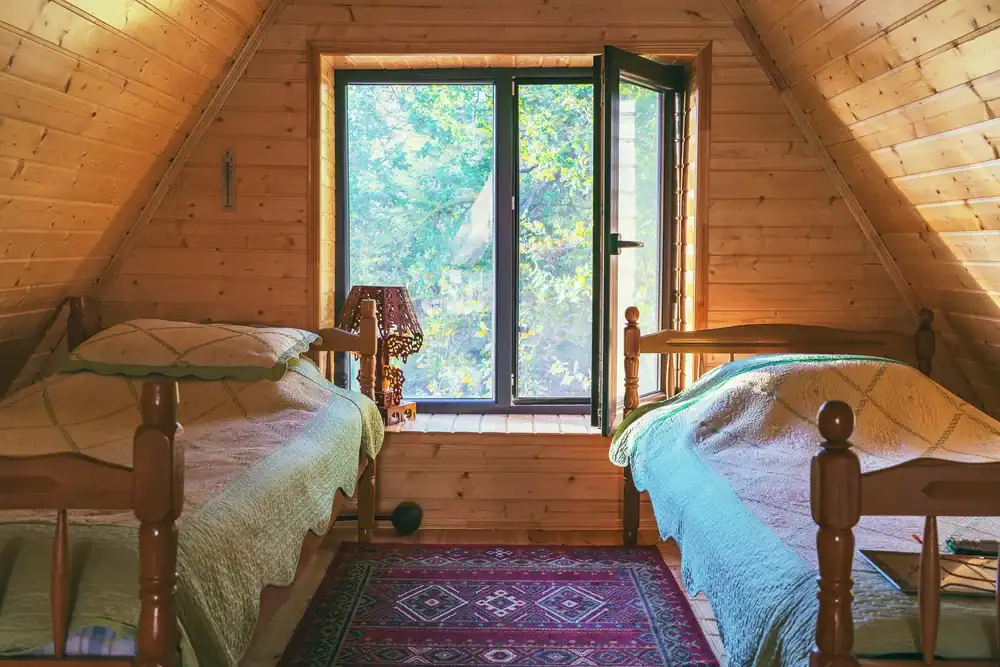
Your attic is sitting there, dark and full of boxes, while you’re tripping over each other downstairs. A dormer changes that. You get actual headroom, windows that let in real light, and square footage you can use for a guest room, home office, or that master bath you’ve been putting off.
Most New Hyde Park properties can’t expand outward. Lot sizes don’t allow it, and setback requirements make it nearly impossible. Building up makes sense here. A well-built dormer can add 20% to your home’s value while giving you the space you need without the hassle and cost of moving.
The difference between a dormer that works and one that leaks comes down to how it’s built. Flashing, insulation, structural support—these aren’t details you skip. When it’s done right, you don’t think about it again. When it’s not, you’re dealing with water damage, drafts, and repair bills that add up fast.
We’ve spent over 50 years working on Long Island homes. We know the building codes in Nassau County, the permit process in New Hyde Park, and what it takes to build a dormer that handles our winters without leaking or losing heat.
We answer the phone. We show up when we say we will. We keep the job site clean, and we don’t disappear halfway through. If something goes wrong at 3 AM—frozen pipe, roof issue, whatever—you can reach us.
You’re not looking for the cheapest bid. You’re looking for someone who won’t cut corners on flashing, who understands how to tie a dormer into your existing roofline, and who pulls permits without you having to chase them down. That’s what we do.
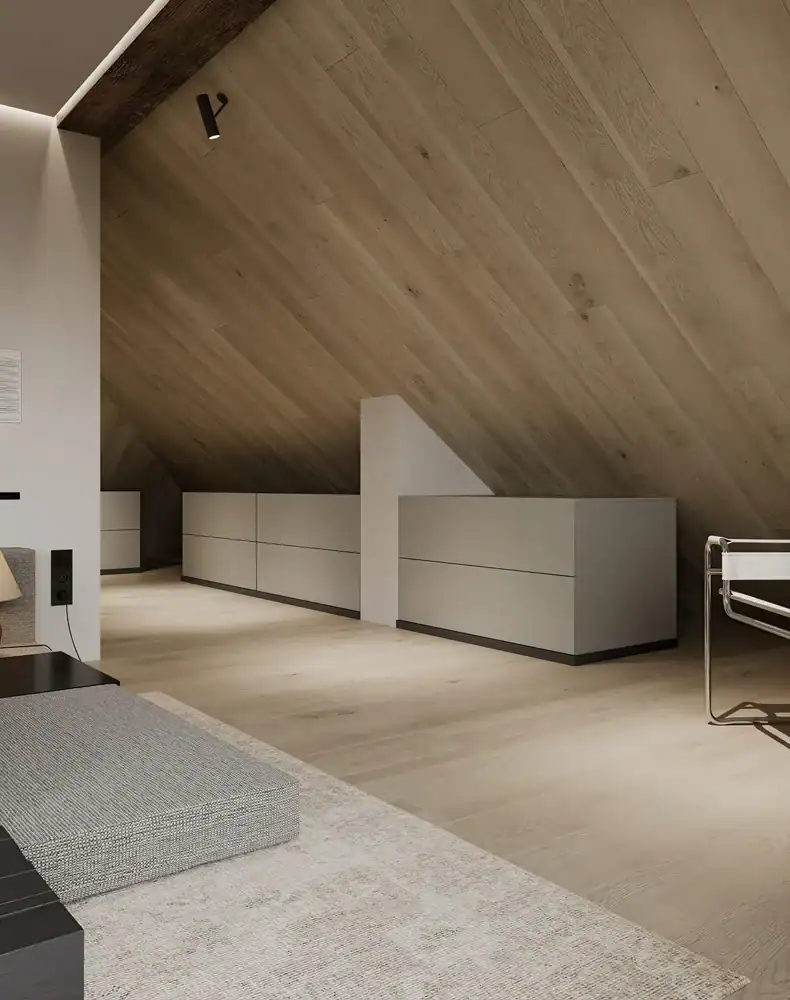
First, we come out and look at your attic. Not every roof can handle a dormer, and not every attic layout makes sense for the space you want. We measure, check the framing, and talk through what you’re trying to accomplish. If it works, we’ll tell you. If it doesn’t, we’ll tell you that too.
Next, we handle the permits. New Hyde Park requires them for dormer additions, and the process can take a few weeks depending on the backlog. We submit everything, deal with the town, and make sure the design meets code before we touch your roof.
Once permits clear, we start the build. We open up the roof, frame the dormer, install windows, and tie everything into your existing structure. Flashing goes in around every seam and joint—that’s what keeps water out. Insulation, drywall, and finish work come last. Most dormer projects take between four and twelve weeks depending on size and complexity.
You’ll have access to your home the whole time, though there will be noise and activity. We clean up daily and cover everything when we’re not working so your attic doesn’t turn into a weather event.
Ready to get started?
Shed dormers run along the length of your roof and give you the most usable space. They’re common on Cape Cods and Colonial-style homes throughout New Hyde Park because they add full standing height across a wide area. If you’re turning an attic into a bedroom or bathroom, this is usually the way to go.
Gable dormers are smaller and stick out from the roofline. They add light and some headroom but not as much square footage. They work well if you just need to brighten up the space or add a small office nook without a full build-out.
Hip dormers have a roof that slopes on three sides. They’re less common but blend well with certain architectural styles. We’ll match your dormer to your home’s existing look—same roofing material, same trim style, same proportions. It should look like it was always there.
On Long Island, you’re also dealing with snow load, wind, and humidity. That means proper ventilation, the right insulation values, and flashing that won’t fail in five years. We source materials that hold up here, not just anywhere. Your dormer isn’t just about adding space—it’s about doing it in a way that doesn’t create new problems.
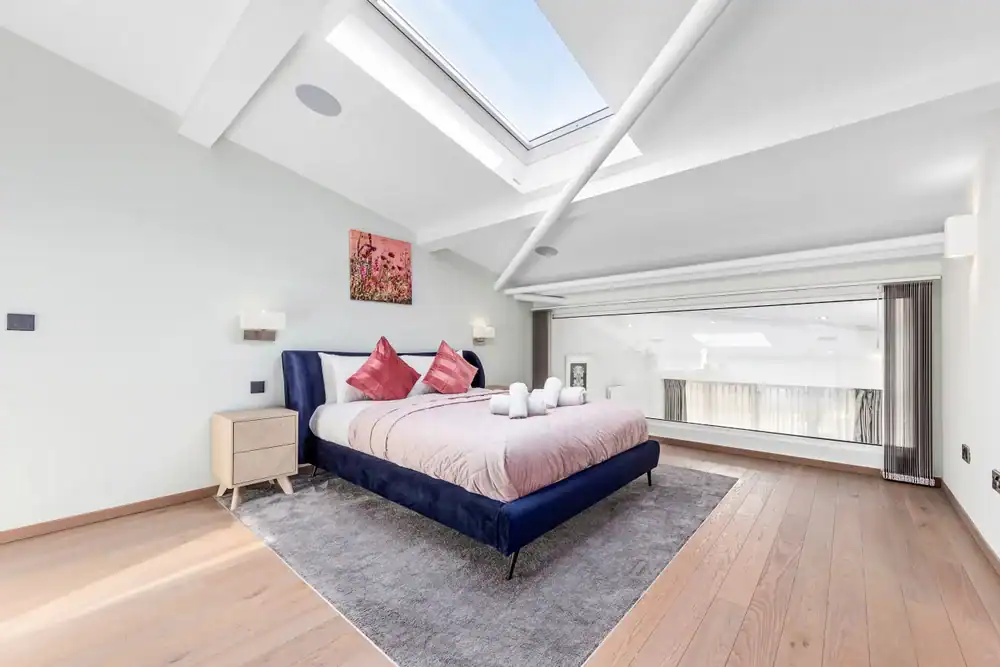
Dormer costs vary based on size, type, and what you’re adding inside. A small gable dormer might start around $15,000 to $20,000. A full shed dormer with a bathroom or bedroom build-out can run $40,000 to $80,000 or more depending on finishes and complexity.
The price includes framing, roofing, windows, insulation, drywall, and exterior siding that matches your home. If you’re adding plumbing or electrical for a bathroom, that’s additional. Permits, engineering, and structural work also factor in.
Long Island costs run higher than other areas because of permit fees, labor rates, and material costs. But you’re also adding real value. A properly built dormer can return 40% to 50% of your investment when you sell, and in the meantime, you get space you can actually use instead of paying for a bigger house or dealing with a full addition that costs twice as much.
Yes. Any structural change to your roof requires a building permit in Nassau County, and that includes dormers. The town of New Hyde Park reviews plans to make sure the dormer meets setback requirements, doesn’t exceed height limits, and follows building code for structure and safety.
We handle the permit process. That means preparing drawings, submitting them to the town, and working through any revisions or questions that come up. Permit approval can take a few weeks, sometimes longer if there’s a backlog. We factor that into the timeline so you’re not waiting around wondering when work can start.
Skipping permits isn’t worth it. If you try to sell later, it’ll show up in the title search or inspection, and you’ll be forced to either legalize it or remove it. Insurance can also deny claims if unpermitted work causes damage. We pull permits on every job, no shortcuts.
It should, and that’s part of the design process. We match your roofing material, siding, trim, and window style so the dormer looks like it belongs. Whether you have a Cape Cod, Colonial, or ranch-style home, the dormer needs to fit the proportions and details of your existing architecture.
New Hyde Park has a lot of traditional home styles, and neighbors notice when something looks off. We take measurements, photos, and material samples to make sure everything aligns. The roof pitch, overhang, and fascia details all get matched. If your home has specific trim or shingle patterns, we replicate that.
A good dormer doesn’t announce itself. It blends in and adds to your home’s curb appeal instead of looking like an awkward add-on. We’ve built enough dormers on Long Island to know what works with different home styles, and we’ll walk you through options that make sense for your house.
Most dormer projects take four to twelve weeks from start to finish. Smaller gable dormers on the shorter end, larger shed dormers with full interior build-outs on the longer end. Permit approval adds a few weeks before construction begins, so plan for that upfront.
Weather affects the timeline. We can’t leave your roof open during a rainstorm, so if we hit a stretch of bad weather, we pause until it clears. Winter work is possible but slower. Most homeowners prefer to schedule dormers in late spring through fall when conditions are predictable.
Once we start, you’ll see progress quickly. The roof opens up, framing goes in, and the structure takes shape within the first week or two. Interior work—insulation, drywall, electrical, plumbing if needed—takes longer because it’s detail work. We’ll give you a realistic timeline before we start and keep you updated if anything changes.
A shed dormer runs horizontally along your roofline and has a single sloped roof. It gives you the most usable interior space because it extends the full height of the room across a wide area. If you’re adding a bedroom, bathroom, or office, a shed dormer usually makes the most sense because you get actual headroom and floor space you can walk around in.
A gable dormer is smaller and projects out from the roof with a peaked front. It adds light and some headroom in a specific spot but doesn’t create as much usable square footage. Gable dormers work well if you just want to brighten up an attic or add a small workspace without a full build-out.
On Long Island, shed dormers are more common for functional space additions. Gable dormers are often used for aesthetics or smaller projects. We’ll look at your attic layout, roof structure, and what you’re trying to accomplish, then recommend the type that makes sense. Sometimes a combination works—shed dormer for space, gable dormer for symmetry and light on another side.
Yes, dormers can leak if they’re not built correctly, and it’s one of the most common problems we see from sloppy work. Water gets in where the dormer meets the existing roof, around windows, or through poorly installed flashing. Once water gets in, you’re dealing with rot, mold, and insulation damage that costs more to fix than doing it right the first time.
Prevention comes down to flashing. Every seam, joint, and transition point where the dormer connects to your roof needs properly installed flashing that directs water away. We use ice and water shield under the shingles, step flashing along the sides, and head flashing above windows. It’s not complicated, but it has to be done right, and a lot of contractors rush it.
We also make sure the dormer is properly ventilated and insulated. If warm air gets trapped, it creates condensation, which leads to the same problems as a leak. Your dormer should keep water out and let your attic breathe. That’s how you avoid callbacks, repairs, and headaches five years down the line.
Other Services we provide in New Hyde Park