
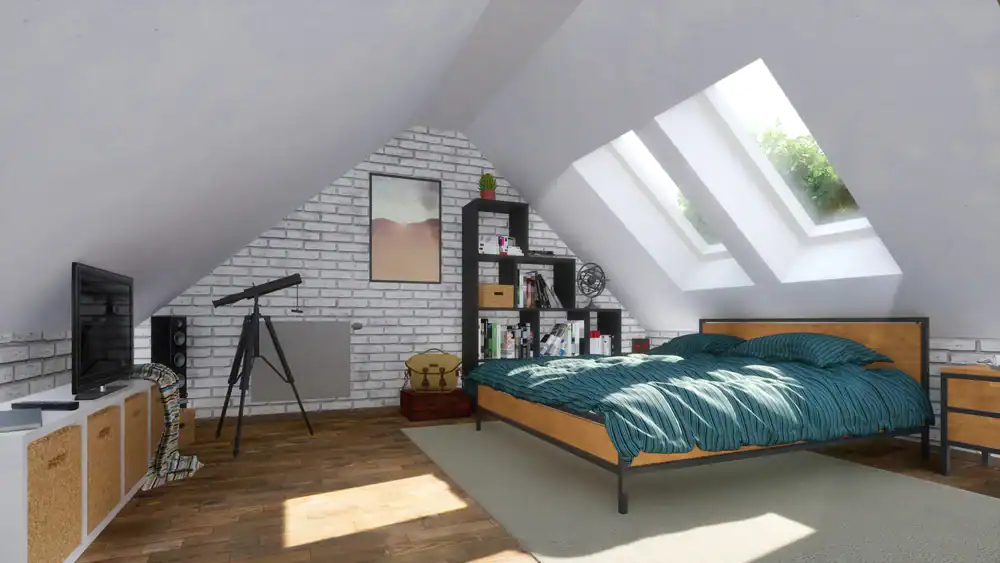
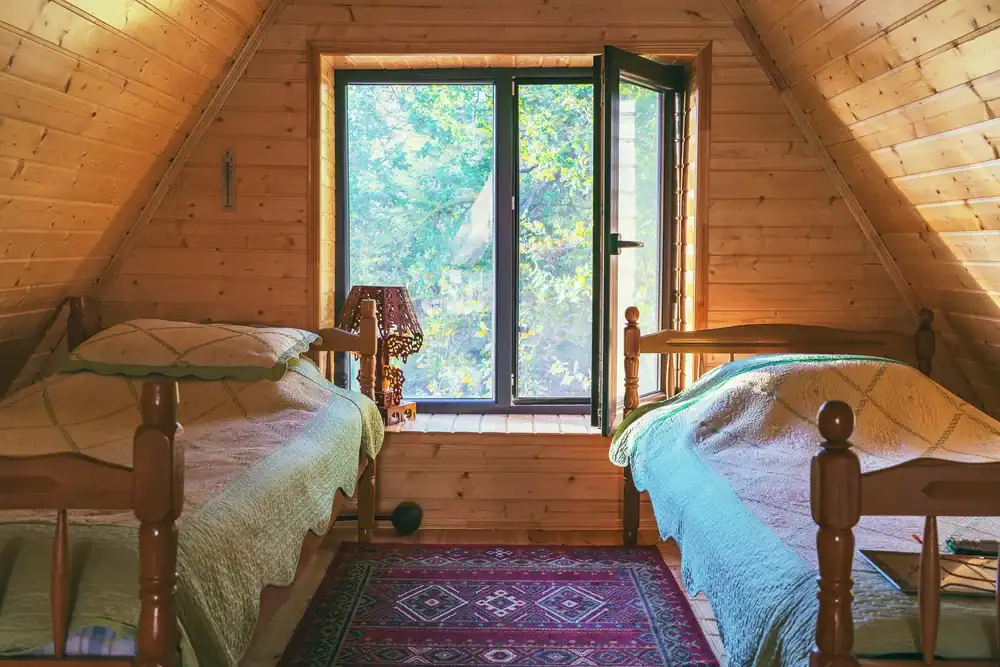
You’re not looking to move. The neighborhood’s right, the schools work, and honestly, where would you even go in this market? But you need more room.
A dormer lets you build up instead of out. No foundation work. No losing yard space. No fighting with zoning over setbacks. You’re converting space that’s already there—just unusable right now because it’s dark, low-ceilinged, and basically storage for things you forgot you owned.
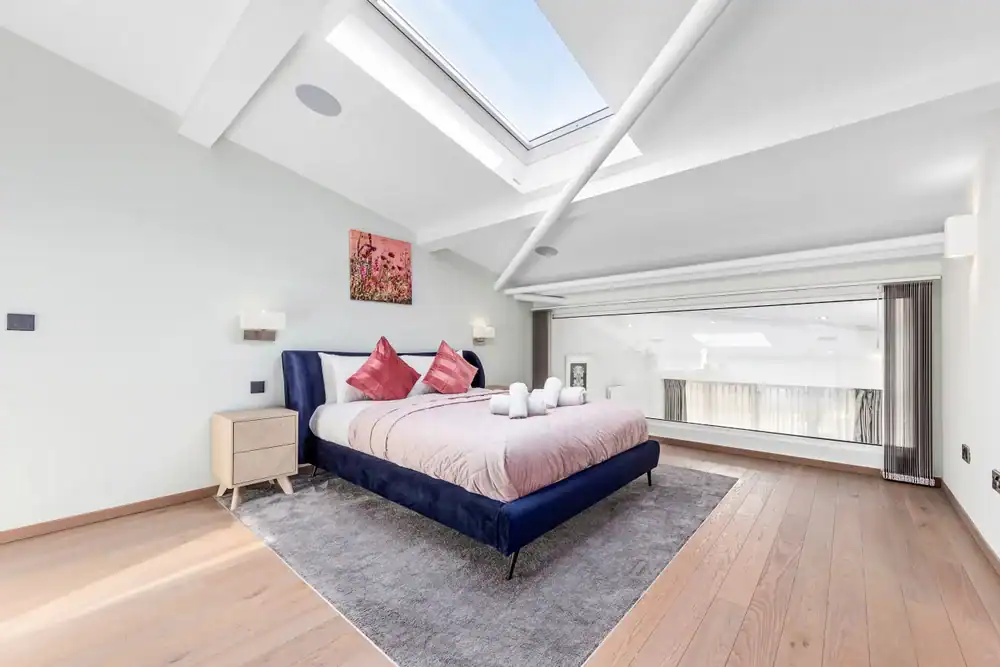
What you get is a real room. Natural light. Headroom. A space that actually functions. Whether it’s a primary suite, a home office that doesn’t share a wall with the kitchen, or just a place where the kids aren’t on top of each other—it’s livable square footage that increases your home’s value without the footprint of a full addition.
Most dormer projects take two to four weeks depending on size and interior finish. The roof gets opened, framed, and closed back up fast. Then it’s insulation, drywall, and whatever finishes you want. You’re not living through months of construction.
We’ve been handling large-scale residential projects across Nassau County since the early 1970s. Dormers, extensions, full renovations—we’re not new to this, and we’re not figuring it out on your house.
You’ll talk to someone every time you call. Not a voicemail. Not a call back three days later. If something comes up mid-project, you’re not left guessing. We’ve handled frozen pipe emergencies at 3 a.m. and job sites that needed same-day decisions. That’s just how we operate.
Muttontown homes—especially the Colonials and Cape Cods that dominate the area—are built for dormer additions. The roof pitch works. The structure supports it. And with property values where they are, expanding up makes a lot more sense than dealing with the permitting and cost of going out. We know the local building requirements, and we know what works in this climate. Cold winters, snow load, ice damming—it all factors into how we frame and weatherproof your dormer.
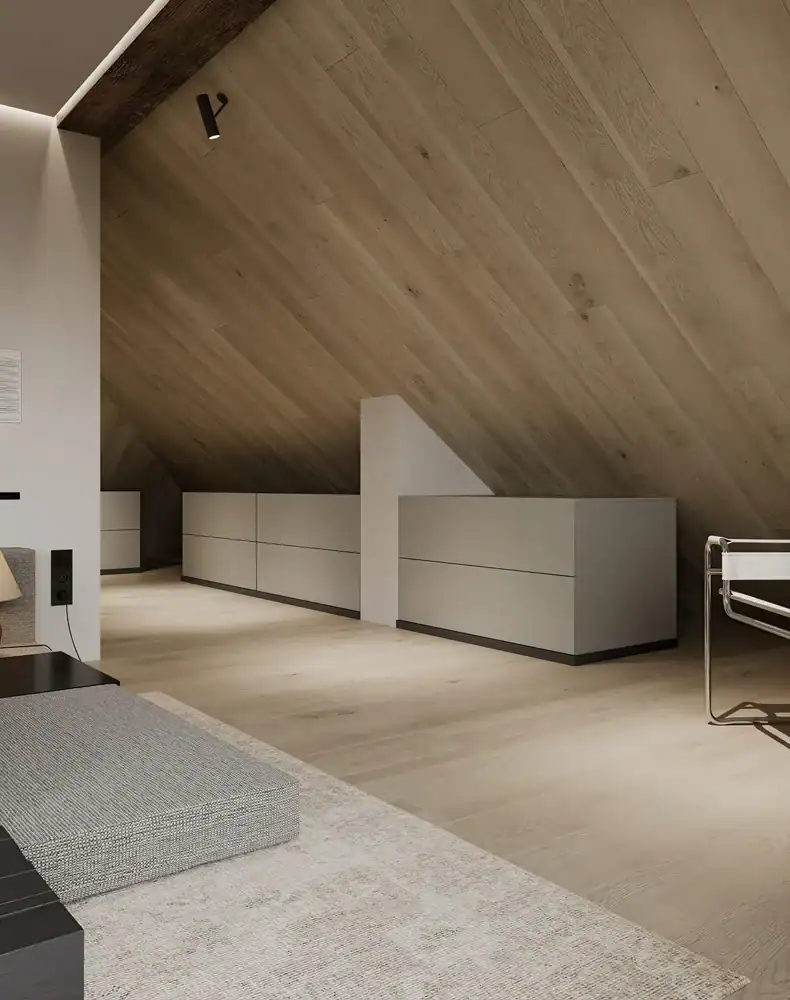
First, we come out and look at your attic. We’re checking roof structure, headroom, access, and whether the framing can support what you’re trying to do. If it works, we’ll walk you through dormer styles—gable, shed, hip—and what makes sense for your roofline and the look of your house.
Once you’re clear on design and cost, we pull permits if needed and schedule the work. The crew shows up, sets up containment if we’re cutting into occupied space, and gets the roof opened up. Framing goes fast. We’re usually weather-tight again within days, not weeks.
After framing and sheathing, it’s roofing, windows, insulation, and drywall. If you’re finishing the interior, that’s next—flooring, paint, trim, electric, whatever the room needs. We keep the site clean daily. Tarps, sweeping, debris removal—it’s part of the job, not an afterthought.
You’ll know the timeline up front, and we stick to it. No disappearing for two weeks between phases. No surprise delays because materials didn’t show up. We manage the job from demo to final walkthrough.
Ready to get started?
A dormer isn’t just cutting a hole in your roof and calling it done. It’s structural framing, roof extension, weatherproofing, insulation that meets Long Island’s climate demands, windows that actually seal, and interior finishes that match the rest of your home.
We handle the full scope. Design, permits, framing, roofing, siding to match your existing exterior, drywall, electric, HVAC if the room needs it. If you’re adding a bathroom up there, we’re running plumbing. If it’s a bedroom, we’re making sure egress and ceiling height meet code.
In Muttontown, most homes sit on larger lots, but zoning still limits how far you can build out. A dormer solves that. You’re adding 100, 150, even 200 square feet of finished space without increasing your home’s footprint. And because you’re working within your existing structure, costs stay reasonable compared to a ground-level addition.
The return matters too. You’re looking at recovering 65% to 80% of your investment in added home value. That’s real equity. And in a market where inventory is low and buyers are competing, a finished third bedroom or primary suite with its own bath makes your home stand out if you ever do sell.
Cost depends on size and finish level, but you’re generally looking at $12,000 to $30,000 for a 150-square-foot dormer that’s framed, roofed, insulated, and drywalled. Smaller dormers—around 25 square feet—can run $2,500 to $6,300 if you’re just adding light and headroom without a full room build-out.
If you’re finishing the interior with flooring, trim, electric, and a bathroom, that adds to the budget. But you’re still spending significantly less than a ground-level addition, which requires foundation work, expanded HVAC, and often more permitting hurdles.
We’ll give you a clear number up front based on what you’re trying to accomplish. No vague ranges. No surprises halfway through when you’re already committed.
Gable dormers are the most common fit for Muttontown’s Colonial and Cape Cod-style homes. They match the existing roofline, add solid headroom, and give you flexibility for window placement and interior layout.
Shed dormers work if you need maximum space. They run longer along the roofline and give you more usable square footage, but they change the look of your house more dramatically. Hip dormers are less common here but can work if you’re going for a specific aesthetic.
What matters most is roof pitch and structural support. We’ll tell you what your house can handle and what makes sense both functionally and visually. Some homes can support a full-width shed dormer. Others are better suited to a pair of gable dormers. It’s not one-size-fits-all.
Most dormer projects take two to four weeks from start to finish. That includes framing, roofing, siding, windows, insulation, and drywall. If you’re adding a bathroom or doing custom interior finishes, it can stretch to six weeks.
The roof gets opened and closed quickly—usually within a few days. We’re not leaving your house exposed to weather for weeks. Once we’re weather-tight, the rest of the work happens inside, so there’s less disruption to your daily routine.
Timeline also depends on permitting. Some towns move faster than others. We handle that process and keep you updated on where things stand. You’ll know the schedule before we start, and we don’t drag jobs out or disappear between phases.
Yes, adding livable square footage typically increases your assessed value, which can raise your property taxes. How much depends on the size of the dormer and how your town assesses improvements.
In Muttontown, where the median property value is already $1.88 million, a dormer that adds 150 square feet and increases your home’s value by 10% to 15% will likely trigger a reassessment. But you’re also building equity. Most homeowners recover 65% to 80% of the project cost in added home value.
If property taxes are a concern, it’s worth talking to your accountant or checking with the town assessor’s office before starting the project. We can’t give you tax advice, but we can tell you what similar projects have done to home values in the area.
Most dormer projects require a building permit, especially if you’re adding square footage, changing the roofline, or running new electric and plumbing. Muttontown has specific zoning rules, and Nassau County enforces building codes that cover structural work, insulation, egress, and fire safety.
We handle the permit process. You’re not filling out forms or making trips to the building department. We submit the plans, coordinate inspections, and make sure everything’s up to code before we close walls or finish surfaces.
Some smaller projects—like adding a doghouse dormer just for light and ventilation—might not need a permit, but that’s rare. It’s always better to pull the permit and do it right than deal with issues down the road when you go to sell or refinance.
Yes. Matching existing materials is part of the job. Whether it’s vinyl siding, cedar shakes, fiber cement, or brick veneer, we source materials that match your current exterior. Same goes for roofing—shingle color, style, and manufacturer all get matched so the dormer doesn’t look like an add-on.
Sometimes materials have been discontinued or updated since your home was built. If that’s the case, we’ll find the closest match or discuss options for blending the transition. Most of the time, you can’t tell where the original house ends and the dormer begins.
We also match trim details, soffit and fascia, and window styles. The goal is a seamless addition that looks like it was always part of the house. You shouldn’t have to explain to neighbors that you just added a dormer—it should just look right.
Other Services we provide in Muttontown