
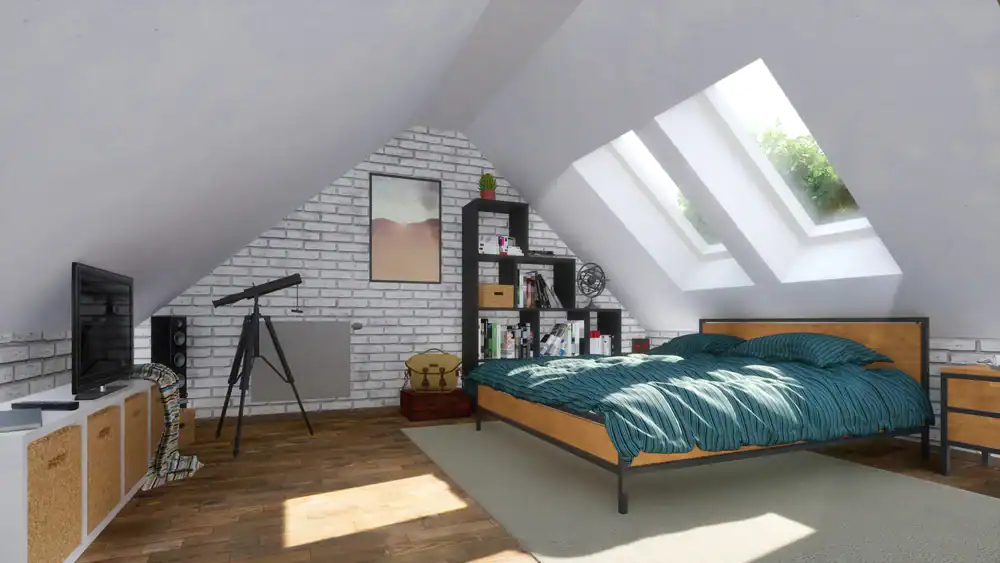
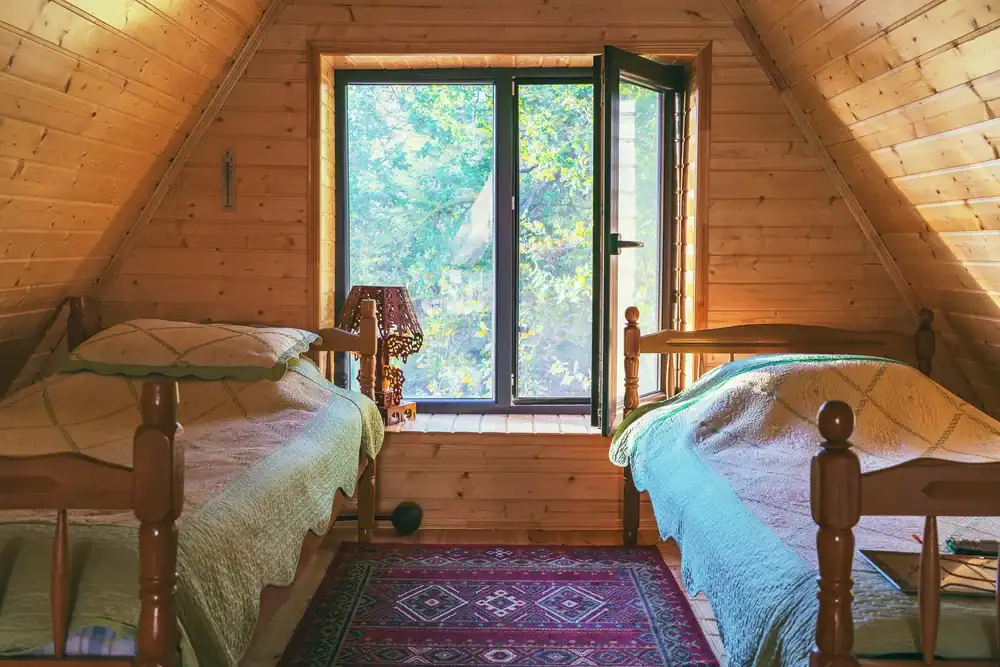
Your attic’s probably dark, cramped, and full of stuff you forgot about. A dormer changes that completely—it brings in natural light, adds headroom where you need it, and turns wasted space into a room you’ll actually use.
You’re not just getting extra square footage. You’re getting a space that feels open, bright, and finished. Whether it’s a home office for remote work, a guest bedroom, or a bathroom that finally gives your family some breathing room, a dormer makes it possible without tearing up your yard or dealing with a full addition.
And if you’re thinking about resale, dormers typically return 50-75% of what you invest. That’s real value—not just for the next buyer, but for you right now. More space means less stress, especially in a market where moving costs more than staying put and improving what you already have.
We handle large-scale residential projects across Massapequa and Nassau County. We specialize in dormers, extensions, kitchen and bathroom remodels, and first-floor renovations—the kind of work that requires real planning, clean execution, and constant communication.
What sets us apart isn’t complicated. We pick up when you call. We respond to texts. We keep job sites clean, and our crews show up like professionals. If something goes wrong—frozen pipes, emergency repairs, whatever—we’re available to handle it.
Long Island’s a competitive market, and winters here aren’t easy on homes. We’ve been doing this long enough to know what works in this climate and what doesn’t. You’re not getting a sales pitch from us—you’re getting straight answers about what your project actually needs.
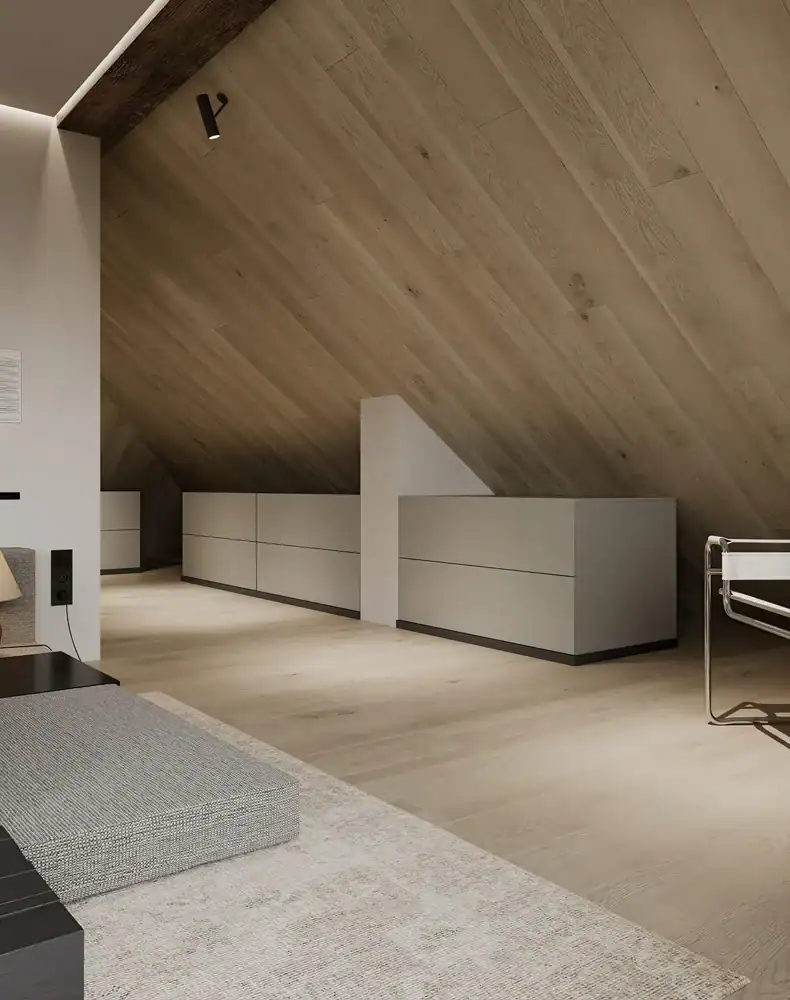
First, we come out and look at your attic. Not every roof can support a dormer, and not every layout makes sense for what you’re trying to do. We’ll tell you what’s possible, what’s not, and what it’s going to take structurally to make it work.
Once we’re clear on the design—shed dormer, gable dormer, or something custom—we handle the permits. In Nassau County, that process can take up to six weeks and costs around $1,160 on average. We manage that so you don’t have to chase down paperwork.
Then we build. That means cutting into your existing roof, framing the dormer structure, installing windows, adding insulation, and making sure everything’s flashed and sealed properly. Flashing is critical—it’s what keeps water out. Cheap or rushed flashing is how you end up with leaks a year later.
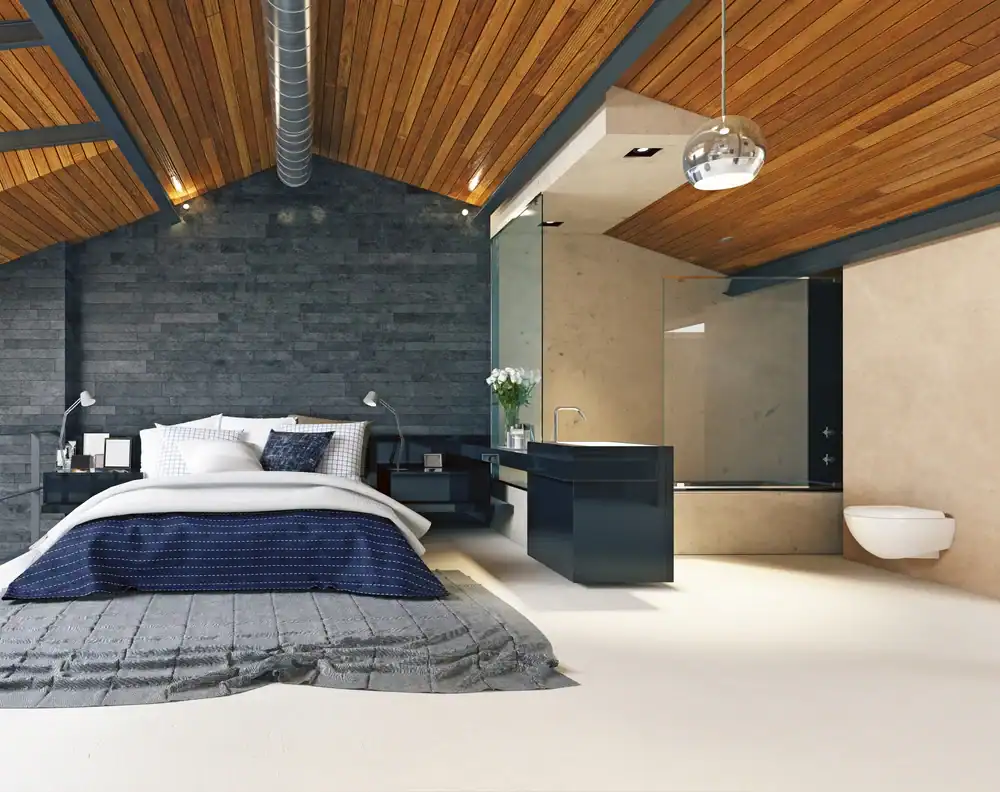
After framing and roofing, we finish the interior. Drywall, flooring, electrical, HVAC if needed—it all depends on what the room’s going to be. The goal is a finished space that looks and feels like it was always part of the house, not an awkward add-on.
Ready to get started?
A dormer isn’t just a window sticking out of your roof. It’s a structural change that adds usable headroom, brings in natural light, and often makes it possible to add plumbing to an attic space. That means you can finally put a bathroom upstairs without weird ceiling angles or cramped layouts.
In Massapequa and across Long Island, home values have been climbing—Nassau County’s median is over $820,000 now. Most buyers want move-in ready homes. They don’t want projects. A finished dormer with a real bedroom or office space makes your home more competitive if you ever decide to sell.
But even if you’re staying put, it’s about quality of life. Remote work changed how people use their homes. Families are bigger, or kids are back from college, or aging parents need a space that’s not the basement. A dormer solves that without the cost and disruption of moving.
Long Island winters are tough on roofs. Uninsulated or poorly built dormers let heat escape, which melts snow unevenly and leads to ice dams and leaks. We insulate properly and use ice-and-water protector under the shingles. It’s not optional—it’s how you avoid problems down the road.
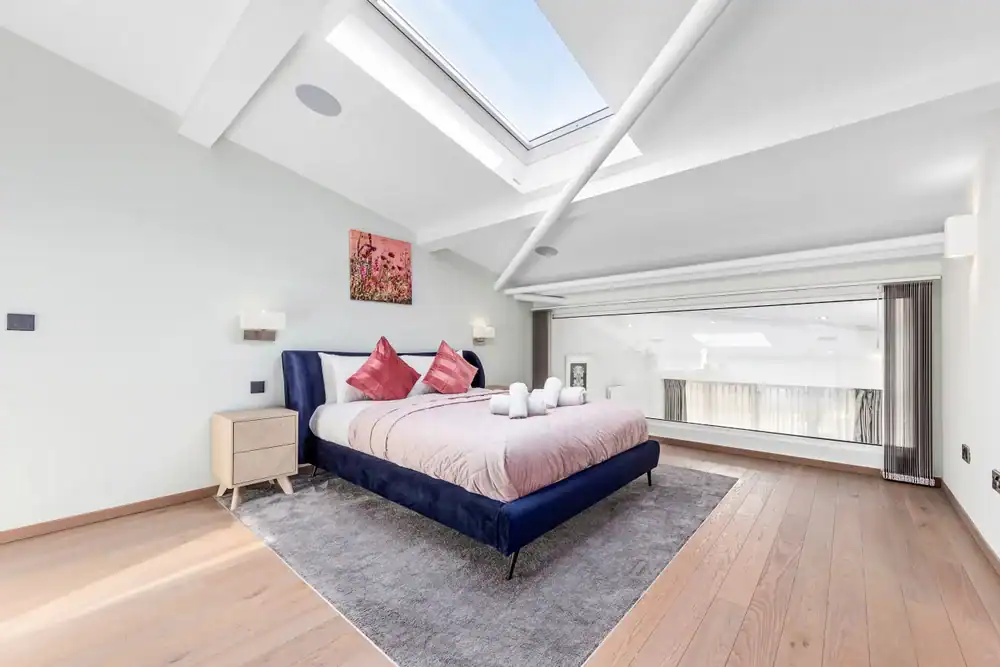
Most dormer projects in Nassau County run between $12,000 and $30,000, depending on size, style, and what you’re finishing inside. A small shed dormer with just framing and a window costs less than a full gable dormer with a bathroom and custom finishes.
Permits add around $1,160 on average, and that timeline can stretch six weeks. If your HOA requires approval, factor that in too. The labor’s intensive—you’re cutting into an existing roof, building a structure that has to match your home’s look, and making sure it’s weatherproof in a climate that gets cold, wet, and windy.
It’s not cheap, but it’s almost always less than moving or building a ground-level addition. And if you’re planning to stay in your home long-term, the value isn’t just financial—it’s the space you actually get to use.
Typically, yes—by about 50-75% of what you spend, depending on the design and how well it’s executed. A $20,000 dormer might add $10,000 to $15,000 in resale value. That’s not a full return, but it’s better than most renovations, and you get the benefit of the space while you’re living there.
In a market like Long Island, where inventory’s low and buyers want finished homes, a dormer makes your property more appealing. It adds square footage without expanding your lot footprint, which matters when zoning limits how much you can build out.
But here’s the thing—if you’re doing this purely for resale, it might not pencil out. If you’re doing it because you need the space and you’re tired of living in a house that doesn’t work for your family, it’s worth every dollar.
Plan on six to eight weeks for most projects, start to finish. That includes permit approval time, which in Nassau County averages four to six weeks before we even break ground.
Once we start construction, the framing and roofing usually take one to two weeks, depending on weather and the complexity of the design. Interior finishing—drywall, flooring, electrical, painting—adds another two to three weeks. If you’re adding a bathroom with plumbing, expect the longer end of that range.
Winter slows things down. Snow, ice, and frozen ground make roofing work harder and less safe. If you’re planning a dormer, spring through fall is your best window. We’ll give you a realistic timeline upfront, and we’ll keep you updated if anything changes.
A shed dormer has a single sloped roof that extends from your existing roofline. It’s wider, adds more interior space, and costs less per square foot because the framing’s simpler. Most people choose shed dormers when they want maximum usable room—like a full bedroom or office.
A gable dormer has a peaked roof, like a little house sticking out of your main roof. It’s more traditional looking, adds great curb appeal, and works well if you just need a window and some extra headroom in a specific spot. Gable dormers cost more per square foot because the framing’s more complex, but they can really change how your house looks from the street.
Both styles work in Massapequa. It comes down to what you’re trying to accomplish inside and what fits your home’s architecture. We’ll walk you through both options and show you what makes sense for your project.
Yes—poorly built dormers leak all the time, usually around the flashing where the dormer meets your main roof. Flashing is the metal or waterproof material that seals those joints. If it’s installed wrong, or if a contractor skips the ice-and-water protector underlayment, you’re going to have problems.
We use ice-and-water protector on every dormer we build. It’s a self-sealing membrane that goes under the shingles and around all the edges. In Long Island winters, that layer is what stops melting snow and ice from working its way under your roof and into the dormer structure.
Cheap materials and rushed work are the other big culprits. Some contractors use thinner lumber or don’t fasten things properly, and a year later the dormer’s leaking or drafty. We build it right the first time—proper flashing, quality materials, and attention to the details that keep water out for the long haul.
Yes. Any structural work that changes your roofline requires a building permit in Nassau County. The permit process takes four to six weeks on average and costs around $1,160, though that can vary depending on the scope of your project.
You’ll also need to make sure the dormer complies with local zoning rules—setbacks, height limits, and lot coverage all come into play. If you’re in an HOA, you’ll need their approval too, and that can add time to the timeline.
We handle the permit process as part of the job. You don’t need to figure out what forms to fill out or which codes apply—we know what the town requires, and we make sure everything’s submitted correctly. It’s one less thing you have to worry about while your project’s moving forward.
Other Services we provide in Massapequa