
You’re not imagining it—your house feels smaller than it used to. The kids need their own rooms. You’re working from the kitchen table. Storage is spilling into the garage. And every time you think about moving, you remember what homes are going for in Lido Beach and Nassau County right now.
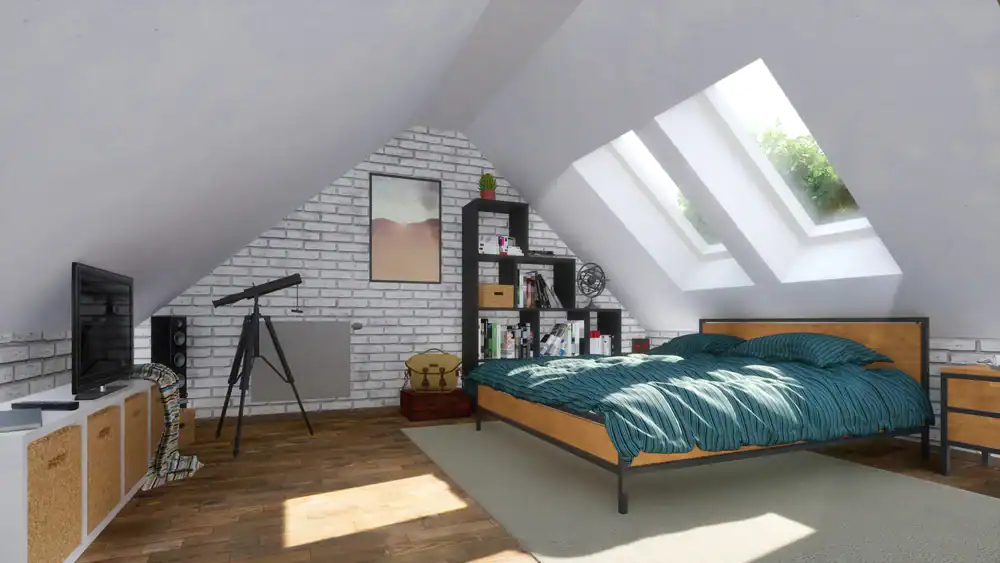
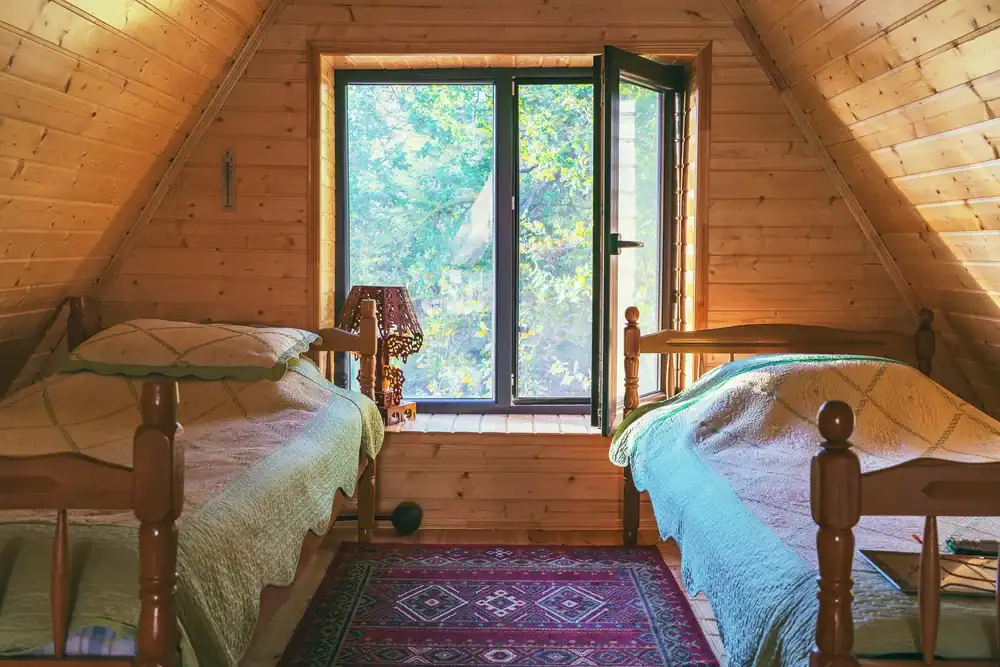
A dormer lets you stay put and still get the space you need. We’re talking about converting that cramped, dark attic into an actual bedroom, home office, or walk-in closet. Real square footage. Natural light. Headroom you can stand up in.
Most dormers on Long Island run between four and eight weeks from start to finish. The return is solid too—you’re looking at around 40 to 50 percent back in home value, and you’re not dealing with the hassle, cost, or emotional toll of relocating. You get to keep your block, your commute, your routine. You just get more space to live in.
We’ve been handling dormer additions, extensions, and full-scale renovations across Nassau County for over five decades. We’re not new to this. We know how Long Island homes are built, what the permit process looks like, and how to design a dormer that doesn’t look tacked on.
What sets us apart isn’t just experience—it’s how we operate. You call, we answer. You text, we respond. We’ve shown up at 3 a.m. for frozen pipes because that’s what you do when someone needs help. Our crews keep the site clean, show up on time, and the owner is on-site working—not just managing from a distance.
Lido Beach homeowners deal with the same challenges across the South Shore: limited lot sizes, zoning restrictions, older Cape Cods and Colonials that need smart updates. We’ve worked in this area long enough to know what works and what doesn’t.
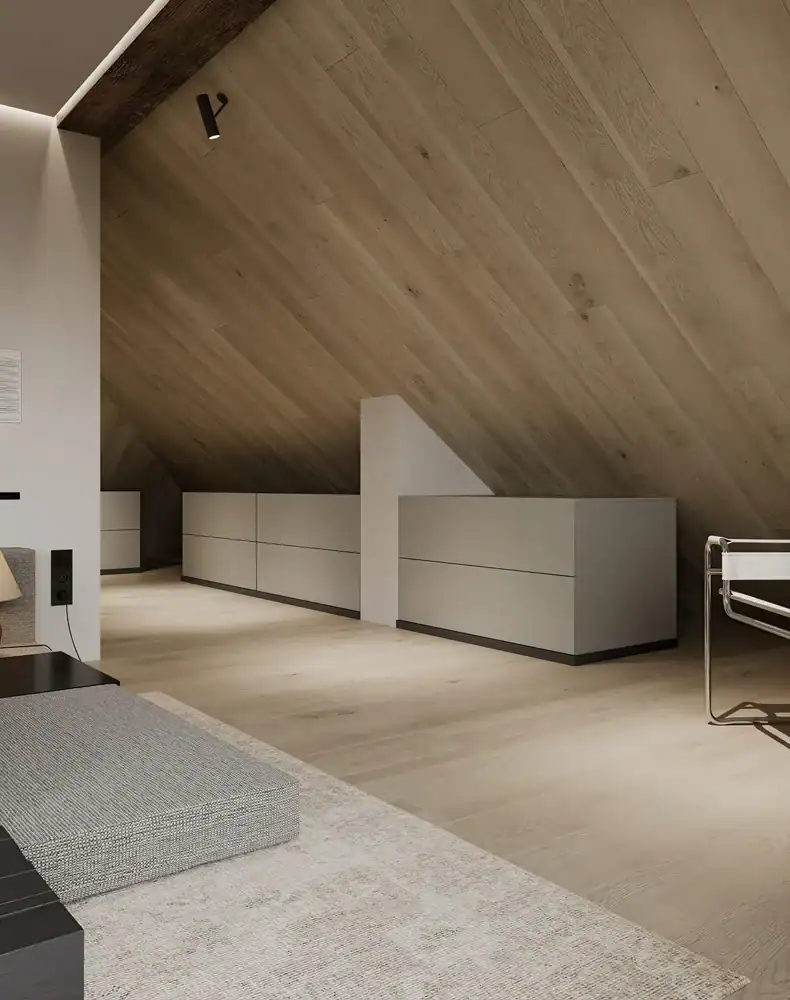
First, we come out and look at your attic. We measure headroom, check the roof structure, and talk through what you’re trying to accomplish. Not every attic can support a dormer without reinforcement, so we’re upfront about what’s needed before anything gets started.
Once we agree on the design and scope, we handle the permit process. Most dormer projects in Nassau County require permits, especially when you’re adding livable space or altering the roofline. We submit the plans, coordinate inspections, and keep things moving so you’re not stuck waiting on approvals.
During construction, we open up the roof, frame the dormer, install windows, and tie everything into your existing structure. Flashing and insulation are critical here—done wrong, you’ll deal with leaks and energy loss for years. We don’t cut corners on the details that matter. The interior gets finished to match the rest of your home, and we clean up daily so you’re not living in a construction zone longer than necessary.
Final inspection happens, and you’ve got a new room. That’s it. No drama, no surprises, no wondering if we’re going to show up.
Ready to get started?
A dormer addition isn’t just carpentry—it’s structural work, roofing, insulation, electrical, and finish carpentry all rolled into one project. We handle it all. That includes reinforcing floor joists if needed, cutting and framing the roof opening, installing the dormer structure, waterproofing with proper flashing, adding windows, insulating to current code, and finishing the interior so it blends with your existing space.
On Long Island, especially near the water in areas like Lido Beach, moisture and insulation are huge. We use quality materials and proven methods to make sure your dormer doesn’t become a problem area down the road. If your roof needs repair or replacement as part of the project, we take care of that too—it’s all part of the same job.
We also coordinate inspections and keep communication open throughout. You’re not left guessing where things stand. If something comes up—a structural issue we didn’t see until the roof was open, a delay with permits—we tell you right away and explain what it means for timeline and cost. No one likes surprises, especially not on a home improvement project.
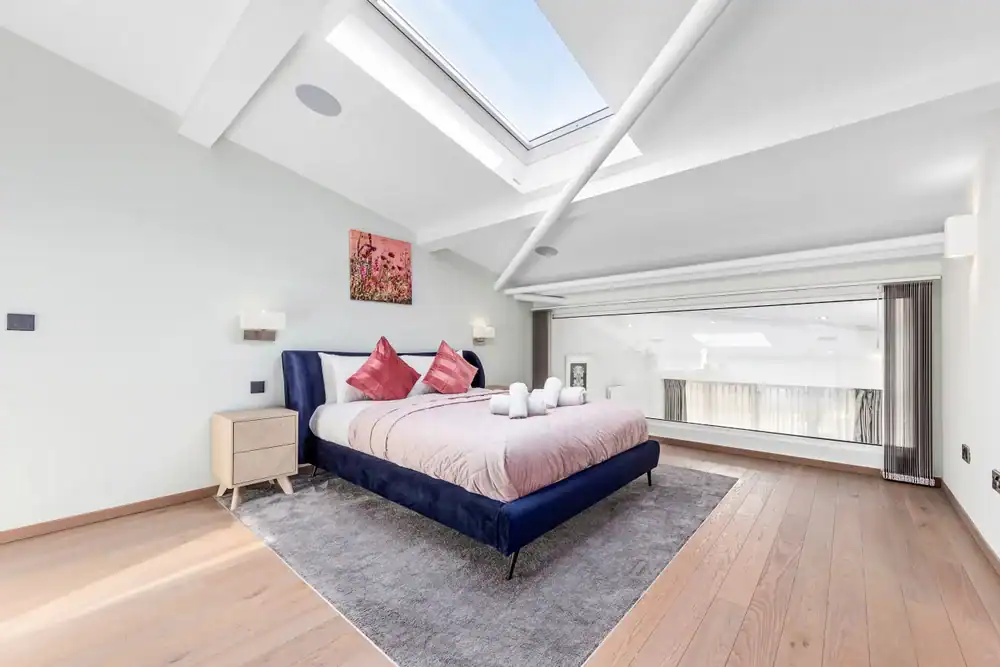
Cost depends on size and complexity, but most dormer projects on Long Island fall somewhere between $15,000 and $50,000. A smaller shed dormer that adds 100 to 150 square feet might come in around $12,000 to $30,000. A larger gable dormer with more custom work, structural reinforcement, or premium finishes can push higher.
What drives the price is how much of the roof we’re opening up, whether your attic floor needs reinforcement, the type of windows you choose, and how much interior finishing is involved. If we’re adding electrical, HVAC, or a bathroom, that adds to the scope. We give you a clear estimate upfront so you know what you’re looking at before anything gets started.
It’s also worth noting that a dormer typically returns 40 to 50 percent of the cost in added home value. So if you spend $20,000, you’re looking at roughly $8,000 to $10,000 back when you sell. But more importantly, you’re getting usable space now without the cost and hassle of moving.
Yes, almost always. If you’re altering the roofline or adding livable space, Nassau County requires a permit. That means submitting plans, getting approval from the building department, and scheduling inspections during and after construction.
Permit timelines can vary depending on how backed up the local building department is, but it’s not uncommon to wait a few weeks for approval. That’s why we start the permit process early and stay on top of it. The last thing you want is to be ready to start and then sit around waiting for paperwork.
Some homeowners try to skip permits to save time or money, but that’s a mistake. If you ever go to sell and the dormer wasn’t permitted, it can kill a deal or force you to bring it up to code retroactively—which costs more than just doing it right the first time. We handle permits as part of the process so you don’t have to worry about it.
Most dormer projects take between four and eight weeks once we break ground. That includes framing, roofing, insulation, windows, and interior finishing. Smaller dormers on simpler roof structures can move faster. Larger or more complex projects—especially if there’s structural work or custom design involved—can stretch closer to 10 or 12 weeks.
Weather plays a role too, especially in the winter months on Long Island. We can’t leave your roof open during a storm, so if we hit a stretch of bad weather, that can add a few days. Permit delays can also push timelines if the building department is slow to approve or inspect.
We give you a realistic timeline upfront and keep you updated if anything changes. Our goal is to get the work done efficiently without rushing through the details that matter—like flashing, insulation, and making sure everything is watertight and built to last.
Shed dormers and gable dormers are the most common, and both work well depending on your home’s style and what you’re trying to accomplish. Shed dormers have a single sloping roof and tend to add more interior space—they’re great for maximizing square footage in a Cape Cod or ranch-style home. Gable dormers have a peaked roof and add more architectural interest to the exterior, which works well on Colonial-style homes.
If you’re trying to add a full bedroom or office, a shed dormer usually makes more sense because you get more usable headroom and floor space. If curb appeal is a priority and you want the dormer to enhance the look of your home, a gable dormer might be the better choice.
We walk you through the options based on your home’s existing structure, your goals for the space, and what’s going to look right from the street. A dormer should feel like it was always part of the house, not something that was added later.
Possibly, yes. When you add livable square footage to your home, the assessed value can go up, which may increase your property taxes. How much depends on the size of the dormer, how it’s classified by the assessor, and the current tax rate in your area.
That said, the increase is usually modest compared to the value you’re adding. If your dormer adds $30,000 to $40,000 in home value and your effective tax rate is around 2 percent, you might see an extra $600 to $800 per year in taxes. It’s not nothing, but it’s also not a deal-breaker for most homeowners—especially when the alternative is moving to a bigger house with a much higher purchase price and tax bill.
If you’re concerned about the tax impact, it’s worth talking to your accountant or a local assessor before starting the project. But in most cases, the benefit of having the extra space and avoiding a move outweighs the incremental tax increase.
Yes, and that’s one of the most common requests we get. A dormer gives you the space and headroom to add a full bathroom, a walk-in closet, or both. The key is making sure the floor structure can handle the load—especially for a bathroom, where you’ve got plumbing, tile, and fixtures adding weight.
We coordinate the plumbing and electrical as part of the project. If you’re adding a bathroom, that means running water lines and waste lines, installing a vent stack, and making sure everything is up to code. It’s more involved than just framing and drywall, but it’s absolutely doable and often worth it.
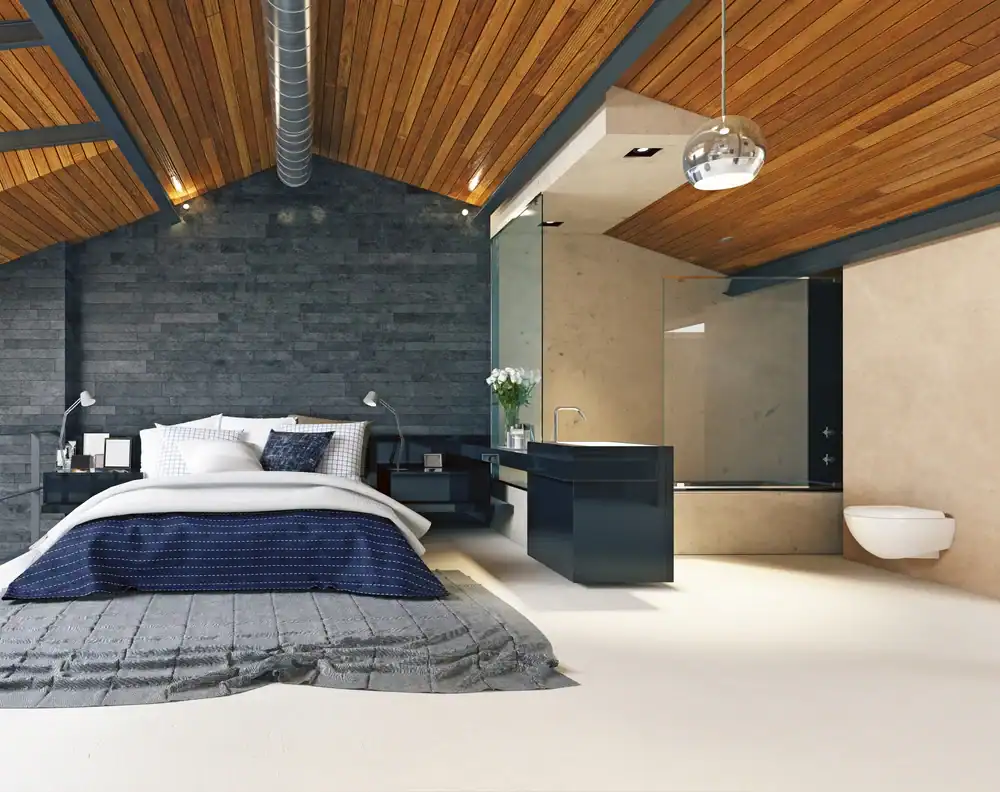
A dormer with a bathroom turns an attic into a true primary suite or guest room. A dormer with a large closet solves storage issues that have been bugging you for years. Either way, you’re getting functional space that makes your home work better for how you actually live.
Other Services we provide in Lido Beach