Your attic is sitting there, dark and cramped, while you’re trying to figure out where everyone’s supposed to go. Moving costs a fortune in Glen Cove’s market – homes are selling for $900K, up 28.6% from last year. Real estate commissions alone could fund a serious renovation.
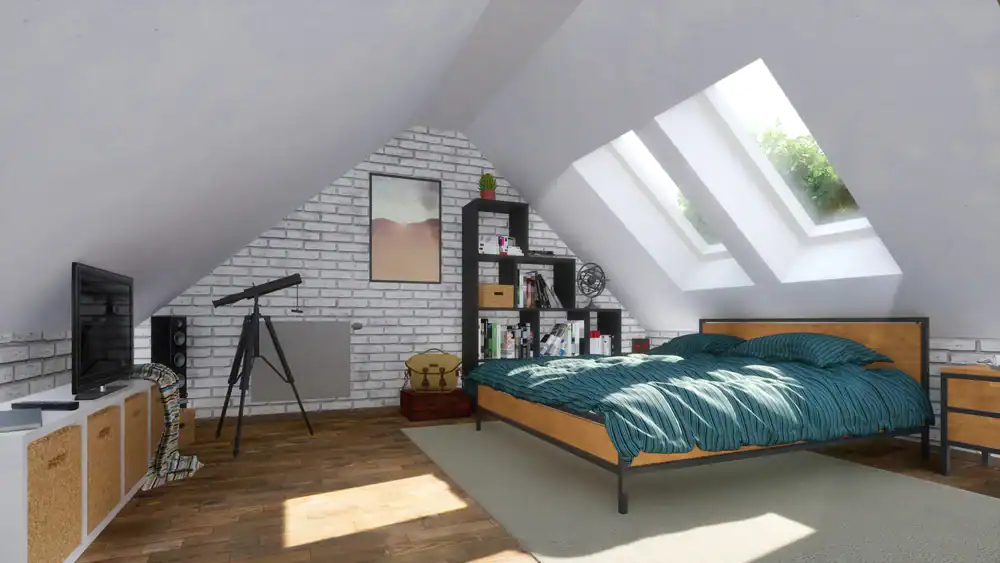
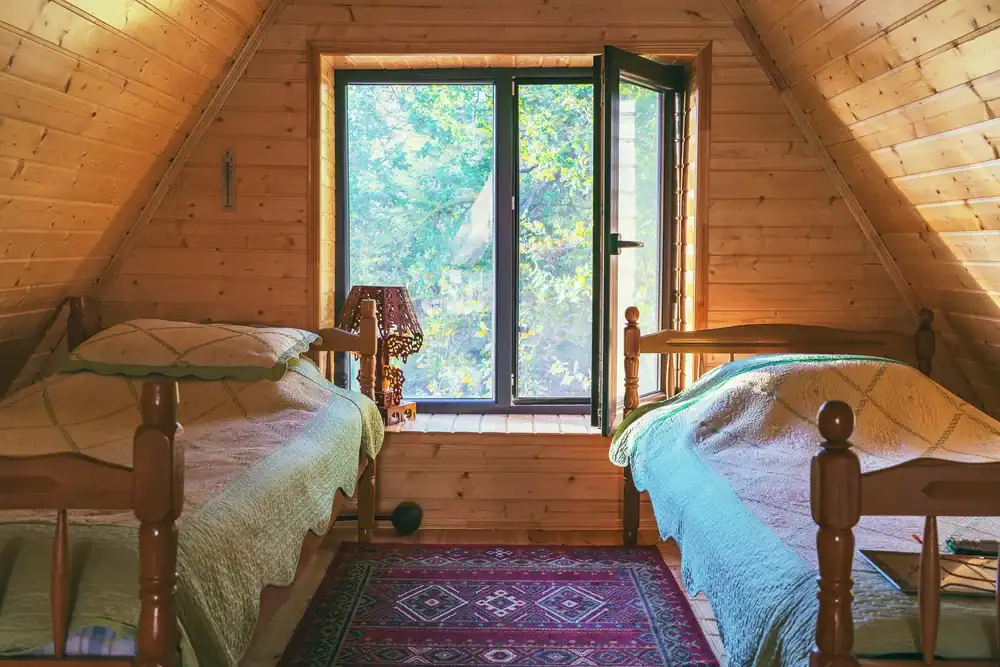
A dormer changes the equation. You’re not just adding headroom – you’re creating actual living space with natural light, proper ventilation, and enough room to stand up straight. That spare bedroom you need, the home office that’s been on your list, or the bathroom that keeps three people from fighting every morning – it’s all possible without leaving the neighborhood you already love.
The return makes sense too. Homeowners typically recoup 65-80% of dormer costs through added home value. In Glen Cove, where the median property value hit $654,500 and keeps climbing, that’s real money. You’re not spending – you’re investing in space you’ll use every day while your home appreciates in a competitive market where houses move in 33 days.
We’ve spent four decades handling large-scale renovations across Nassau County. We’re licensed, insured, and ranked in the top 1% of New York contractors on BuildZoom – not because we’re the cheapest, but because we show up, answer the phone, and do the work right.
Glen Cove’s housing stock is tricky. Nearly half the homes here were built between the 1940s and 1960s, which means older framing, unique roof pitches, and construction methods that require actual experience to work with properly. We’ve seen it all – Cape Cods that need more bedroom space, ranches with attics begging for conversion, colonials where a shed dormer makes perfect sense.
You’re not getting a crew that disappears for days or leaves your yard looking like a disaster. We keep job sites clean, our people professional, and if your pipe freezes in January, we answer that call too. That’s how we’ve stayed busy for 40 years in a market this competitive.
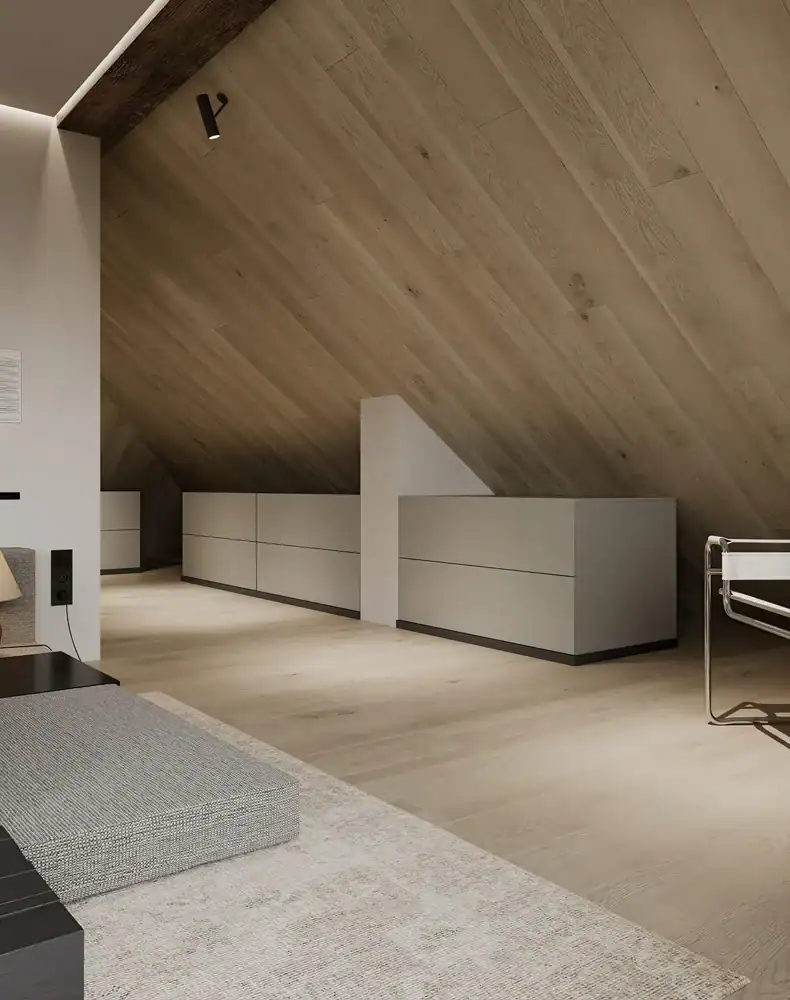
First, we look at your roof and attic to figure out what type of dormer makes sense. Gabled dormers work great for Cape Cods – they add that classic triangular look and create solid headroom for bedrooms or bathrooms. Shed dormers run longer across the roofline and maximize space, especially on ranches where you want to convert most of the attic into usable square footage.
Then comes permits. Long Island requires them for any structural work like this, and the process can be confusing if you’ve never dealt with Glen Cove’s building department. We handle that – applications, inspections, the whole thing. You don’t need to figure out what forms to fill out or when the inspector’s coming.
The actual construction means opening your roof, building the dormer structure, tying it into your existing framing, and making sure everything’s weathertight and insulated properly. We’re working above your head, so keeping things clean and moving efficiently matters. Most dormer projects take a few weeks depending on size and scope. When we’re done, you’ve got new space that looks like it was always part of the house – not an awkward addition someone tacked on.
Ready to get started?
Shed dormers are the workhorses of attic conversions on Long Island. They run horizontally across your roofline and create the most usable space – perfect when you need a full bedroom, bathroom, or office up there. They’re also built to handle our weather, which matters when you’re dealing with nor’easters and heavy snow loads.
Gabled dormers give you that classic look with the triangular roof. They don’t add quite as much square footage as shed dormers, but they bring in serious natural light and work beautifully on Cape Cods or colonials where you want to maintain the home’s architectural character. They’re also great for targeted additions – a dormer over the bathroom to add a skylight and ventilation, or one positioned to create a reading nook in a bedroom.
In Glen Cove, zoning restrictions and lot sizes make outward expansion tough. Most properties here are already maxed out on lot coverage, which is exactly why dormers make sense. You’re going up instead of out, staying within setback requirements, and adding value without eating up yard space. For homes built in the ’40s through ’60s – which is nearly half of Glen Cove’s housing stock – a dormer often turns an unusable attic into the most valuable square footage in the house.
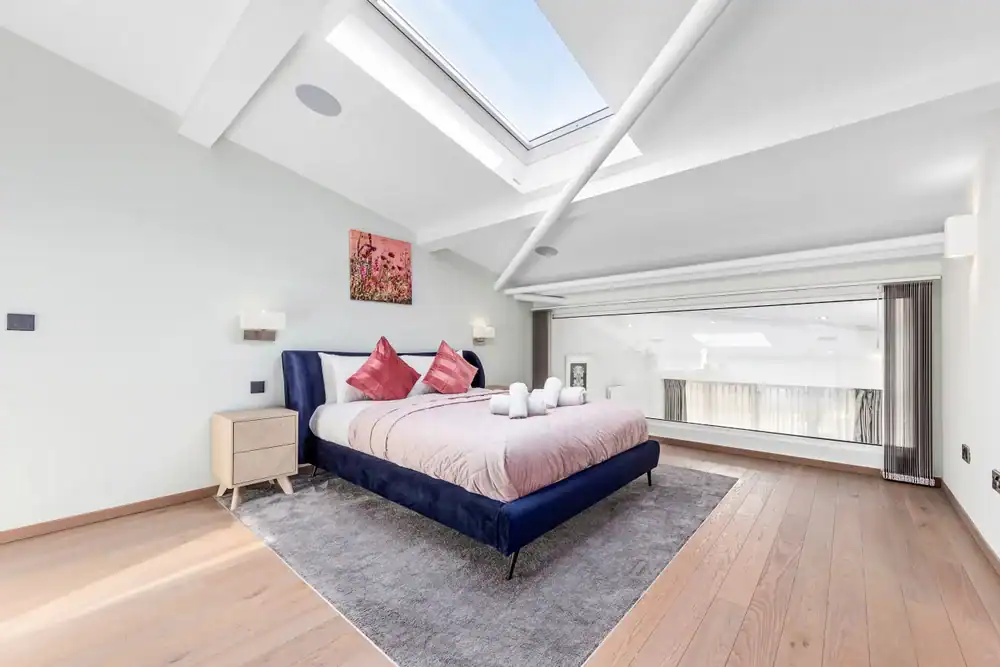
Dormer costs on Long Island typically run around $20,000 for a Cape Cod and $25,000 for a ranch, but that’s a starting point. Your actual price depends on size, dormer type, how much interior finishing you need, and what we find when we open up your roof.
A small gabled dormer that adds light and headroom to one room costs less than a full shed dormer that converts your entire attic into livable space with new electrical, insulation, flooring, and drywall. If your roof needs structural reinforcement or we’re matching custom trim details, that affects the number too.
The better way to think about it: you’re recouping 65-80% of the cost through added home value in Glen Cove’s market. When houses here are selling for $900K and moving in 33 days, the space you add directly impacts what your home’s worth. Compare that to moving costs – realtor commissions, closing costs, higher mortgage rates – and a dormer starts looking like the smarter play.
Yes. Any structural work that changes your roofline requires a building permit in Glen Cove, and that includes dormers. Long Island towns take this seriously – if you skip permits and try to sell later, it becomes a major problem during the home inspection and title process.
The permit process involves submitting plans to Glen Cove’s building department, getting approval, and scheduling inspections at different stages of construction. It’s not complicated if you know what you’re doing, but it’s confusing if you don’t – and mistakes delay the whole project.
We handle permits for every dormer we build. That means preparing the applications, dealing with the building department, and making sure inspections happen when they’re supposed to. You don’t need to take time off work to meet inspectors or figure out what documentation they want. We’ve done this enough times that we know exactly what Glen Cove requires, and we build it right the first time so inspections go smoothly.
Most dormer projects take three to five weeks from start to finish, depending on size and complexity. A single gabled dormer that’s adding light and headroom to one room moves faster than a full shed dormer that’s converting your entire attic into finished living space.
Weather affects the timeline too. We’re opening your roof, so we need decent conditions to frame the dormer structure and get everything weathertight. Long Island winters can slow things down – not because we can’t work in cold weather, but because snow, ice, and frozen materials make roofing work unsafe and less effective.
The permit process adds time on the front end. Glen Cove’s building department needs to review and approve plans before we start, and that usually takes a couple weeks. Once we’re approved and construction starts, we move efficiently. We’re not the crew that shows up for two days, disappears for a week, then comes back. We schedule the job, we’re there, and we finish it. Your house isn’t left open to weather, and you’re not wondering when we’re coming back.
Probably, but it depends on your roof pitch, framing, and what you’re trying to accomplish. Cape Cods and colonials are natural fits for dormers – they were practically designed for them. Ranches work too, especially if you’ve got attic space that’s just sitting there unused.
Roof pitch matters because you need enough height to create actual headroom once the dormer’s built. Steep roofs give you more options. Shallow roofs might limit dormer size or require a shed dormer design to maximize space. We also look at how your roof is framed – older homes sometimes have framing that needs reinforcement before we can add the dormer structure.
The style question is about matching your home’s look. Gabled dormers keep that traditional feel and work beautifully on classic Glen Cove homes from the ’40s and ’50s. Shed dormers are more contemporary but maximize space, and they can be designed to blend with your roofline rather than stick out awkwardly. We’ve worked on enough homes in Glen Cove to know what looks right and what doesn’t. When we walk your property, we’ll tell you honestly whether a dormer makes sense and what type fits your house.
A shed dormer runs horizontally along your roofline with a single sloped roof. It’s the go-to choice when you want maximum usable space – think converting your entire attic into a bedroom, bathroom, and closet. Shed dormers create the most headroom and square footage, which is why they’re popular on Long Island where lot sizes don’t allow outward expansion.
A gabled dormer has that classic triangular shape with a peaked roof. It projects out from your main roofline and adds targeted space – great for bringing light into a specific room, creating a window seat, or adding just enough headroom to make an attic bedroom functional. Gabled dormers maintain traditional architectural character, which matters if you’ve got a Cape Cod or colonial and want the addition to look original.
Both types work in Glen Cove, and both need to be built to handle local weather – snow loads, wind, and the occasional nor’easter. The choice comes down to how much space you need and what fits your home’s style. Shed dormers give you more bang for your buck in terms of square footage. Gabled dormers give you a classic look and work well when you don’t need to convert the entire attic. We’ll walk you through both options when we look at your house.
You can, but most people don’t – and here’s why. The dormer structure, roofing, and weatherproofing need to be done by someone who knows what they’re doing. That’s not a DIY project. Once that’s done, you’ve still got electrical, insulation, drywall, flooring, trim, and paint to finish the interior space.
If you’re handy and have time, finishing the interior yourself can save money. But you’re still dealing with building codes – electrical work needs permits and inspections in Glen Cove, insulation has to meet energy code requirements, and everything needs to pass final inspection before the space is legal.
Most of our clients just want it done. They’re busy, they don’t want to spend weekends drywalling, and they’d rather have a finished space they can use immediately. We can handle the whole project from framing to paint, or we can build and weatherproof the dormer and leave the interior finishing to you. Either way works – it’s about what makes sense for your schedule and budget. Just know that cutting corners on the structural work or skipping permits creates problems you’ll pay for later, especially when you go to sell.
Other Services we provide in Glen Cove