
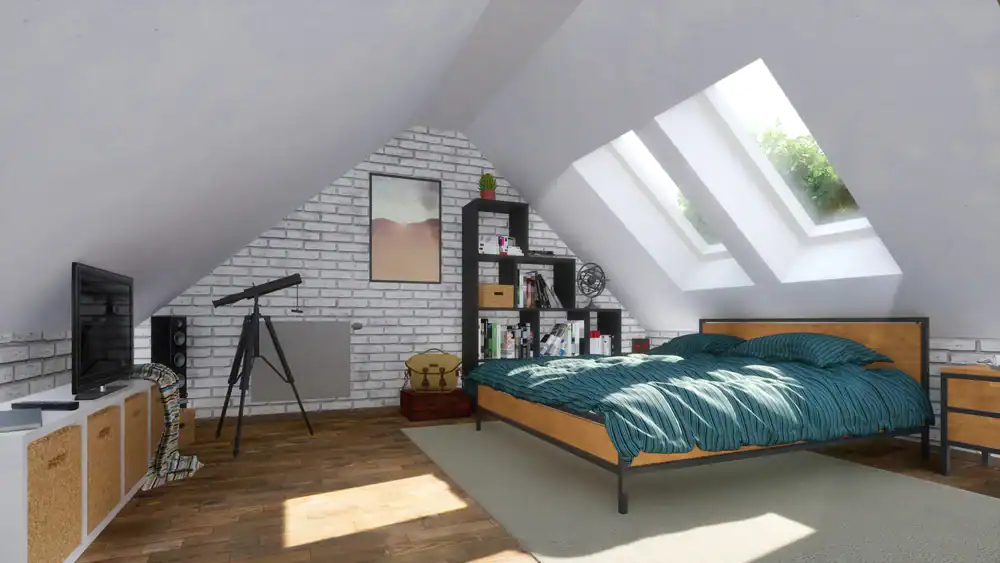
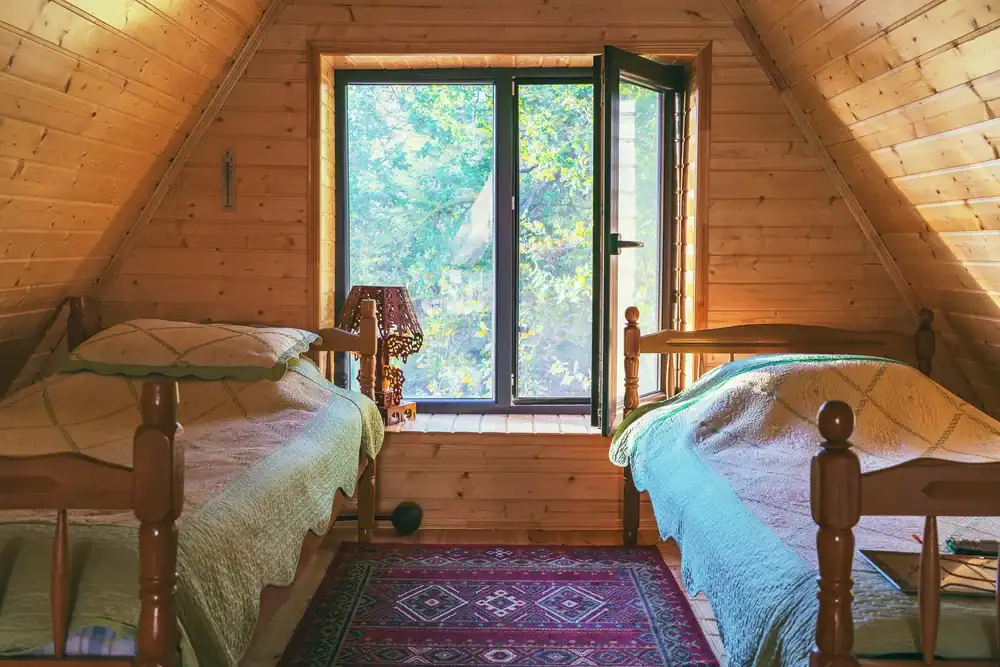
Your attic is sitting there doing nothing. It’s hot in summer, freezing in winter, and probably full of boxes you forgot about. A dormer changes that completely.
You get a real room with headroom, windows, and airflow. An extra bedroom for the kids. A home office with actual natural light. A guest room that doesn’t feel like a cave. Whatever you need, a dormer gives you the square footage without touching your yard or dealing with zoning headaches that come with ground-level additions.
And in Freeport’s housing market, where homes are selling for a median of $650K, adding functional space matters. You’re not just building a room. You’re increasing your home’s value, making it more competitive, and creating space that actually gets used. That’s the difference between wasted attic space and a room that pays for itself when it’s time to sell.
We’ve been building dormers, extensions, and full-scale renovations across Long Island since the early 1970s. We’re not new to this. We’ve seen every type of attic, every roofline challenge, and every “I didn’t know that was possible” moment.
We’re based in Wantagh and work throughout Nassau County, including Freeport. We know the homes here—the Cape Cods, the ranches, the older builds with quirky framing. We know what works structurally and what doesn’t. And we know how to get it done without dragging the job out or leaving your house a mess.
You’ll talk to Ray. You’ll get a straight answer. And if something comes up—a frozen pipe at 3 a.m., a question mid-project—we pick up the phone. That’s how we’ve stayed in business this long.
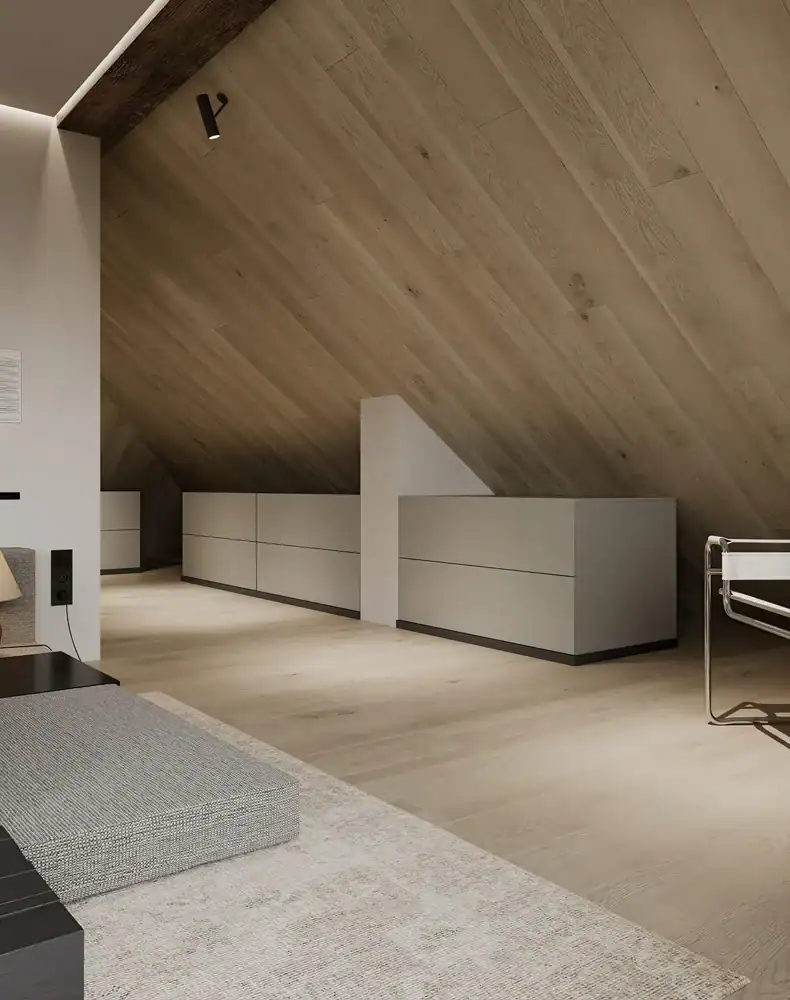
First, we come out and look at your attic. We check the roof structure, the framing, the insulation, and whether your space can handle a dormer without major reinforcement. Most can. Some need a little extra support. We’ll tell you either way.
Then we talk about what you actually want. More headroom? Windows? A full bedroom with a closet? We design the dormer to fit your roofline and match your home’s look. No cookie-cutter boxes that stick out like an afterthought.
Once we start, we open up the roof, frame the dormer, tie it into your existing structure, and close everything back up weathertight. Then comes insulation, drywall, windows, and finish work. We keep the site clean daily. Our crew shows up on time. And we don’t disappear mid-job to start something else.
Most dormer projects take between four and eight weeks depending on size and scope. We’ll give you a realistic timeline upfront, and we’ll keep you updated if anything changes.
Ready to get started?
A dormer isn’t just cutting a hole in your roof and hoping for the best. It’s a full structural addition that involves framing, roofing, siding, insulation, electrical, and finish carpentry. We handle all of it.
You get a dormer that’s built to code, properly insulated, and sealed tight against Long Island weather. That means no leaks, no drafts, and no mold issues down the road. We match your existing siding and roofing so it looks like it was always there. And we make sure the interior space is livable—not just technically finished, but actually comfortable.
In Freeport, where humidity and temperature swings are real problems for attics, proper ventilation and insulation matter. We’ve seen too many DIY dormer disasters and hack jobs from contractors who didn’t know what they were doing. You end up with moisture problems, sagging rooflines, and rooms that are unbearable in summer. We do it right the first time so you don’t have to call someone else to fix it later.
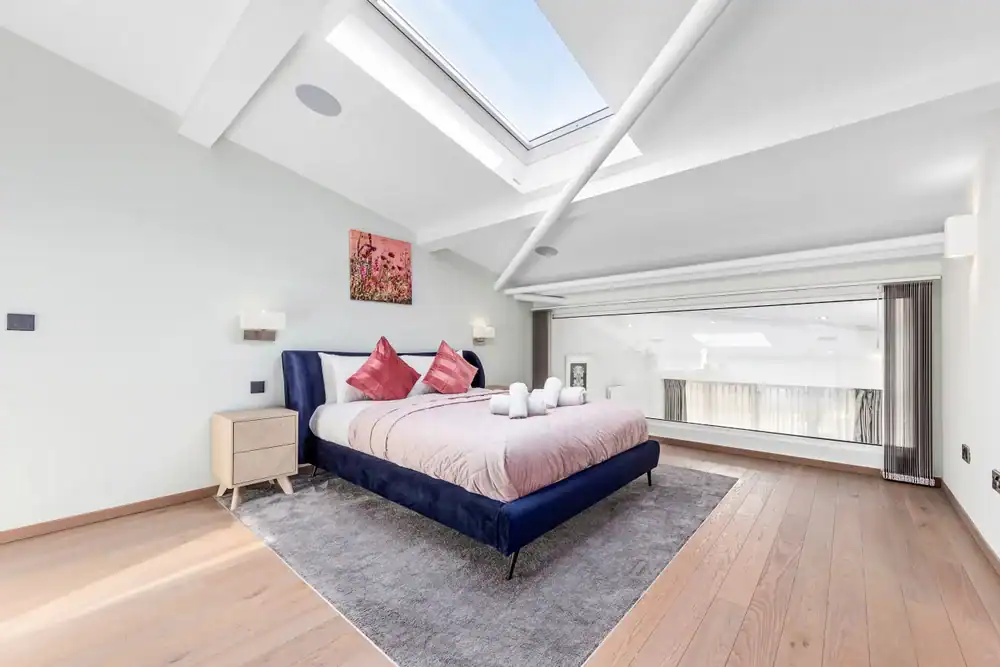
Most dormer projects in Freeport and across Long Island run between $20,000 and $35,000 depending on size, style, and what’s involved. A shed dormer on a Cape Cod usually sits around $20,000 to $25,000. A larger gable dormer or one that requires significant structural work can push closer to $30,000 or more.
The price depends on what you’re starting with. If your attic already has decent framing and headroom, that’s less work. If we need to reinforce joists, reroute electrical, or deal with outdated insulation and ventilation, that adds to the scope. We’ll give you a clear estimate after we see your space.
What matters more than the upfront cost is the return. Dormers in this area typically return 60% to 80% of the investment when you sell, and homes with extra bedrooms or office space sell faster. You’re not just spending money—you’re adding value and usable space you’ll actually benefit from while you live there.
Usually, yes. Most dormer projects require a building permit because you’re altering the roofline and adding structural elements. The permit process in Nassau County can take a few weeks, and it’s worth doing it right so you don’t run into issues later when you sell.
That said, some smaller dormer repairs or roof extensions might not trigger a permit depending on scope. We’ll tell you upfront what’s required for your specific project. If a permit is needed, we can help you navigate that process or work with you to handle the paperwork.
Skipping permits might seem like a shortcut, but it can come back to bite you during a home sale or inspection. Buyers and their attorneys will ask for permits on any major work. If you don’t have them, it can kill a deal or force you to legalize the work after the fact, which is way more expensive and stressful than just doing it right from the start.
Most dormer projects take between four and eight weeks from start to finish. Smaller shed dormers on straightforward rooflines can be done in four to six weeks. Larger or more complex dormers—especially ones that involve significant structural work or custom design—can take closer to eight to twelve weeks.
Weather plays a role, especially in winter. We can’t frame and roof a dormer in a snowstorm or during heavy rain. We plan around that, but Mother Nature doesn’t always cooperate. Permit delays can also push timelines if the town is backed up, which happens more often than it should on Long Island.
We’ll give you a realistic timeline before we start, and we’ll keep you in the loop if anything changes. What we don’t do is start your job, disappear for two weeks to work on someone else’s project, then come back when we feel like it. We finish what we start, and we keep the job moving so you’re not living in construction limbo for months.
Yes, if it’s done right. Attics in Long Island homes get brutally hot in summer because heat rises and gets trapped. Older insulation, poor ventilation, and blocked airflow make it worse. A dormer helps by adding windows for cross-ventilation, improving insulation, and creating better airflow throughout the space.
But here’s the thing: just cutting a hole in your roof and adding a dormer won’t magically fix a heat problem if the insulation and ventilation are garbage. We address the whole system—proper insulation in the roof and walls, ridge vents or soffit vents for airflow, and windows positioned to actually move air through the space.
The result is a room that’s comfortable year-round, not just tolerable. You’re not running the AC on full blast all summer trying to cool down a space that was never designed to be livable. That saves you money on energy bills and makes the room actually usable, which is the whole point of building a dormer in the first place.
Absolutely. Ranch homes are great candidates for dormers, especially if you’ve got a decent amount of attic space and roof pitch to work with. The average cost for a dormer on a ranch in this area runs around $25,000, and you can add significant square footage without changing your home’s footprint.
The key is making sure the existing roof structure can support the dormer. Some ranches have truss roofs that make it trickier, but not impossible. We evaluate the framing, check for any structural limitations, and design the dormer to work with what’s already there.
Ranch dormers are popular in Freeport because lot sizes are tight and zoning rules limit how much you can expand outward. Going up makes sense. You get an extra bedroom, office, or bonus room without sacrificing yard space or running into setback issues. And because ranch homes tend to have simpler rooflines, the dormer integrates cleanly without looking like an awkward add-on.
A shed dormer has a single sloped roof that extends from your existing roofline. It’s wider, adds more interior space, and gives you the most headroom and square footage. Shed dormers are the most common choice for adding full rooms because they maximize usable space.
A gable dormer has a peaked roof, like a little house sticking out of your main roof. It’s narrower and adds less interior space, but it has more architectural character. Gable dormers work well for adding windows and light without doing a full room conversion, or for matching the style of older homes where a shed dormer would look out of place.
Which one you choose depends on what you need and what your house can handle. If you want a full bedroom or office, a shed dormer usually makes more sense. If you’re after more light and ventilation without a massive structural change, a gable dormer might be the better fit. We’ll walk you through both options and show you what works best for your roofline, your budget, and the look you’re going for.
Other Services we provide in Freeport