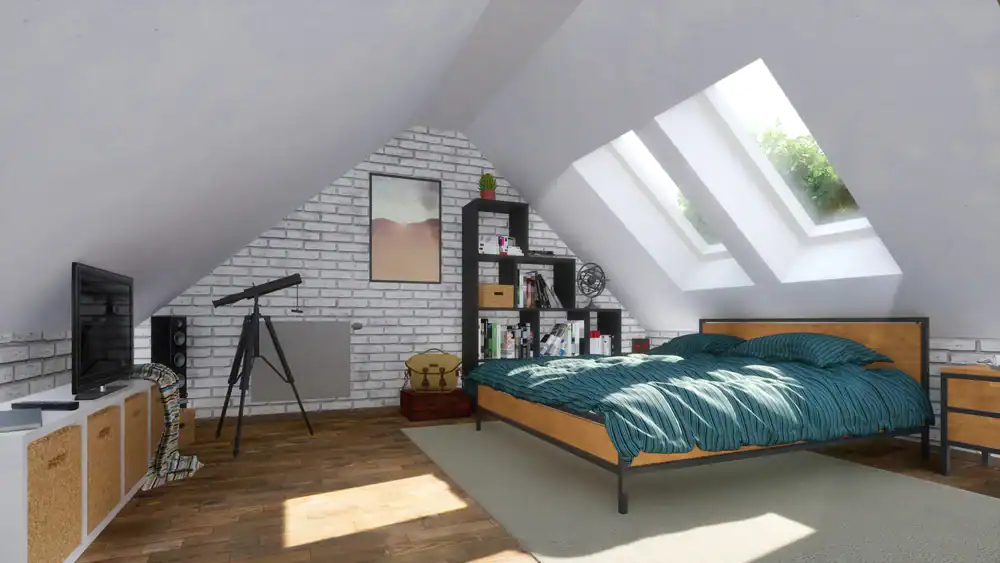
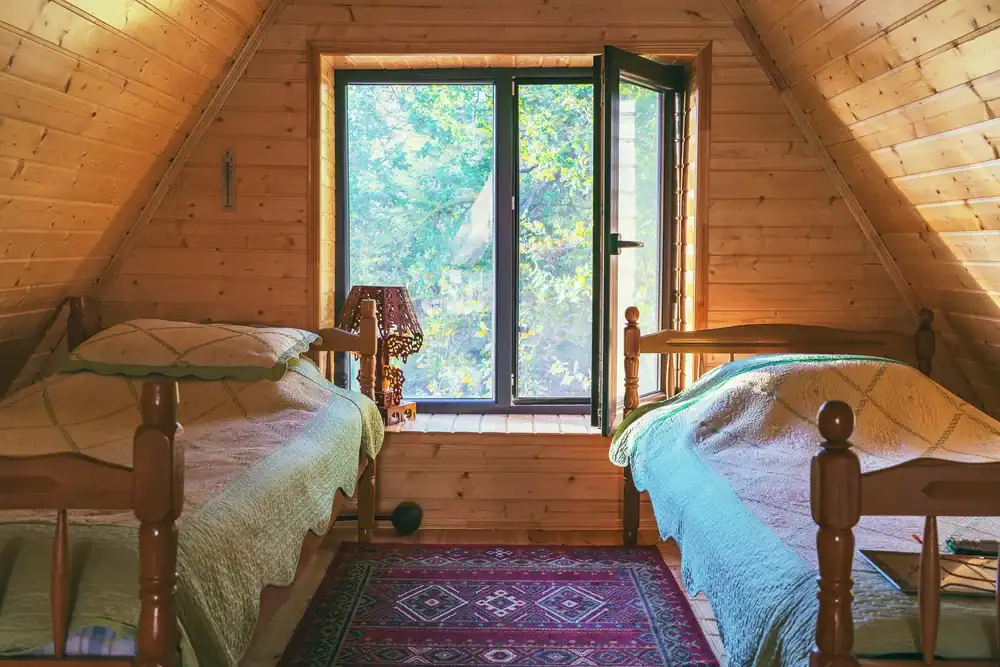
You’re not looking to move. The neighborhood’s great, the schools work, and frankly, the market’s a mess right now. But you need more room—a home office that actually has a door, a master suite that doesn’t feel cramped, or just somewhere to put all the stuff that’s been piling up since 2020.
That’s where a dormer makes sense. You’re building up, not out. Your lot size stays the same. Your backyard stays intact. And you’re not dealing with the zoning headaches that come with trying to expand outward on Long Island.
Most Bellmore homes were built in the 1950s and 60s. Cape Cods. Colonials. Ranches. They’ve got attics—plenty of floor space, but not enough headroom to actually use it. A shed dormer or gable dormer changes that. You get full ceiling height, natural light, and square footage that feels like a real room, not a storage closet with a sloped roof.
It’s one of the few ways to add serious living space without changing your property footprint or moving to a bigger house you probably can’t afford right now.
We’ve been handling large-scale residential projects across Nassau County since the early 1980s. We’re licensed, insured, and bonded throughout Nassau and Suffolk County, and we rank in the top 1% of New York contractors on BuildZoom.
We’re not a crew that shows up when we feel like it. You’ll get someone on the phone when you call. You’ll get a text back. If a pipe freezes in January, we respond. Our crews keep the job site clean, show up looking professional, and treat your home like it’s not a construction zone.
Bellmore’s full of older homes that need smart upgrades, not band-aids. We focus on the bigger projects—dormers, extensions, kitchen and bath remodels, first-floor renovations—because that’s where we do our best work. If you’re planning something substantial and want it done right the first time, that’s the kind of job we’re built for.
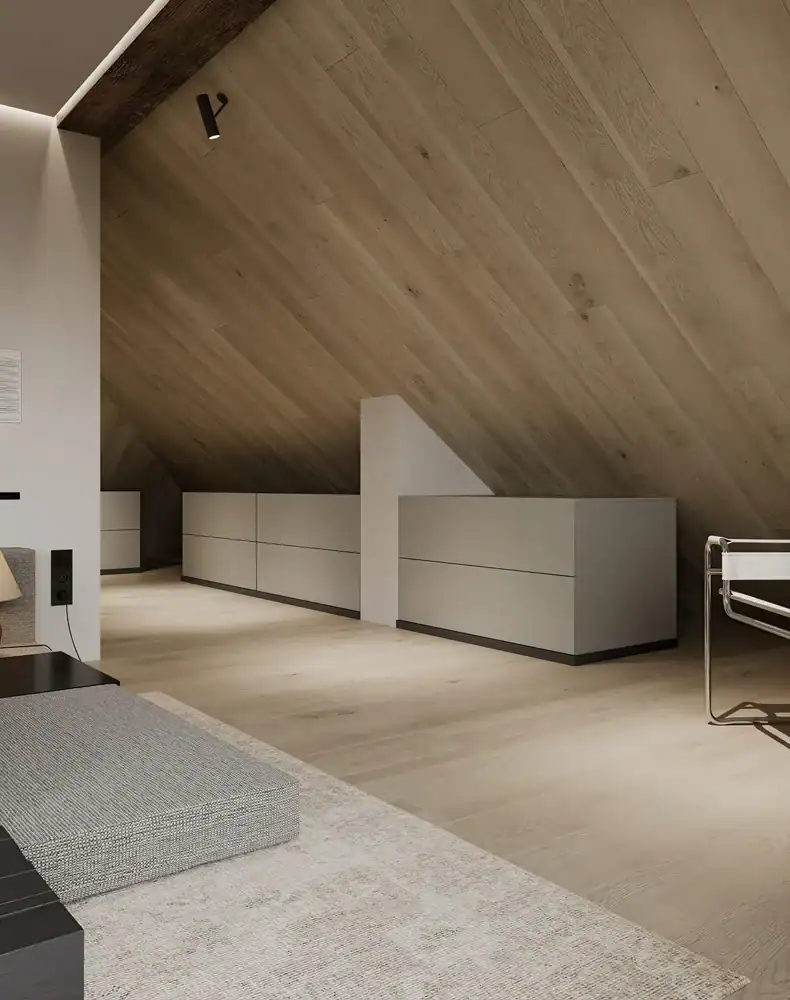
First, we come out and look at your attic. Not every home is set up the same way, and not every dormer design makes sense for every roof. We’ll measure the space, check the framing, talk through what you’re trying to accomplish, and give you an honest assessment of what’s possible.
Once we agree on the scope, we handle the design and any permitting if needed. Some dormer projects don’t require permits depending on size and scope—we prefer those because they move faster. If permits are required, we manage that process so you’re not stuck dealing with the town.
Then the build starts. We open up the roof, frame the dormer structure, install windows, insulate, and close everything back up weathertight. Roofing, siding, drywall, trim—it all gets handled in sequence. Depending on the size and complexity, most dormer projects take anywhere from four to twelve weeks.
Throughout the job, you’ll have access to us. Questions get answered. Changes get discussed. The site stays as clean as a construction site can be. And when we’re done, you’ve got a finished space that’s ready to use—not a half-done project you’re stuck finishing yourself.
Ready to get started?
A dormer isn’t just a roof bump-out. It’s structural work, weatherproofing, finish carpentry, and everything in between. We handle all of it—framing, roofing, siding to match your existing home, window installation, insulation, drywall, and interior trim.
In Bellmore, most homes are Cape Cods or Colonials with similar rooflines and siding styles. We match materials so the dormer looks like it was always part of the house, not an obvious add-on. That matters for resale value and curb appeal, especially in a neighborhood where most homes were built around the same time.
The most common dormer we build here is a shed dormer. It runs along the back of the house, adds the most usable square footage, and doesn’t change the front elevation. Gable dormers are another option—they’re smaller, usually over a window, and add character to the roofline. We’ll walk you through both and recommend what makes sense for your home and your budget.
On average, a dormer addition on Long Island runs around $30,000, but that varies based on size, materials, and how finished you want the interior. We’ll give you a clear number upfront so there’s no guessing. And because we’ve done this hundreds of times, we can tell you what’s worth spending on and what’s not.
Most dormer projects in Bellmore and the surrounding Long Island area run between $25,000 and $40,000, depending on size, design, and how much interior finishing you want. A small gable dormer over a single window will cost less than a full shed dormer that runs the length of your roofline.
The price includes everything—framing, roofing, siding, windows, insulation, drywall, and trim. If you want the interior finished as a bedroom or office, that’s part of the scope. If you just want the shell done so you can finish it later, that’s an option too.
We’ll give you a firm quote after we see the house. Every home is a little different, and we don’t believe in ballpark estimates that turn into change orders later. You’ll know what it costs before we start, and that number won’t move unless you change the scope.
It depends on the size and scope of the dormer. Some smaller projects don’t require permits, which speeds up the timeline and cuts down on red tape. Larger dormers, especially those that add significant square footage or change the roofline substantially, usually do require a permit from the Town of Hempstead.
We handle the permit process if one’s needed. That includes submitting plans, coordinating inspections, and making sure everything’s up to code. Permit approval can take a few weeks, sometimes longer if the town’s backlogged, so it’s smart to plan ahead if you’re working on a timeline.
We’ll tell you upfront whether your project needs a permit or not. And honestly, we prefer the jobs that don’t—because they move faster and you’re not waiting on the town to approve every step.
Yes. Adding a dormer can increase your home’s value by as much as 20-22%, especially in a market like Bellmore where home values are high and inventory is tight. You’re adding usable square footage, which is one of the biggest drivers of home value.
But the real value isn’t just in the appraisal. It’s in making your home work for you so you don’t have to move. If you can turn your attic into a master suite, a home office, or an extra bedroom, you’re solving a real problem without taking on a new mortgage, paying realtor fees, or uprooting your family.
The ROI is strong, but most people do this because they need the space now—not because they’re flipping the house next year. If you plan to stay in Bellmore for a while, a dormer is one of the smartest investments you can make in your home.
Most dormer projects take between four and twelve weeks from start to finish. Smaller gable dormers on the shorter end, larger shed dormers on the longer end. If permits are required, add a few weeks to the front end for approvals and inspections.
Weather can affect the timeline, especially in winter. We’re not framing a roof in a snowstorm, and we’re not leaving your house open to the elements if there’s rain in the forecast. But we plan around that, and we communicate with you if something shifts.
Once we start, we move efficiently. The roof gets opened and closed quickly so your home isn’t exposed. Framing, windows, and weatherproofing happen fast. Interior finishing takes a bit longer, but that’s because we’re making sure everything’s done right—not rushing through drywall and trim just to call it done.
A shed dormer runs horizontally along your roofline, usually on the back of the house. It has a single sloped roof and adds the most interior space because it extends the full width of the room. If you’re trying to turn an attic into a bedroom, office, or master suite, a shed dormer gives you the most usable square footage and headroom.
A gable dormer is smaller and projects out from the roof with a peaked, triangular front. It’s usually centered over a window and adds light, ventilation, and some extra headroom, but not as much space as a shed dormer. Gable dormers are great for adding character to the front of a Cape Cod or Colonial, and they’re less expensive because they’re smaller in scope.
Both are common in Bellmore. Which one makes sense depends on what you’re trying to accomplish, where the dormer’s going, and how much space you actually need. We’ll walk you through both options and show you what works best for your home and your budget.
Yes. Matching materials is part of the job, and it’s something we take seriously. A dormer should look like it’s always been there, not like an add-on from a different era.
Most homes in Bellmore have vinyl siding, cedar shakes, or clapboard, and we source materials that match your existing color, texture, and profile. Same goes for roofing—we match shingle style and color so the dormer blends seamlessly with the rest of your roof.
If your siding or roofing is older and discontinued, we’ll find the closest match or discuss options for refreshing the whole side of the house so everything looks cohesive. The goal is a finished project that adds value and looks intentional, not like a patchwork fix.
Other Services we provide in Bellmore