
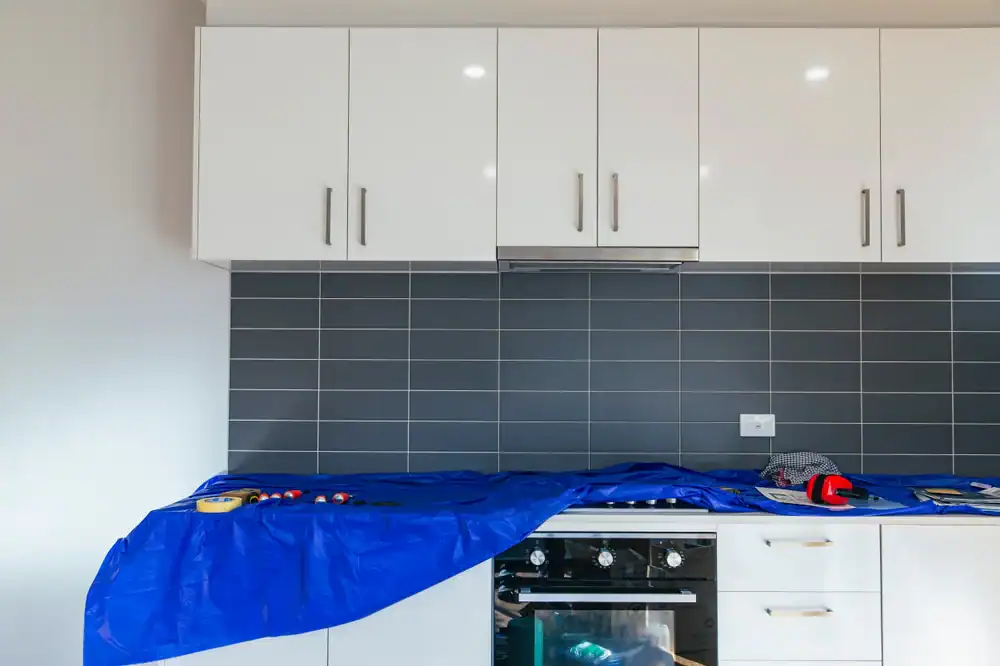

You’re not just swapping cabinets. You’re fixing the layout that never worked, adding the island you’ve wanted for years, and creating a space where your family actually gathers.
A kitchen renovation in Sea Cliff means dealing with older home realities—Victorian layouts with extra walls, tight corners, and floor plans that made sense in 1890 but don’t fit how you live now. The right remodel opens things up. It gives you counter space where you need it, storage that makes sense, and flow that doesn’t force you to walk in circles while cooking.
When it’s done right, you’re looking at a space that adds real value to your home—recent data shows kitchen remodels in Nassau County can return up to 96% of your investment. But more than that, you get a kitchen that works the way you need it to, every single day.
We’ve been remodeling kitchens in Sea Cliff and across Nassau County for over 40 years. We’re licensed, insured with $1 million in coverage, and ranked in the top 1% of New York contractors by BuildZoom.
We specialize in large-scale kitchen renovations—the kind that involve opening walls, reconfiguring layouts, and integrating modern function into historic homes. Sea Cliff’s Victorian architecture requires someone who understands how to respect the character of these homes while making them livable for today.
You’ll reach us when you call. We answer the phone, respond to texts, and keep our job sites clean. If something goes wrong—frozen pipes, emergency issues—we handle it. That’s not marketing talk. It’s how we’ve stayed in business this long.

First, we come to your home and look at what you’re working with. We talk about what’s not working in your current kitchen, what you want to change, and what’s realistic for your space and budget. No pressure, no sales pitch—just a real conversation about your project.
Once we agree on scope and pricing, we handle the design work and planning. For homes in Sea Cliff, especially older Victorians, this often means figuring out how to integrate modern kitchen layouts into spaces that weren’t built for them. We map out the new layout, select materials, and coordinate the timeline.
Then the work starts. We manage every trade—plumbing, electrical, carpentry, tile, countertops. Our crews show up on time, keep the site clean, and treat your home with respect. Most kitchen remodels take six to ten weeks depending on scope, and we keep you updated throughout.
When it’s finished, you’ve got a kitchen that functions the way you need it to. No callbacks, no shortcuts, no surprises.

Ready to get started?
Your kitchen renovation covers everything from demolition to final finishes. We handle layout reconfiguration, cabinetry installation, countertop fabrication and install, flooring, lighting, plumbing, and electrical work. If you’re adding an island, opening a wall, or expanding into adjacent space, we manage that too.
In Nassau County, kitchen remodeling often means working around older home challenges—load-bearing walls, outdated wiring, plumbing that needs upgrading. We address those issues as part of the project, not as surprise add-ons. For homes built before 1978, we follow EPA Lead Safety requirements to keep your family protected.
Sea Cliff homeowners typically invest between $30,000 and $100,000 in a full kitchen renovation, depending on size and finishes. That includes quality materials that hold up to Long Island’s climate—cold winters, humidity, and the wear that comes with daily use. You’re not getting builder-grade materials that need replacing in five years. You’re getting a kitchen built to last, designed around how you actually use the space, and finished by people who’ve been doing this work for decades.
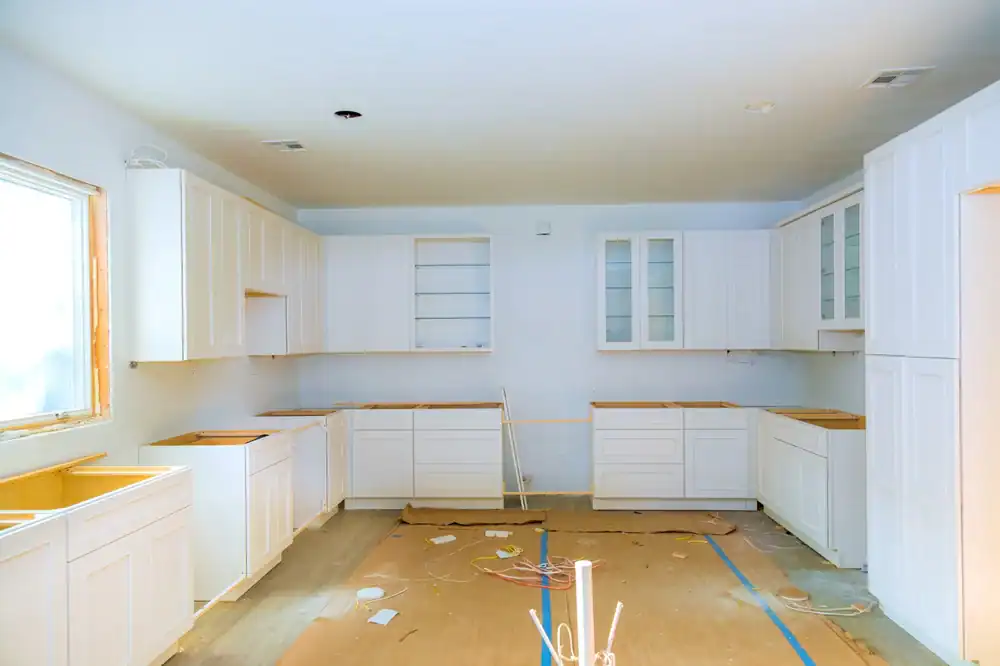
Most kitchen remodels take six to ten weeks once work begins, but the full timeline depends on your project scope. A straightforward cabinet and countertop replacement moves faster than a full gut renovation that involves moving walls, updating plumbing, and reconfiguring the layout.
Before construction starts, expect about four weeks for design and planning. This is where we finalize your layout, select materials, order cabinets and countertops, and line up the schedule. Rushing this part usually causes problems later.
For older Sea Cliff homes, especially Victorians, we sometimes run into surprises once walls are opened—outdated wiring, plumbing that needs replacement, structural issues that weren’t visible. We handle these as they come up, but they can add time. We’ll keep you informed if anything changes the timeline, and we don’t drag projects out. We want to finish your kitchen and move on to the next job.
In Nassau County, kitchen remodels typically range from $30,000 to over $100,000 depending on the size of your kitchen and what you’re changing. A basic refresh with new cabinets, countertops, and appliances in a small space sits at the lower end. A full renovation with layout changes, high-end finishes, and custom details pushes toward the higher end.
Long Island’s labor rates and cost of living drive prices up compared to other parts of the state. You’re also paying for quality materials that hold up to our climate—cabinets that won’t warp in humidity, countertops that handle daily wear, flooring that survives cold winters.
The return on investment matters too. Recent data shows kitchen remodels are delivering around 96% ROI, meaning a $50,000 renovation could add $48,000 to your home’s value. But beyond resale value, you’re investing in a space you use every day. A well-done kitchen remodel eliminates daily frustrations and makes your home more functional. That’s worth something even if you’re not planning to sell.
Yes, and we do it regularly in Sea Cliff. Victorian homes have unique challenges—small rooms with lots of walls, layouts designed for servants and formal dining, and floor plans that don’t match how people live today. The goal is opening things up while respecting the home’s character.
This usually means removing non-load-bearing walls to create better flow, relocating doorways, and reconfiguring the space to fit modern appliances and work zones. We keep original details like moldings, woodwork, and architectural features when possible, integrating them into the new design.
Older homes also come with older systems. Knob-and-tube wiring needs replacing. Plumbing may need updating to handle modern fixtures. Floors might not be level. We address these issues as part of the renovation, bringing everything up to code while maintaining the home’s historic appeal. It takes experience to do this right—you can’t treat a 130-year-old Victorian the same way you’d approach a 1990s colonial.
It depends on what you’re changing. In Nassau County, permits are typically required if you’re moving plumbing, doing electrical work, removing walls, or making structural changes. Simple cosmetic updates—new cabinets, countertops, flooring—usually don’t require permits.
We prefer projects that don’t require permits because they move faster and avoid the bureaucratic delays that come with Nassau County’s permitting process. But if your project does need permits, we know how to navigate the system and what the local building department expects.
Skipping required permits isn’t worth the risk. It can cause problems when you sell your home, void insurance coverage if something goes wrong, and result in fines if the town finds out. If your renovation needs permits, we pull them, schedule inspections, and make sure everything’s done to code. It adds time and cost, but it protects you and ensures the work is done right.
Experience matters more than anything. You want someone who’s been doing kitchen remodels for years, not a handyman trying to expand their services. Check their license, verify their insurance, and look at their track record. In New York, you can verify contractor licenses through the county, and services like BuildZoom provide rankings based on completed projects and customer feedback.
Responsiveness tells you a lot. If a contractor doesn’t return calls during the sales process, they won’t be easier to reach once they have your deposit. You want someone who answers the phone, shows up when they say they will, and communicates clearly about timeline and costs.
Ask about their process for handling surprises. Every renovation uncovers something unexpected—old wiring, water damage, structural issues. A good contractor has a plan for dealing with these situations without derailing your project or blowing your budget. Finally, talk to past clients if you can. Reviews and testimonials give you insight into how the contractor actually operates once the work begins.
Yes, but a professional crew minimizes the chaos. Your kitchen will be out of commission for the duration of the project—usually six to ten weeks. You’ll need a temporary setup for meals, whether that’s a microwave and mini-fridge in another room or eating out more than usual.
Dust and noise are unavoidable during demolition and construction, but we contain the work area as much as possible and clean up daily. Our crews don’t leave your house looking like a disaster at the end of each day. We also keep disruptions to a schedule—we’re not showing up at random times or working until midnight.
The biggest inconvenience is not having a functioning kitchen for several weeks. Plan for that reality before the project starts. Set up a temporary coffee station, stock paper plates, and figure out your meal strategy. It’s temporary, and when it’s done, you’ll have a kitchen that actually works for your family instead of against it.
Other Services we provide in Sea Cliff