
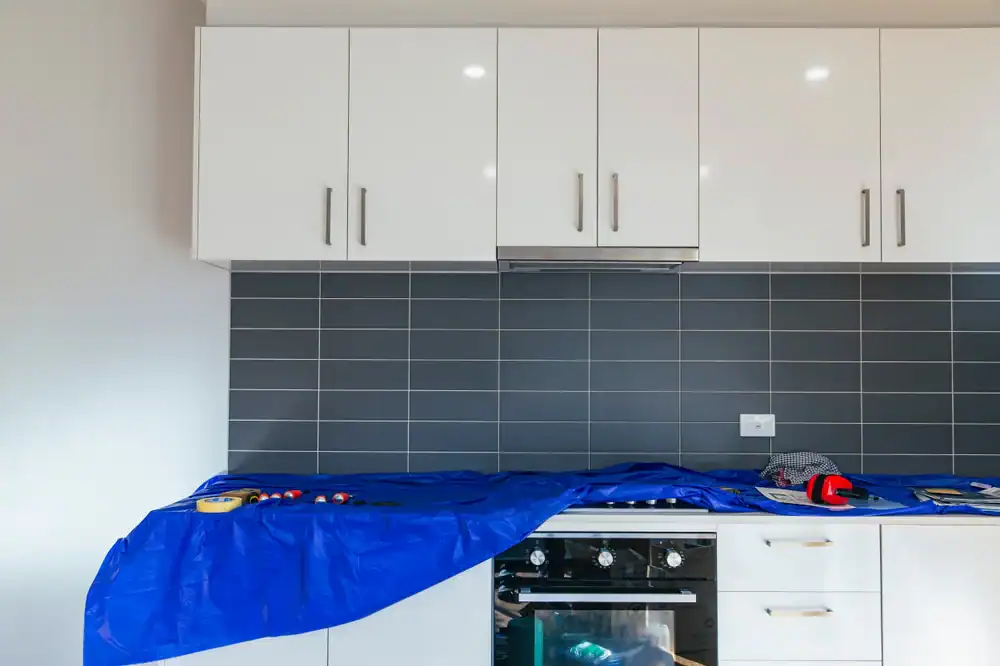

You’re not just getting new cabinets. You’re getting a kitchen that works the way your family actually lives—more counter space where you need it, storage that makes sense, and an island that doesn’t block traffic when three people are cooking at once.
The layout gets fixed. The lighting gets better. Appliances fit where they’re supposed to without forcing compromises. And when you open a drawer five years from now, it still glides smooth because we didn’t cut corners on hardware or installation.
This is what happens when a general contractor has been doing kitchen renovations in Oyster Bay long enough to know which shortcuts come back to haunt you. We’ve handled everything from galley kitchen transformations to full first-floor renovations that open up your entire living space. The job gets done on time, the site stays clean, and you get a kitchen that actually adds value to your home—not just new finishes over old problems.
We’ve spent five decades building and remodeling homes across Nassau County. We’re the contractor who answers the phone—every time—and shows up when we say we will. Our owner is on-site daily, not managing from an office somewhere.
We’ve worked through Long Island winters where frozen pipes burst at 3 a.m. and homeowners needed someone who’d actually come out. We’ve navigated the permit process in every township across the area. And we’ve built relationships with clients who’ve hired us for multiple projects over ten-plus years because the first job was done right.
You’re hiring a licensed, insured general contractor who specializes in large-scale kitchen and bathroom remodels, first-floor renovations, and home additions. We keep crews professional, job sites clean, and communication open from the first design conversation through final walkthrough.

First, we walk through your space and talk about what’s not working. You tell us what you need—more storage, better flow, an island that seats four—and we figure out what’s possible within your budget and your home’s structure. If you need design help, we bring that. If you already have plans, we review them for buildability.
Next comes the planning phase where we handle permits, order materials, and schedule the work. You’ll know the timeline before we start, and we build in contingency for the surprises that always show up in older Long Island homes—outdated wiring, plumbing that needs rerouting, subfloors that need reinforcement.
During construction, expect daily progress and a clean site at the end of each day. We’re there managing the work, coordinating inspections, and keeping you updated. When something unexpected comes up—and it usually does—we bring you options before making decisions that affect your budget. The job wraps when everything’s installed, inspected, and you’ve done a final walkthrough to confirm it’s done right.

Ready to get started?
Your kitchen remodel covers everything from initial design through final cleanup. We handle demolition, framing modifications, electrical and plumbing updates, and installation of cabinets, countertops, flooring, and fixtures. All permits and inspections are managed as part of the project—you don’t chase down township requirements or schedule inspector visits.
In Oyster Bay and across Nassau County, kitchen remodels typically range from mid-level updates around $45,000 to major renovations exceeding $100,000, depending on size and finishes. We work with your budget to prioritize what matters most. If you’re adding an island, reconfiguring the layout, or integrating panel-ready appliances for a seamless look, we map that out before ordering a single cabinet.
Long Island’s climate creates specific challenges. Winters here drop below freezing regularly, which means any work affecting exterior walls or plumbing lines needs proper insulation and protection. We’ve dealt with frozen pipe emergencies and storm damage from nor’easters—we know how to build kitchens that hold up. Most kitchen renovations here also require building, electrical, and plumbing permits. We handle that process so you don’t have to figure out what each township requires or worry about failed inspections delaying your project.
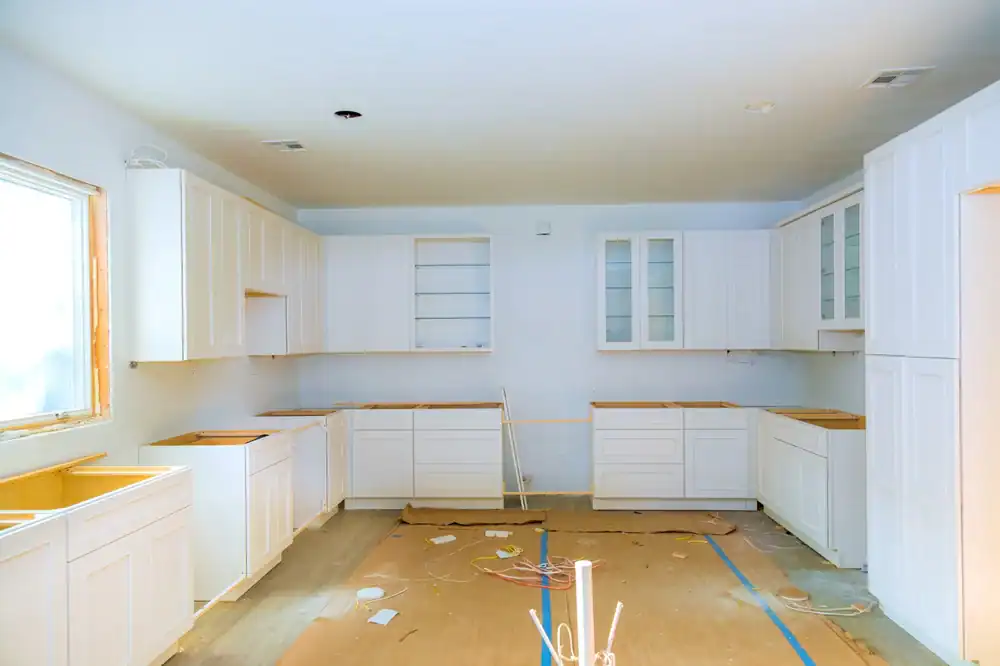
For a typical 120-square-foot kitchen on Long Island, you’re looking at anywhere from $23,500 for basic updates to over $100,000 for a high-end renovation. Mid-range remodels—new cabinets, countertops, appliances, and flooring—usually fall between $45,000 and $75,000. Major renovations that involve layout changes, moving plumbing or gas lines, adding islands, or upgrading to premium materials can easily exceed that range.
The biggest cost driver isn’t usually the cabinets or countertops. It’s scope creep—starting with a straightforward refresh and gradually adding features during construction. We give you a detailed estimate upfront and recommend budgeting an extra 15-20% for contingencies, because older homes almost always reveal something once walls are opened.
What you spend depends on what you’re trying to accomplish. If you’re remodeling to sell, focus on updates that deliver ROI—minor kitchen remodels typically recoup 70-80% of costs at resale. If you’re staying long-term, invest in functionality and materials that’ll last. Either way, we help you make decisions that fit your goals and your budget.
Most kitchen remodels take six to twelve weeks once construction starts, but the timeline depends on the scope of work and how quickly permits and materials come through. A straightforward cabinet and countertop replacement might be done in four to six weeks. A full gut renovation with layout changes, new electrical, plumbing reroutes, and custom elements can stretch to three months or more.
Permitting adds time on the front end. In Nassau County townships, expect one to three weeks for permit approval depending on the complexity of the work and the township’s current workload. We submit permits early and keep the process moving, but it’s not something you can rush.
The other variable is material lead times. Stock cabinets might arrive in two weeks. Custom cabinetry can take eight to twelve weeks. Countertop fabrication and installation usually adds another two weeks after cabinets are in. We map out the timeline before starting and give you realistic expectations—not best-case scenarios that fall apart the moment something goes wrong. When we say a project will finish on a certain date, we build in enough buffer that we actually hit it.
Yes, most kitchen renovations require permits in Oyster Bay and throughout Nassau County. You’ll typically need a building permit for structural changes, an electrical permit for any wiring work, and a plumbing permit if you’re moving sinks, adding gas lines, or rerouting water supply. Some townships also require zoning permits if you’re expanding the kitchen’s footprint.
Permit requirements vary by township, and inspectors are particular about code compliance. That’s why working with a licensed general contractor who knows local codes matters. We handle the permit applications, schedule inspections, and make sure everything passes so you receive final certificates of completion. Skipping permits might seem like a shortcut, but it creates problems when you sell—buyers’ attorneys will ask for permits during closing, and unpermitted work can kill a deal or force you to rip out and redo everything properly.
The permit process typically adds a few weeks to the timeline, but it protects your investment. Inspections catch issues that could cause problems later—undersized electrical circuits, improper venting, plumbing that doesn’t meet code. We’ve been navigating Nassau County permit requirements for fifty years. It’s built into how we manage every project.
Expect your kitchen to be out of commission for several weeks, so plan temporary cooking arrangements. We’ll set up a timeline before starting and keep you updated on progress, but there will be noise, dust, and workers in your home most days. We keep the job site as clean as possible—sweeping up daily and containing dust with barriers—but remodeling is disruptive by nature.
You’ll need to make a lot of decisions upfront: cabinet style and finish, countertop material, backsplash tile, flooring, lighting fixtures, hardware, paint colors. The more decisions locked in before demolition starts, the fewer delays you’ll hit mid-project. We’ll guide you through selections and flag anything that’ll cause lead time issues or budget overruns.
Once construction begins, expect daily progress but also expect surprises. We might open a wall and find outdated wiring that needs upgrading, or discover the subfloor is damaged and needs replacement. That’s normal in older Long Island homes. When it happens, we bring you options with cost and timeline impacts before moving forward. The job wraps with final inspections, a walkthrough to confirm everything’s complete, and a kitchen that actually works the way you need it to.
Start by verifying they’re licensed, insured, and bonded. That’s not negotiable. Then look at how long they’ve been working in the area—local experience means they know township permit requirements, understand Long Island’s climate challenges, and have relationships with inspectors and suppliers that keep projects moving.
Get multiple quotes, but don’t automatically pick the cheapest bid. The lowest price usually means corners will get cut somewhere—cheaper materials, less experienced crews, or a contractor who’s underestimating the scope and will hit you with change orders once the job starts. Ask for references from recent kitchen remodels and actually call them. Find out if the contractor showed up on time, communicated clearly, handled surprises professionally, and left the site clean.
Pay attention to how they handle your initial consultation. Do they listen to what you need, or are they pushing their own agenda? Do they explain the process clearly and give you a realistic timeline, or are they making promises that sound too good to be true? A good kitchen remodeler will walk your space, ask questions about how you use the kitchen, and point out potential issues before you’re under contract. You’re hiring someone who’ll be in your home for weeks—make sure it’s someone who answers the phone, communicates clearly, and has a track record of finishing jobs the right way.
Minor kitchen remodels—updating cabinets, countertops, appliances, and finishes without changing the layout—typically recoup 70-80% of costs when you sell. Major renovations that involve structural changes, layout reconfigurations, and high-end materials usually recover 50-60% at resale. Nationally, kitchen remodels average a 113% ROI, but that varies significantly by region and how well the renovation matches the neighborhood.
In Oyster Bay and across Nassau County, kitchens are a major selling point. Buyers expect updated, functional spaces, and outdated kitchens can kill deals or force price reductions. A well-planned remodel can increase your home’s value by 50-80% of the project cost, especially if you’re bringing an older kitchen up to current standards.
If you’re remodeling to sell within a year or two, focus on broad-appeal updates—neutral colors, quality materials, good lighting, and layouts that work for most families. If you’re staying long-term, prioritize functionality and features that improve your daily life. Either way, the ROI isn’t just financial. It’s also about having a kitchen that works better, looks better, and doesn’t frustrate you every time you try to cook dinner. That’s worth something even if it doesn’t show up on a resale appraisal.
Other Services we provide in Oyster Bay