
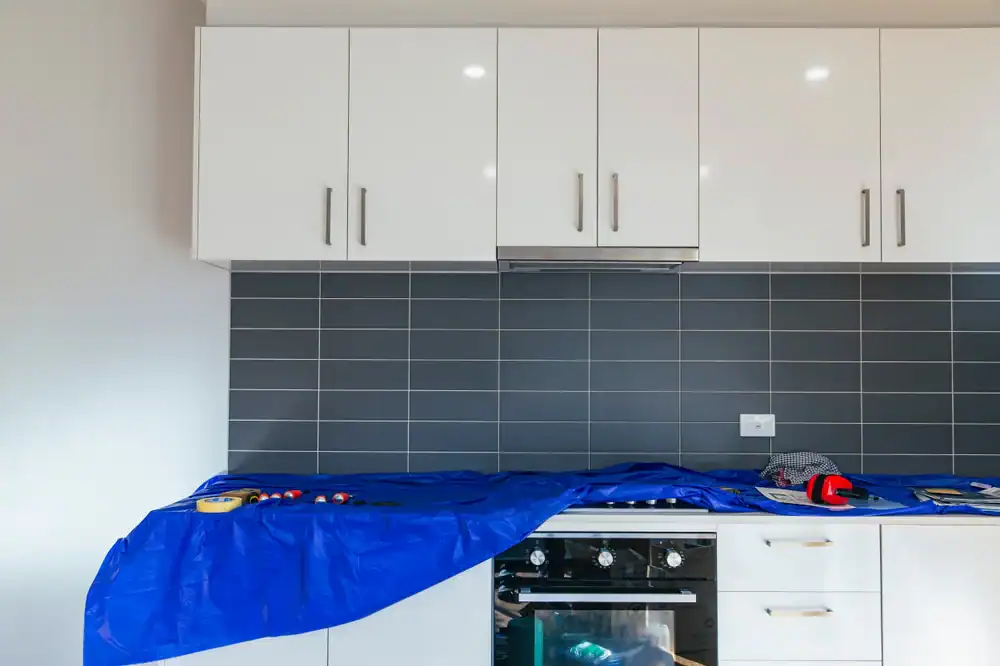

You’re not remodeling your kitchen because you’re bored. You’re doing it because the layout doesn’t work anymore, the cabinets are falling apart, or you can’t stand looking at that countertop for another day.
When the job’s finished, you get a space that actually functions. Cabinets that close without slamming. Countertops you can wipe down in seconds. Storage where you need it, not where some builder decided to stick it thirty years ago.
You also get your time back. No more texting a contractor who won’t respond. No more wondering if anyone’s showing up today. The kitchen remodeling process moves forward on schedule because we’re actually managing it.
And if something goes wrong in the middle of winter—a frozen pipe, a busted valve—you’re not stuck waiting until Monday. We pick up the phone, even at 3 AM.
We’ve been handling kitchen renovations in Oceanside and across Nassau County for over 50 years. That’s not a marketing line—it’s just how long we’ve been operating.
Ray’s on the job site most days. Not because he doesn’t trust the crews, but because that’s how he’s always run things. You call, he answers. You text, he responds. If there’s a problem, he’s there to fix it before it turns into a bigger one.
We rank in the top 1% of licensed contractors in New York according to BuildZoom. Fully licensed, insured, and bonded across Nassau and Suffolk County. The kind of credentials that matter when you’re letting someone tear apart the most expensive room in your house.
Oceanside homeowners know what they’re getting into when they remodel. The market’s competitive, costs aren’t cheap, and you need someone who won’t ghost you halfway through the project. That’s where most of our calls come from—people who got burned once and don’t want it to happen again.

First, you talk through what’s not working. Maybe it’s the layout, maybe it’s the appliances, maybe it’s all of it. Ray walks the space, asks questions, and gives you a realistic picture of what’s possible within your budget and timeline.
Once the plan’s set, the crew shows up on schedule. Demo happens fast but controlled—no one’s smashing cabinets for fun. Old countertops, outdated flooring, and worn-out fixtures come out. The space gets prepped for new electrical, plumbing, or structural work if needed.
Then the rebuild starts. New cabinets go in, countertops get templated and installed, flooring goes down. If you’re adding an island, reconfiguring the layout, or upgrading to commercial-grade appliances, that’s when it happens. Every step gets coordinated so you’re not waiting on one trade to finish before the next one can start.
Throughout the job, the site stays clean. Our crews sweep up daily, not just at the end. You’re not walking through sawdust and drywall scraps every time you come home.
When it’s done, you do a final walkthrough. Anything that’s not right gets handled before the project closes. No “we’ll come back next week” promises that never happen.

Ready to get started?
Kitchen remodeling in Oceanside typically runs between $14,500 and $70,000 depending on the scope. That’s not a wild guess—it’s based on local project data and material costs in Nassau County. Small updates with cabinet refacing and countertop replacement sit on the lower end. Full gut renovations with layout changes, new appliances, and custom cabinetry push toward the higher range.
You’re paying for more than just materials and labor. You’re paying for project management—someone who coordinates the electrician, plumber, tile installer, and cabinet maker so they’re not tripping over each other. You’re paying for permits and inspections when required, though we specialize in projects that avoid unnecessary permitting when possible.
You’re also paying for availability. If a pipe bursts in January or something breaks mid-project, you’re not waiting three days for a callback. That’s especially important on Long Island, where frozen pipes aren’t a rare occurrence—they’re a winter reality.
The goal isn’t to be the cheapest option in Oceanside. It’s to be the one you don’t regret hiring. That means clean job sites, responsive communication, and work that doesn’t need to be redone six months later because someone cut corners.
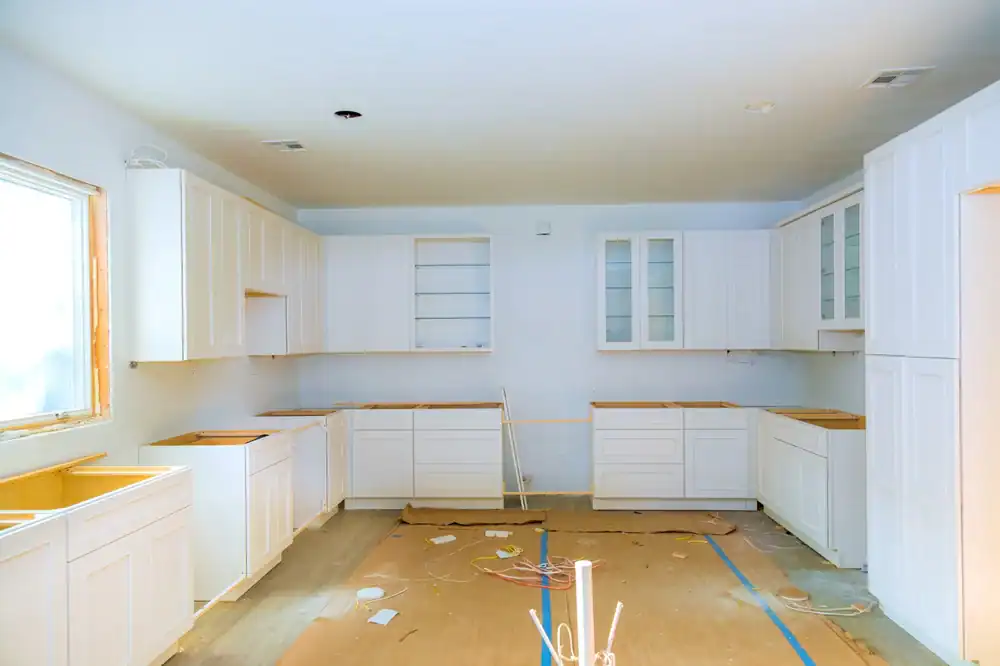
Most full kitchen remodels take between four and eight weeks from demo to completion. That timeline assumes you’re gutting the space, replacing cabinets, installing new countertops, updating plumbing and electrical, and putting in new flooring.
Smaller projects move faster. If you’re just swapping countertops and painting cabinets, you’re looking at one to two weeks. Larger renovations that involve moving walls, adding islands, or reconfiguring the layout can stretch to ten or twelve weeks depending on permitting and inspections.
The timeline also depends on how quickly you make decisions. Changing your mind on tile or cabinet hardware mid-project adds time. Waiting on custom orders or specialty materials adds more. The projects that finish on schedule are the ones where homeowners know what they want before demo starts and stick with it.
Hiring based on price alone. The cheapest bid almost always costs more in the long run because the work gets done poorly, timelines blow up, or the contractor disappears halfway through.
The second biggest mistake is not planning for the disruption. Your kitchen’s going to be out of commission for weeks. That means no cooking, limited access to the fridge, and dust everywhere even if the crew’s careful. Set up a temporary kitchen in another room, plan for takeout, and don’t expect to host dinner parties until the job’s done.
The third mistake is changing the plan mid-project. Swapping out tile, upgrading appliances, or adding features after work’s started adds an average of 10% to the final cost. It also delays the timeline because materials need to be reordered and work needs to be redone. If you’re going to make changes, make them before the contract’s signed.
It depends on what you’re doing. If you’re replacing cabinets, countertops, and flooring without touching walls or plumbing, you usually don’t need a permit. If you’re moving walls, relocating plumbing, upgrading electrical panels, or adding new gas lines, Nassau County requires permits.
Permits aren’t just red tape—they ensure the work meets code and won’t cause problems when you sell the house. Inspectors check that electrical is safe, plumbing won’t leak, and structural changes won’t compromise the building. Skipping permits might save time upfront, but it creates headaches later when a buyer’s inspector flags unpermitted work.
We handle permit applications and inspections when required. We also specialize in projects that avoid unnecessary permitting when possible, which keeps timelines shorter and costs lower. If you’re not sure whether your project needs a permit, ask during the consultation—it’s better to know upfront than deal with it later.
Small kitchen remodels in Oceanside typically cost between $10,000 and $30,000. That covers cabinet refacing or replacement, new countertops, updated lighting, and fresh paint. You’re not moving walls or changing the layout—just updating what’s already there.
Full kitchen renovations run between $40,000 and $70,000 or more depending on materials and scope. That includes gutting the space, replacing cabinets, installing new countertops, upgrading appliances, adding an island, and reconfiguring the layout if needed. High-end finishes like marble countertops, custom cabinetry, and commercial-grade appliances push costs higher.
The biggest cost drivers are cabinets and countertops—they make up about 50% of the total budget. Appliances add another 15% to 20%. Labor, plumbing, electrical, and flooring split the rest. If you’re trying to control costs, focus on mid-range materials and avoid changing the plumbing or electrical layout unless it’s necessary.
Walk-in pantries and hidden storage are at the top of the list. Homeowners want more space for groceries, small appliances, and everything that used to clutter the countertops. If the layout allows it, adding a pantry during the remodel makes the kitchen significantly more functional.
Quartz countertops remain the most popular choice because they’re low-maintenance, stain-resistant, and don’t need sealing like granite or marble. Some homeowners still go with marble or granite for the island as a statement piece, but quartz dominates the main countertops.
Smart kitchen technology is becoming standard, not optional. Touchless faucets, smart lighting, built-in charging stations, and Wi-Fi-enabled appliances are showing up in most mid-to-high-end remodels. They’re not gimmicks—they make daily tasks easier and add resale value when you eventually sell.
Check their license first. Nassau County requires home improvement contractors to be licensed, insured, and bonded. If they can’t provide proof, walk away. You can verify licenses through the county or check their BuildZoom score to see how they rank against other contractors in New York.
Ask how they handle communication. Reliable contractors answer calls, respond to texts, and keep you updated throughout the project. If they’re hard to reach during the sales process, they’ll be impossible to reach once work starts.
Look at how they manage job sites. Professional crews clean up daily, not just at the end. They show up on time, work efficiently, and don’t leave your house looking like a disaster zone every night. If a contractor can’t keep the site clean during the job, they’re not managing the project properly.
Other Services we provide in Oceanside